
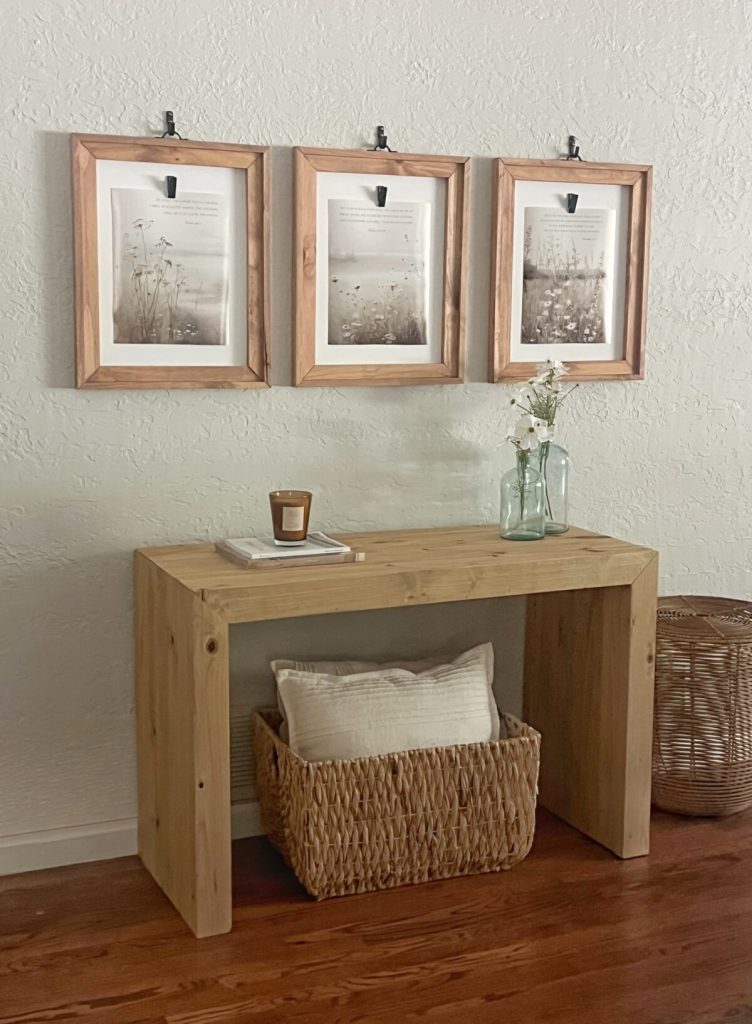
Are you looking to add a warm, personal touch to your home’s entryway? Building your own wood entryway table is a simple and rewarding project that you can complete even if you’re new to woodworking.
Imagine having a sturdy, beautiful table that perfectly fits your space and style—crafted by your own hands. In this guide, you’ll discover easy steps and practical tips to create a table that welcomes guests and keeps your essentials organized. Ready to transform your entryway?
Let’s get started!
Choosing The Right Wood
Choosing the right wood is crucial for building a strong and beautiful entryway table. The wood affects the table’s look, strength, and how long it lasts. Different woods offer various colors, grains, and textures. Picking the right one helps your table match your home style and handle daily use well.
Types Of Wood For Entryway Tables
Many wood types suit entryway tables. Some popular choices include:
- Oak:Strong and has a classic grain pattern.
- Maple:Smooth texture and light color.
- Pine:Soft wood, easy to work with and affordable.
- Walnut:Dark, rich color with a fine grain.
- Cherry:Reddish tone that darkens over time.
Each wood type offers a unique look and feel. Choose one that fits your style and table use.
Wood Quality And Durability
Good quality wood lasts longer and resists damage. Solid hardwood is best for durability. Avoid soft or low-grade wood that dents easily. Check for knots and cracks before buying. Properly dried wood prevents warping. Quality wood holds finishes well and looks great over time.
Budget Considerations
Wood prices vary widely. Hardwoods like walnut and cherry cost more. Pine and poplar are budget-friendly options. Balance cost with quality and appearance. Spending a bit more on wood can save money on repairs later. Plan your budget before choosing the wood to avoid surprises.

Credit: 100things2do.ca
Gathering Tools And Materials
Before building a wood entryway table, gather all necessary tools and materials. Preparation saves time and avoids interruptions. Having everything ready helps you work smoothly and finish faster.
Essential Tools List
- Measuring tape for accurate dimensions
- Hand saw or circular saw for cutting wood
- Power drill for making holes and screwing
- Screwdriver for tightening screws
- Clamps to hold pieces firmly
- Sandpaper or electric sander for smooth surfaces
- Wood glue for strong joints
- Square or carpenter’s angle for right angles
- Pencil for marking cuts and measurements
Materials Needed
- Wood boards (choose hardwood or softwood)
- Wood screws for assembly
- Wood stain or paint for finishing
- Wood filler to cover gaps or holes
- Table legs or wood pieces to make legs
- Clear varnish or sealant for protection
Safety Gear
- Safety goggles to protect eyes
- Dust mask to avoid inhaling sawdust
- Ear protection if using loud power tools
- Gloves to protect hands from splinters
- Closed-toe shoes for foot safety
Designing Your Table
Choosing the right wood and design style sets the foundation for your entryway table. Focus on simple shapes and sturdy construction for lasting use. Consider space and function to create a practical and attractive piece.
Designing your table is a crucial step in creating a wood entryway table. This stage allows you to visualize your ideas and ensure your table fits perfectly in your space. Thoughtful design leads to a functional and beautiful piece that enhances your home’s entryway.Deciding On Dimensions
Start by measuring the space where the table will go. Consider the table’s length, width, and height. Ensure it doesn’t block any pathways or doors. A common entryway table is around 30 to 36 inches tall. Adjust the width and length based on available space. Keep in mind what you plan to place on the table. This helps you decide on the ideal size.Sketching Your Design
Draw a rough sketch of your table. Include measurements for each part. Visualize the shape and style. Simple rectangles or elegant curves? Sketching helps you see potential issues before building. Use graph paper for accurate proportions. This step is crucial for understanding how pieces will fit together.Selecting Finishes And Style
Choose a finish that matches your decor. Popular options include natural wood, stained, or painted finishes. Consider the style of your home. Modern, rustic, or traditional? Select finishes that complement existing furniture. Test finishes on small wood samples. This ensures you love the final look.
Credit: www.youtube.com
Cutting The Wood Pieces
Cutting the wood pieces is a crucial part of building your entryway table. Accurate cuts ensure a sturdy and well-finished piece of furniture. Taking your time to measure, mark, and cut precisely will save effort during assembly.
Use the right tools and follow safety rules to work confidently. Preparing each piece carefully helps the table come together smoothly.
Measuring And Marking
Start by measuring the wood carefully with a tape measure. Double-check all measurements before marking. Use a pencil to draw clear, straight lines where you will cut. Mark both edges of the wood to guide your saw. Measure twice, cut once to avoid mistakes.
Using A Saw Safely
Choose the right saw for your cuts, such as a handsaw or circular saw. Wear safety glasses and keep fingers clear of the blade. Secure the wood firmly using clamps or a workbench. Cut slowly and follow your marked lines closely. Keep your body balanced and stay focused to prevent accidents.
Preparing Wood For Assembly
After cutting, check each piece for smooth edges. Use sandpaper to remove splinters and rough spots. Clean off any dust to improve glue and finish adhesion. Organize pieces by size and purpose to ease assembly. Proper preparation leads to a better-looking and stronger table.
Assembling The Table Frame
Assembling the table frame is a key part of building your wood entryway table. It creates the structure that holds the whole table together. A strong frame keeps the table steady and durable. Focus on precise joins and solid connections. Use the right tools and materials for a neat finish. This section guides you through the main steps for a sturdy frame.
Joining Techniques
Choose the right joining technique for your wood pieces. Common methods include butt joints, mortise and tenon, and dowel joints. Butt joints are simple but need reinforcement. Mortise and tenon joints are very strong and fit tightly. Dowel joints use wooden pins to align and hold parts. Pick a technique based on your skill and tools. Clean cuts and exact measurements improve join quality.
Using Screws And Glue
Combine screws and wood glue for stronger bonds. Glue holds wood fibers firmly together. Screws provide mechanical strength and prevent separation. Pre-drill holes before screwing to avoid wood splitting. Use clamps to hold parts while glue dries. Choose screws that fit the wood thickness. Wipe off extra glue before it hardens for a clean look.
Ensuring Stability
Check the frame for wobbling or gaps after assembly. Use a carpenter’s square to keep corners at 90 degrees. Tighten all screws evenly for balanced pressure. Add corner braces or blocks inside joints for extra support. Place the frame on a flat surface during assembly. Test stability by gently shaking the frame. Adjust joints or add reinforcements if needed.
Adding The Tabletop
Adding the tabletop is a key step in building your wood entryway table. This part gives the table its main surface for placing items. The tabletop must be attached firmly and finished smoothly. A level surface ensures the table looks good and functions well. Take your time to do each task carefully for the best results.
Attaching The Surface
Place the tabletop on the frame carefully. Align the edges evenly with the table base. Use clamps to hold the tabletop in place. Drill pilot holes to avoid splitting the wood. Secure the tabletop with screws or wood glue. Tighten screws until the tabletop is firmly fixed.
Sanding For Smoothness
Sand the tabletop surface using medium-grit sandpaper first. Remove any rough edges and uneven spots. Follow with fine-grit sandpaper for a smooth finish. Sand along the wood grain to prevent scratches. Wipe away dust with a clean cloth. Repeat sanding if needed for a perfect surface.
Checking For Level
Place a level tool across the tabletop. Check the surface from different angles. Adjust the table base if the surface is uneven. Use shims under the legs if necessary. Ensure the tabletop sits flat without wobbling. A level table will hold items securely and look balanced.
Finishing Touches
Finishing touches bring your wood entryway table to life. They protect the wood and enhance its look. Taking time here ensures your table lasts and shines in your space.
Applying Stain Or Paint
Choose a stain or paint that matches your style. Stain shows the wood grain and adds warmth. Paint covers the grain but offers many color options.
Use a brush or cloth to apply evenly. Work in the direction of the wood grain. Let the first coat dry fully before adding another.
- Apply thin coats to avoid drips.
- Sand lightly between coats for smoothness.
- Test color on a scrap piece of wood first.
Sealing For Protection
Seal your table with a clear finish to guard against damage. Polyurethane and varnish are common choices. They protect from water, scratches, and stains.
Apply sealing with a clean brush or foam applicator. Spread evenly and avoid bubbles. Allow it to dry completely before using the table.
- Apply two to three coats for strong protection.
- Sand lightly between coats with fine sandpaper.
- Choose a matte or glossy finish based on your preference.
Final Inspection
Check your table carefully after finishing. Look for rough spots, missed areas, or uneven color. Fix any issues with light sanding or an extra coat.
Make sure the table feels smooth and solid. Confirm all parts are secure and stable. Your entryway table is ready to welcome guests with style and strength.

Credit: www.youtube.com
Tips For Maintenance
Maintaining your wood entryway table keeps it looking fresh and sturdy for years. Simple care routines can protect the wood and enhance its natural beauty. Let’s look at practical tips to help you enjoy your handmade table without worry.
Cleaning Advice
Dust your table regularly using a soft, dry cloth to avoid scratches from particles. For deeper cleaning, use a damp cloth with mild soap and water, then immediately dry the surface to prevent moisture damage.
Avoid harsh chemical cleaners or abrasive pads—they can strip the finish or damage the wood fibers. Have you noticed how even small spills can leave marks? Wiping them up quickly makes a big difference.
Preventing Damage
Place coasters under drinks to stop water rings and use felt pads under decorative items to prevent scratches. Be careful when placing heavy objects to avoid dents or warping.
Try to keep your table away from direct sunlight and heat sources like radiators, which can cause fading or cracking. What’s the last thing you put on your table? Consider if it might leave a mark or stain over time.
Long-term Care
Apply a quality wood polish or wax every few months to nourish the wood and maintain its sheen. This step also creates a protective barrier against dust and moisture.
Inspect your table periodically for signs of wear or loose joints and tighten screws or re-glue if necessary. Small repairs now prevent bigger problems later—how often do you check your furniture for hidden damage?
Frequently Asked Questions
What Materials Are Needed To Build A Wood Entryway Table?
You need wood boards, screws, wood glue, sandpaper, and finish. Optional items include paint, stain, and protective sealant for durability. Having basic woodworking tools like a saw, drill, and clamps is essential for precise assembly and finishing.
How Long Does It Take To Build A Wood Entryway Table?
Building a wood entryway table typically takes 4 to 6 hours. This depends on your skill level, complexity of design, and drying time for finishes. Beginners may take longer, while experienced woodworkers can complete it faster.
What Wood Type Is Best For An Entryway Table?
Hardwoods like oak, maple, and walnut are ideal for entryway tables. They offer durability, strength, and a beautiful finish. Pine is a budget-friendly alternative but may dent or scratch more easily.
How Do I Finish A Wood Entryway Table For Durability?
Apply stain or paint evenly, then seal with polyurethane or varnish. This protects against moisture, scratches, and daily wear. Sand lightly between coats for a smooth, long-lasting finish that enhances wood grain.
Conclusion
Building a wood entryway table adds charm to any home. You can create a unique piece with simple tools and wood. Each step brings you closer to a sturdy, beautiful table. Enjoy personalizing your table with paint or stain. This project saves money and gives you pride in your work.
Try this project to add warmth and style to your entryway. A handmade table welcomes guests and holds your essentials. Start building today and enjoy your new entryway table soon.



