
Looking to add a personal touch to your living space? Building your own coffee and end table sets is easier than you think—and it gives your home a unique charm that store-bought furniture can’t match.
Imagine crafting pieces that fit perfectly with your style and needs, while saving money and gaining a rewarding sense of accomplishment. In this guide, you’ll discover simple steps to create sturdy, stylish tables that will impress your guests and make your daily life more enjoyable.
Ready to transform your space with your own hands? Let’s get started.
Choosing The Right Materials
Choosing the right materials for building coffee and end table sets is key to creating pieces that last and look great. The materials you pick affect everything from durability to style. Taking time to understand your options will help you make smarter choices that fit your space and skill level.
Selecting Wood Types
Wood is the foundation of any table set. Hardwoods like oak, maple, and walnut offer strength and beautiful grain patterns. They are perfect if you want a sturdy table that can handle daily use without easily scratching or denting.
Softwoods such as pine or cedar are easier to work with and cost less. However, they may dent or scratch more easily. Think about where your tables will go and how much wear they’ll get before choosing the wood type.
Have you considered reclaimed wood? It adds character and is an eco-friendly choice. I used reclaimed barn wood for my last project, and it gave the table a unique look that guests always ask about.
Picking The Hardware
The hardware you use affects both the function and style of your tables. Solid brass or stainless steel screws and brackets resist rust and provide a polished finish. Avoid cheap hardware that can bend or break under pressure.
Think about the design too. Decorative brackets or exposed bolts can add an industrial or rustic vibe. If you want a seamless look, opt for hidden fasteners or dowels instead.
Have you ever noticed how the wrong hardware cheapens a well-crafted piece? Choosing quality hardware ensures your tables stay sturdy and visually appealing for years.
Tools You’ll Need
Having the right tools makes building your table sets easier and more precise. Essential tools include a saw, drill, measuring tape, clamps, and a sander. These basics cover cutting, assembling, and finishing your project.
Investing in a good-quality drill and clamps will save you frustration and improve your results. I once struggled with cheap clamps that slipped, but upgrading made a huge difference in keeping pieces aligned.
What tools do you already have? Sometimes borrowing or renting specialty tools can be a budget-friendly way to get exactly what you need without buying everything upfront.
Designing Your Tables
Designing your coffee and end table sets is the first step in creating functional and attractive furniture. Thoughtful design ensures your tables fit perfectly in your space and match your taste. This phase helps avoid costly mistakes and brings your vision to life.
Deciding On Dimensions
Choose dimensions based on room size and purpose. Coffee tables usually stand 16 to 18 inches tall. End tables range from 22 to 30 inches in height. Keep space around tables for easy movement. Measure seating height to match table height comfortably.
Sketching Your Plans
Draw simple sketches to visualize your design. Include top view and side view for clarity. Label all measurements clearly. Sketching helps spot design flaws early. Use graph paper or digital tools to stay precise.
Incorporating Style Elements
Select style details that match your home decor. Decide on shapes: round, square, or rectangular tops. Choose edge styles like beveled or rounded. Add features like shelves or drawers if needed. Pick wood stains or paint colors for the final look.
Preparing The Wood
Start by sanding the wood to create a smooth surface for finishing. Remove dust and dirt to ensure strong glue bonds and a clean look. Cut wood pieces accurately to fit your coffee and end table designs perfectly.
Preparing the wood is a crucial step in building coffee and end table sets. It sets the foundation for a sturdy, long-lasting piece. Proper preparation ensures your tables not only look great but are also functional and durable. Here’s how you can prepare your wood effectively.Measuring And Marking
Start by determining the dimensions of your tables. Use a measuring tape to get precise measurements for each piece. Mark these dimensions clearly on the wood with a pencil. Accurate measurements will save you time and material. Double-check each measurement before moving on. Remember, a small mistake can lead to a big problem later.Cutting Pieces Accurately
Use a quality saw for precise cuts. Whether it’s a circular saw or a hand saw, ensure the blade is sharp. This will help you achieve clean cuts without splintering the wood. Secure the wood firmly before cutting. This stability is vital to maintaining the accuracy of your cuts. A slight movement can lead to uneven edges or angles.Sanding For Smoothness
Sanding ensures a smooth surface, ready for finishing. Begin with a coarse-grit sandpaper and work towards a finer grit. This gradual process removes imperfections and prepares the wood for stain or varnish. Feel the surface with your hand to check for smoothness. Focus on edges and corners, often neglected but crucial for a polished look. Smooth surfaces not only look better but are also safer, preventing splinters. How do you ensure perfection in your woodworking projects?
Credit: handmade-haven.com
Assembling The Table Frames
Assembling the table frames is a key step in building coffee and end table sets. This process forms the base structure that holds the tabletop and other parts together. A strong frame ensures the table stays sturdy and looks good for years. Focus on careful fitting and secure joints during assembly.
Joining Legs And Supports
Start by aligning the legs with the support beams. Use wood glue on the contact areas for extra hold. Fit the legs into the support slots or holes carefully. Drive screws or bolts through pre-drilled holes to lock the pieces firmly. Check that each leg is straight and square with the frame.
Ensuring Stability
Stability depends on tight connections and balanced legs. Tighten all screws and bolts without overdoing it. Make sure the frame sits flat on the ground with no wobble. Add corner braces or metal brackets for extra strength if needed. Test the frame by applying gentle pressure to each side.
Using Clamps Effectively
Clamps hold parts together while glue dries or screws set. Choose clamps that fit the size of your frame pieces. Position clamps evenly to apply pressure without damage. Avoid over-tightening to prevent wood from bending. Leave clamps in place for the recommended drying time to ensure firm joints.
Attaching The Tabletops
Attaching the tabletops is a key part of building coffee and end table sets. This step connects the surface to the base securely. Proper attachment ensures the tabletops stay stable and look polished.
Aligning The Surfaces
Start by placing the tabletop on the base. Make sure all edges line up evenly. Check corners carefully to avoid gaps. Use clamps to hold the pieces steady. Alignment keeps the table balanced and strong.
Securing With Screws Or Glue
Choose screws or wood glue to fix the tabletop. Screws give a firm hold and can be tightened later. Drill pilot holes first to prevent wood from splitting. Apply wood glue evenly for extra strength. Combine both for a lasting bond.
Checking For Levelness
Place a level tool on the tabletop surface. Adjust the base or tabletop until it sits flat. Uneven tabletops can cause items to wobble. Double-check from multiple angles for best results. A level surface ensures safe and useful tables.

Credit: diyhuntress.com
Finishing Touches
Finishing touches can make or break the look and longevity of your coffee and end table sets. This stage is where your hard work truly shines, adding personality and durability to your pieces. Paying attention to details here ensures your tables not only look great but also stand up to daily use.
Applying Stain Or Paint
Choosing the right stain or paint color sets the tone for your furniture’s style. Stain highlights the wood grain, giving a natural and warm feel, while paint can add vibrant color and hide imperfections. Test colors on scrap wood first to see how they look under your room’s lighting.
Use a brush or cloth to apply stain evenly, wiping off excess to avoid blotches. For paint, thin coats work best—multiple light layers will prevent drips and create a smooth finish. Are you aiming for a rustic look or a modern vibe? Your choice here impacts the entire room’s atmosphere.
Adding Protective Coatings
A protective finish guards your tables against spills, scratches, and fading. Polyurethane is a popular choice because it’s durable and easy to apply, but wax or oil finishes bring out a soft, natural feel. Consider how much wear your tables will get before picking a coating.
Apply coatings in a dust-free environment to avoid imperfections. Let each coat dry fully before adding the next, and lightly sand between coats for a silky smooth surface. What’s your priority—shiny gloss or subtle matte? Your finish can change the table’s entire character.
Installing Additional Features
Adding extra touches can boost your tables’ functionality and style. Think about attaching felt pads to protect floors or adding small drawers for storage. You might also want to install decorative hardware to complement your room’s decor.
Check that all added features are securely fastened and don’t interfere with the table’s stability. Little details like this enhance your experience with the furniture every day. What small additions could make your tables more useful for your lifestyle?
Maintaining Your Tables
Maintaining your coffee and end table sets keeps them looking fresh and lasting longer. Proper care helps avoid damage and preserves their beauty. Regular attention makes a big difference in how they age over time.
Cleaning Tips
Dust tables often with a soft cloth to prevent buildup. Use a damp cloth with mild soap for sticky spots. Avoid harsh chemicals that can damage the finish. Dry tables fully after cleaning to stop water marks. Use coasters to protect surfaces from spills and heat.
Repairing Scratches
Light scratches can be hidden with a furniture touch-up marker. For deeper scratches, gently sand the area with fine sandpaper. Apply matching wood stain to blend the scratch with the rest. Use a clear finish to seal and protect the repaired spot. Always test products on a small area first.
Extending Durability
- Place tables away from direct sunlight to prevent fading.
- Keep tables in stable humidity to avoid warping or cracking.
- Use felt pads under items to reduce surface scratches.
- Avoid placing heavy objects on tables to prevent dents.
- Regularly check and tighten screws or joints for stability.
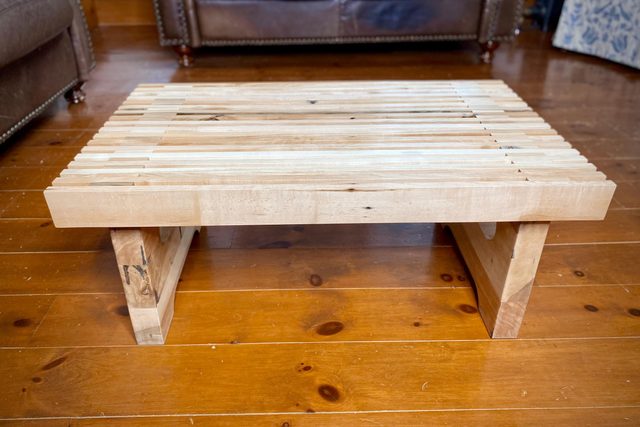
Credit: www.familyhandyman.com
Frequently Asked Questions
What Materials Are Best For Coffee And End Table Sets?
Wood is the most popular material for coffee and end table sets. It offers durability, style, and easy customization. Common choices include oak, pine, and walnut. Metal and glass can add modern touches. Choose materials based on your room’s style and maintenance preferences.
How Do I Design A Matching Coffee And End Table Set?
Start by selecting a consistent style and color palette. Use similar materials and finishes for harmony. Consider scale and proportion so tables complement each other. Adding matching hardware or decorative details unifies the set. Balance aesthetics with functionality for practical use.
What Tools Are Needed To Build These Tables?
Basic woodworking tools include a saw, drill, sander, and measuring tape. You might also need clamps, screws, and wood glue. Safety equipment like goggles and gloves is essential. Having these tools ensures precision and safety during your table-building project.
How Long Does It Take To Build Table Sets?
Building coffee and end table sets typically takes 1 to 3 days. Time varies with design complexity and skill level. Simple projects may finish in a few hours, while detailed work requires more time. Planning ahead helps streamline the process.
Conclusion
Building coffee and end table sets can be fun and rewarding. You can create pieces that match your style and space. Simple tools and clear steps make the process easier. Each table adds charm and function to your home. Enjoy crafting and personalizing your furniture.
Keep practicing to improve your skills over time. Your handmade sets will bring warmth and comfort. A great project for any skill level. Start small, stay patient, and see your ideas come alive.



