
Are you sure your roof is getting the right amount of ventilation? Proper roof ventilation is key to keeping your home comfortable, lowering energy bills, and preventing costly damage.
But how do you figure out exactly how much ventilation your roof needs? Don’t worry—it’s easier than you think. In this guide, you’ll learn simple steps to calculate roof ventilation correctly. By the end, you’ll have the confidence to improve your roof’s airflow and protect your home for years to come.
Let’s dive in!

Credit: finalcutroofing.com
Importance Of Roof Ventilation
Roof ventilation plays a critical role in maintaining the health of your home. It helps regulate temperature and moisture levels in your attic, which directly impacts your roof’s lifespan and your energy bills. Understanding why roof ventilation matters can help you make better decisions about your roof’s design and upkeep.
Reducing Heat Buildup
Without proper ventilation, heat builds up in your attic during hot weather. This extra heat transfers into your living space, making your air conditioner work harder. Have you noticed your cooling bills spike during summer? Proper ventilation helps keep your home cooler and your energy costs down.
Preventing Moisture Damage
Moisture from daily activities and weather can accumulate in your attic if ventilation is poor. Excess moisture leads to mold growth, wood rot, and can damage insulation. You might not see the damage right away, but it silently weakens your roof structure over time.
Extending Roof Lifespan
Proper airflow prevents extreme temperature swings that cause roofing materials to expand and contract. This wear and tear shortens your roof’s life. Think of ventilation as a simple step that protects your investment and delays costly repairs.
Improving Indoor Air Quality
Good roof ventilation helps reduce indoor air pollutants by removing trapped moisture and stale air. It creates a healthier environment inside your home. Have you ever felt musty smells or noticed condensation on your windows? Ventilation can help fix those issues.
Meeting Building Codes And Insurance Requirements
Many building codes require specific ventilation standards to ensure safety and durability. Insurance companies might also require adequate ventilation to cover roof-related claims. Ensuring your roof ventilation meets these standards can save you headaches and money down the line.

Credit: flatroofinginsights.com
Key Factors Affecting Ventilation
Proper roof ventilation depends on several key factors. These factors determine how much air flows in and out of your attic. Understanding these helps maintain a healthy roof and home environment. Poor ventilation can cause moisture buildup and damage. Let’s explore the main factors affecting roof ventilation.
Roof Size And Pitch
The size of your roof affects the amount of ventilation needed. Larger roofs require more vents to allow enough airflow. The pitch, or angle, of the roof also matters. Steeper roofs can let air move more easily, improving ventilation. Flat or low-pitched roofs may need extra vents to keep air flowing properly.
Climate Considerations
Local climate plays a big role in ventilation needs. Hot climates need more ventilation to reduce heat buildup. Cold climates require ventilation that prevents ice dams and moisture problems. Humid areas need good airflow to stop mold and mildew growth. Adjusting ventilation for climate helps protect your roof all year.
Insulation And Airflow
Proper insulation works hand in hand with ventilation. Good insulation keeps heat inside during winter and outside during summer. However, it must not block airflow paths in the attic. Air needs to flow freely between soffit vents and ridge vents. Balanced insulation and ventilation prevent energy loss and roof damage.
Types Of Roof Vents
Roof ventilation helps keep your home cool and dry. It removes hot air and moisture from the attic. Choosing the right type of roof vent affects how well your roof breathes. Different vents work better for different roof styles and climates.
Ridge Vents
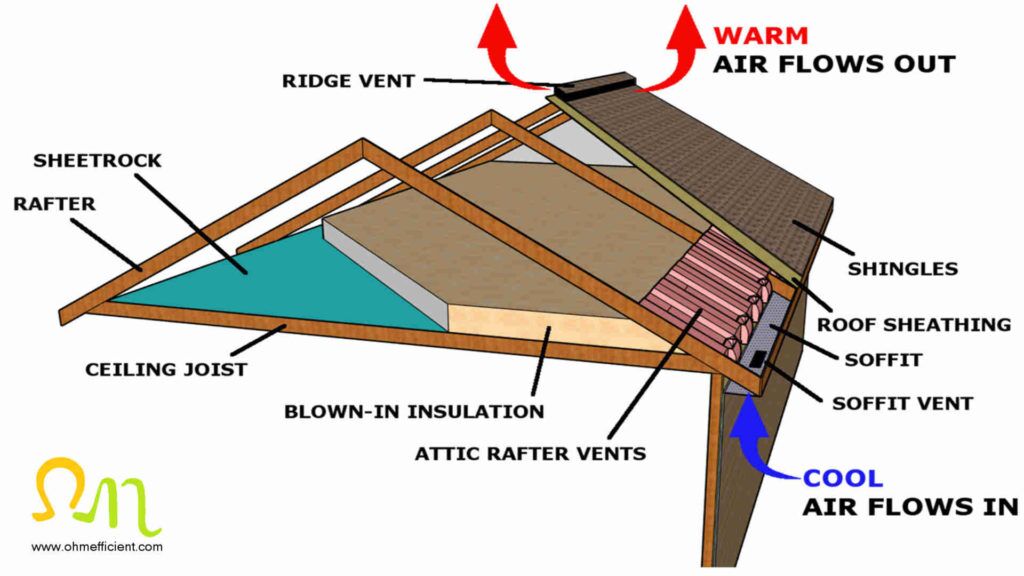
Ridge vents run along the roof’s peak. They allow hot air to escape from the attic. These vents are hidden under the roof cap for a clean look. Ridge vents work best with soffit vents for balanced airflow.
Soffit Vents
Soffit vents are placed under the eaves of the roof. They let fresh air enter the attic space. These vents help push warm air out through ridge or gable vents. Proper soffit ventilation prevents moisture buildup and wood rot.
Gable Vents
Gable vents are installed on the gable ends of the roof. They provide ventilation at the attic’s sides. Gable vents help air flow in and out but need cross ventilation for best results. They come in various shapes and sizes to match home design.
Turbine Vents
Turbine vents spin with the wind to pull air out of the attic. They do not need electricity to work. These vents are effective in windy areas. Turbine vents can add a unique look to your roof while improving ventilation.
Credit: apps.apple.com
Calculating Ventilation Needs
Calculating ventilation needs is key to keeping your roof healthy and efficient. Proper airflow prevents moisture buildup and reduces heat. It also extends your roof’s lifespan and improves energy use. Knowing how to measure and balance ventilation helps protect your home from damage.
Measure Roof Area
Start by measuring the total roof area. Measure the length and width of each roof section. Multiply length by width to get the area for that section. Add all sections together to find the total roof area. Use square feet for accuracy.
Determine Net Free Vent Area
Net Free Vent Area (NFVA) means the space where air can flow freely. Check the product labels on vents for their NFVA rating. This number shows how much air passes through the vent. Add the NFVA from all intake and exhaust vents. This total helps match ventilation to your roof size.
Calculate Intake And Exhaust Balance
Balanced intake and exhaust vents allow air to move properly. Intake vents bring fresh air in. Exhaust vents let hot air escape. Aim for equal NFVA in both intake and exhaust vents. This balance keeps airflow steady and avoids moisture buildup. Use the total roof area to guide the size of vents needed.
Step-by-step Calculation Guide
Step-by-Step Calculation Guide for Roof Ventilation involves determining the roof area and selecting the appropriate vent type. Calculate the total ventilation needed by considering the roof’s pitch and local climate. Ensure proper airflow by balancing intake and exhaust vents.
Calculating roof ventilation can seem daunting, but breaking it down into simple steps can make the process straightforward. Proper ventilation keeps your home comfortable and energy efficient. Let’s dive into a practical guide that will help you calculate your roof ventilation needs with ease.Gather Required Measurements
First, you need to measure the dimensions of your attic or roof space. Start by measuring the length and width of your attic floor in feet. Multiply these numbers to get the total square footage. For example, if your attic is 30 feet long and 20 feet wide, the total area is 600 square feet. This measurement is crucial as it determines the amount of ventilation required.Use Ventilation Formulas
Next, apply the 1:300 rule, a standard guideline for attic ventilation. It suggests that for every 300 square feet of attic space, you need 1 square foot of ventilation. Divide your attic’s total square footage by 300 to find the amount of ventilation needed. If your attic is 600 square feet, you need 2 square feet of ventilation. Consider using a balanced system where intake equals exhaust. Split the ventilation equally between intake (soffit vents) and exhaust (ridge vents).Adjust For Local Building Codes
Local building codes can influence your ventilation requirements. Check with your local authorities to ensure your calculations meet regional standards. Some areas might require more ventilation due to climate conditions. It’s essential to comply with these regulations to avoid potential issues later. By gathering accurate measurements, using the right formulas, and adhering to local codes, you’ll ensure your roof is properly ventilated. This not only prolongs the life of your roof but also enhances your home’s energy efficiency. Have you checked your attic’s ventilation lately? It’s a simple task that can save you money and trouble in the long run.Common Mistakes To Avoid
Calculating roof ventilation requires careful attention. Small errors can cause big problems later. Many homeowners and builders make common mistakes that reduce ventilation effectiveness. Avoiding these pitfalls helps protect your roof and home.
Proper ventilation prevents moisture buildup and extends roof life. Incorrect calculations lead to poor airflow and damage. Learning the frequent errors helps you get it right the first time.
Ignoring Local Building Codes And Standards
Each area has specific rules for roof ventilation. These rules ensure safe and effective airflow. Skipping local codes can cause legal and safety issues. Always check and follow your local building requirements.
Misjudging The Attic Space Size
Accurate attic measurement is key to good ventilation. Many underestimate or overestimate attic size. Incorrect size leads to wrong ventilation amounts. Measure the attic carefully before calculating ventilation needs.
Using Incorrect Ventilation Ratios
Ventilation depends on the right ratio of intake to exhaust vents. Common ratio is 1:300 or 1:150 depending on conditions. Using wrong ratios disrupts airflow and causes moisture problems. Understand the correct ratio for your roof type.
Blocking Intake Or Exhaust Vents
Obstructed vents reduce airflow and ventilation effectiveness. Insulation or debris often blocks intake vents. Exhaust vents may be covered or sealed accidentally. Keep vents clean and clear for proper air movement.
Relying On Only One Type Of Vent
Good ventilation uses both intake and exhaust vents. Some assume only one type is enough. This causes poor air circulation and heat buildup. Combine soffit vents with ridge or roof vents for balance.
Neglecting Vent Placement And Distribution
Even vent spacing matters for efficient airflow. Clustering vents in one spot limits ventilation. Place vents evenly across the attic perimeter and ridge. Balanced distribution helps air flow naturally through the space.
Tips For Optimizing Airflow
Optimizing airflow is key to effective roof ventilation. Proper airflow prevents moisture buildup and keeps your attic cool. This extends the life of your roof and improves energy efficiency. Focus on correct vent placement and keeping air paths clear.
Proper Vent Placement
Place vents evenly across the roof to balance airflow. Intake vents should be near the eaves or soffits. Exhaust vents belong near the ridge or higher points. This setup allows air to flow smoothly from bottom to top. Avoid blocking vents with insulation or roofing materials.
Maintaining Clear Air Paths
Keep the space between intake and exhaust vents open. Remove any debris, dust, or insulation that blocks airflow. Use baffles or rafter vents to guide air through the attic. Clear paths help air move freely, reducing heat and moisture buildup.
Regular Inspection And Maintenance
Check vents regularly for damage or blockages. Clean dirt, leaves, or nests that can clog vents. Repair or replace broken vents promptly. Regular upkeep ensures consistent airflow and prevents costly roof problems.
Frequently Asked Questions
What Is Roof Ventilation And Why Is It Important?
Roof ventilation allows air to flow through attic spaces. It prevents moisture buildup, reduces heat, and extends roof lifespan. Proper ventilation improves energy efficiency and prevents mold growth, making it essential for a healthy home environment.
How Do You Calculate Roof Ventilation Requirements?
Calculate roof ventilation by measuring attic square footage. Use a 1:150 or 1:300 ventilation ratio based on local codes. Divide attic area by this ratio to find required ventilation in square feet or inches.
What Types Of Vents Are Used For Roof Ventilation?
Common roof vents include ridge vents, soffit vents, gable vents, and turbine vents. Each type helps air circulate, removing heat and moisture. Combining intake and exhaust vents ensures balanced ventilation for optimal roof performance.
How Much Ventilation Does A Roof Need Per Square Foot?
Most roofs require 1 square foot of ventilation per 150 square feet of attic space. This can vary by climate and building codes. Always check local regulations for precise ventilation requirements.
Conclusion
Proper roof ventilation keeps your home safe and comfortable. Calculating it right helps prevent moisture and heat buildup. Use simple formulas and measure your roof space carefully. Good ventilation improves air flow and extends roof life. It also lowers energy costs by keeping temperatures balanced.
Take your time to check each step clearly. A well-ventilated roof means fewer problems later on. Now you have the basics to get started easily. Keep this guide handy for future roof care needs.



