
Choosing the right heating and air conditioning system for your home can feel overwhelming. You want a solution that keeps you comfortable year-round without breaking the bank.
But how do you know which system fits your needs best? This guide will help you understand what matters most when picking your heating and cooling setup. By the end, you’ll feel confident making a choice that saves money, boosts comfort, and improves your home’s air quality.
Keep reading to discover simple steps that make a big difference for your home and your peace of mind.
Types Of Heating Systems
Choosing the right heating system is important for comfort and energy savings. Different types of heating systems work in unique ways. Each system has its own benefits and costs. Understanding the main types helps make a better decision.
Furnaces
Furnaces heat air and send it through ducts in the home. They use gas, electricity, or oil to warm the air. Furnaces are common and good for quick heating. They work well in cold climates and large spaces.
Heat Pumps
Heat pumps move heat from outside to inside your home. They can also cool your home in summer. Heat pumps use electricity and are energy efficient. They work best in mild to moderate climates.
Boilers
Boilers heat water and send steam or hot water through pipes. The heat warms floors or radiators in rooms. Boilers use gas, oil, or electricity. They provide steady, even heat and work well in cold areas.
Radiant Heating
Radiant heating warms floors or walls directly. It uses hot water or electric panels under the surface. This type of heating feels very comfortable and quiet. Radiant systems work well in bathrooms and bedrooms.
Credit: www.furnaceprices.ca
Types Of Air Conditioning Systems
Choosing the right air conditioning system is key to keeping your home comfortable and energy-efficient. Different types of systems offer distinct benefits depending on your space, budget, and cooling needs. Understanding these options helps you make a smart choice that fits your lifestyle and home setup.
Central Air Conditioners
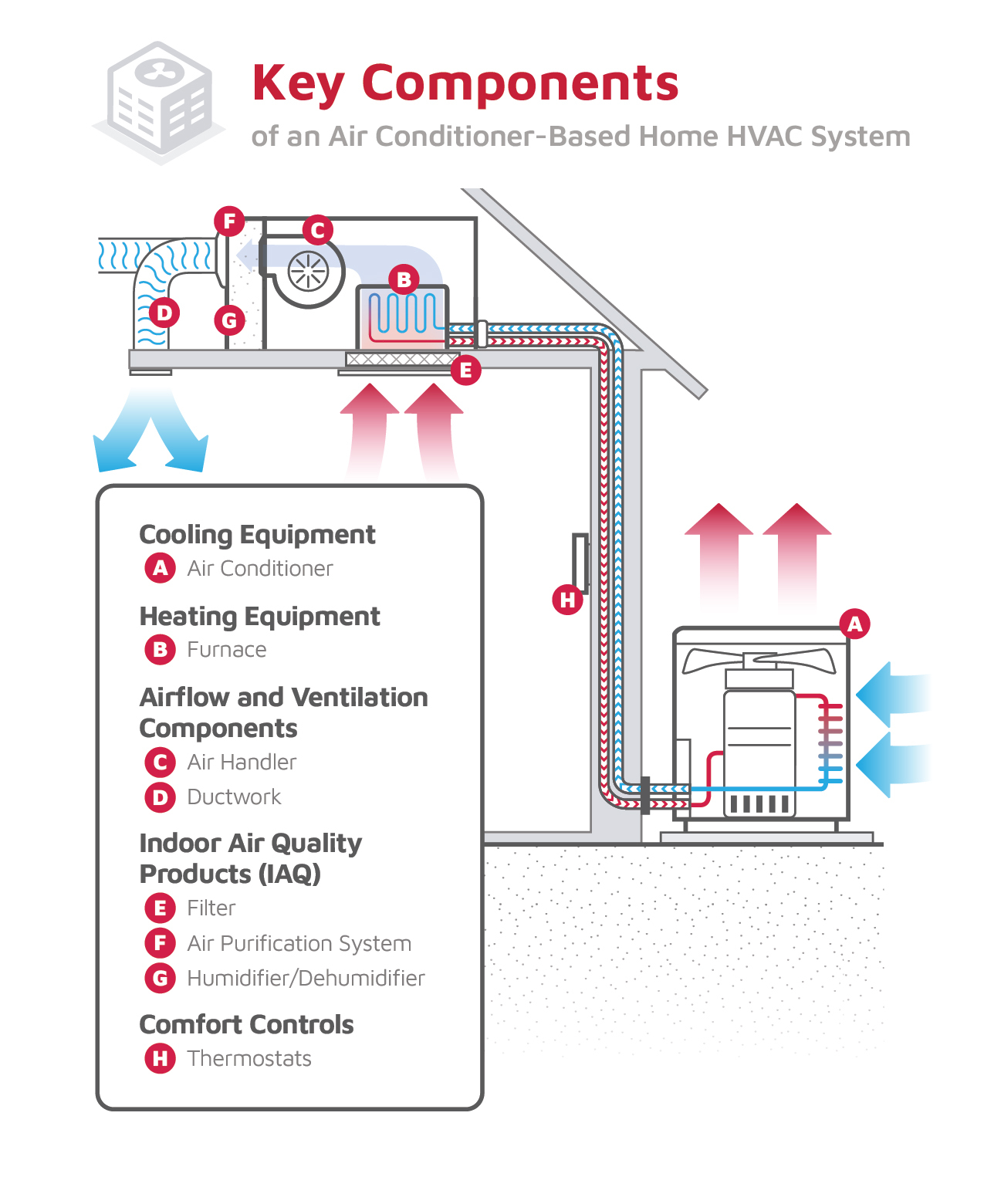
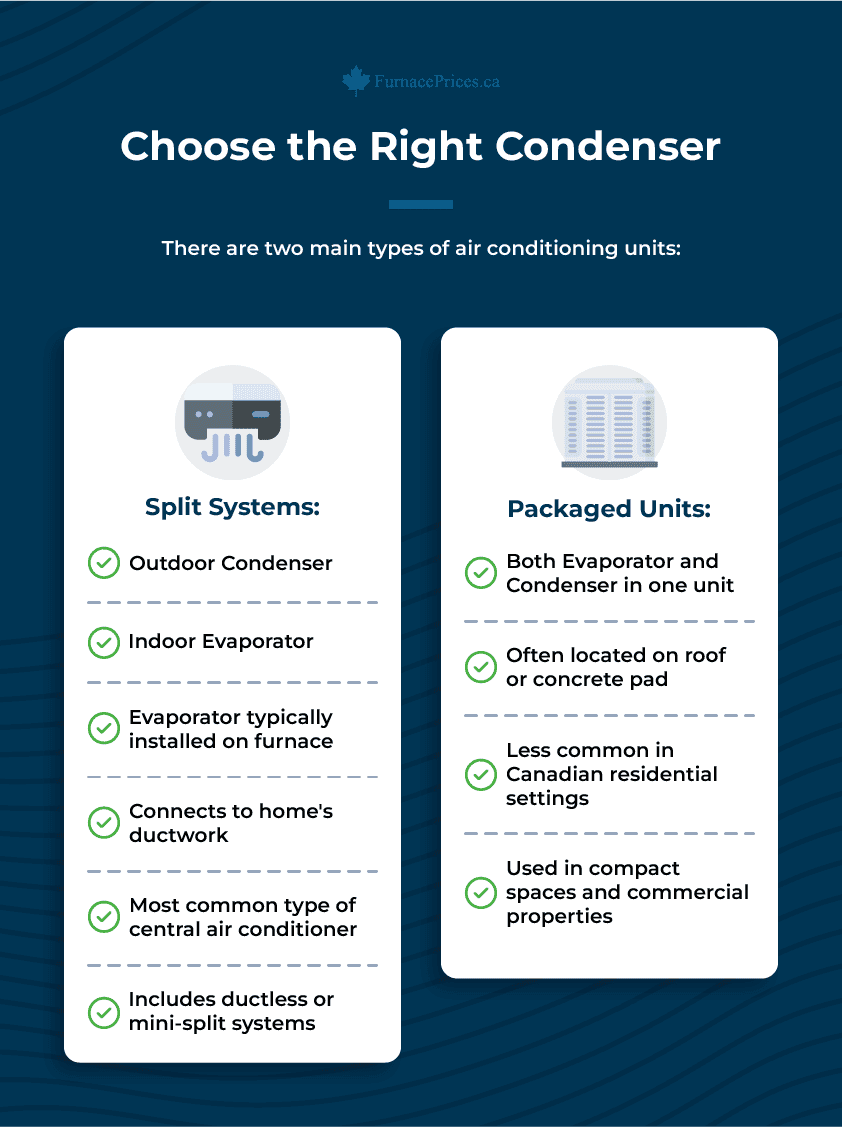
Central air conditioners cool your entire home through a system of ducts and vents. They are ideal if you have a larger house or want consistent cooling in every room. Installation can be more expensive, but the efficiency and even cooling often justify the cost.
Have you checked if your home already has ducts? That can save you money and hassle during installation.
Ductless Mini-splits
Ductless mini-splits offer cooling without the need for ductwork. Each room can have its own indoor unit, giving you control over individual temperatures. These systems are perfect if you want to add air conditioning to a room without disturbing your existing setup.
Think about whether you want to cool just a few rooms or your whole home. Mini-splits give you flexibility that central systems don’t.
Window Units
Window air conditioners are affordable and easy to install. They work best for single rooms or small spaces and can be moved between rooms if needed. However, they might block your window view and can be noisy compared to other options.
If you rent or need a quick cooling fix, a window unit might be the most practical choice for you.
Portable Air Conditioners
Portable air conditioners are freestanding units you can move around your home. They require a window vent for hot air but don’t need permanent installation. These units are great if you want temporary cooling or can’t install window units.
Consider how much space you have and whether you mind a slightly bulkier appliance in your room.
Factors To Consider
Choosing the right heating and air conditioning system is more than picking the latest model. You need to think about several key factors that will affect comfort, costs, and efficiency in your home. Understanding these factors helps you make a smarter choice that fits your unique needs.
Home Size And Layout
The size and layout of your home play a huge role in selecting the right system. A large, open floor plan requires a different setup than a small, compartmentalized space.
If your home has multiple floors, consider systems that can handle zoning. This lets you control temperatures in different areas, saving energy and improving comfort.
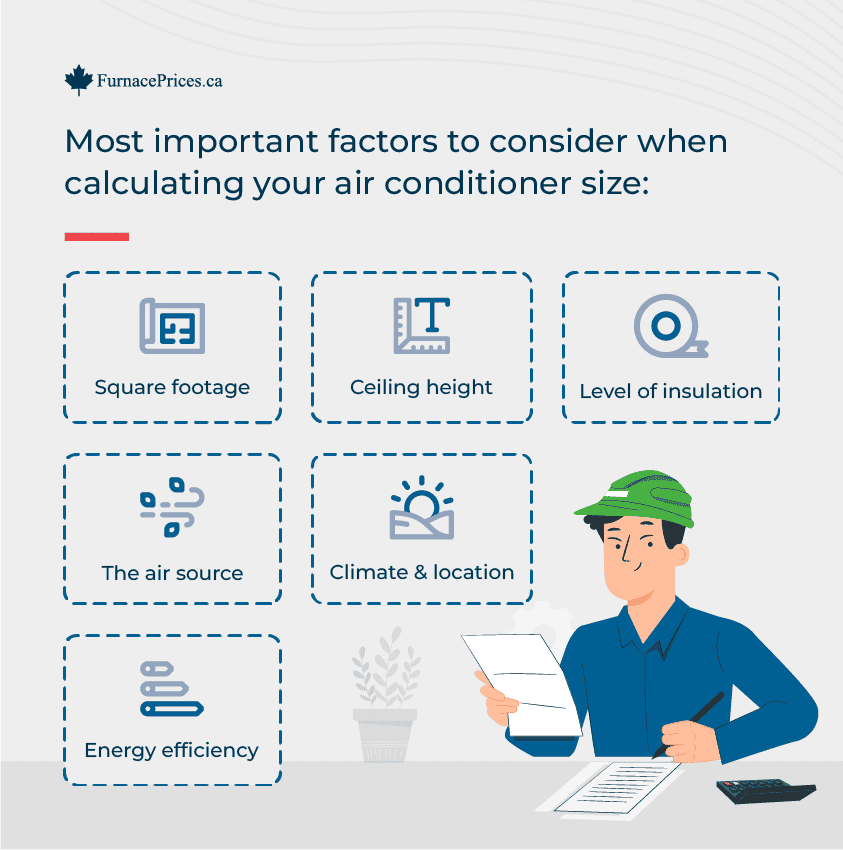
Have you measured your space or consulted with a professional to find the ideal system size? Oversized units waste energy, while undersized ones struggle to keep up.
Energy Efficiency
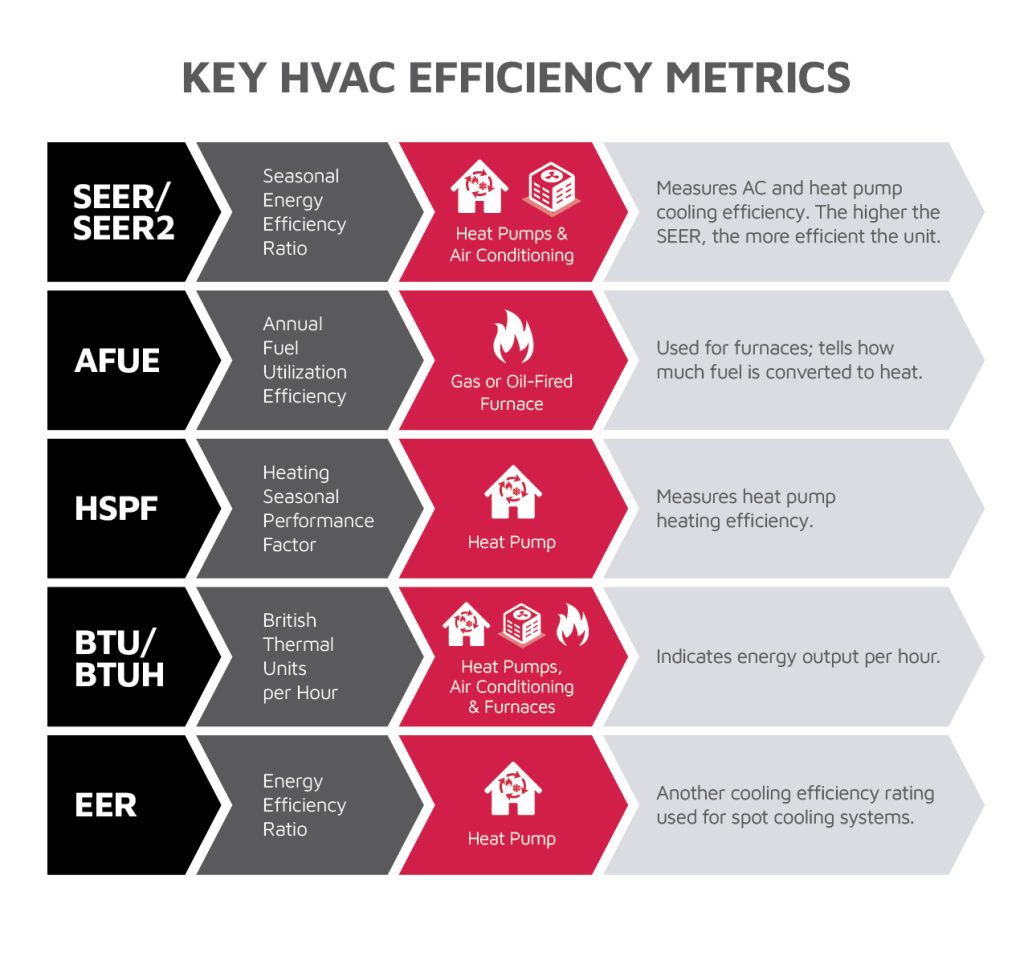
Energy efficiency impacts your utility bills and environmental footprint. Look for systems with a high SEER (Seasonal Energy Efficiency Ratio) rating for cooling and a high AFUE (Annual Fuel Utilization Efficiency) for heating.
Investing in energy-efficient models may cost more upfront but pays off over time. Think about whether a system offers programmable thermostats or smart controls to optimize usage.
Do you want to reduce your monthly costs and carbon footprint? Choosing an efficient system is a straightforward way to do both.
Climate Zone
Your local climate affects the type of system that works best. If you live in a cold area, prioritize heating capacity and features like heat pumps or furnaces designed for low temperatures.
In hotter regions, air conditioning performance and humidity control become critical. Some systems handle both heating and cooling well, which can be perfect for places with mild seasonal changes.
Have you checked how your climate influences energy consumption and system durability? Matching the system to your environment ensures reliability and comfort year-round.
Budget Constraints
Budget naturally shapes your options but don’t let it limit your choices too much. Consider not only the initial purchase price but also installation costs and long-term maintenance.
Sometimes spending a little more upfront on a quality system saves money by avoiding repairs and reducing energy use. Look for available rebates or financing plans that make better systems affordable.
What’s your total budget when including installation and future expenses? Planning ahead can prevent surprises and help you pick a system that fits your financial comfort zone.
Credit: www.lennox.com
Sizing Your System
Choosing the right size for your heating and air conditioning system is crucial for comfort and efficiency. If your system is too small, it won’t adequately cool or heat your space. If it’s too large, it will cycle on and off too frequently, wasting energy and wearing out faster.
Calculating Cooling And Heating Loads
Calculating the cooling and heating loads means figuring out how much energy your home needs to maintain a comfortable temperature.
This calculation considers factors like:
- Square footage of your home
- Number and size of windows
- Insulation quality
- Local climate conditions
- Number of occupants and heat-generating appliances
Many HVAC professionals use a Manual J load calculation to get precise numbers. You can also use online calculators, but they might not be as accurate. Have you checked whether your current system matches your home’s actual needs?
Importance Of Proper Sizing
Proper sizing affects your comfort, energy bills, and the lifespan of your system.
A system that’s too small will struggle to reach the desired temperature. It will run constantly, leading to higher utility bills and wear and tear.
On the other hand, an oversized system cools or heats your home too quickly. This causes short cycling, which can make your home feel humid or unevenly heated. Plus, it wastes energy and increases repair costs.
Think about the last time your system felt inadequate or overpowered. That experience highlights why sizing matters more than many people realize.
Energy Efficiency Ratings
Choosing the right heating and air conditioning system is crucial for comfort and savings. Energy efficiency ratings are key factors to consider. These ratings help you understand how well a system uses energy. They can save you money in the long run. Let’s explore the main ratings you should know.
Seer And Eer For Ac
SEER stands for Seasonal Energy Efficiency Ratio. It measures air conditioning efficiency over a season. A higher SEER means better efficiency. EER, or Energy Efficiency Ratio, measures efficiency at a fixed temperature. Both ratings guide your AC choice for optimal savings.
Afue For Furnaces
AFUE stands for Annual Fuel Utilization Efficiency. It indicates how well a furnace converts fuel to heat. Higher AFUE ratings mean more heat from each energy unit. This rating helps you select a furnace that uses fuel wisely.
Hspf For Heat Pumps
HSPF is the Heating Seasonal Performance Factor. It measures the efficiency of heat pumps. A higher HSPF value means more efficient heating. This rating ensures your heat pump performs well during colder months.
Credit: www.furnaceprices.ca
Installation Considerations
Proper space and ventilation must be planned before installing a heating and air system. Consider easy access for maintenance and ensure electrical and ductwork support is available.
Choosing the right heating and air conditioning system is an important decision, and proper installation plays a crucial role in its performance and longevity. A well-installed system ensures efficiency, safety, and long-term savings. However, the installation process can be complex, and there are several critical factors to consider to make sure everything goes smoothly.Choosing A Qualified Contractor
Selecting a skilled contractor is vital for the success of your installation. Look for contractors with certifications and a proven track record. Personal recommendations from friends or family can be invaluable, giving you insight into their experiences and the contractor’s reliability. Check online reviews and ratings to gauge customer satisfaction. Don’t hesitate to ask potential contractors about their experience with similar installations. A qualified contractor will gladly provide references and answer any questions you have.Installation Costs
Installation costs can vary significantly based on the complexity of the system and your home’s layout. Request detailed quotes from multiple contractors to compare prices and services offered. Consider not just the upfront cost but also the long-term energy savings a well-installed system can provide. Sometimes, paying a bit more upfront for a highly rated contractor can lead to lower energy bills and fewer repairs in the future.Permits And Regulations
Understanding local permits and regulations is essential before starting any installation. Some areas require specific permits to install heating and air conditioning systems. Check with your local building department to ensure compliance with all necessary regulations. A knowledgeable contractor should be familiar with these requirements and assist you in obtaining the necessary permits. Failing to adhere to these regulations can result in fines or the need to redo the installation, leading to unnecessary stress and expense. Always ensure that your contractor is aware of and complies with local laws. By carefully considering these installation aspects, you can avoid common pitfalls and ensure your heating and air conditioning system serves you well for years to come.Maintenance Tips
Keeping your heating and air conditioning system in top shape doesn’t have to be complicated. Proper maintenance can extend the life of your system, improve energy efficiency, and save you money on costly repairs. Let’s look at some practical tips you can use to keep your system running smoothly all year round.
Regular Filter Replacement
Changing your air filter regularly is one of the simplest ways to maintain your system. A dirty filter makes your system work harder and reduces air quality inside your home.
Check your filter every month and replace it at least every 3 months. If you have pets or allergies, consider changing it more often to keep the air clean and your system efficient.
Seasonal Inspections
Scheduling inspections before the heating or cooling season starts helps catch small issues early. A professional can check for leaks, clean coils, and ensure all parts are working well.
Even if you feel confident handling basic upkeep, an expert’s eye can spot problems that might be easy to miss. Think of it as a tune-up that prepares your system for heavy use.
Troubleshooting Common Issues
Sometimes your system might not work perfectly, but you don’t need to call a technician right away. Basic troubleshooting can save you time and money.
- Check if the thermostat is set correctly or if the batteries need replacing.
- Look for any blockages around vents or outdoor units.
- Listen for unusual noises that could indicate a mechanical problem.
Have you noticed any strange sounds or uneven temperatures in your home? Taking a moment to investigate can help you decide if a professional visit is necessary.
Cost And Warranty
Cost and warranty play a big role in choosing a heating and air conditioning system. They affect both your budget and long-term satisfaction. Understanding these factors helps you pick a system that fits your needs and protects your investment.
Upfront And Operating Costs
Upfront costs include the price of the unit and installation fees. Operating costs cover energy use and routine maintenance. Some systems cost more initially but save money on energy bills. Others have low upfront costs but higher operating expenses. Compare both to find a balance that suits your budget.
Warranty Coverage
A solid warranty protects you against defects and repairs. Check what parts and labor the warranty covers. Length of coverage varies by brand and model. Look for warranties that cover key components for at least 5 to 10 years. This reduces unexpected repair costs and adds peace of mind.
Return On Investment
Return on investment (ROI) measures how much value the system gives over time. Energy-efficient systems often have higher ROI. They lower utility bills and may increase home value. Consider systems with rebates or tax credits to improve ROI. A good system pays for itself through savings and comfort.
Smart Thermostats And Controls
Smart thermostats and controls have transformed how you manage your home’s heating and air conditioning. These devices do more than just adjust temperature—they learn your habits, optimize energy use, and offer convenience at your fingertips. Choosing the right smart control can make a big difference in comfort and savings.
Benefits Of Smart Controls
Smart thermostats help you save money by adjusting your system based on your schedule. They reduce energy waste by turning off heating or cooling when you’re away. You can control your home’s temperature from anywhere using your smartphone.
Some models also provide detailed energy usage reports. This insight helps you understand when and how your system consumes the most power. Imagine spotting a heating spike and fixing it before the bills get high.
With voice assistant compatibility, you can change settings without lifting a finger. This adds convenience and accessibility, especially if you have a busy lifestyle.
Compatibility With Systems
Not every smart thermostat works with every heating or cooling system. Before buying, check if your system supports the smart control you want. This includes traditional furnaces, heat pumps, and multi-stage systems.
Look for compatibility with your existing wiring and HVAC setup. Some thermostats require a common wire (C-wire) for power, while others have battery options. Knowing this helps avoid installation headaches.
Also, consider whether your system uses Wi-Fi or other communication protocols. Ensuring your smart thermostat integrates smoothly prevents connectivity issues. Have you checked your current system’s specs before choosing a control?
Frequently Asked Questions
What Factors Affect Heating And Air Conditioning Choice?
Factors include home size, climate, energy efficiency, budget, and system type. Proper sizing and efficiency save money and increase comfort.
How To Determine The Right Hvac System Size?
Measure your home’s square footage and insulation quality. Consult a professional for load calculations to ensure optimal system performance.
What Is The Importance Of Energy Efficiency Ratings?
Energy ratings like SEER and AFUE indicate system efficiency. Higher ratings reduce energy bills and environmental impact, improving overall savings.
How Often Should Hvac Systems Be Maintained?
Regular maintenance every 6 to 12 months ensures efficient operation. It prolongs system life and prevents costly breakdowns.
Conclusion
Choosing the right heating and air system matters a lot. It affects comfort, energy bills, and home value. Think about your home size and climate first. Check energy efficiency ratings to save money. Don’t forget to compare costs and maintenance needs.
A good system keeps your home cozy all year. Take your time and ask questions before buying. This way, you make a smart choice that lasts.



