
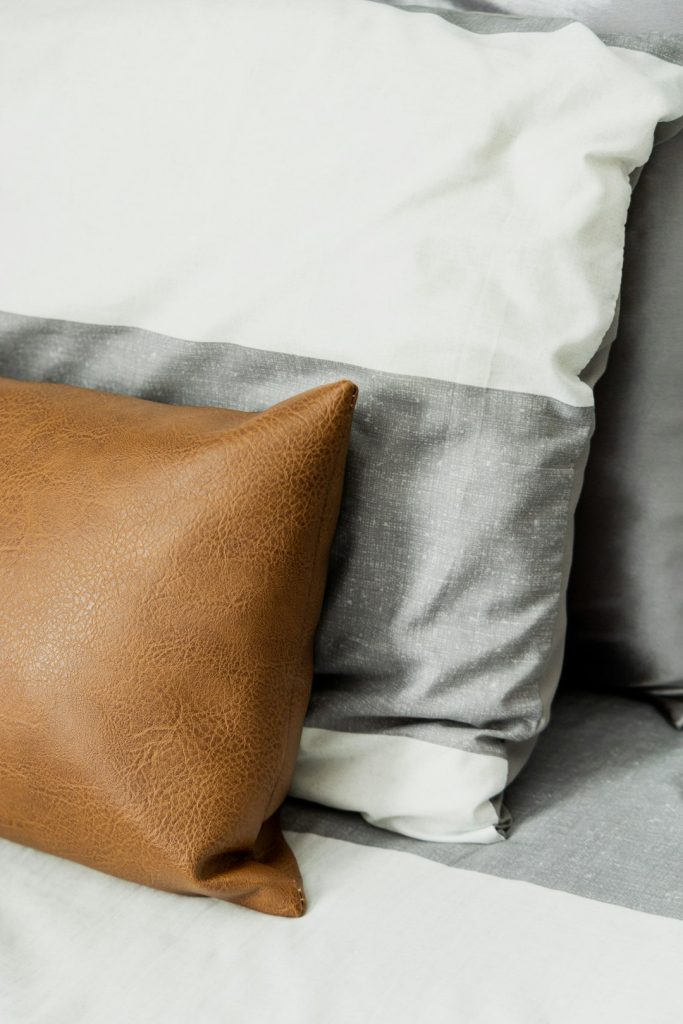
Choosing the right throw pillows for your bed can completely change the look and feel of your bedroom. You want pillows that not only add comfort but also reflect your style perfectly.
But with so many options out there, how do you pick the best ones? This guide will help you find throw pillows that suit your taste, match your bedding, and make your bed look inviting every single day. Keep reading to discover simple tips that make choosing throw pillows easy and fun.

Credit: porcheandco.com
Pick The Right Size
Choosing the right size for throw pillows on your bed can change the whole look. The right size fits the bed perfectly and makes the space feel cozy. Too big or too small pillows can look awkward or uncomfortable. Understanding pillow sizes helps create a balanced and inviting bed setup.
Standard Vs. Euro Pillows
Standard pillows usually measure 20 by 26 inches. They suit most beds and work well for sleeping and decoration. Euro pillows are larger, about 26 by 26 inches. These square pillows add height and make a bold statement. Use Euro pillows at the back for support and style.
Layering For Depth
Layer pillows from large to small for a full look. Start with Euro pillows, then add standard pillows. Finish with small decorative pillows in front. Layering adds depth and interest to the bed. It also lets you mix different textures and colors easily.
Balancing Pillow Scale
Match pillow size with bed size to keep balance. For a queen bed, use two Euro pillows and two standard pillows. King beds can handle more and bigger pillows. Avoid tiny pillows on large beds—they look lost. Keep pillow scale in harmony with the bed and room size.

Credit: swyfthome.com
Choose Comfortable Fillings
Choosing the right filling for your throw pillows can make a big difference in both comfort and style. The filling affects how the pillow feels and how well it holds its shape over time. Understanding the options helps you pick pillows that you’ll enjoy resting on and that suit your bed’s look.
Down And Feather Options
Down and feather fillings offer a soft, luxurious feel that many find irresistible. They create a plush, cloud-like support that adapts easily to your shape.
Keep in mind that down is lighter and softer than feathers, which provide a bit more firmness. You might find feather pillows a bit pokier, but they tend to hold their shape longer.
If you love a pillow that feels like a gentle hug, down or feather options might be your best bet. Just be sure to check for allergies, as some people react to natural fillings.
Synthetic Alternatives
Synthetic fillings like polyester are popular because they are affordable and hypoallergenic. These pillows usually offer a firmer feel and hold up well with regular use.
One surprising benefit is that synthetic pillows dry quickly after washing, making maintenance easier. If you want a pillow that stays fresh and supports your head without flattening fast, consider synthetics.
Think about your lifestyle — do you need something low-maintenance and budget-friendly? Synthetic fillings cover those needs well.
Memory Foam And Specialty Fills
Memory foam pillows contour to your head and neck, providing targeted support that can reduce pressure points. They are especially helpful if you have neck pain or prefer a firmer feel.
Specialty fills like latex or gel-infused foam offer added benefits such as cooling effects or extra bounce. These materials often last longer and resist flattening better than traditional fills.
Have you tried sleeping on a memory foam pillow? Many find it changes how they rest at night, improving comfort dramatically. If you want a pillow that adapts uniquely to you, specialty fills are worth exploring.
Select Fabric And Texture
Choose fabrics that feel soft and match your room’s style. Mixing textures like cotton and velvet adds depth and comfort to your bed.
Selecting the right fabric and texture for your throw pillows can transform your bed into a cozy retreat. The tactile experience of different materials can influence the overall atmosphere of your bedroom. Let’s dive into how you can make the perfect choice for your pillows.Soft Vs. Durable Materials
When choosing pillow fabrics, consider whether you prioritize softness or durability. Velvet offers a sumptuous feel perfect for adding luxury but may not withstand frequent washing. Meanwhile, cotton or linen provides a balance of comfort and longevity, making them ideal for everyday use. Think about how often you’ll need to clean your pillows. If you have kids or pets, opt for materials that can endure wear and tear. Durable fabrics like canvas or twill can be a great choice, offering resilience while maintaining style.Mixing Textures
Mixing textures can bring depth and interest to your bed. Combining smooth silk with a chunky knit can create a dynamic look. Try pairing a plush velvet with a crisp linen for an unexpected but delightful contrast. Consider the overall theme of your room. If your decor is minimalistic, a mix of textures can add richness without overwhelming the space. On the other hand, if your room is already vibrant, subtle texture variations can maintain harmony.Seasonal Fabric Choices
Your choice of pillow fabric can also reflect the changing seasons. In winter, embrace warmth with heavier materials like wool or faux fur. These not only provide comfort but also add a cozy aesthetic to your bedroom. For summer, switch to lighter fabrics like cotton or linen to keep things cool and breezy. This change can refresh your space and make it feel like a new room every season. Are you ready to transform your bed with the perfect fabric and texture?Match Colors And Patterns
Choosing throw pillows that match colors and patterns can transform your bed from plain to perfectly styled. The right combination brings harmony and personality to your bedroom. Think about how colors and patterns interact—do they blend smoothly or create a striking focal point? Your choices can set a mood or add energy, so it’s worth experimenting.
Coordinating With Bedding
Start by looking closely at your bedding’s colors and patterns. Aim to pick pillow colors that appear in your sheets, duvet, or comforter. This creates a seamless look that feels intentional and calm.
If your bedding is patterned, select pillows in solid colors pulled from the design. For example, if your duvet has navy and cream florals, navy or cream pillows will tie the look together without overwhelming it.
On the other hand, if your bedding is solid-colored, you have more freedom to introduce patterned pillows. This way, the throw pillows become accents that add interest and depth.
Using Bold Prints
Bold prints can energize your bed’s appearance, but they need balance. Choose one or two pillows with striking patterns to avoid visual chaos.
A great trick is to combine bold prints with simpler textures or colors. For instance, pair a large geometric print with a neutral velvet pillow. This contrast keeps things from feeling cluttered.
Ask yourself: do you want your pillows to be the star or a subtle touch? Bold prints work best when they are the highlight, so keep other elements toned down.
Creating Color Contrast
Contrast adds excitement and draws the eye. Try choosing pillows in colors opposite your bedding on the color wheel—like blue pillows on orange bedding.
This approach can brighten the room and make your bed stand out. However, keep the number of contrasting pillows small to avoid clashing.
For a softer contrast, go for lighter or darker shades of the same color family. For example, pale pink pillows on deep red bedding add depth without harshness.
Arrange For Style And Function
Arranging throw pillows on your bed is more than just placing cushions randomly. It’s about balancing style with function to create a look that feels both inviting and practical. The way you arrange your pillows can transform your sleeping space into a cozy retreat or a chic statement.
Symmetrical Vs. Asymmetrical Layouts
Decide if you want a balanced or a more dynamic look. Symmetrical layouts use pairs of pillows on each side, creating a neat and classic appearance. This works well if you prefer order and a calm vibe in your bedroom.
Asymmetrical layouts mix different shapes and sizes without mirroring each side. This style adds personality and a casual charm. Think about your daily routine—do you want your bed to feel like a gallery or a relaxed lounge?
Layering For Comfort
Layering pillows isn’t just for looks—it adds real comfort. Start with larger pillows at the back for support, then add medium and smaller sizes in front. This setup lets you prop yourself up easily for reading or watching TV.
Try mixing textures like smooth cotton with soft velvet to make your bed feel inviting. Don’t forget that some pillows are better for leaning on, while others are purely decorative. Which pillows do you use most often?
Adjusting For Different Bed Sizes
Your bed size shapes your pillow arrangement. For a twin bed, fewer pillows keep the space open and uncluttered. Queen and king beds offer more room to play with layers and shapes, but avoid overcrowding.
Measure your bed and choose pillow sizes that complement its width. Oversized pillows can overwhelm a smaller bed, while tiny pillows might look lost on a king size. How can you balance your pillow choices to fit your bed perfectly?

Credit: www.cloudote.com
Maintain And Refresh Pillows
Maintaining and refreshing throw pillows keeps your bed looking fresh and inviting. Clean, fluffed pillows add comfort and style. Regular care extends their life and keeps them soft.
Cleaning Tips
Check the pillow label for cleaning instructions. Most covers can be machine washed on a gentle cycle. Use mild detergent to avoid damage. Air dry covers to prevent shrinking. Spot clean stains quickly with a damp cloth and mild soap. Pillow inserts may need hand washing or dry cleaning depending on the material.
Fluffing And Rotating
Fluff pillows daily to keep their shape. Give each pillow a good shake to redistribute the filling. Rotate pillows regularly to prevent uneven wear. This helps maintain a full, plush look. Fluffing also keeps pillows comfortable and supportive for sleeping or lounging.
Replacing When Needed
Pillows lose support over time. Replace pillows every 1 to 2 years for hygiene and comfort. Look for signs like lumps, flat spots, or bad odors. New pillows improve sleep quality and refresh your bedroom style. Regular replacement keeps your bed cozy and inviting.
Frequently Asked Questions
What Size Throw Pillows Work Best For A Bed?
Choose throw pillows that complement your bed size. For queen beds, 18-20 inch pillows work well. Larger beds like king size suit 20-24 inch pillows. Proper sizing ensures balance and enhances bedroom aesthetics.
How To Pick Throw Pillow Colors For Bed?
Select throw pillow colors that match your bedroom palette. Use contrasting or complementary hues to add depth. Neutral colors create calm, while bold shades bring energy. This approach enhances your bed’s visual appeal effectively.
Which Fabrics Are Ideal For Bed Throw Pillows?
Opt for soft, durable fabrics like cotton, linen, or velvet. These materials provide comfort and add texture. Choose fabrics that suit your bedroom climate for lasting freshness and style.
How Many Throw Pillows Should I Use On A Bed?
Use 3 to 5 pillows for a balanced look. Start with larger pillows at the back, then smaller in front. This layering adds dimension and invites comfort without overcrowding.
Conclusion
Choosing the right throw pillows can change your bedroom’s look. Think about colors that match your bedding and room style. Pick sizes that fit your bed and feel comfortable. Don’t forget to mix textures for a cozy touch. Simple steps make your space inviting and fresh.
Enjoy creating a bedroom that feels just right for you. Throw pillows bring style and comfort in one easy step.



