
Your floor rug adds warmth and style to any room, but keeping it clean can feel like a tough task. You might worry about damaging the fibers or not knowing where to start.
What if cleaning your rug was easier than you think? In this guide, you’ll discover simple, effective steps to refresh your floor rug without stress. By the end, your rug will look fresh, smell great, and feel like new—making your space more inviting instantly.
Ready to transform your rug and your home? Let’s dive in!
Credit: ecocraveworld.com
Choosing The Right Cleaning Method
Choosing the right cleaning method for your floor rug is essential to keep it looking fresh without causing damage. Rugs come in many varieties, and each type reacts differently to cleaning products and techniques. Understanding these differences helps you avoid costly mistakes and extend the life of your rug.
Types Of Floor Rugs
Rugs vary widely, from plush shag to flatweave, each requiring a unique approach. Shag rugs, for example, trap more dirt deep within their fibers, so they often need a gentler, more thorough cleaning process. Flatweave rugs are easier to clean because dirt doesn’t settle as deeply.
Consider the rug’s use and location in your home. High-traffic areas demand more frequent and sometimes more intense cleaning. Knowing your rug type helps you decide if spot cleaning, vacuuming, or professional cleaning is best.
Materials And Cleaning Compatibility
The material of your rug dictates what cleaning methods are safe to use. Wool rugs generally tolerate gentle washing and mild detergents, while silk rugs require delicate care to avoid damage. Synthetic fibers like nylon and polyester often handle water-based cleaning better, but check labels to confirm.
Test any cleaner on a small, hidden part of the rug first. This simple step can save you from discoloration or fiber weakening. Have you ever ruined a favorite rug by using the wrong cleaner? Taking this precaution stops that from happening again.
Remember, some rugs can’t be soaked or steam cleaned without risk. Dry cleaning or specialized treatments might be necessary for certain materials. Understanding your rug’s fiber content and care instructions will guide you to the safest cleaning method.
Credit: rugexposd.com
Preparing The Rug For Cleaning
Preparing a floor rug for cleaning is a key step. This stage helps avoid damage and ensures a better clean. The rug needs proper care before applying any cleaning solution. Taking time to prepare makes the cleaning more effective and safer.
Removing Loose Dirt And Debris
Start by taking the rug outside. Shake it well to remove dust and loose dirt. Use a vacuum cleaner on both sides to pick up small debris. Pay attention to corners and edges where dirt gathers. This step prevents dirt from spreading during cleaning. A clean surface allows cleaning products to work better.
Spot Testing Cleaning Solutions
Choose a small, hidden area on the rug. Apply a small amount of your cleaning solution there. Wait a few minutes and check for color changes or damage. This test stops stains or fabric harm before full cleaning. Always use gentle solutions first. Spot testing keeps your rug safe and looking good.
Basic Cleaning Techniques
Cleaning a floor rug keeps it fresh and extends its life. Basic cleaning techniques help remove dirt, dust, and stains safely. These simple methods suit most rugs and require minimal tools. Regular care stops dirt from settling deep into fibers. Follow easy steps to maintain your rug’s look and feel.
Vacuuming Tips
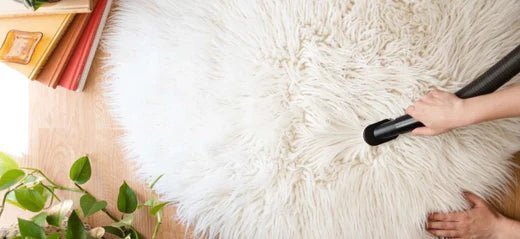
Vacuum your rug regularly to remove loose dirt and dust. Use a vacuum cleaner with a brush attachment for better results. Move the vacuum in the direction of the rug’s fibers. Avoid using a high suction setting on delicate rugs. Flip the rug and vacuum the back side too. Shake the rug outside to remove stubborn dust.
Shampooing And Hand Washing
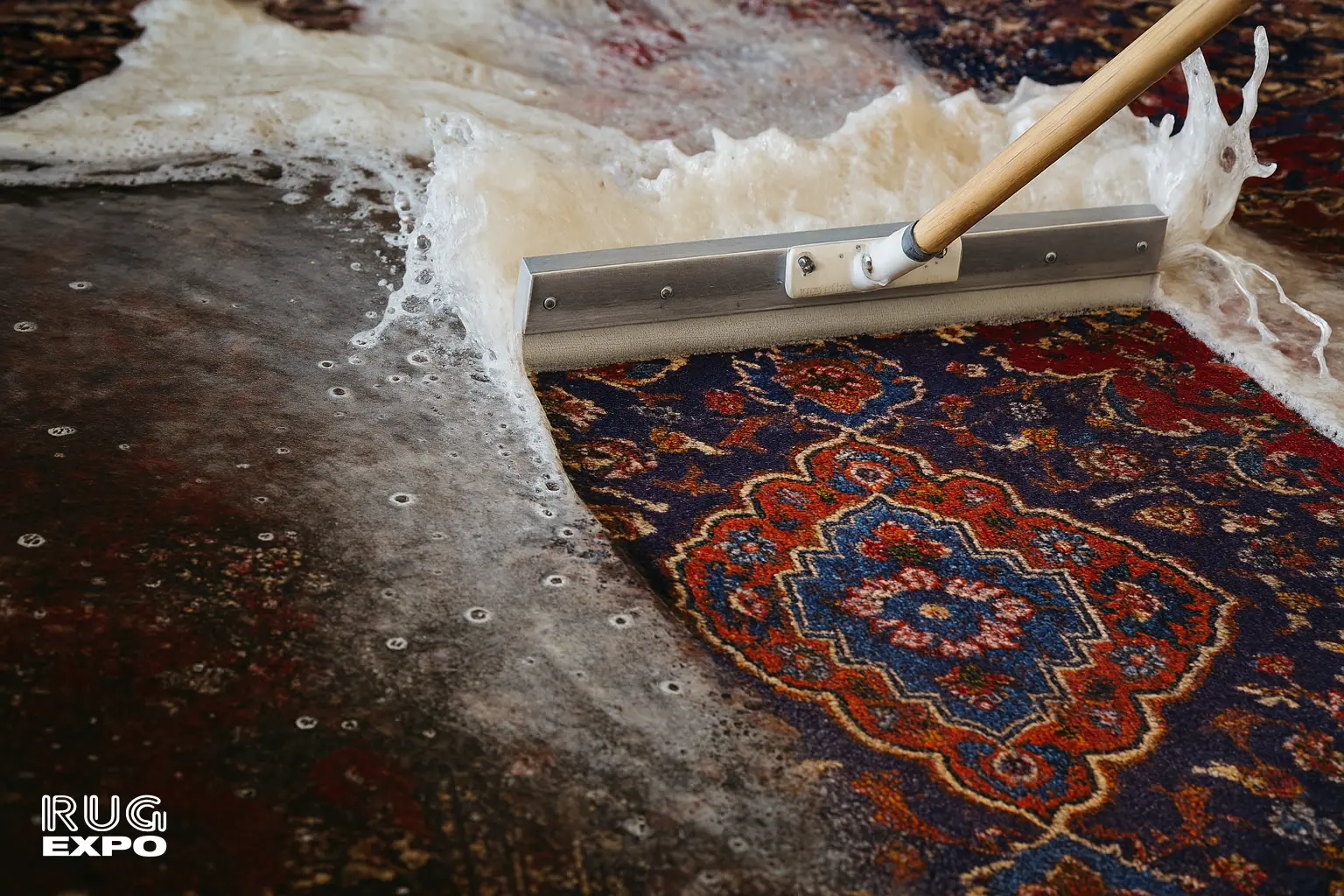
Spot clean stains with a mild detergent mixed in water. Test the solution on a small rug corner first. Use a soft brush or cloth to gently scrub the stained area. Rinse with clean water and blot with a dry towel. For hand washing, soak the rug in cool water with mild soap. Gently scrub and rinse well to remove soap. Hang the rug flat to air dry away from direct sunlight.

Credit: www.youtube.com
Removing Stains Effectively
Tackle stains on a floor rug by blotting spills quickly with a clean cloth. Use mild soap and water to gently scrub stubborn spots without damaging fibers. Rinse and dry thoroughly to keep your rug fresh and clean.
Removing stains from a floor rug can seem challenging. But with the right approach, it becomes manageable. Tackling stains promptly makes a significant difference. Whether the culprit is a spilled drink or muddy footprints, addressing it effectively ensures your rug stays vibrant and clean.Common Stains And Treatments
Different stains require different treatments. Knowing the source of the stain helps in choosing the right remedy.- Food and Drink Spills:Blot the stain immediately with a clean cloth. Use a mild detergent mixed with water to clean the area.
- Mud:Allow mud to dry completely. Vacuum the dried mud, then use a mixture of water and vinegar to wipe away any residue.
- Pet Stains:Blot with paper towels. Use a mixture of baking soda and water to neutralize odors and clean the spot.
Natural Vs Commercial Cleaners
Choosing between natural and commercial cleaners depends on your preference and the stain type. Natural cleaners, like vinegar and baking soda, are safe and eco-friendly. They work well for most everyday stains. Plus, they are gentle on the rug fibers. Commercial cleaners are effective for stubborn or set-in stains. They often contain stronger chemicals. Always test them on a small area first to ensure they don’t damage the rug. Both options have their benefits. Your choice will depend on the stain’s severity and your personal preference.Drying And Maintaining The Rug
Drying and maintaining your floor rug is just as important as cleaning it. If you skip proper drying, your rug can develop mold or unpleasant odors. Maintaining it regularly keeps the colors vibrant and the fibers strong, extending the rug’s life.
Proper Drying Methods
After cleaning, avoid placing your rug under direct sunlight for extended periods. Too much sun can fade the colors and weaken the fibers.
Instead, hang your rug in a shaded, well-ventilated area. This allows air to circulate and helps the rug dry evenly without damage.
If hanging isn’t possible, lay the rug flat on a clean surface, flipping it occasionally to dry both sides. Using fans can speed up the drying process, but avoid heat sources like radiators.
Regular Maintenance Tips
- Vacuum Often:Vacuum your rug at least once a week to prevent dirt buildup. Be gentle to avoid pulling on the fibers.
- Rotate Regularly:Rotate your rug every few months to ensure even wear and prevent fading in high-traffic areas.
- Spot Clean Quickly:Address spills immediately with a clean cloth and mild detergent to avoid stains setting in.
- Use Rug Pads:Place a rug pad underneath to reduce slipping and cushion the rug, which helps maintain its shape.
- Professional Cleaning:Consider professional cleaning annually, especially for high-quality or delicate rugs.
Have you ever noticed a rug that looks tired or worn out despite regular vacuuming? The secret often lies in these simple maintenance habits. How might your rug’s life improve if you added just one of these tips to your routine?
When To Seek Professional Help
Knowing when to call a professional for rug cleaning is important. Some problems need expert care to avoid damage. Professionals have tools and experience that can save your rug.
Attempting tough cleaning yourself might worsen the damage. Also, some rugs require special treatment. Recognizing these signs helps keep your rug safe and beautiful.
Signs Of Deep Damage
- Persistent stains that don’t come out with normal cleaning
- Faded colors or discoloration
- Fraying or unraveling edges
- Strong, unpleasant odors
- Visible mold or mildew spots
- Excessive dirt embedded deep in fibers
- Rug fibers feeling brittle or fragile
Such signs mean the rug needs more than just a simple wash. Experts can handle delicate materials and tough stains safely.
Choosing A Rug Cleaning Service
- Check for companies specializing in your rug type
- Look for certified and insured cleaners
- Read customer reviews and testimonials
- Ask about cleaning methods used
- Compare prices but avoid the cheapest option
- Ensure they offer a satisfaction guarantee
Choosing the right service protects your investment. Professionals can restore your rug’s beauty and extend its life.
Frequently Asked Questions
How Often Should I Clean My Floor Rug?
Clean your floor rug every 6 to 12 months. High-traffic areas may need more frequent cleaning. Regular maintenance extends the rug’s life and keeps it fresh.
What Is The Best Method To Clean A Floor Rug?
Vacuum regularly to remove dust and dirt. For stains, use mild detergent and water. Always test cleaning products on a small area first to avoid damage.
Can I Wash My Floor Rug In A Washing Machine?
Only small, machine-washable rugs can be cleaned this way. Check the care label before washing. Large or delicate rugs require professional cleaning to avoid damage.
How Do I Remove Tough Stains From A Floor Rug?
Blot stains immediately with a clean cloth. Use a mixture of mild detergent and water. Avoid rubbing, which can spread stains or damage fibers.
Conclusion
Cleaning your floor rug keeps it fresh and lasts longer. Regular care stops dirt and stains from building up. Use gentle cleaners and avoid harsh chemicals to protect fibers. Dry the rug well to prevent mold and smells. Small efforts make a big difference in rug care.
Enjoy a clean, cozy space with simple cleaning steps. Your rug will look nice and feel soft every day. Easy to do and worth the time.



