
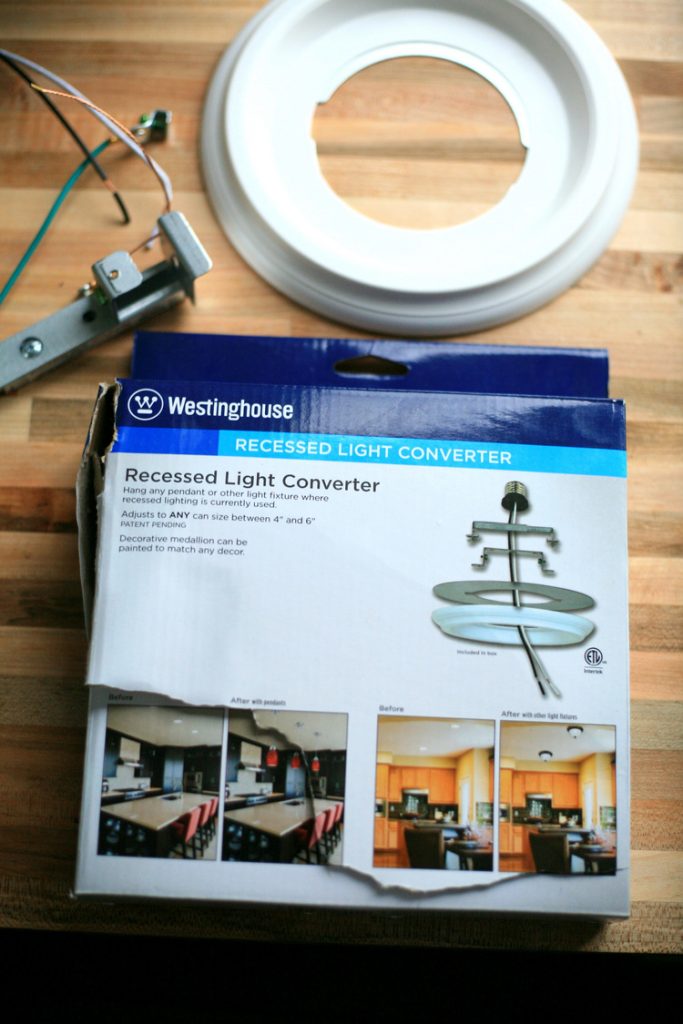
Are you tired of the plain look that recessed lighting brings to your room? Imagine transforming your space with stylish pendant lights that add personality and warmth.
Switching from recessed lighting to pendant lighting isn’t as hard as you might think—and it can completely change the vibe of your home. In this guide, you’ll discover simple, step-by-step tips to make this upgrade safely and beautifully. Ready to give your space a fresh, modern look?
Keep reading and learn exactly how to convert your recessed lights to pendant lights with confidence.
Tools And Materials Needed
Switching from recessed lighting to pendant fixtures can dramatically change the look of your space. To make this change smoothly, you need the right tools and materials ready. Having everything on hand before you start saves time and avoids frustration.
Basic Tools
Start with a reliable set of screwdrivers—both flathead and Phillips—to handle various screws. A voltage tester is crucial to ensure the power is off before you touch any wiring. Wire strippers help you remove insulation cleanly, preventing damage to wires.
Other essentials include a drill with bits for mounting the new fixture and a ladder sturdy enough to reach your ceiling comfortably. Don’t forget a tape measure to position your pendant light accurately.
Lighting Fixtures
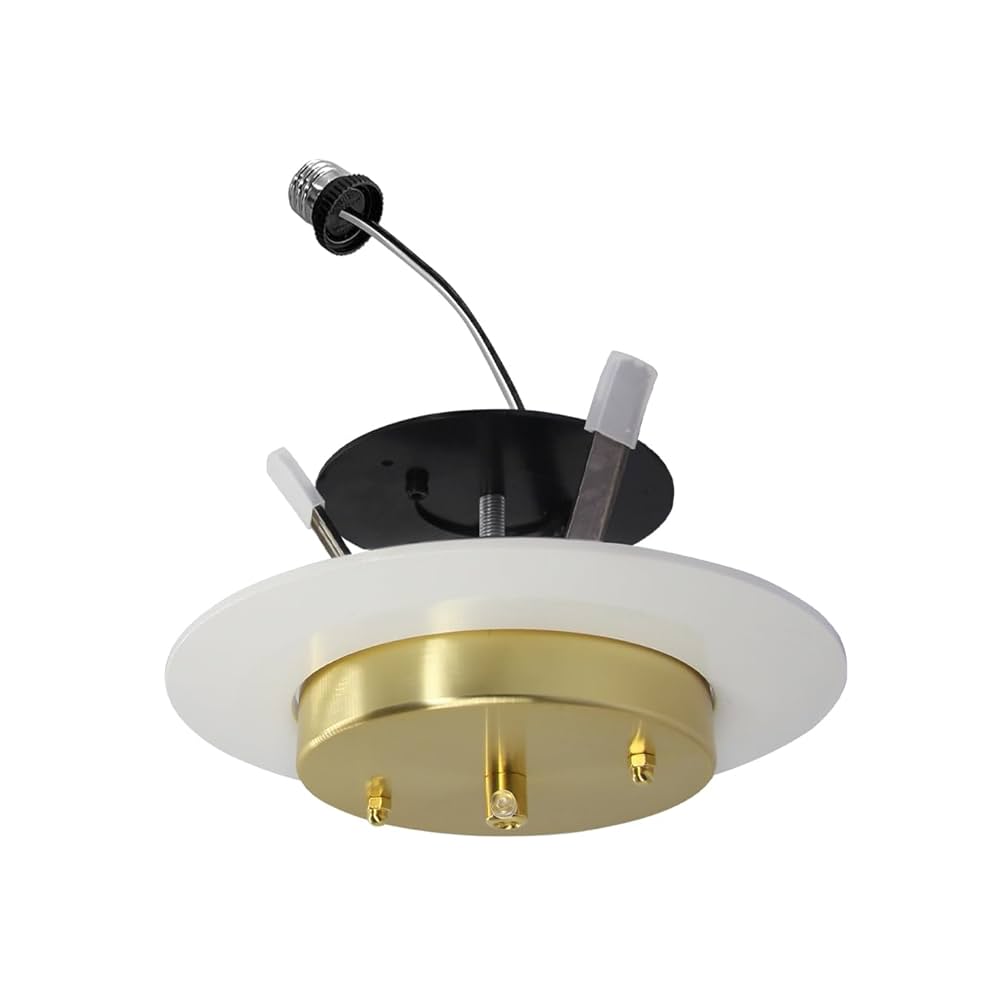
Choose pendant lights that fit your room’s style and size. Make sure the fixture comes with compatible mounting hardware and a canopy that covers the existing ceiling hole. Check the wattage limits to avoid overloading your electrical circuit.
Consider the length of the pendant cord or chain—some need adjusting to hang at the perfect height for your space. Selecting energy-efficient bulbs can keep your new lighting eco-friendly and budget-friendly.
Safety Gear
Protecting yourself is non-negotiable. Safety glasses shield your eyes from dust and debris during installation. Insulated gloves reduce the risk of electrical shock when handling wires.
Wear a dust mask if you’re cutting into drywall or ceiling material. And never underestimate the value of proper footwear—non-slip shoes keep you stable on ladders or uneven surfaces.
Credit: www.amazon.ca
Preparing The Workspace
Preparing your workspace is a crucial part of converting recessed lighting to pendant fixtures. A well-organized and safe environment makes the entire process smoother and less stressful. Taking the time to get everything ready sets you up for success and helps avoid unnecessary mistakes or accidents.
Turn Off Power
Safety should be your top priority before starting any electrical project. Locate your home’s circuit breaker and switch off the power to the room you’ll be working in. Double-check by flipping the light switch to ensure the recessed light no longer turns on—this simple step can save you from serious injury.
Clear The Area
Remove furniture, decorations, and any items that might get in your way or be damaged during the installation. A clear space means you can move freely and focus on your work without distractions. Lay down a drop cloth or old sheet to catch dust and debris—clean-up will be much easier afterward.
Gather Supplies
Having all your tools and materials within reach saves time and frustration. You’ll need a ladder, screwdriver, wire strippers, voltage tester, wire nuts, electrical tape, and the new pendant light kit. Don’t forget safety gear like gloves and goggles—protecting yourself is just as important as the job itself.
Removing Recessed Lights
Removing recessed lights is the first step to install pendant lighting. This process involves careful handling of the fixture parts and wiring. Follow these steps to safely remove the recessed lights from your ceiling.
Detach Trim And Bulb
Start by removing the trim that surrounds the bulb. The trim usually snaps or twists off. Next, take out the bulb gently. Set the trim and bulb aside for reuse or disposal.
Disconnect Wiring
Turn off the power at the circuit breaker before touching wires. Use a voltage tester to confirm no power flows. Then, disconnect the wires connecting the recessed light to your home’s wiring. Unscrew wire nuts and separate the wires carefully.
Remove Housing
The housing is the metal can inside the ceiling. It holds the bulb and trim. Release the housing by loosening screws or clips. Pull it down slowly through the ceiling hole. Keep the housing if you plan to reuse parts or recycle it properly.
Installing Pendant Fixtures
Installing pendant fixtures is a key step in transforming your recessed lighting into a stylish and functional feature. This process requires careful attention to safety and detail, but it can be done with basic tools and a bit of patience. Getting each part right ensures your new pendant not only looks great but works perfectly.
Mounting The Bracket
First, you need to mount the bracket that will support your pendant fixture. Locate the existing electrical box where the recessed light was installed. Use a screwdriver to attach the mounting bracket securely to the box.
Make sure the bracket fits snugly and is level. A loose or crooked bracket will cause problems when you hang the pendant. If your fixture comes with specific instructions, follow those closely for the best fit.
Connecting Wires
Next, it’s time to connect the wires from your pendant to the house wiring. Turn off the power at the circuit breaker before touching any wires. Identify the black (hot), white (neutral), and green or copper (ground) wires on both the fixture and in your ceiling.
Twist the matching wires together using wire connectors. Double-check the connections by gently tugging on each wire to ensure they are secure. If you’re unsure about wire colors or connections, consulting an electrician can save you headaches later.
Securing The Pendant
After wiring, you can secure the pendant to the mounting bracket. Usually, this involves aligning the fixture’s base with the bracket and tightening screws to hold it firmly in place. Take your time here—an unstable pendant can be dangerous and annoying.
Adjust the pendant’s height if your fixture allows it. This step is a great chance to customize your lighting to fit your room’s style and function. Have you thought about how pendant height affects the room’s ambiance?
Adjusting Pendant Height
Adjusting the height of your pendant light is crucial for both style and function. The right drop length creates the perfect balance of illumination and visual appeal. It ensures the pendant complements your space without interfering with daily activities.
Measuring Drop Length
Start by measuring the distance from the ceiling to the surface below. This surface could be a table, countertop, or floor. Most pendant lights hang between 28 to 36 inches above a surface. Use a tape measure to find the ideal length that fits your room’s needs.
Shortening Or Lengthening Cord
Adjust the cord by either pulling it up into the ceiling canopy or letting it out. To shorten, gently pull the excess wire into the canopy and secure it. To lengthen, carefully release some wire while ensuring it stays connected safely. Always turn off power before making adjustments.
Final Positioning
After setting the height, check how the pendant looks and functions. Make sure it does not hang too low or block views. Stand back and adjust if necessary. The pendant should provide good light and fit well in the room’s design.
Testing And Finishing Touches
Ensure all connections are secure and test the pendant light for proper function. Adjust height and position for the best look and even lighting. Finish by cleaning any dust or fingerprints to keep it neat.
Converting recessed lighting to pendant lights can dramatically change the ambiance of your space. Once you’ve installed your new pendant lights, it’s crucial to focus on testing and adding those final touches. This stage ensures your lighting functions perfectly and enhances your room’s aesthetic.Restore Power
Turn the power back on at the circuit breaker. Make sure to stand back and observe the pendant lights as they illuminate. If nothing happens, double-check your connections to ensure everything is secure.Check Functionality
Switch the lights on and off a couple of times. Are they responding as expected? If not, consider troubleshooting any loose wires or faulty components.Clean And Style
Once satisfied with the functionality, gently clean the pendant lights. Use a soft cloth to remove any dust or fingerprints. Styling tip: Add decorative bulbs or a unique bulb shape to create an eye-catching focal point. Have you ever noticed how a simple lighting change can transform a room’s vibe? Consider arranging furniture or other decor items to complement your new lighting feature. Your space should feel cohesive and welcoming.Troubleshooting Common Issues
Converting recessed lighting to pendant fixtures can bring style and function to any room. During this process, some common issues may arise. Knowing how to troubleshoot these problems helps keep your project on track. Addressing these issues quickly ensures safe and reliable lighting.
Light Flickering
Flickering lights often indicate a loose connection or incompatible bulbs. Check the bulb type and wattage first. Use bulbs recommended for pendant fixtures. Turn off power before inspecting the fixture and wiring.
- Ensure bulbs are securely screwed in.
- Replace dimmer switches if incompatible.
- Test with a different bulb to isolate the problem.
Loose Fixtures
Loose pendant fixtures can swing or tilt. This happens if mounting hardware is not tight or the ceiling box is weak. Tighten all screws and bolts firmly. Use a mounting bracket designed for pendant lights. Confirm the ceiling box supports the fixture’s weight.
- Tighten the fixture’s mounting screws carefully.
- Replace old or damaged ceiling boxes.
- Use additional support if the fixture is heavy.
Wiring Problems
Wiring errors can cause lights not to work or create safety risks. Inspect all wire connections carefully. Match wire colors: black to black, white to white, ground to ground. Use wire nuts to secure connections. Turn off the breaker before working with wiring.
- Check for damaged or frayed wires.
- Confirm wires are connected firmly.
- Use a voltage tester to verify power flow.

Credit: www.xhlux.com
Safety Tips And Best Practices
Converting recessed lighting to pendant fixtures can transform the look of your space. However, safety should be your top priority throughout the process. Paying attention to key safety tips and best practices will protect you and ensure your project turns out great.
Working With Electricity
Always turn off the power at the circuit breaker before you touch any wiring. Use a voltage tester to double-check that no electricity is flowing through the wires. This simple step can prevent serious shocks or injuries.
Keep your work area dry and avoid handling electrical parts with wet hands. If you feel unsure about identifying wires or connections, pause and research or ask for help. Remember, electricity isn’t forgiving of mistakes.
Using Proper Tools
Using the right tools makes the job safer and easier. Insulated screwdrivers, wire strippers, and voltage testers are must-haves for electrical work. Avoid using makeshift tools that can slip or damage wiring.
Make sure your ladder is stable and rated for the height you need. A wobbly ladder can cause falls and injuries, disrupting your project. I once rushed with an old ladder and ended up with a bruised knee—don’t let that be your story.
When To Call A Professional
Ask yourself: Do you fully understand your home’s wiring? Are you confident working inside electrical boxes? If not, calling a licensed electrician is the safest choice.
Some homes have older wiring that may not support new fixtures safely. A professional can assess your setup, suggest upgrades, and avoid hidden hazards. Investing in expert help now can save you costly repairs or dangerous accidents later.

Credit: hellofromliz.com
Frequently Asked Questions
How Do I Convert Recessed Lighting To Pendant Lights?
To convert recessed lighting to pendant lights, first turn off power. Remove the recessed fixture and install a ceiling box. Connect the pendant wiring to existing wires, secure the fixture, and restore power. Follow safety guidelines and local codes for proper installation.
What Tools Are Needed For This Lighting Conversion?
You will need a voltage tester, screwdriver, wire stripper, drill, pliers, ceiling box, and pendant light fixture. Having a ladder and electrical tape is also helpful. These tools ensure safe and efficient removal and installation of lighting fixtures.
Can I Convert Recessed Lights Without An Electrician?
Yes, if you have basic electrical knowledge and follow safety steps. Always turn off power at the breaker. If unsure about wiring or codes, consult a professional electrician to avoid hazards and ensure compliance.
Will Converting Lighting Affect My Room’s Ambiance?
Yes, pendant lights add style and focused illumination, changing the room’s feel. Unlike recessed lights, pendants create a decorative focal point and softer light. Choose fixtures and bulb types that suit your desired ambiance and function.
Conclusion
Converting recessed lighting to pendant lights can change your room’s feel. It adds style and better light where you need it. The process is simple with the right tools and steps. Take your time and follow safety tips closely. You will enjoy the new look and brightness.
This small change makes a big difference in your home’s design. Try it yourself and see how it improves your space.



