
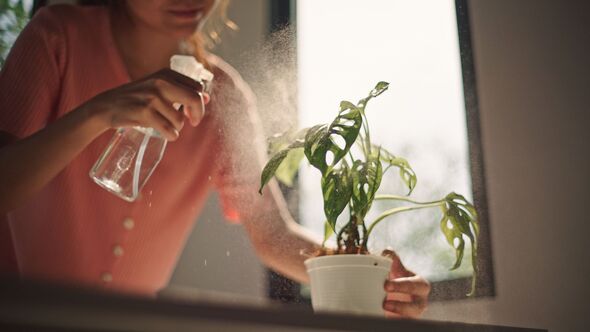
Feeling hot and uncomfortable in your own home? You’re not alone.
When the temperature rises, finding ways to cool your space without blasting the air conditioner can save you money and keep your home eco-friendly. Imagine stepping into a cool, refreshing room without relying on electricity or expensive gadgets. You’ll discover simple, natural tricks that work with your home’s design and the environment to keep your space cool all day long.
Keep reading, and you’ll learn how easy it is to make your home a comfortable haven, even on the hottest days.
Benefits Of Natural Cooling
Natural cooling offers more than just a comfortable home environment. It saves money, improves health, and helps the planet. Have you noticed how your energy bills drop when you rely less on air conditioning? That’s just one of the perks.
Energy Savings And Lower Bills
Using natural cooling methods reduces your electricity use significantly. Simple actions like opening windows or using shades can keep your home cooler without running fans or AC units all day.
Imagine cutting your monthly energy bill by 20% just by letting fresh air flow through your rooms. Isn’t that worth trying?
Improved Indoor Air Quality
Natural cooling means fresh air circulates inside your home, washing away stale, stuffy air. This reduces indoor pollutants and allergens, which can cause headaches or allergies.
I once switched off my AC for a day and opened windows instead. The difference in air freshness was clear, and I felt less tired afterward.
Environmental Benefits
Relying less on energy-hungry cooling systems lowers your carbon footprint. This helps fight climate change by reducing greenhouse gas emissions.
Every small step counts when it comes to protecting the planet. What if your cooling choices made a positive impact beyond your home?
Enhanced Comfort And Connection To Nature
Natural cooling allows you to feel the breeze and hear outdoor sounds, creating a calming atmosphere. This connection to nature can reduce stress and improve your mood.
Have you noticed how fresh air often feels more refreshing than artificial cooling?
Long-term Home Preservation
Using natural methods reduces moisture buildup and prevents damage caused by constant air conditioning. This helps maintain your walls, floors, and furniture over time.
Protecting your home’s structure saves you repair costs and keeps your space healthy and inviting.

Credit: www.youtube.com
Optimize Ventilation
Optimizing ventilation is a key strategy to keep your home cool without relying on air conditioning. Good airflow helps remove hot air and bring in cooler breezes, making your living space more comfortable naturally. You can create a refreshing environment by improving how air moves through your rooms.
Cross Ventilation Techniques
Cross ventilation happens when air flows in through one window and exits through another on the opposite side. This setup creates a natural breeze that cools down your home effectively. To boost this effect, open windows and doors on opposite sides of your room and avoid blocking airflow with heavy curtains or furniture.
Have you noticed how a simple breeze feels cooler on a hot day? That’s exactly what cross ventilation does inside your home. Try placing fans near windows to help push the air along and increase circulation even further.
Using Exhaust Fans
Exhaust fans are great at pulling hot, stale air out of your home, especially in kitchens and bathrooms where heat and humidity build up. Installing them near cooking areas or bathrooms helps remove warm air quickly, making the overall temperature drop.
If you don’t have exhaust fans yet, consider adding them as a practical solution to hot spots in your house. You can also use portable fans near windows to create a similar effect by pushing out warm air.
Strategic Window Placement
Where you place your windows can make a big difference in how well your home cools naturally. Windows that face prevailing winds capture cooler outdoor air, while those placed higher can let hot air escape.
Think about your home’s layout and how sunlight and wind interact with it during the day. Opening windows on the shady side of your house can bring in cooler air, while closing those facing the sun during peak heat prevents warming inside.
Use Shade Wisely
Using shade effectively can transform your home into a naturally cooler sanctuary. Shade blocks direct sunlight, reducing heat buildup inside your rooms. It’s a simple idea, but the way you use shade can make all the difference in keeping your space comfortable without cranking up the AC.
Planting Trees And Shrubs
Adding trees or shrubs around your home is one of the best natural coolers you can use. Deciduous trees that lose their leaves in winter let sunlight warm your house during colder months, then provide shade in summer. Position trees to shade walls and windows that get the most sun, especially on the south and west sides.
Ever noticed how a tree’s shade feels cooler on a hot day? That’s exactly the effect you want near your home. Shrubs can also shield lower walls and reduce reflected heat from pavement. Think about your yard’s layout—where can greenery block the sun’s rays before they hit your house?
Installing Awnings And Shades
Awnings and shades are quick, adjustable ways to control sunlight. Retractable awnings let you decide when to block the sun or let in light. They’re particularly useful over windows, patios, or decks that bake in afternoon sun.
Choose materials that reflect sunlight instead of absorbing it to keep temperatures down. Bright colors or reflective fabrics work well. Plus, awnings add a stylish touch and can protect your outdoor furniture from fading.
Window Films And Curtains
Window films reduce heat by reflecting or absorbing sunlight before it enters your rooms. They’re easy to install and don’t block your view. Some films even cut UV rays, protecting your furniture from sun damage.
Heavy curtains or thermal blinds also help keep the heat out. Closing them during the hottest parts of the day creates a barrier against warm air. Consider layering curtains with sheer and blackout fabrics for flexible light and heat control.
Choose Cooling Materials
Choosing the right materials plays a vital role in naturally cooling your home. These materials help block heat and keep indoor spaces fresh. They reduce the need for electric cooling, saving energy and money. Selecting cooling materials is a smart step toward a comfortable, eco-friendly home.
Light-colored Roofs And Walls
Light colors reflect sunlight instead of absorbing it. This keeps roofs and walls cooler during hot days. White, beige, and pastel tones work best. They reduce heat buildup and lower indoor temperatures. Painting your roof and walls with light colors is a simple way to cool your home.
Natural Flooring Options
Natural floors like wood, bamboo, and stone stay cool underfoot. These materials do not trap heat like carpets or synthetic floors. They improve air circulation and feel refreshing during summer. Choosing natural flooring helps maintain a cooler indoor climate without extra energy use.
Reflective Paints And Coatings
Reflective paints bounce sunlight away from surfaces. These special coatings protect your home from heat. They create a barrier that reduces thermal absorption. Using reflective paint on walls and roofs cuts indoor heat gain. This option is easy to apply and highly effective.
Harness Indoor Plants
Harness Indoor Plants Indoor plants can lower home temperatures naturally. They absorb heat and release moisture, creating a cooler environment. Adding greenery also enhances air quality and offers a refreshing ambiance.
Harnessing the power of indoor plants can cool your home naturally. Plants don’t just beautify spaces; they also improve air quality. They release moisture, creating a cooling effect. This makes them a perfect ally during hot days. By strategically using indoor plants, you can reduce indoor temperatures. Let’s explore the best plants for cooling and how to place them effectively.Best Plants For Cooling
Choosing the right plants is crucial. Some plants are better at cooling than others. Here are some top picks:- Areca Palm:Known for high transpiration rates, which cools the air.
- Boston Fern:Excellent at releasing moisture and purifying air.
- Rubber Plant:Removes toxins and adds humidity to the air.
- Peace Lily:Filters toxins and increases humidity levels.
- Snake Plant:Releases oxygen at night, improving air quality.
Placement Tips For Maximum Effect
Strategic placement enhances the cooling effect of plants. Here are some tips to get the most out of your indoor greenery:- Place larger plants near windows to block direct sunlight.
- Use smaller plants on shelves to create a cooler microclimate.
- Position plants in areas with good air circulation for better transpiration.
- Group plants together to increase humidity levels naturally.
- Avoid placing plants in direct drafts to prevent stress.
Utilize Water Features
Water features offer a simple and natural way to cool your home. The evaporation of water absorbs heat, which lowers the surrounding temperature. Adding water elements not only refreshes the air but also creates a calming atmosphere you can enjoy every day.
Indoor Fountains
Indoor fountains bring a cool breeze right into your living space. The constant movement of water increases humidity and reduces dry heat, which can make your room feel more comfortable.
Place a small fountain near a window or an air vent to maximize airflow and cooling. You might notice how the gentle sound of flowing water also helps reduce stress, making your home feel cooler and more peaceful.
Outdoor Ponds And Pools
Outdoor ponds and pools act as natural air conditioners for your yard and nearby rooms. Water absorbs heat during the day and releases it slowly at night, creating a cooler microclimate around your home.
Adding plants around your pond or pool can enhance this effect by providing shade and encouraging evaporation. Think about how stepping outside near your pond feels cooler—even on hot afternoons.
Misting Systems
Misting systems spray fine water droplets into the air, cooling it quickly through evaporation. These systems work well on patios, decks, or garden areas where you spend time outdoors.
Installing a misting system is easier than you might think. It can lower the air temperature by several degrees, making your outdoor space much more enjoyable during hot days. Have you ever noticed how just a light spray of water can refresh you instantly?
Adjust Daily Habits
Adjusting daily habits can help keep your home cooler without using extra energy. Small changes in routines reduce indoor heat and improve comfort. These easy steps fit into everyday life and save money.
Timing Of Appliance Use
Use heat-generating appliances during cooler parts of the day. Run the dishwasher, laundry machines, and oven early morning or late evening. Avoid using them during midday when temperatures peak. This reduces indoor heat buildup and lowers your cooling needs.
Effective Night Cooling
Open windows and doors at night to let cool air in. Use fans to improve air circulation and push warm air out. Close curtains and blinds before sunrise to trap the cool air inside. This natural cooling helps lower indoor temperatures for the next day.
Clothing And Hydration Tips
Wear light, loose-fitting clothes made from natural fabrics. Cotton and linen allow your skin to breathe and stay cool. Drink plenty of water throughout the day to stay hydrated. Proper hydration helps your body regulate temperature efficiently.

Credit: simplyliving.org

Credit: www.youtube.com
Frequently Asked Questions
How Can I Cool My Home Without Air Conditioning?
Use natural ventilation by opening windows and doors. Add fans to circulate air. Plant shade trees near windows. Use light-colored curtains to reflect heat. Avoid heat-producing appliances during peak hours.
What Plants Help Cool A House Naturally?
Plants like bamboo, ivy, and ferns provide shade and release moisture. They reduce indoor temperature by absorbing heat. Indoor plants also improve air quality and add a cooling effect.
Does Closing Curtains Really Keep Homes Cooler?
Yes, closing curtains blocks direct sunlight and heat. Use thermal or blackout curtains for better insulation. This reduces indoor temperature and lowers the need for artificial cooling.
Can Natural Ventilation Replace Air Conditioning Effectively?
Natural ventilation can reduce indoor heat if airflow is optimized. Use cross-ventilation by opening windows on opposite sides. However, in extreme heat, air conditioning may still be needed.
Conclusion
Natural cooling saves energy and lowers your bills. Use plants and shade to block the sun. Open windows at night to let fresh air in. Choose light colors for walls and roofs. Small changes make your home cooler and more comfortable.
Stay cool without using much electricity. Try these tips to enjoy a fresh, cool home all summer. Simple steps, big difference.



