
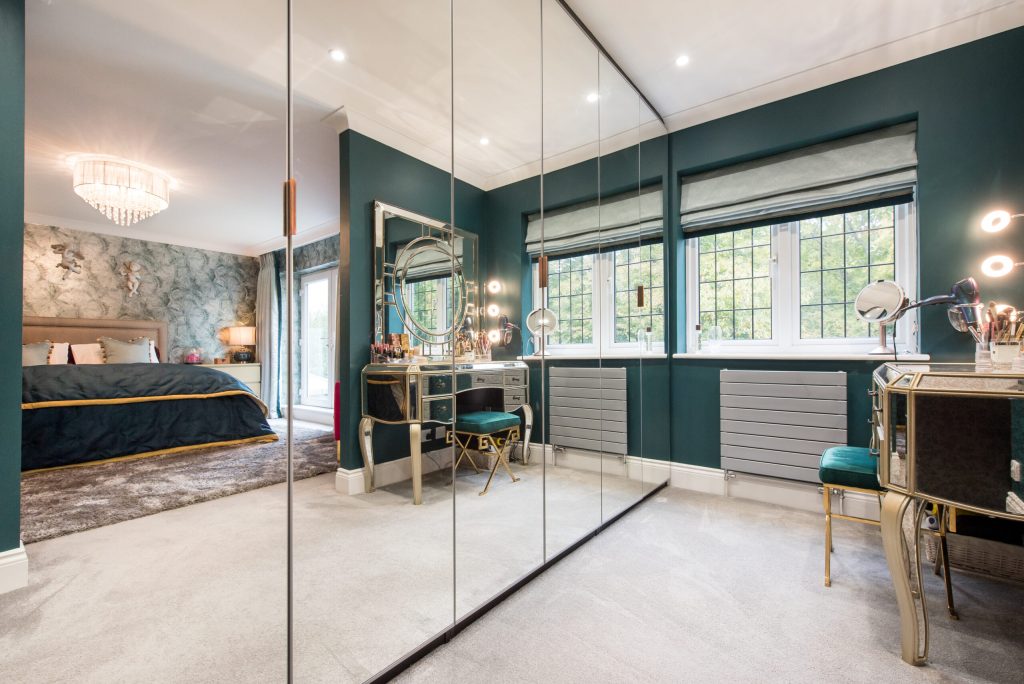
Are you staring at that mirrored wall and wondering how to cover it without making your room feel smaller or awkward? You’re not alone.
Mirrored walls can be tricky—they reflect light but also reveal every little flaw. Whether you want to change the look, add privacy, or simply refresh your space, finding the right way to cover a mirrored wall is key. You’ll discover simple, effective ideas that fit your style and needs.
Keep reading, and you’ll soon have a plan to transform that reflective surface into something you truly love.
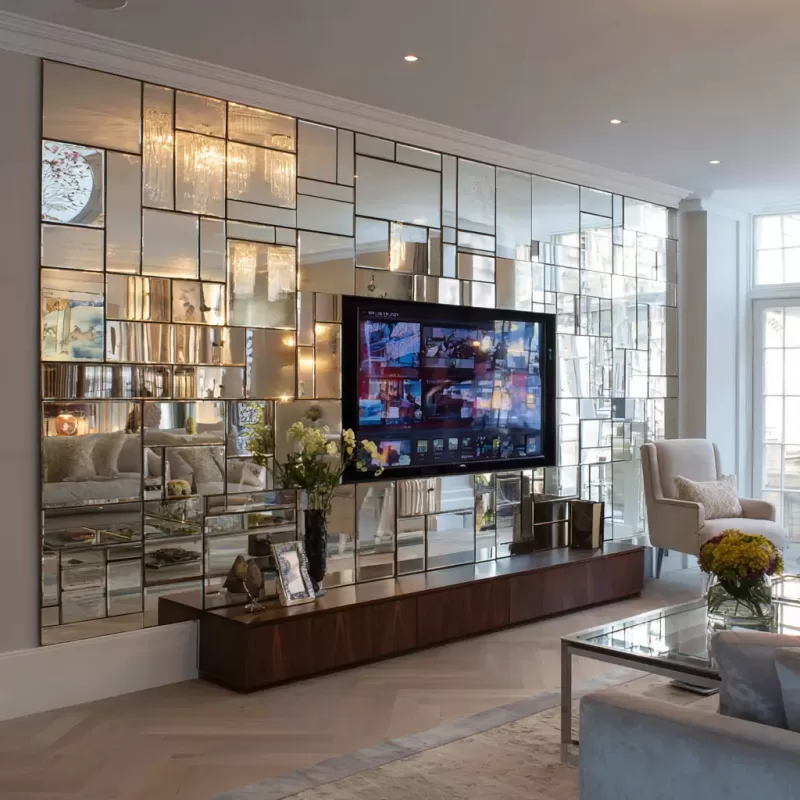
Credit: www.deanwatson.co.uk
Reasons To Cover Mirrored Walls
Mirrored walls can create a unique look and add light to a room. Still, many choose to cover them for practical reasons. Covering mirrored walls can solve issues like privacy, glare, and design mismatch. Understanding these reasons helps decide the best way to update your space.
Privacy Concerns
Mirrored walls can reflect activities inside the room. This reflection may cause discomfort for some people. Covering mirrors helps protect personal privacy. It prevents others from seeing inside or feeling watched. This is important in bedrooms, bathrooms, or offices.
Reducing Glare And Reflections
Mirrors often reflect bright light from windows or lamps. This glare can be harsh on the eyes and distracting. Covering the mirrored wall reduces this glare. It also cuts down confusing reflections that can make rooms feel busy. This creates a calmer and more comfortable environment.
Enhancing Room Aesthetics
Mirrored walls might not match every style. Covering them allows new design options to fit your taste. You can add color, texture, or artwork. This change can make the room feel warm and inviting. It also helps create a personalized space that feels just right.

Credit: www.fabglassandmirror.com
Temporary Covering Solutions
Covering a mirrored wall can protect it during renovations or create privacy. Use fabric, paper, or removable film for easy, temporary coverage. Secure materials gently to avoid damage while maintaining a smooth, neat look.
Finding ways to cover a mirrored wall can transform your living space without permanent changes. If you’re renting or simply not ready to commit, temporary covering solutions can be a lifesaver. These options allow you to easily change the look of your room, match your style, and even experiment with new decor ideas without breaking the bank or your lease.Using Curtains And Drapes
Curtains and drapes offer a versatile way to cover mirrored walls. You can choose from a variety of colors and textures to complement your room’s aesthetic. Simply install a curtain rod above the mirrored wall and hang your chosen fabric. Imagine swapping out heavy drapes for light, airy curtains in the spring. This not only changes the look but also the feel of your room. Plus, it’s a project you can complete in an afternoon, adding a touch of elegance or coziness as needed.Applying Removable Wallpaper
Removable wallpaper is an excellent choice for those wanting a bold statement or subtle change. It’s easy to apply and remove, making it perfect for renters or those who love to refresh their space frequently. You might be surprised at the vast array of patterns available—from modern geometric designs to vintage florals. Applying removable wallpaper can be a fun weekend project, and it offers a perfect opportunity to involve friends or family in your decor endeavors.Installing Room Dividers
Room dividers are not just functional but also add an artistic element to your space. They can be freestanding screens or sliding panels, offering privacy and style. Have you ever thought about how room dividers can create a whole new room within a room? This option is ideal if you want to section off part of the space for a home office or a cozy reading nook. Room dividers are a creative way to redefine your space without permanent alterations. Temporary covering solutions offer flexibility and creativity, allowing your home to evolve with your tastes and needs. Which of these options will you try first?Permanent Covering Options
Permanent covering options offer a lasting solution to transform mirrored walls that no longer fit your style or needs. Choosing the right method depends on your room’s function and the look you want to achieve. Each option comes with its own set of benefits and challenges, so consider how much effort you’re willing to invest and how permanent you want the change to be.
Painting Over Mirrors
Painting directly on mirrors requires special preparation. First, clean the surface thoroughly to remove dust and grease. Then, apply a primer designed for glass to help paint stick properly.
Choose a high-quality, durable paint suitable for glass surfaces. Chalk paint or latex paint can work well, but you’ll want to seal the paint with a clear topcoat to prevent peeling.
Keep in mind, once painted, the mirror is permanently altered. Are you ready to lose that reflective surface for good? If so, this approach offers a sleek, solid color or textured finish without adding bulk.
Mounting Decorative Panels
Decorative panels provide a stylish way to cover mirrors without damaging the wall beneath. You can use materials like MDF, PVC, or even metal panels to create a modern or classic look.
Panels can be installed with adhesive strips or screws, depending on their weight and your wall type. This method allows for easy removal or replacement if you want to update the look later.
Think about the style you want—do you prefer geometric patterns, rustic wood designs, or something minimalist? Decorative panels let you turn a mirrored wall into an eye-catching feature that suits your taste perfectly.
Using Wood Or Fabric Wall Treatments
Wood treatments add warmth and texture to your space. You can choose from reclaimed wood planks, shiplap, or even plywood sheets stained or painted to complement your decor.
Fabric wall treatments bring softness and sound absorption benefits. Stretching fabric over frames or using large tapestries can cover mirrors effectively while adding color and pattern.
Both wood and fabric options can be attached with nails, screws, or heavy-duty adhesives. Do you want a cozy vibe or a sleek, natural finish? These materials offer flexibility and a tactile dimension to your walls.

Credit: homeandtexture.com
Creative Diy Ideas
Creative DIY ideas bring life and personality to mirrored walls. They transform reflective surfaces into focal points. These ideas help soften the shine and add warmth to any room. Choose options that match your style and space size. Simple projects can make a big difference quickly.
Hanging Tapestries Or Fabric Art
Tapestries are a perfect way to cover large mirror areas. They add color, texture, and a cozy feel. Use a lightweight rod or hooks to hang fabric easily. Choose patterns that complement your room’s theme. Fabric art pieces also work well for smaller mirrored sections.
Pick washable or easy-care fabrics for convenience. This option also helps with sound absorption in echo-prone spaces. Change the tapestry anytime for a fresh look without hassle.
Creating A Gallery Wall
A gallery wall breaks the mirror’s reflection with art and photos. Use a mix of frames, sizes, and styles for interest. Arrange pieces tightly to cover the mirror completely. This method personalizes the space with memories or favorite art.
Consider lightweight frames with secure hooks. Group art by color or theme for a unified look. This approach makes the wall a conversation starter and hides the mirror effectively.
Using Plants And Greenery
Plants soften mirrored walls with natural beauty. Place tall potted plants in front of the mirror edges. Use hanging planters or wall-mounted shelves for smaller greenery. The green tones contrast well with reflective surfaces.
Plants improve air quality and add a fresh vibe. Mix different plant sizes and leaf shapes for visual appeal. Live plants bring movement and life to any mirrored wall space.
Tips For Choosing The Right Covering
Choosing the right covering for a mirrored wall can dramatically change the feel of your room. It’s not just about hiding the reflection; it’s about enhancing your space in a way that fits your style, lighting, and budget. Let’s look at some key tips to help you make a smart choice that suits your home perfectly.
Matching Room Style
Your wall covering should blend seamlessly with the overall look of your room. Think about the style you want to highlight—whether it’s modern, rustic, minimalist, or eclectic.
If your room has a sleek, contemporary vibe, consider materials like textured wallpaper or smooth panels in neutral tones. For a cozy, rustic feel, wood planks or fabric coverings can add warmth and character.
Ask yourself: Does this covering complement my furniture and decor, or does it create a clash? Your answer will guide you toward the right material and color choice.
Considering Light And Space
Mirrored walls often make rooms appear larger and brighter. Covering them means you might lose some of that effect, so it’s crucial to balance light and space.
Light-colored coverings reflect more light and keep the room feeling open. Dark or heavy materials, on the other hand, can make the space feel smaller and more enclosed.
Think about the natural light in your room. If it’s limited, choose something light and airy. If you want a cozy nook, a darker, textured covering might be just right.
Budget-friendly Options
You don’t need to spend a fortune to cover a mirrored wall stylishly. Several affordable options offer both practicality and design appeal.
- Peel-and-stick wallpaper:Easy to apply and remove, these come in many patterns and textures.
- Fabric panels:Use staple guns or adhesive strips to attach fabric for a soft, elegant look.
- Wood or MDF panels:These can be painted or stained to match your room, offering durability without high costs.
Have you considered repurposing materials you already have? Sometimes a fresh coat of paint or leftover fabric can transform your mirrored wall without breaking the bank.
Frequently Asked Questions
How Can I Cover A Mirrored Wall Without Damage?
Use removable wallpaper or fabric with adhesive hooks. Avoid strong adhesives that can damage mirrors. Test a small area first to ensure easy removal. This preserves the mirror while changing the room’s look.
What Materials Work Best To Cover Mirrored Walls?
Fabric, wallpaper, wood panels, or decorative screens work well. Choose lightweight, non-permanent options for easy installation and removal. These materials enhance aesthetics without harming the mirror surface.
Can I Paint Directly Over A Mirrored Wall?
Painting directly on mirrors is not recommended. The paint may not adhere well and can peel. Instead, consider using removable coverings or decorative panels for a safer alternative.
How Do I Ensure A Smooth Finish When Covering Mirrors?
Clean the mirror thoroughly before applying coverings. Use smooth, wrinkle-free materials and apply evenly. Avoid bubbles or gaps for a professional look. Proper preparation ensures lasting results.
Conclusion
Covering a mirrored wall can change your room’s look quickly. Choose materials and styles that fit your space well. Simple steps can make the process easy and fun. With patience, you can hide the mirror without damage. Try different ideas until you find what feels right.
Your room will feel fresh and new again. Enjoy the change and make your space your own.



