
Are you looking to add a cozy, stylish touch to your living space without spending a fortune? Learning how to crochet a pouf might be just what you need.
Imagine creating a soft, comfy pouf with your own hands—perfect for resting your feet or as extra seating when friends come over. Even if you’ve never crocheted before, this guide will walk you through each step clearly and simply. By the end, you’ll have a beautiful handmade pouf that you can proudly show off.
Ready to start crafting something amazing? Let’s dive in!
Materials Needed
Before you start crocheting your pouf, gathering the right materials is essential. Having everything ready makes the process smoother and more enjoyable. Let’s look at the key items you’ll need to get started.
Yarn Selection
Choosing the right yarn affects the look and feel of your pouf. Thick, bulky yarn works best because it creates a sturdy and cozy texture. Consider materials like cotton or wool blends that hold their shape well and are easy to clean.
Have you ever struggled with yarn that was too thin or too soft? That can make your pouf floppy or less durable. Opting for a heavier yarn means your finished pouf will last longer and look great in any room.
Choosing The Right Hook
Your crochet hook size should match the yarn thickness. A larger hook, usually between 8mm and 12mm, makes working with bulky yarn easier and speeds up your project. Using the wrong hook size can cause uneven stitches or make the pouf too tight or loose.
Think about how the hook feels in your hand too. Comfort helps you crochet longer without fatigue. If you’re unsure, check the yarn label—it often suggests the best hook size for that yarn.
Additional Supplies
- Stuffing:Polyester fiberfill or recycled fabric scraps work well to fill your pouf and keep it soft but firm.
- Scissors:Sharp scissors make cutting yarn clean and simple.
- Tapestry needle:Use this to weave in yarn ends and sew pieces together.
- Measuring tape:Helps you keep track of your pouf’s size as you crochet.
Have you considered how you’ll stuff your pouf? The right filling impacts comfort and shape. Keep these supplies handy before you begin to avoid interruptions that break your creative flow.
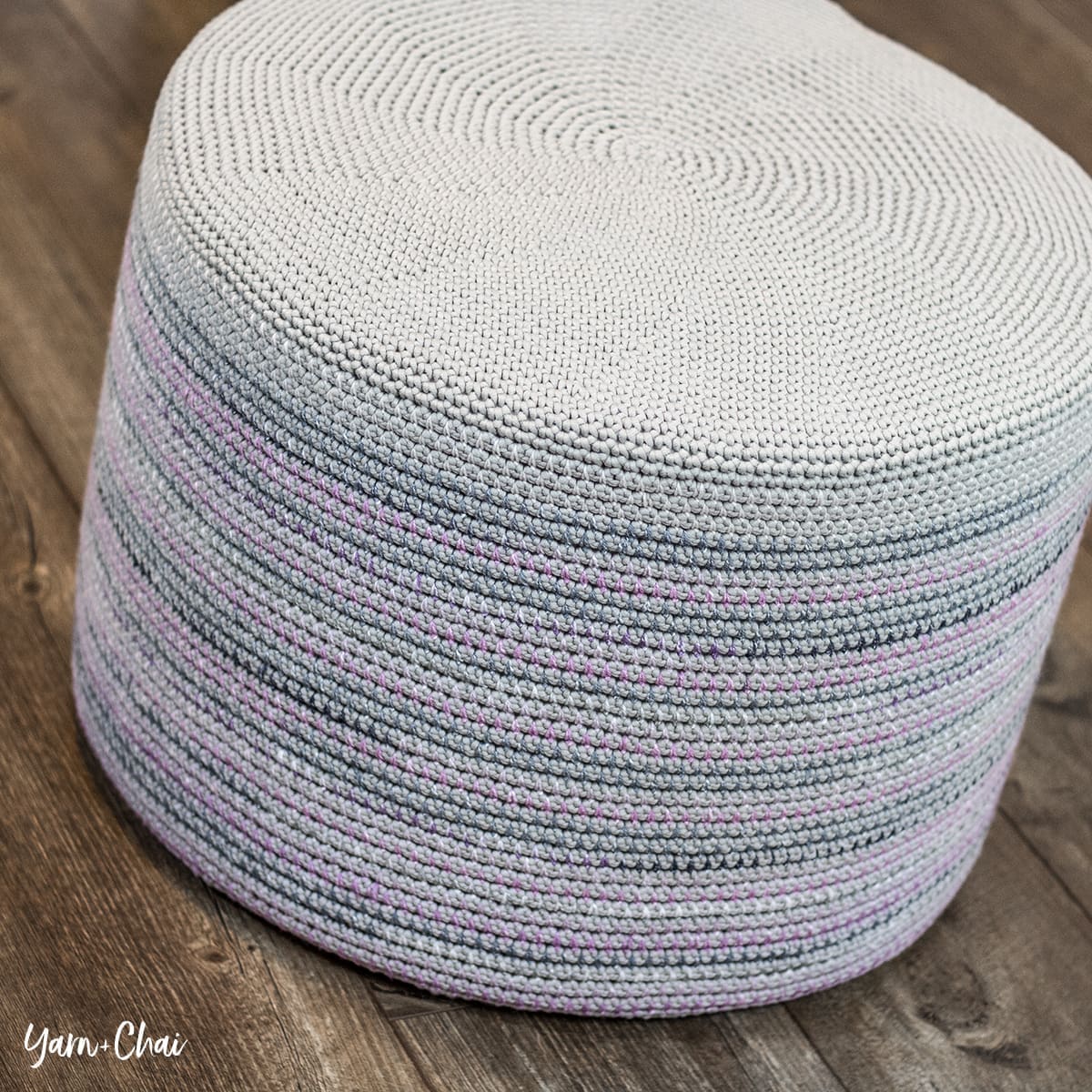
Credit: yarnandchai.com
Basic Crochet Stitches
Mastering a few basic crochet stitches can make your pouf project much easier and more enjoyable. These stitches form the foundation of most crochet patterns, so getting comfortable with them will boost your confidence. Plus, they allow you to customize your pouf with different textures and shapes.
Chain Stitch
The chain stitch is the starting point for almost every crochet project. It creates a foundation row that you build upon with other stitches. Practicing this stitch helps you maintain even tension, which is key to a neat pouf.
To make a chain stitch, wrap the yarn over your hook and pull it through the loop already on your hook. Repeat this motion to form a chain of the desired length. Have you noticed how smooth your chain looks when your tension is just right?
Single Crochet
Single crochet is one of the simplest and tightest stitches, perfect for making a sturdy pouf. It creates a dense fabric that holds its shape well under pressure. If you want your pouf to be durable and firm, this stitch is your best friend.
Insert your hook into the stitch, yarn over, pull through, yarn over again, and pull through both loops on the hook. This creates one single crochet stitch. Try making rows of single crochet to see how the texture changes compared to your chain stitches.
Slip Stitch
Slip stitch is a versatile stitch used for joining rounds or moving your yarn without adding height. It creates a smooth, almost invisible join, which is great for finishing your pouf neatly. It also helps you move across stitches quickly without adding bulk.
To do a slip stitch, insert your hook into the stitch, yarn over, and pull through both the stitch and the loop on your hook in one go. This stitch might feel subtle, but it can make a big difference in the overall look of your project. Have you tried using slip stitches to join your rounds yet?
Starting The Pouf
Beginning a crochet pouf involves selecting soft yarn and a large hook for easy stitching. Focus on making a tight, even base to ensure the pouf holds shape well.
Starting the Pouf Creating your very own crochet pouf can be a rewarding experience, especially for beginners eager to dive into the world of crafting. The journey begins with the foundation of your pouf, setting the stage for the entire project. With the right guidance and a bit of patience, you’ll be able to create a stunning piece for your home. Let’s get started on this exciting endeavor!Creating The Magic Ring
The magic ring is a crucial technique in crochet, serving as the starting point for many circular projects, including your pouf. Begin by looping the yarn around your fingers to form a ring. Insert your hook into the center of this ring and pull up a loop. This allows you to work your first stitches tightly together, eliminating any gaps in the center. As you crochet the initial round, you’ll notice the ring tightening, forming a neat, closed circle. This method ensures your pouf’s base is secure and polished.Crocheting The Base
Once you’ve mastered the magic ring, it’s time to crochet the base of your pouf. Start by making single crochet stitches around the ring, increasing gradually with each row to expand the circle. Keep your tension consistent to maintain an even surface. As you work, take a moment to admire your growing creation. This is where your creativity truly begins to shine. Consider the color combinations and textures that resonate with your personal style. Remember, each stitch brings you closer to a completed pouf, a testament to your newfound skills. Are you ready to see your vision come to life? Keep going, you’re doing great!
Credit: www.youtube.com
Building The Pouf Body
Building the pouf body is where your crochet project begins to take shape. This part requires attention to stitch count and tension to ensure your pouf is both sturdy and visually appealing. Focus on how you increase stitches and maintain the overall shape to create a balanced and comfortable pouf.
Increasing Stitches
Increasing stitches correctly is key to expanding the size of your pouf without creating awkward bumps or gaps. Add stitches evenly around each round to keep the circle smooth and flat. For instance, if you start with 6 stitches, you might increase by adding 2 stitches in every stitch of the next round, doubling your count.
Keep track of your stitch counts by marking the beginning of each round with a stitch marker. This helps you avoid accidental increases or decreases that can distort your shape. Have you ever noticed your work getting wavy or uneven? That’s often caused by inconsistent stitch increases.
Maintaining Shape
Maintaining the pouf’s shape means balancing your stitch tension and increases throughout the body. Too tight, and your pouf might become stiff; too loose, and it may sag or lose form. Pay attention to how your yarn stretches between stitches—adjust your hook size if necessary.
Regularly laying your work flat helps you spot any bulges or dips early on. If you see uneven areas, slow down and count your stitches carefully in the next round. Remember, a consistent shape makes your pouf not only look better but also hold its stuffing securely.
Finishing The Pouf
Finishing the pouf is the final step in your crochet project. It gives the pouf its shape and makes it ready to use. This stage needs care to make sure the pouf looks neat and stays sturdy. Focus on closing the top securely and adding the right amount of stuffing. These actions bring your pouf to life.
Closing The Top
To close the top, first reduce your stitches gradually. This makes the opening smaller and easier to close. Use a yarn needle to sew the last stitches tightly. Pull the yarn gently to avoid gaps. Tie a secure knot to keep the stitches in place. Hide the yarn tail inside the pouf for a clean look.
Adding Stuffing
Choose soft stuffing material like polyester fiberfill. Stuff the pouf evenly to keep its shape. Use small amounts and press gently as you go. Avoid overfilling to keep the pouf comfortable. Make sure the stuffing reaches all corners. After stuffing, close the top fully with your needle and yarn.
Credit: www.craftpassion.com
Tips For Beginners
Crocheting a pouf can be a fun and rewarding project. For beginners, some tips help make the process smoother and more enjoyable. These tips focus on common pitfalls, keeping your stitches even, and picking the right size for your pouf.
Common Mistakes To Avoid
- Skipping stitches can make your pouf uneven and lose shape.
- Pulling your yarn too tight can make the fabric stiff and hard to work with.
- Not counting stitches leads to irregular rows and a crooked pouf.
- Using the wrong hook size can affect the texture and size of the pouf.
- Ignoring the pattern instructions may cause confusion and errors.
Maintaining Tension
Keep your tension steady. Too tight makes it hard to crochet. Too loose makes the fabric floppy.
Try to hold the yarn the same way every time. Practice helps build muscle memory.
Take breaks if your hands feel tired. Relaxed hands crochet better.
Choosing The Right Size
Pick a pouf size that fits your space. Small poufs work well for tight areas.
Large poufs offer more comfort but need more yarn and time.
Measure the area before you start to avoid surprises.
Use the right hook size to match your yarn and pouf size.
Creative Variations
Adding creative variations to your crochet pouf makes the project more personal and fun. Changing colors and yarn types can completely transform your pouf’s look and feel. These small tweaks help you create a piece that fits perfectly with your home style or mood.
Color Patterns
Playing with color patterns is a simple way to make your pouf stand out. Try alternating stripes of contrasting colors for a bold effect or use soft pastels for a calming vibe. You can even create geometric shapes by switching colors every few stitches.
Think about the room where your pouf will live. Would a bright, multicolor pouf add a pop of excitement, or would a single, muted tone blend better? Don’t hesitate to mix and match shades—you might discover a new favorite combination.
Using Different Yarn Types
The type of yarn you choose changes not just the look but the texture and durability of your pouf. Cotton yarn offers a firm, sturdy feel while acrylic yarn tends to be softer and more flexible. Mixing yarn types can give your pouf a unique touch—try combining thick, chunky yarn with finer threads for interesting contrasts.
Have you considered recycled yarn or eco-friendly options? These can add character and support sustainable crafting. Experiment with yarn thickness to find the perfect balance between comfort and structure for your pouf.
Frequently Asked Questions
What Materials Do I Need To Crochet A Pouf?
You need bulky yarn, a large crochet hook, stuffing or old clothes, and a yarn needle. These materials make the pouf sturdy and comfortable.
How Long Does It Take To Crochet A Pouf For Beginners?
It usually takes 6 to 10 hours, depending on your skill level. Beginners might take longer but will improve with practice.
Which Crochet Stitches Are Best For Making A Pouf?
Single crochet and double crochet stitches work best. They create a dense, firm fabric suitable for a pouf’s structure.
Can I Customize The Size Of My Crochet Pouf?
Yes, adjust the number of stitches and rows to change the size. Bigger stitches or more rounds create a larger pouf.
Conclusion
Crocheting a pouf is a fun and simple project. You only need basic stitches and some patience. Each step builds your skills and confidence. Soon, you will have a cozy, handmade pouf to enjoy. Keep practicing, and try different yarns or colors.
This craft brings comfort and style to any room. Start today and see how rewarding it feels. Happy crocheting!



