
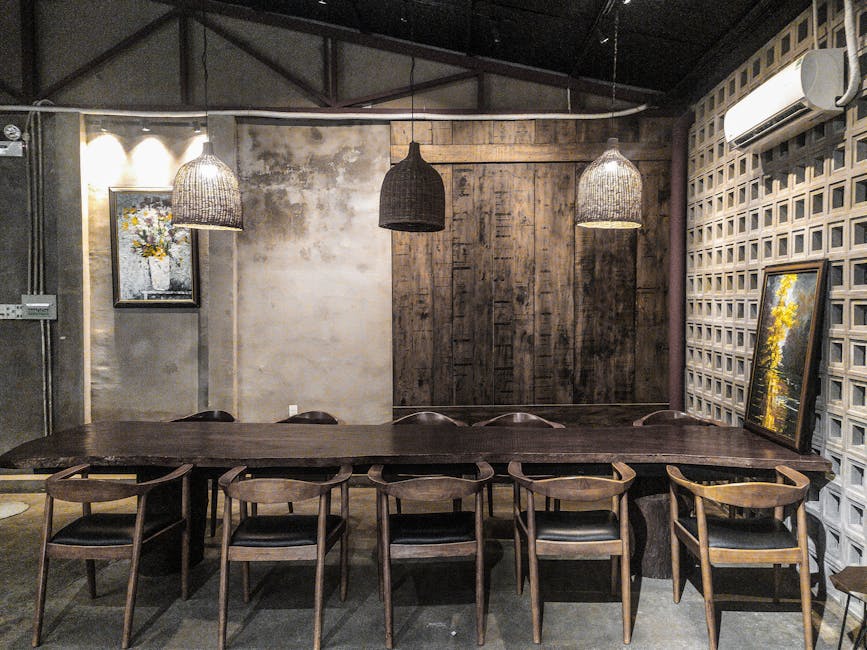
Is your dining room feeling a bit empty or dull because of a long, bare wall? You’re not alone.
Decorating a long wall can be tricky, but it’s also a chance to add personality and style to your space. Imagine turning that blank stretch into a stunning focal point that sparks conversation and makes every meal feel special. You’ll discover simple and creative ideas to transform your long dining room wall, making it inviting and uniquely yours.
Ready to see your dining room in a whole new light? Let’s dive in.

Credit: designingvibes.com
Choose A Focal Point
Choosing a focal point for a long dining room wall helps create balance and draws the eye. It gives the room a clear center of attention. A strong focal point makes the space feel inviting and well-designed. There are several ways to do this, each adding style and personality.
Large Art Pieces
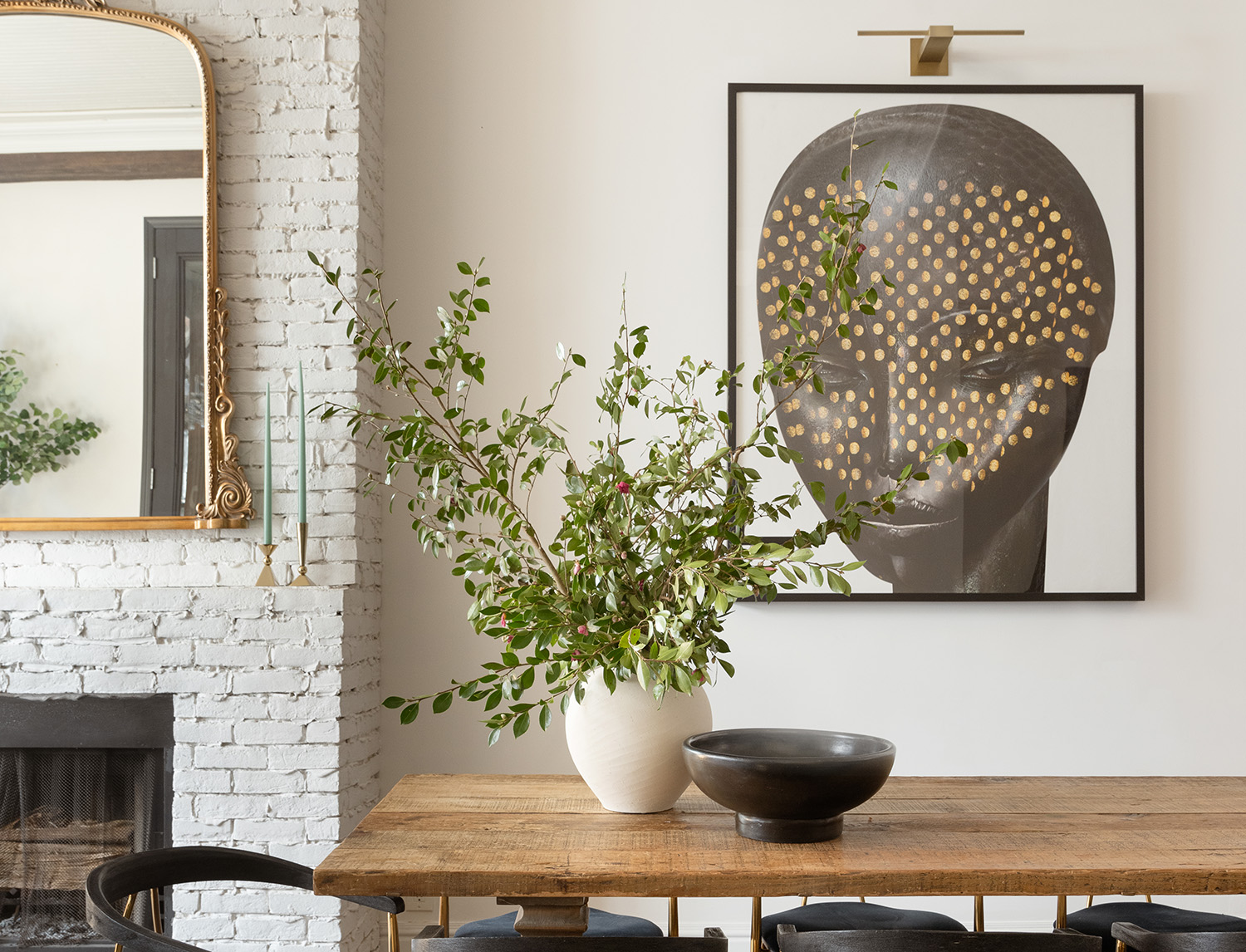
A large art piece can fill a long wall beautifully. It sets the mood and adds color or texture. Choose artwork that matches your dining room’s style and color scheme. A bold painting or print makes a strong statement. It also gives guests something interesting to admire during meals.
Statement Mirrors
Mirrors add light and depth to a dining room. A big, statement mirror can make the space feel larger and brighter. Look for mirrors with unique frames to add character. Round or geometric shapes work well on long walls. They reflect the room and create a lively, open feel.
Gallery Walls
Gallery walls bring a personal touch to your dining room. Arrange a collection of smaller art pieces, photos, or prints in a balanced layout. Use frames in similar colors or styles for cohesion. This option allows for creativity and storytelling. Change or add pieces over time for a fresh look.
Incorporate Shelving
Incorporating shelving on a long dining room wall creates both style and function. Shelves provide space to display decor and store essentials. They break the wall’s length and add visual interest. Choose shelving that fits the room’s size and theme. Shelving options vary from simple to elaborate designs. Each type offers unique benefits for your dining room.
Floating Shelves
Floating shelves attach directly to the wall without visible brackets. They look clean and modern. These shelves are perfect for small items like plants or dishes. Arrange them in a row or staggered pattern. This creates a balanced, eye-catching display. Floating shelves keep the dining space open and airy.
Built-in Cabinets
Built-in cabinets offer hidden storage and display space. They fit seamlessly into the wall for a custom look. Use glass doors to show off fine china or glassware. Solid doors hide clutter and keep the room tidy. Built-ins add value and elegance to the dining area.
Open Display Units
Open display units combine shelves and cubbies for versatile storage. They let you mix decorative and functional items. Use baskets or boxes on lower shelves to organize supplies. Display art pieces, books, or collectibles on upper shelves. Open units create a lively and inviting atmosphere.
Use Wall Panels And Textures
Wall panels and textures bring depth and style to a long dining room wall. They create visual interest and break the monotony of empty space. Using different materials and finishes can make the wall a focal point. Textures add warmth and character, making the dining area more inviting.
Wooden Panels
Wooden panels add natural beauty and warmth to the dining room. They come in various styles, such as shiplap, reclaimed wood, or smooth planks. Wood tones range from light oak to dark walnut, fitting many decor styles. Panels can cover the entire wall or form a feature strip. They add texture and a cozy feel without overwhelming the space.
Textured Wallpaper
Textured wallpaper offers an easy way to add pattern and depth. It can mimic materials like stone, fabric, or grasscloth. Wallpaper comes in many designs and colors to match any dining room theme. It is simple to install and remove if tastes change. Textured wallpaper gives the wall a rich look without heavy installation.
Fabric Wall Hangings
Fabric wall hangings bring softness and color to a long wall. Options include tapestries, quilts, or woven art pieces. They add a handmade touch and absorb sound for a quieter room. Fabric hangings can be changed seasonally to refresh the space. This option is perfect for renters or those who like flexible decor.
Credit: havenly.com
Add Lighting Elements
Decorating a long wall in a dining room can feel challenging. Adding lighting elements brings warmth and character. Lights can transform a plain wall into a focal point. They highlight decor and create a cozy atmosphere. Let’s explore some lighting options that enhance your dining room.
Wall Sconces
Wall sconces add elegance to a long wall. They provide both style and function. Install them at eye level for the best effect. Choose designs that match your room’s theme. Sconces create a welcoming glow, perfect for dining.
Led Strip Lights
LED strip lights offer a modern touch. They are versatile and energy-efficient. Place them along the wall’s top edge. This creates a soft, ambient glow. You can also highlight artwork or shelves with LED strips.
Picture Lights
Picture lights focus attention on artwork. They illuminate paintings and photos beautifully. Mount them above your favorite pieces. This draws the eye and adds sophistication. Picture lights give your dining room a gallery feel.
Integrate Functional Decor
Long walls in dining rooms can feel empty and overwhelming, but adding functional decor can solve that problem while boosting the room’s practicality. Functional decor not only fills space but also offers useful storage and display options. It transforms a bare wall into a feature that serves your everyday needs and style preferences.
Wall-mounted Sideboards
Wall-mounted sideboards are perfect for keeping dining essentials close at hand without sacrificing floor space. They provide storage for dishes, linens, and serving trays, making meal prep and cleanup smoother. Plus, their sleek design adds a modern touch that complements the dining room’s atmosphere.
Think about a sideboard with drawers and cabinets that blend with your wall color or contrast boldly for visual interest. Wouldn’t it be great to have a spot to hide clutter yet keep everything accessible?
Floating Consoles
Floating consoles offer a minimalist solution to decorating long walls while adding storage and display space. Their elevated design makes the room feel larger and more open. You can use them to showcase decorative bowls, plants, or your favorite cookbooks.
Imagine a slim console that fits your room’s width perfectly, giving you a platform for both function and style. How would having a place to drop keys or mail change your daily routine?
Decorative Hooks
Decorative hooks are small but mighty additions that add personality and usefulness to your dining room wall. Use them to hang aprons, hats, or even lightweight baskets for extra storage. They can also serve as a creative way to display artwork or seasonal decorations.
Choosing hooks with interesting shapes or finishes can turn them into conversation starters. What items do you reach for most during mealtime that could hang right where you need them?
Play With Colors And Patterns
Playing with colors and patterns transforms a long dining room wall. It breaks the monotony and adds energy to the space. Colors and patterns create a visual interest that invites warmth and personality. Choose tones and designs that reflect your style and mood.
Bold Paint Colors
Bold paint colors make the wall stand out instantly. Deep reds, rich blues, or dark greens create a strong statement. These shades add depth and drama to your dining area. Pair bold colors with neutral furniture to balance the look. A single bold wall acts as a focal point, drawing attention naturally.
Accent Stripes
Accent stripes bring a modern and fresh feel to the wall. Vertical stripes make the ceiling seem higher. Horizontal stripes widen the room visually. Use contrasting colors for stripes to boost vibrancy. Thin or thick stripes create different moods—playful or elegant. Stripes add rhythm and guide the eye along the wall.
Geometric Patterns
Geometric patterns add structure and style to the dining space. Triangles, hexagons, or chevrons create dynamic shapes. These patterns offer a trendy yet timeless appeal. Use subtle colors for a soft look or bright shades to energize. Geometric designs work well with minimalist decor. They give the wall texture without cluttering it.
Incorporate Greenery
Incorporating greenery transforms a long dining room wall into a lively, fresh space. Plants add color, texture, and a natural feel that warms up the room. Greenery also improves air quality and creates a calm atmosphere. Use different styles of plant displays to suit your taste and space.
Wall Planters
Wall planters save floor space and add vertical interest. Choose small pots or containers that fit the wall size. Arrange them in patterns or rows for a neat look. Use plants like succulents, ferns, or ivy that grow well in limited soil. Wall planters create a green art piece that draws attention.
Hanging Gardens
Hanging gardens bring a floating garden effect to the dining room. Use macramé hangers or simple hooks to suspend pots from the ceiling. Mix trailing plants with flowering ones for variety. Hanging gardens add depth and soften the room’s edges. They work well near windows for natural light.
Vertical Herb Gardens
Vertical herb gardens combine beauty with function. Mount small containers or pockets on the wall to grow herbs like basil, mint, and rosemary. This setup keeps herbs handy for cooking and freshens the air. Choose herbs that thrive indoors and get enough light. A vertical herb garden makes your dining space green and useful.
Balance Scale And Proportion
Balance, scale, and proportion are crucial when decorating a long wall in your dining room. If these elements don’t work together, your space can feel awkward or overwhelming. You want your wall to invite attention without overpowering the room.
Think about how the size of your artwork or decor relates to the wall itself. Too small, and it gets lost. Too large, and it can dominate the space. Achieving the right balance makes the room feel cohesive and comfortable.
Spacing Artworks
Spacing between artworks is key to maintaining balance on a long wall. Avoid crowding pieces too close, which can make the wall look cluttered. Leave enough space so each piece can breathe and stand out on its own.
Try to keep consistent gaps between items, usually around 2 to 4 inches, depending on the size of your pieces. Step back often to see if the spacing feels natural to your eyes. Does the arrangement invite you to look from one piece to the next without feeling rushed?
Layering Decor
Layering different types of decor can add depth without overwhelming the wall. Combine framed art with shelves, mirrors, or small sculptures. This mix adds texture and interest while still respecting the wall’s scale.
When layering, place larger items at the base and smaller ones on top to anchor the arrangement. You might place a wide mirror in the center and then add smaller frames or objects around it. This approach keeps the wall balanced and visually appealing.
Mixing Sizes
Mixing sizes is a smart way to bring life to a long dining room wall. Pair large statement pieces with smaller accents to create a dynamic look. Too many large items can feel heavy, while all small pieces might seem scattered.
Use a large painting or print as a focal point, then surround it with smaller artworks or decor. This method helps guide the eye across the wall naturally. How can you use size contrast to make your wall more inviting?

Credit: designingvibes.com
Frequently Asked Questions
How Can I Make A Long Dining Room Wall Visually Appealing?
Use large art pieces, mirrors, or a gallery wall to break the space. Incorporate shelves or plants to add texture and depth. Balance colors and styles to create a cohesive and inviting look.
What Are The Best Colors For Decorating A Long Dining Wall?
Neutral tones with bold accent colors work well. Light shades open up the space, while darker colors add warmth. Choose colors that complement your dining room furniture and overall theme.
Should I Use Mirrors On A Long Dining Room Wall?
Yes, mirrors enhance light and create a sense of space. They reflect natural light and make the room feel larger. Position mirrors opposite windows for maximum effect.
How Do I Choose Art For A Long Dining Room Wall?
Select pieces that match your room’s style and size. Large-scale art or a series of smaller frames create interest. Consider the dining room’s color palette and furniture style.
Conclusion
Decorating a long dining room wall can change the whole space. Choose art, mirrors, or shelves to add interest. Keep the style simple and colors balanced. Use lighting to highlight your favorite pieces. Small touches bring warmth and personality. Take your time and enjoy the process.
Your dining room will feel cozy and inviting. A well-decorated wall makes meals more special. Try different ideas until you find what fits best. Your space, your style, your comfort.



