
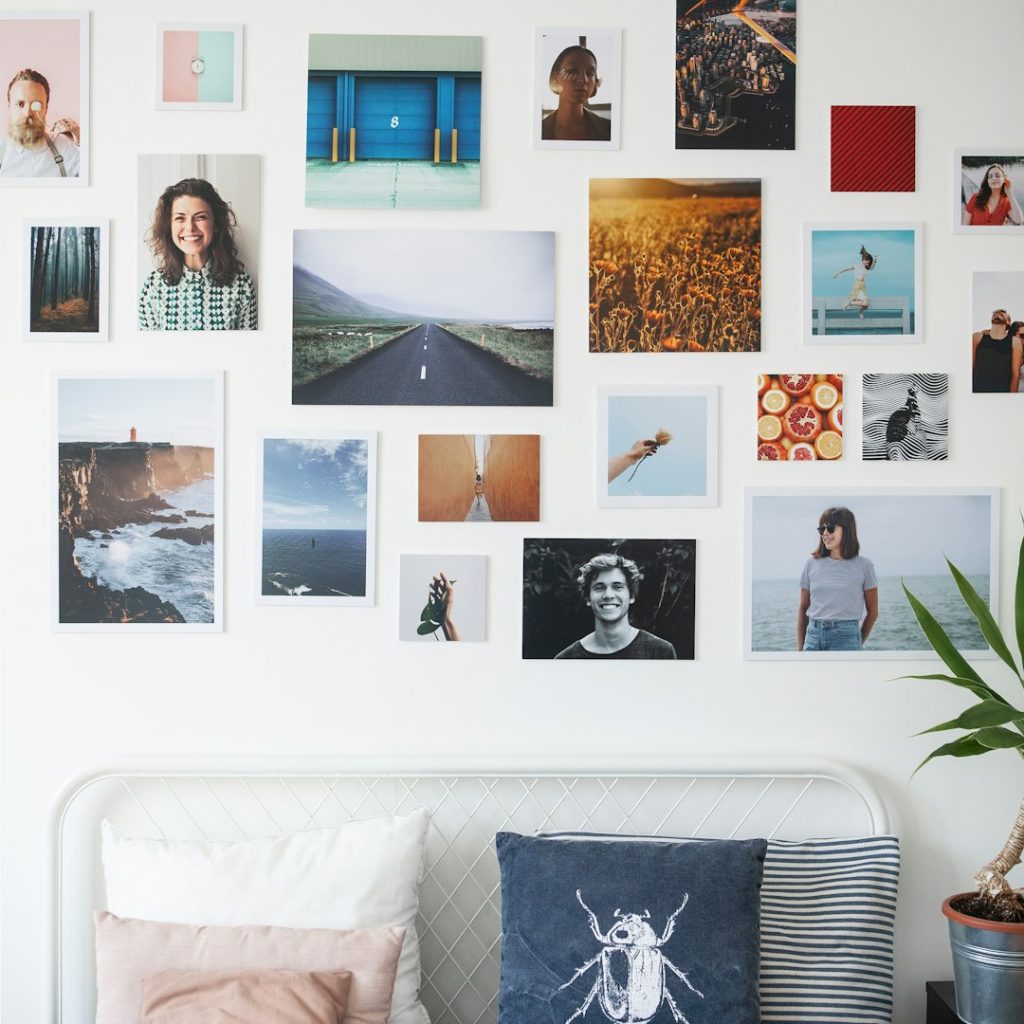
Have you ever stared at a large picture on your wall and wondered how to make it stand out even more? Decorating around a big artwork can feel tricky, but with the right tips, you can turn your wall into a stunning focal point.
Imagine creating a space that not only highlights your picture but also reflects your style perfectly. In this post, you’ll discover simple and effective ways to decorate around a large picture that will transform your room and catch everyone’s eye.
Ready to make your wall the star of the show? Let’s dive in!
Choosing The Right Frame
Choosing the right frame for a large picture sets the tone for your entire wall display. The frame acts as a bridge between the artwork and the room, enhancing the visual impact. Picking a suitable frame style, color, and size can make your picture stand out and harmonize with the surrounding decor.
Frame Styles That Complement Art
Each art piece has a style that suits certain frame designs. Classic paintings often pair well with ornate, detailed frames. Modern or abstract art looks great with simple, clean lines. Rustic art benefits from natural wood or distressed frames. Match the frame style to the art’s mood and period for balance.
Matching Frame Color To Room Decor
Frame color can tie the picture to the room’s palette. Use colors found in your furniture or wall paint. Neutral frames like black, white, or wood tones work with most colors. Bold frames in bright or dark shades add contrast and focus. Choose a color that supports your room’s style without clashing.
Frame Size And Proportion Tips
The frame should not overpower the picture or the wall space. A thick frame suits large, bold images, adding presence. Thin frames work best with delicate or detailed art. Leave enough space around the frame so the picture breathes on the wall. Keep proportions balanced for a neat, polished look.
Credit: stylebyemilyhenderson.com
Balancing Wall Space
Balancing wall space around a large picture is key to creating a harmonious and inviting room. It’s not just about filling empty space but about making the picture feel part of the room’s story. How you arrange the surrounding elements can either highlight the artwork or distract from it.
Using Symmetry For Visual Appeal
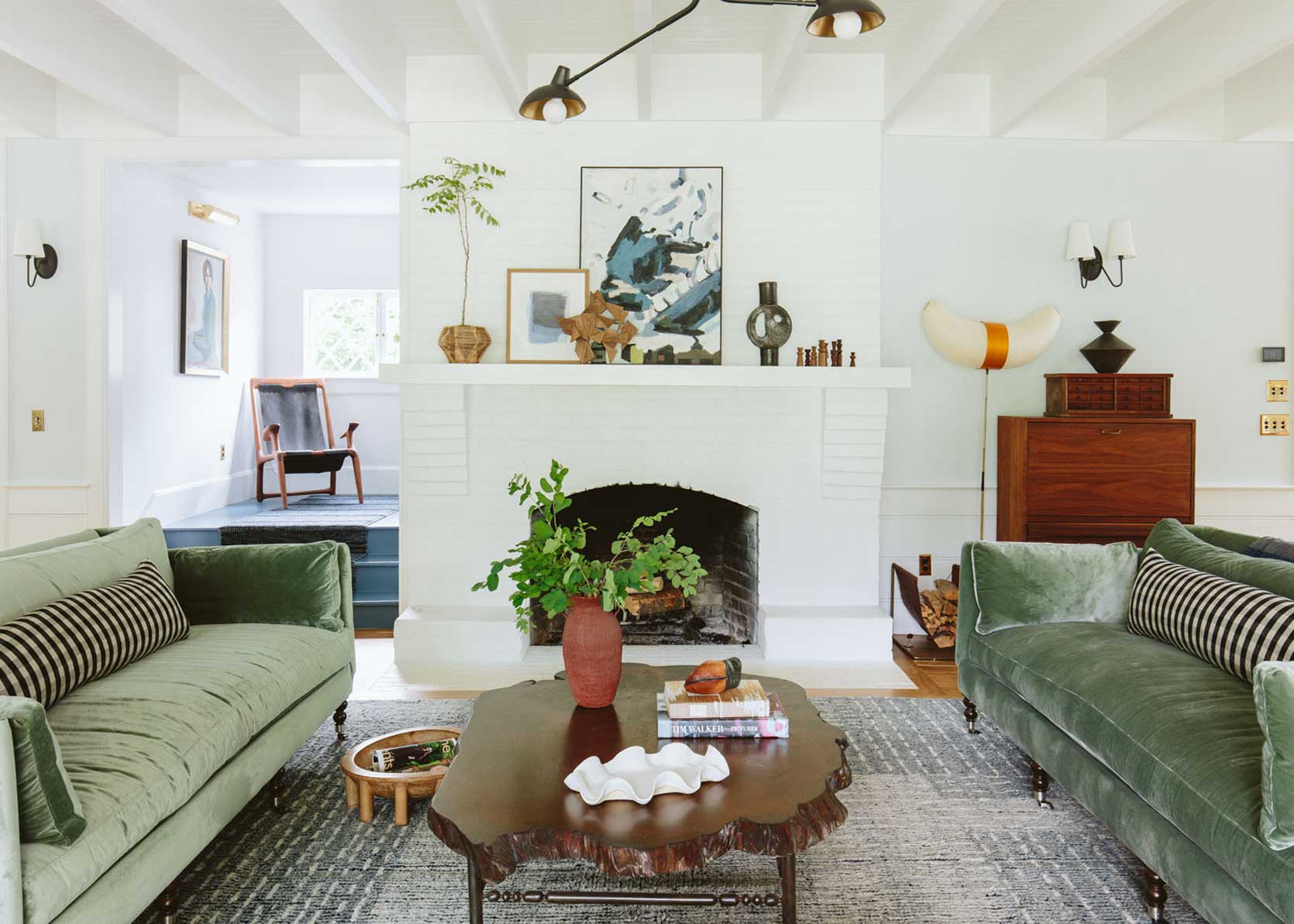
Symmetry creates a natural sense of order and calm. Placing matching items on either side of the large picture helps your eyes rest and appreciate the artwork more fully. Think of using two identical lamps, chairs, or framed prints to frame the picture evenly.
Have you ever noticed how balanced spaces feel more welcoming? Symmetry guides your gaze and prevents the wall from feeling chaotic or too busy. This simple trick can make your space look thoughtfully designed with minimal effort.
Creating Focal Points Around The Picture
Your large picture is the star, but adding smaller focal points can enhance its impact. Use shelves with small sculptures, plants, or decorative objects placed strategically nearby. These add depth without pulling attention away from the main piece.
Try grouping items in odd numbers, like three or five, to keep it visually interesting. Ask yourself which elements naturally draw your eye and arrange these so they lead viewers back to the large picture. This creates a cohesive visual journey on your wall.
Avoiding Overcrowding The Wall
It’s tempting to fill every inch around a large picture, but too much can overwhelm the space. Leave breathing room so the picture can stand out and the wall doesn’t feel cluttered. Negative space is your friend here.
Imagine a gallery wall packed with frames—it can be exciting, but with one large picture, simplicity often works better. Resist the urge to add too many items, and instead focus on a few well-chosen pieces that complement your artwork and the room.
Incorporating Lighting
Soft lighting around a large picture highlights its details and draws attention. Wall sconces or spotlights create a warm, inviting atmosphere without overpowering the artwork. Subtle illumination enhances the room’s mood and complements the picture’s colors.
Decorating around a large picture can transform a wall into a captivating focal point. Lighting plays a pivotal role in enhancing this visual impact. The right lighting not only highlights the artwork but also adds depth and mood to your space. Let’s explore some practical lighting techniques.Spotlights And Picture Lights
Strategically placed spotlights can accentuate the details of your artwork. They offer directional lighting that draws the eye directly to the picture. Consider adjustable spotlights that allow you to change the angle and intensity as needed. Picture lights are another excellent choice. They attach directly above the artwork, casting a gentle wash of light over the piece. This approach ensures your art is always in the spotlight, regardless of room lighting.Ambient Lighting Effects
Ambient lighting helps create a warm and inviting atmosphere. Use dimmable ceiling lights or wall sconces to control the overall mood of the room. This flexibility ensures your artwork remains the center of attention while maintaining a cozy environment. Consider using LED strips behind floating shelves or along the perimeter of your picture frame. This subtle glow can make your art appear as if it’s floating, adding a modern touch to your decor.Natural Light Considerations
Natural light can breathe life into your art. Position your artwork to take advantage of sunlight without exposing it to direct rays, which can cause fading. If possible, place your picture on a wall that receives indirect light for most of the day. Consider using sheer curtains to diffuse sunlight, balancing brightness with protection. This approach ensures your art is beautifully lit while preserving its longevity. Remember, lighting is more than just illumination—it’s an art form in itself. What lighting choices will you make to enhance your space?
Credit: www.hgtv.com
Adding Complementary Decor
Adding complementary decor around a large picture can transform your wall from a simple display into a captivating focal point. The key is to enhance your artwork without overwhelming it. Thoughtful additions can create balance and draw more attention to your picture, making the entire space feel cohesive and inviting.
Using Shelves And Mantels
Placing shelves or a mantel below or beside your large picture offers a practical way to add depth. Use these surfaces to display smaller art pieces, framed photos, or books that share a similar color palette or theme with your main artwork.
Keep the arrangement simple to avoid clutter. A clean line of objects can guide the eye back to the large picture, reinforcing its importance. Have you tried mixing different shelf heights to create a dynamic visual flow?
Incorporating Plants And Greenery
Plants bring life and freshness to any wall setup. Position small potted plants on nearby shelves or hang trailing greenery around your picture to soften the edges and add texture.
Choose plants with shapes and colors that contrast yet complement your artwork. For example, if your picture has bold colors, green plants with simple leaves work well. How might a touch of nature change the mood of your room?
Decorative Objects That Enhance Art
Small decorative objects can echo themes or colors in your picture, creating a unified look. Consider sculptures, vases, or unique trinkets that reflect elements within your artwork.
Keep the scale in mind; objects should not compete with your picture but support it. Try grouping items in odd numbers for a natural, balanced appearance. What objects in your home tell a story that connects with your art?
Color Coordination
Color coordination is key when decorating around a large picture on your wall. The right colors can highlight the artwork and create a balanced, inviting space. Understanding how to pick and use colors related to your picture can transform your room’s atmosphere effortlessly.
Using Accent Colors From The Picture
Look closely at your picture and identify one or two colors that stand out. These accent colors can guide your choices for surrounding decor. Using them in small doses, like in cushions or vases, helps tie the room together without overwhelming the artwork.
For example, if your picture has a bright red element, adding a few red accessories nearby can create harmony. But be careful not to match every shade exactly; slight variations keep things interesting. Have you noticed how a small pop of color can change the whole vibe of a room?
Wall Paint And Wallpaper Options
The wall behind your large picture can either complement or compete with it. Choosing a paint color or wallpaper that enhances the main hues in the picture makes the art pop. Neutral tones often work well, but don’t shy away from a bold, deep color if it matches an accent in the artwork.
Textured wallpaper or subtle patterns can add depth without stealing attention. When I painted a soft gray behind a vivid painting, the colors seemed to glow more. What color would you pick to make your picture stand out?
Textiles And Accessories Matching
Your textiles—like curtains, rugs, and throw pillows—offer another chance to echo the picture’s colors. Select fabrics that pick up the picture’s tones to create a seamless flow throughout the room. This keeps your space feeling cohesive and thoughtfully designed.
Think about layering different textures in the same color family for added interest. For instance, pairing a velvet cushion with a linen curtain in similar shades adds richness. Have you ever noticed how matching textiles can quietly support a statement piece on the wall?

Credit: orangme.com
Arranging Furniture
Arranging furniture around a large picture on your wall can transform the entire room. It’s not just about placing pieces randomly; it’s about creating a harmonious space that highlights your artwork while keeping the room functional. Thoughtful furniture placement draws attention to the picture and makes the room feel inviting.
Positioning Seating For Best View
Place your seating so that the large picture is naturally in view. This might mean positioning your sofa or chairs directly opposite the wall with the artwork. Avoid placing seats where the picture gets blocked by furniture backs or corners.
Think about how you use the room. Do you want to admire the picture while relaxing or entertaining guests? Adjust the angle of your furniture accordingly to make the artwork a focal point without forcing awkward seating positions.
Using Furniture To Frame The Picture
Use furniture pieces to create a visual frame around the picture. For example, a console table or low cabinet beneath the artwork can anchor the wall. Flanking the picture with matching chairs or tall plants can also draw the eye and provide balance.
Try to keep the furniture scale proportional to the artwork. Oversized pieces may compete with the picture, while too small items get lost. Your goal is to complement the picture, making it the star of the wall.
Keeping Traffic Flow In Mind
Arrange your furniture so people can move around the room easily without feeling cramped. Leave clear pathways that don’t cut through the main seating or block the view of the picture. This helps the space feel open and comfortable.
Ask yourself where people naturally walk when entering or leaving the room. Position furniture so these paths remain clear. This way, the artwork stays visible and the room functions well for everyday use.
Using Multiple Art Pieces
Using multiple art pieces creates a dynamic and visually interesting wall. It helps balance a large picture by adding variety and depth. This approach brings personality and style to your space.
Creating A Gallery Wall
Arrange several smaller artworks around the large picture. Group pieces by theme, color, or subject to create harmony. Use frames with similar tones or shapes to tie the look together. A gallery wall draws the eye across the entire display, not just the big picture.
Mixing Sizes And Styles
Combine different sizes to add visual interest. Pair abstract art with classic or modern pieces for contrast. Balance bold colors with neutral tones to avoid clutter. Mixing styles keeps the wall lively and engaging. Let each piece have its own space to shine.
Spacing And Alignment Tips
Keep consistent spacing between each art piece. Use 2 to 4 inches for a clean look. Align the tops or bottoms to maintain order. Use paper templates on the wall before hanging to preview arrangement. Even spacing and alignment create a polished, professional feel.
Frequently Asked Questions
How Do I Choose Decor For A Large Picture Wall?
Select decor that complements the picture’s colors and style. Use smaller frames or art pieces to create balance. Avoid overcrowding to maintain focus on the large picture. Choose items with similar tones or themes for a cohesive look.
What Furniture Suits A Wall With A Large Picture?
Opt for minimalist furniture that doesn’t overpower the artwork. Low-profile sofas or benches work well. Keep the color palette neutral to highlight the picture. Use furniture to anchor the space without distracting from the wall art.
How To Arrange Lighting Around A Large Picture?
Use adjustable wall sconces or picture lights to highlight the artwork. Avoid harsh or direct lighting that causes glare. Soft, warm lights enhance colors and textures. Position lights to create depth and emphasize details.
Can I Mix Different Art Styles Around A Large Picture?
Yes, but maintain a common theme or color scheme. Mixing styles adds interest without clashing. Use frames with similar finishes for unity. Balance bold pieces with subtle ones to avoid visual chaos.
Conclusion
Decorating around a large picture can change a room’s feel. Choose items that match the picture’s style and colors. Keep the space balanced but not crowded. Use shelves, lights, or smaller art to add interest. Let the big picture stay the main focus.
Small touches make the wall look complete and nice. Enjoy creating a space that feels warm and personal. Try different ideas until it feels just right. Your wall will tell a story with your design.



