
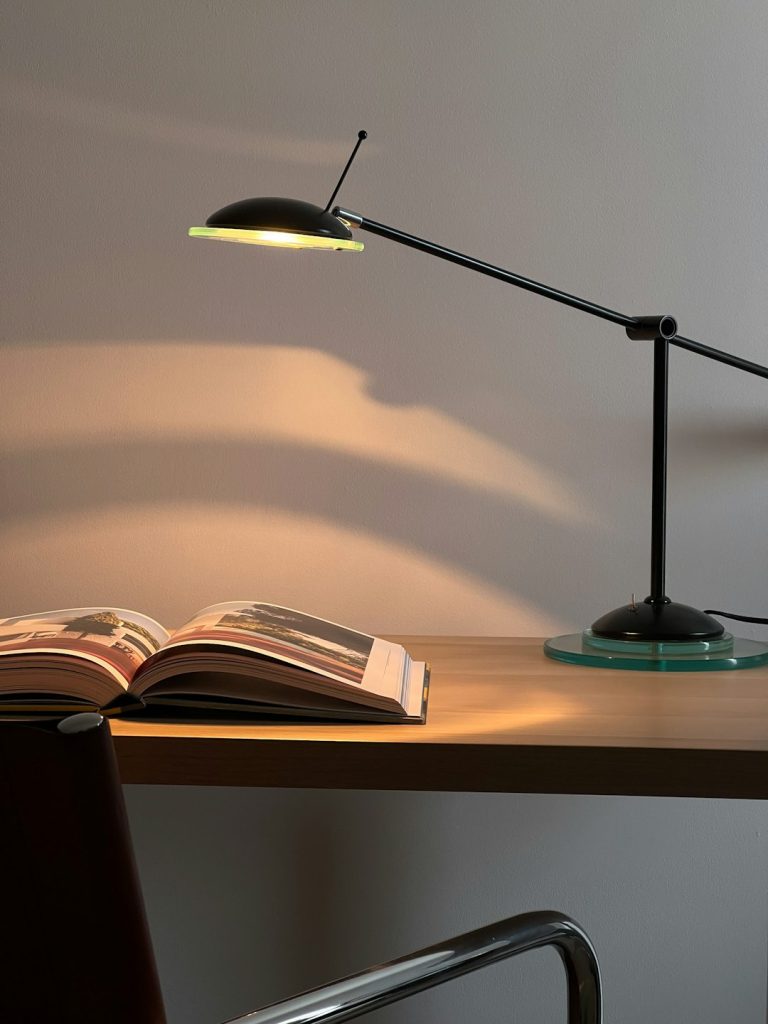
Are you tired of your desk lamp being either too bright or too dim? Finding the perfect lighting for your workspace can make a huge difference in how comfortable and productive you feel.
What if you could easily adjust your lamp’s brightness whenever you want, without buying a new one? In this guide, you’ll learn simple, step-by-step DIY methods to dim your desk lamp quickly and safely. Keep reading, and soon you’ll have full control over your lighting—making your desk the ideal spot for work, reading, or relaxing.

Credit: hirosarts.com
Choosing The Right Desk Lamp
Choosing the right desk lamp is crucial when you want to dim your lighting effectively. Not every lamp will work well with a dimmer, and the type of lamp you pick influences how smoothly you can adjust brightness. Understanding your options helps you avoid frustration and ensures your workspace feels comfortable and personalized.
Types Of Desk Lamps
Desk lamps come in various styles, including adjustable arm lamps, clip-on lamps, and simple fixed-base lamps. Adjustable arm lamps give you flexibility in directing light exactly where you need it. Clip-on lamps save space and can be attached to shelves or the side of your desk, making them handy for small areas.
Think about how you use your desk. Do you need focused light for reading or a soft glow for ambiance? Your choice here will guide which lamp suits your dimming needs best.
Lamp Compatibility With Dimmers
Not all desk lamps work with dimmer switches. Traditional incandescent bulbs usually dim smoothly, but many LED and CFL lamps can flicker or fail to dim properly. Check if your lamp specifically states “dimmable” on the packaging or product details.
Some lamps have built-in dimming controls, which might not be compatible with external dimmer switches. You want to avoid mismatches that can cause buzzing sounds or damage. Have you tested your lamp with a dimmer before buying? If not, now’s a good time to ask or research.
Selecting The Ideal Bulb
The bulb you use affects dimming quality more than you might expect. Incandescent bulbs give warm, consistent dimming but use more energy. LEDs are energy-efficient but need to be labeled dimmable and matched with the right dimmer to avoid flicker.
Try to pick bulbs with a lower wattage if you want subtle dimming, or brighter bulbs if you need more light range. Your desk lamp and bulb combo should feel natural and easy to adjust, not a hassle. Have you considered how bulb color temperature impacts your work mood? Warmer tones relax while cooler tones boost focus.
Credit: www.greensafaris.com
Tools And Materials Needed
Before starting to dim a desk lamp yourself, gather the right tools and materials. Having everything ready helps you work smoothly and safely. This section covers what you need for a successful DIY dimming project.
Essential Tools
- Screwdriver set (flathead and Phillips)
- Wire stripper and cutter
- Multimeter for checking voltage
- Soldering iron and solder (optional)
- Electrical tape or heat shrink tubing
- Small pliers for bending wires
Required Components
- Dimmer switch compatible with desk lamp voltage
- Compatible lamp socket or adapter (if needed)
- Electrical wires (usually 18-20 gauge)
- Wire connectors or terminal blocks
- Replacement bulbs suitable for dimming (LED or incandescent)
Safety Gear
- Insulated gloves to prevent shocks
- Safety goggles to protect eyes
- Work on a dry, stable surface
- Turn off power before starting any work
Preparing The Desk Lamp
Choose a desk lamp that supports dimming features or can be modified easily. Gather basic tools like a dimmer switch and screwdriver before starting. Ensure the lamp is unplugged to work safely while preparing it for dimming adjustments.
Preparing the Desk Lamp Getting your desk lamp ready for dimming is essential. The process involves a few key steps. Each step ensures safety and effectiveness. First, gather necessary tools. A screwdriver, pliers, and a voltage tester are must-haves. Unplug the lamp to avoid any electrical mishaps. Safety first!Disassembling The Lamp
Start by removing the lamp’s shade. This gives you access to the inner parts. Use a screwdriver to loosen screws on the base. Keep track of each part. It makes reassembly easier later. Take your time to avoid damaging any components.Inspecting The Wiring
Examine the lamp’s wiring closely. Look for any frayed or damaged wires. A voltage tester can help check for current. Ensure all connections are secure. Faulty wiring may cause problems later. Make a note of any issues you find.Removing The Bulb
Carefully unscrew the bulb from its socket. Place it in a safe spot. This prevents accidental breakage. Inspect the bulb socket for any signs of wear. A damaged socket can affect dimming. Clean the socket if needed. Dust can interfere with the electrical connection.Installing A Dimmer Switch
Installing a dimmer switch on your desk lamp can transform your workspace by giving you full control over the lighting intensity. It’s a simple upgrade that lets you create the perfect ambiance, whether you need bright light for focused tasks or a soft glow for relaxation. Let’s break down how to install a dimmer switch safely and effectively.
Choosing The Right Dimmer
Not all dimmers work with every type of bulb or lamp. You need to check whether your desk lamp uses incandescent, LED, or CFL bulbs before buying a dimmer switch.
Look for dimmers labeled as compatible with your bulb type to avoid flickering or damage. For example, LED-compatible dimmers are designed to handle the lower wattage and different electrical characteristics of LED bulbs.
Also, consider the wattage rating of the dimmer. Make sure it can handle the total wattage of your lamp. If your lamp is 60 watts, a dimmer rated for 100 watts or more will give you a safe margin.
Wiring The Dimmer Switch
Before you start, unplug your desk lamp to avoid any electrical shock. Open the lamp’s base or switch housing to access the wiring inside.
You’ll typically find two wires: the live (hot) wire and the neutral wire. The dimmer switch will have corresponding wires or terminals labeled for easy identification.
Connect the dimmer’s live wire to the lamp’s live wire, and the dimmer’s neutral wire to the lamp’s neutral wire. Twist the wires together and secure them with wire nuts. If your dimmer has a ground wire, attach it to the lamp’s grounding point or metal base.
Securing The Connections
Loose connections can cause flickering or even electrical hazards, so make sure each wire is tightly connected and insulated.
Use electrical tape around the wire nuts to add extra security and prevent any exposed copper from touching other parts. Tuck the wires neatly inside the lamp housing to avoid pinching them when you close the cover.
Once everything is secured, plug in your lamp and test the dimmer. Does the light smoothly adjust from bright to dim without flickering? If yes, you’ve successfully installed your new dimmer switch!
Testing The Dimmer Function
Testing the dimmer function is a crucial step in your DIY desk lamp project. It confirms the dimmer works correctly and lets you control light levels smoothly. Proper testing prevents damage and ensures safety.
Powering Up The Lamp
Plug the lamp into a power outlet carefully. Ensure all wiring is secure and insulated. Turn on the lamp switch. Watch for any flickering or unusual sounds. These signs may indicate wiring issues or a faulty dimmer.
Adjusting Brightness Levels
Rotate or slide the dimmer control slowly. Notice how the light changes from bright to dim. Check if the dimming is smooth without sudden jumps. Test the full range, from the lowest to highest brightness.
- Start at full brightness.
- Slowly decrease to the lowest light.
- Adjust back up to full brightness.
Proper dimming should feel responsive and stable. The lamp should not flicker or cut off unexpectedly.
Troubleshooting Common Issues
Flickering light may mean a loose connection or incompatible bulb. Use bulbs rated for dimming. A buzzing noise often signals low-quality dimmer switches. Ensure the dimmer matches the lamp’s wattage.
If the lamp does not dim, double-check wiring. Confirm the dimmer switch is correctly installed. Replace parts if needed and test again carefully.
Enhancing Lighting Ambiance
Enhancing the lighting ambiance of your desk lamp creates a comfortable and productive space. Soft, adjustable light helps reduce eye strain and sets a pleasant mood. Simple DIY changes can make your lamp more flexible and stylish.
Using Smart Bulbs With Dimmers
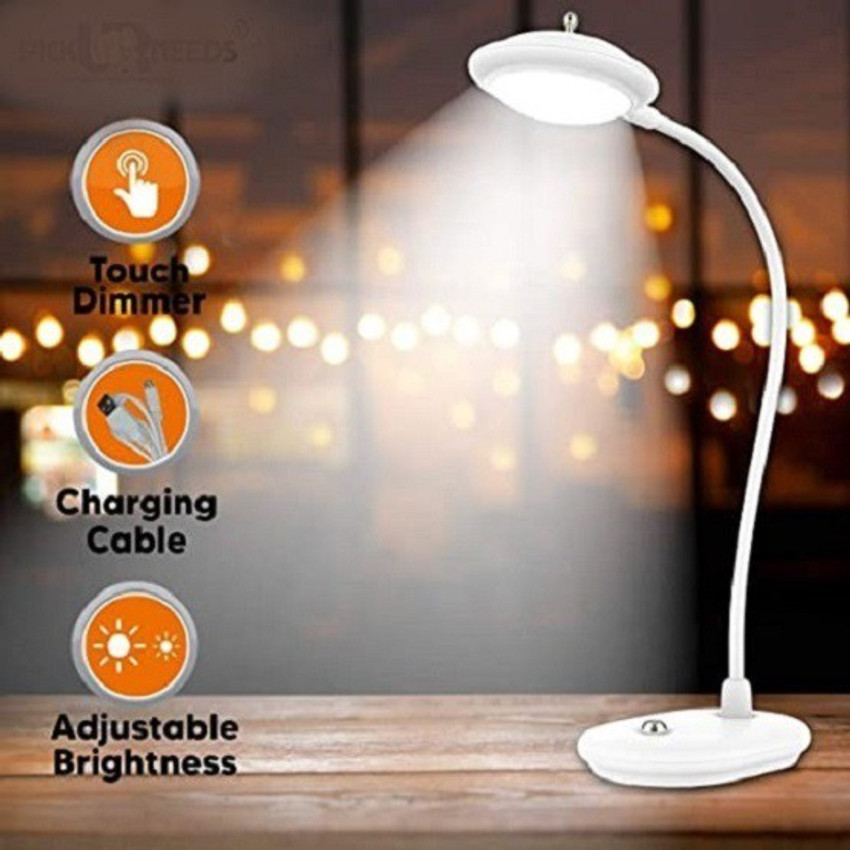
Smart bulbs offer easy control over brightness and color. They connect to apps or voice assistants for quick adjustments. Choose bulbs with dimming features to set light levels precisely. These bulbs save energy and last longer than regular ones.
Combining Multiple Light Sources
Mixing light sources adds depth and warmth to your desk area. Use task lights for focused work and ambient lights for general glow. Layer different types of bulbs and lamps to avoid harsh shadows. This combination makes the space inviting and functional.
Maintaining Lamp Safety
Check that your lamp and bulbs match in power ratings. Avoid overloading sockets or using damaged wires. Keep the lamp away from flammable materials. Regularly clean the lamp to prevent dust buildup, which can cause overheating.
Credit: www.youtube.com
Frequently Asked Questions
How Can I Dim A Desk Lamp Without Buying A New One?
You can dim a desk lamp by installing a dimmer switch or using a smart bulb. Both methods allow easy brightness control. Another option is to replace the bulb with a lower wattage one for softer light.
What Tools Do I Need To Dim A Desk Lamp Diy?
You typically need a screwdriver, wire stripper, dimmer switch, and electrical tape. If using a smart bulb, no tools are required. Always ensure the lamp is unplugged before starting any electrical work.
Is It Safe To Install A Dimmer Switch On A Desk Lamp?
Yes, it is safe if the dimmer switch is compatible with the lamp’s bulb type. Follow manufacturer instructions carefully and ensure the power is off during installation. Use dimmers designed for low wattage lamps.
Can Led Bulbs Be Dimmed In Desk Lamps?
Only dimmable LED bulbs can be dimmed. Check packaging for dimmable labels. Non-dimmable LEDs may flicker or get damaged when connected to dimmer switches.
Conclusion
Dimming a desk lamp is simple with the right steps. You can control light to suit your needs. A DIY dimmer saves money and adds comfort. Use safe materials and follow instructions carefully. Brightness changes help reduce eye strain and create mood.
Try this project to improve your workspace today. Small changes make a big difference in lighting. Enjoy a cozy, well-lit desk every day.



