
Is your desk lamp too bright, making it hard to focus or relax? You’re not alone.
Finding the perfect light level can change how you work, read, or unwind. But how do you dim the light on your desk lamp without complicated tools or extra gadgets? You’ll discover simple, effective ways to adjust your lamp’s brightness so it fits your needs perfectly.
Keep reading, and you’ll soon create the ideal lighting for every moment at your desk.
Choosing The Right Desk Lamp
Choosing the right desk lamp can change how you work, read, or relax at your desk. The perfect lamp not only brightens your space but also lets you control the light intensity to suit your mood and tasks. Before buying, think about the type of lamp and the features that will make dimming easy and effective for you.
Types Of Desk Lamps
Desk lamps come in various shapes and styles, each offering different ways to adjust light. Traditional lamps with a dimmer switch give you simple control over brightness. LED desk lamps often include touch controls and multiple light settings.
There are also swing-arm lamps that let you direct light exactly where you need it. If you prefer minimal space usage, clip-on lamps can attach to your desk edge and provide adjustable lighting without clutter. Think about how you use your desk and which lamp type fits your setup best.
Lamp Features To Look For
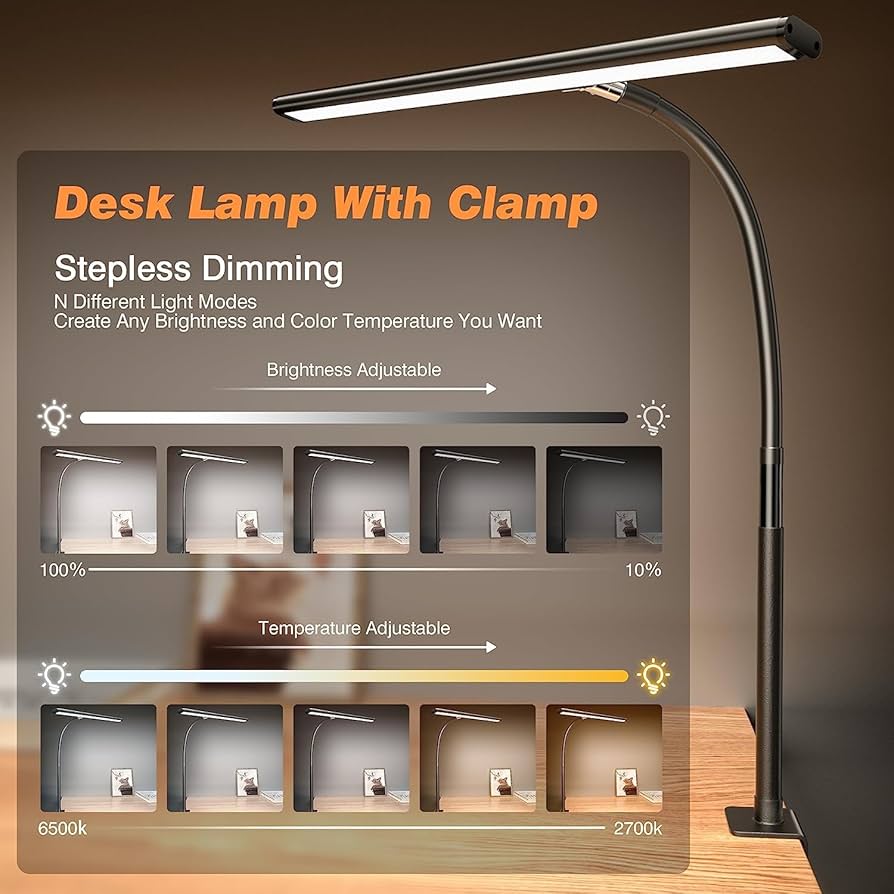
Look for lamps with easy-to-use dimming functions like rotary knobs, touch sensors, or remote controls. Adjustable brightness levels help you find the perfect light for any time of day. Some lamps even offer color temperature changes, so you can switch between warm and cool light.
Energy efficiency is another important feature. LED lamps use less power and last longer, saving you money over time. Also, check if the lamp has a stable base or flexible arms to prevent accidents while adjusting the light. Which features matter most to you when working or relaxing at your desk?
Credit: www.amazon.com.au
Methods To Dim Desk Lamps
Dimming your desk lamp can transform your workspace, making it more comfortable and tailored to your needs. There are several ways to adjust the brightness, each with its own benefits depending on your lamp type and setup. Let’s look at practical methods you can try to achieve the perfect lighting level.
Using Built-in Dimmers
Many modern desk lamps come with built-in dimmer controls, such as a rotary knob or touch-sensitive panel. These controls let you easily adjust brightness without extra tools or devices.
If your lamp has this feature, experiment with different settings throughout the day. You might find that softer light helps reduce eye strain during long work sessions.
Installing A Dimmer Switch
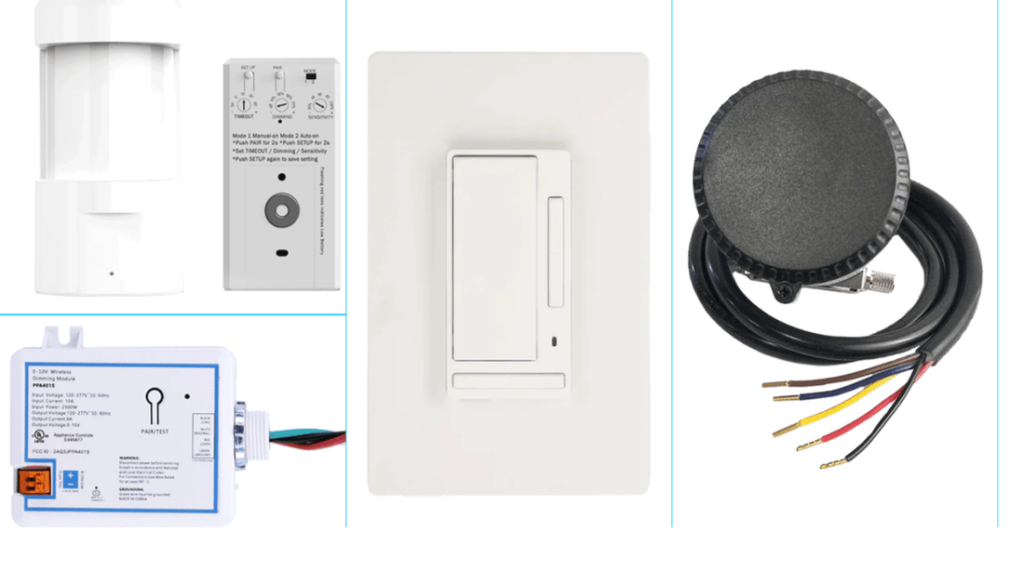
If your lamp doesn’t have a built-in dimmer, you can add one by installing a dimmer switch between the power source and the lamp.
- Choose a dimmer switch compatible with your lamp’s bulb type (LED, incandescent, etc.).
- Follow safety instructions or consult an electrician to install it properly.
- This upgrade offers precise control over light levels without replacing the lamp.
Have you ever noticed how much difference a simple dimmer switch makes in setting the right mood for work or relaxation?
Using Smart Bulbs And Apps
Smart bulbs are a flexible option for dimming because you control them via smartphone apps or voice commands.
- Install the bulb in your desk lamp, then connect it to your home Wi-Fi network.
- Use the app to adjust brightness, set schedules, or even change colors.
- This method adds convenience and customization without hardware changes.
Imagine lowering your desk lamp’s brightness from across the room without standing up. Wouldn’t that make your workflow smoother?
Adjusting Lamp Position And Shade
Sometimes, dimming doesn’t require technology but simple adjustments to your lamp’s position or shade.
- Move the lamp further away from your work area to reduce intensity.
- Swap the lampshade for one made of a thicker or darker material to soften the light.
- Angle the lamp to direct light away from your eyes while still illuminating your workspace.
Have you tried repositioning your lamp before investing in dimming devices? Small tweaks can make a surprising difference.
Selecting The Best Bulbs For Dimming
Choosing bulbs labeled as dimmable ensures smooth light adjustment without flickering. LED or incandescent bulbs often work well for desk lamps with dimmers. Match bulb wattage to your lamp’s specifications for the best dimming experience.
Selecting the right bulb for your desk lamp can significantly enhance your workspace’s ambiance and functionality. Whether you’re reading, working, or simply relaxing, the right bulb can make all the difference. Let’s explore some key factors to consider when choosing the best bulbs for dimming.Led Vs Incandescent Bulbs
LED bulbs have become incredibly popular due to their energy efficiency and longevity. They provide a wide range of dimming capabilities and are often compatible with most dimmer switches. Incandescent bulbs, on the other hand, offer a warm, classic glow but tend to consume more energy and have a shorter lifespan. If you prioritize sustainability and cost-effectiveness, LEDs are the way to go. However, if you love the nostalgic feel of traditional lighting, incandescent might be your choice. Keep in mind, though, that incandescent bulbs are being phased out in many areas due to environmental concerns.Bulb Wattage And Brightness
The wattage of a bulb determines how much power it uses, while brightness is measured in lumens. For a desk lamp, a bulb with 450 lumens is usually sufficient for tasks like reading and writing. Lower wattage bulbs are ideal for dimming as they offer softer light and save energy. Always ensure your lamp’s socket can handle the wattage of the bulb you choose.Color Temperature For Ambiance
Color temperature is measured in Kelvin (K) and affects the mood of your space. Warm light (around 2700K-3000K) creates a cozy and inviting atmosphere, perfect for relaxing. Cool light (above 5000K) is brighter and more stimulating, ideal for focusing and productivity. Consider the primary use of your desk lamp when selecting the color temperature. By selecting the right bulb, you can transform your desk into a space that supports your daily activities while enhancing the overall ambiance. Have you ever noticed how a simple change in lighting can affect your mood and efficiency? Choosing the right bulb might just be the key to unlocking a more productive and pleasant environment.
Credit: www.amazon.ca
Diy Tips For Softening Desk Lamp Light
Softening the light from your desk lamp can create a calm and cozy workspace. Bright light sometimes strains your eyes and causes discomfort. Simple DIY tricks help reduce harshness without buying new lamps. These tips use materials you likely have at home or can find easily. Try different ways to find the best light for your desk.
Using Lampshades And Diffusers
Lampshades are an easy way to soften light. Choose shades made from fabric or paper for gentle diffusion. They spread light evenly and reduce glare. You can also create a DIY diffuser using parchment paper or thin cloth. Attach it around the bulb or over the lamp to mellow the brightness. Diffusers work well to scatter harsh light and create a warm glow.
Adding Filters Or Covers
Colored filters or covers change light tone and reduce intensity. Use translucent colored plastic sheets or old gift wrap. Cut them to fit your lamp and secure with tape or clips. Light passing through these covers appears softer and less direct. Select warm colors like yellow or orange for a cozy feel. Make sure the filter is heat resistant to avoid fire risk.
Creative Placement Techniques
Adjusting your lamp’s position also affects light softness. Move the lamp further from your work surface. Position it to shine on walls or ceilings rather than directly on your desk. Reflected light is gentler and spreads wider. Use nearby objects like books or white paper to bounce light softly. Small changes in placement can greatly improve lighting comfort.
Common Troubleshooting Tips
Common issues can arise while trying to dim your desk lamp. Troubleshooting helps identify and solve these problems. Understanding common problems saves time and effort. Simple checks often restore proper function quickly.
Dealing With Flickering Lights
Flickering lights often mean a poor connection or incompatible bulb. Check the bulb for looseness and tighten it gently. Replace bulbs that flicker frequently with a different type. Some LED bulbs do not work well with dimmers.
Try using bulbs labeled as dimmable. Inspect the lamp’s wiring for any damage or loose parts. Avoid using bulbs with lower wattage than recommended. Flickering may also come from a faulty dimmer switch.
Compatibility Issues With Dimmers
Not all lamps work with every dimmer switch. Some bulbs need specific dimmers for smooth dimming. Verify the lamp and dimmer are compatible by reading their labels. Using incompatible parts can cause poor dimming or damage.
LED and CFL bulbs often require special dimmers. Incandescent bulbs usually work with standard dimmers. Choose a dimmer designed for the bulb type in your desk lamp. Consult product manuals for compatibility details.
Safety Precautions
Always unplug the lamp before inspecting or repairing it. Avoid touching electrical parts with wet hands. Use tools with insulated handles for any adjustments. If unsure, consult a professional electrician.
Do not overload the lamp socket with high-wattage bulbs. Check the lamp’s voltage rating and use bulbs within limits. Keep the lamp away from flammable materials when operating. Follow all manufacturer safety instructions carefully.
Credit: www.nytimes.com
Frequently Asked Questions
How Can I Dim My Desk Lamp Without A Built-in Dimmer?
Use a plug-in dimmer switch or replace the bulb with a dimmable LED. These options allow you to adjust brightness easily without rewiring your lamp.
What Type Of Bulbs Work Best For Dimming Desk Lamps?
Dimmable LED or incandescent bulbs work best. Avoid non-dimmable LEDs as they may flicker or get damaged when dimmed.
Can I Use A Smart Bulb To Dim My Desk Lamp?
Yes, smart bulbs can be dimmed via apps or voice commands. They offer customizable brightness and color settings for convenience.
Is It Safe To Install A Dimmer Switch On My Desk Lamp?
Yes, if the lamp and bulbs are compatible with dimming. Always follow manufacturer instructions to ensure safety and avoid electrical issues.
Conclusion
Dimming your desk lamp improves comfort and saves energy. You can use dimmer switches or smart bulbs for easy control. Adjust the light to fit your task or mood. A softer light helps reduce eye strain during long work hours.
Try different settings to find what works best for you. Small changes make your workspace more pleasant and inviting. Keep your desk lamp simple and flexible to suit your needs. Brightness control is a small step with big benefits.



