
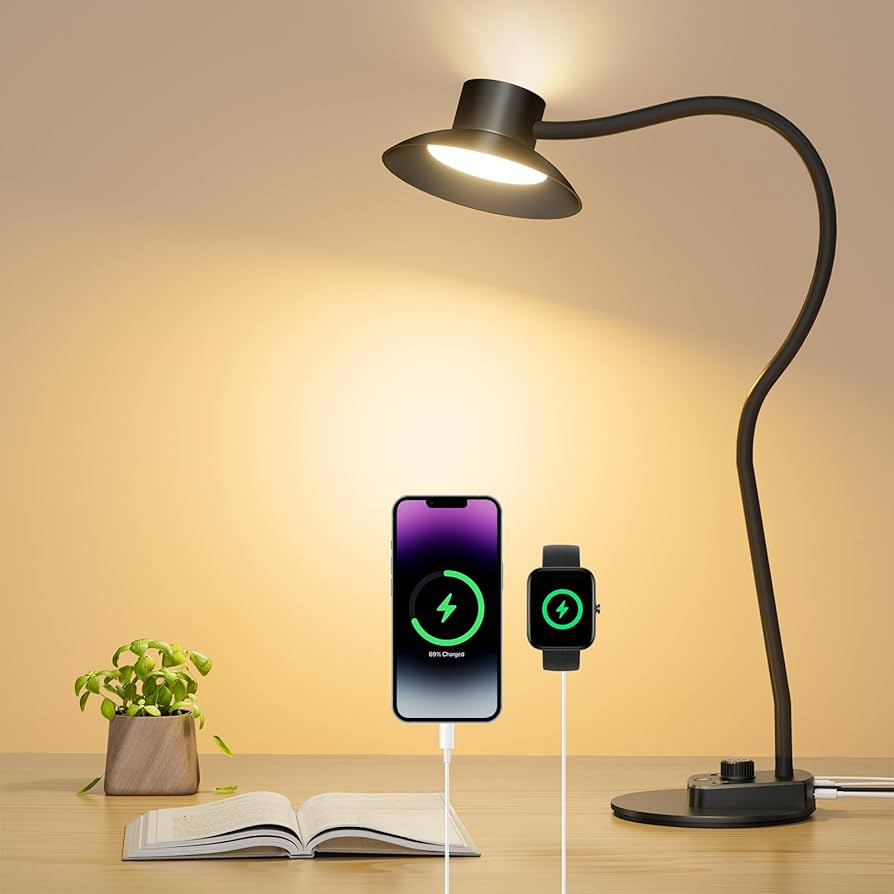
You have a desk lamp that no longer works or fits your style. Now, you’re wondering how to get rid of it the right way.
Tossing it in the trash might seem easy, but it could harm the environment or break local rules. What if there was a simple, safe way to dispose of your desk lamp without stress or guilt? Keep reading, and you’ll discover easy steps to handle your old lamp responsibly.
By the end, you’ll know exactly what to do—making your cleanup smooth and eco-friendly.
Types Of Desk Lamps
Desk lamps come in various types, each with unique features and disposal needs. Knowing the lamp type helps in choosing the right disposal method. It also ensures safety and environmental care.
Incandescent Lamps
Incandescent desk lamps use a tungsten filament to produce light. They are common and affordable but consume more energy. These lamps contain glass and metal parts that can be recycled. They do not contain hazardous materials but should be handled carefully to avoid breakage.
Led Lamps
LED desk lamps are energy-efficient and long-lasting. They use light-emitting diodes instead of filaments. LED lamps have electronic components that require special recycling. These lamps save electricity and produce less heat. Avoid throwing them in regular trash to protect the environment.
Fluorescent Lamps
Fluorescent desk lamps use gas and a phosphor coating inside the tube. They provide bright, cool light but contain small amounts of mercury. Mercury is toxic and needs careful handling during disposal. These lamps must be taken to hazardous waste facilities or recycling centers. Never break the tube to avoid mercury exposure.
Checking Local Disposal Rules
Proper disposal of a desk lamp requires understanding local rules. These rules vary by location and affect how you should discard your lamp. Checking local disposal rules helps avoid fines and protects the environment. It ensures you follow safe and legal methods.
Municipal Guidelines
Municipalities often have specific rules for disposing of lamps. Some cities allow lamps in regular trash, while others require special drop-off points. Many local governments offer recycling programs for electronic and electrical items.
It helps to visit your city’s official website or contact waste management services. They provide details on collection days and locations for lamp disposal. Following these guidelines keeps your community clean and safe.
Hazardous Waste Regulations
Desk lamps may contain hazardous materials like mercury or lead. Hazardous waste rules control how these items must be handled. Disposal in regular trash may be illegal and harmful to health.
Local hazardous waste programs often accept lamps for safe recycling. These programs prevent toxic materials from polluting soil and water. Check local hazardous waste sites or events for proper disposal options.
Preparing The Lamp For Disposal
Before you toss your desk lamp out or take it to a recycling center, there are important steps to make sure it’s safe and ready for disposal. Preparing the lamp properly helps protect the environment and anyone handling the waste. It also ensures that valuable parts like bulbs and batteries don’t end up causing harm.
Removing Bulbs And Batteries
Start by carefully unscrewing or pulling out the light bulb. Some bulbs, like LEDs or CFLs, contain materials that need special handling. If you leave them inside, they might break and release hazardous substances.
Check if your lamp has batteries in the base or switch. Batteries can leak harmful chemicals if damaged, so remove them before disposal. Keep the batteries aside and take them to a designated battery recycling point.
Unplugging And Cleaning
Always unplug the lamp before handling it. This simple safety step prevents accidental shocks or short circuits. After unplugging, wipe down the lamp with a damp cloth to remove dust and grime.
Cleaning your lamp before disposal can make the recycling process smoother. It also shows respect to workers who handle these items. Have you ever thought about how a little cleaning makes a big difference in recycling efficiency?

Credit: www.amazon.ca
Recycling Options
Many recycling centers accept desk lamps, especially if they contain metal or plastic parts. Check local e-waste programs for safe disposal options. Some stores offer lamp recycling services to keep materials out of landfills.
Recycling Options Wondering what to do with an old desk lamp? Recycling is a smart choice. It reduces waste and protects our environment. Let’s explore some recycling options for your desk lamp.Electronic Recycling Centers
Many communities have electronic recycling centers. These centers accept items like desk lamps. They safely dismantle electronic parts and recycle materials. Check your local recycling center’s website. They often list items they accept. Call ahead to confirm if they take desk lamps. Remember to remove any light bulbs before you go. Some centers even offer free drop-off services.Specialized Lamp Recyclers
Specialized lamp recyclers focus on lamps and bulbs. They know how to handle different lamp parts. These include metal, plastic, and glass. Search online for a lamp recycler near you. Some offer mail-in services. You send your lamp to them, and they recycle it. This is a convenient option if no local center exists. Always check their guidelines before sending your lamp.Donation And Reuse
Donation and reuse give your desk lamp a second life. Instead of throwing it away, consider sharing it with others. This helps reduce waste and supports community needs. Many lamps still work perfectly and can brighten someone else’s space.
Charity Organizations
Charity organizations often accept gently used desk lamps. They supply these lamps to families, schools, or shelters in need. Find local charities that collect home goods. Check their donation guidelines to ensure the lamp qualifies.
Some charities may offer pickup services. Others have drop-off locations. Donating your lamp can make a real difference. It helps people who cannot afford new lighting.
Diy Upcycling Ideas
Old desk lamps can become new projects at home. Upcycling turns them into creative and useful items. You can paint the lamp base for a fresh look. Change the lampshade to match room decor.
Try these simple ideas:
- Convert the lamp into a unique plant holder.
- Use the lamp parts for a modern art piece.
- Create a small reading light with LED bulbs.
DIY upcycling saves money and reduces waste. It also gives you a fun way to personalize your space.

Credit: www.amazon.co.uk
Avoiding Common Disposal Mistakes
Throwing away a desk lamp carelessly can cause problems. Many people do not know the right way to dispose of lamps. Mistakes can harm the environment and waste useful materials. Learning how to avoid common disposal errors helps keep homes safe and supports recycling efforts.
Why Not To Trash Lamps
Lamps contain parts that should not go to landfills. Some bulbs have mercury, a toxic metal. Throwing these in the trash can pollute soil and water. Also, many lamps have metal and glass that recycling centers can reuse. Disposing of lamps properly reduces waste and protects nature.
Handling Fragile Components
Lamps often have fragile glass parts and bulbs. These can break easily during disposal. Broken glass can cause injuries and makes recycling harder. Handle lamps gently and wrap bulbs in paper or cloth. Use a box or container to keep parts safe during transport. This care helps recyclers process materials better.
Eco-friendly Alternatives
Choosing eco-friendly alternatives helps reduce waste and protect the environment. Small changes in lamp choices and disposal methods make a big difference. This section explores smart options for using and discarding desk lamps sustainably.
Energy-efficient Lamp Choices
Switching to energy-efficient lamps saves electricity and lowers bills. LED bulbs use less power and last longer than traditional bulbs. Compact fluorescent lamps (CFLs) also consume less energy. These options reduce carbon footprints and help conserve resources.
- LED bulbs: long-lasting, low energy use
- CFL bulbs: use less power, cost-effective
- Solar-powered lamps: no electricity required
Choosing lamps with recyclable parts supports sustainability. Look for products made from recycled or eco-friendly materials. This reduces landfill waste and promotes a circular economy.
Sustainable Disposal Practices
Proper disposal keeps harmful materials out of landfills. Many lamps contain metals and chemicals that can pollute soil and water. Recycling centers accept old desk lamps for safe processing. Local hazardous waste programs also handle electronic waste responsibly.
- Find local recycling centers for electronic waste
- Use hazardous waste collection events
- Donate working lamps to charities or schools
- Repurpose parts for crafts or repairs
Always remove batteries and bulbs before disposal. Follow local regulations to avoid fines and environmental harm. This approach protects ecosystems and conserves valuable materials.

Credit: www.amazon.co.uk
Frequently Asked Questions
How Do I Safely Dispose Of A Desk Lamp?
Unplug the lamp and remove any bulbs. Check local guidelines for electronic waste disposal. Many areas have designated e-waste recycling centers for safe handling.
Can I Recycle Parts Of A Desk Lamp?
Yes, metal and plastic parts can often be recycled separately. Remove bulbs and cords before recycling. Confirm with your local recycling program for specific instructions.
Where To Donate A Working Desk Lamp?
Consider donating to local charities, shelters, or thrift stores. Many organizations accept gently used lamps to help those in need. Ensure the lamp is in good working condition.
Are Desk Lamps Hazardous Waste?
Desk lamps are generally not hazardous waste but may contain hazardous components like bulbs. Dispose of CFL or fluorescent bulbs at special recycling centers to avoid environmental harm.
Conclusion
Disposing of a desk lamp safely protects the environment and saves resources. Separate parts like bulbs, cords, and metal for proper recycling. Many communities offer special collection points for electronic waste. Avoid throwing lamps in regular trash bins. Small actions make a big difference over time.
Taking time to dispose of lamps correctly helps keep neighborhoods clean. Always check local rules for disposal to avoid fines. A little care today helps build a greener tomorrow.



