

Is your attic feeling too hot in summer or damp in winter? Poor attic ventilation might be the hidden problem costing you comfort and money.
You may not realize it, but the way air flows through your attic affects your whole home’s health and energy bills. Figuring out attic ventilation can seem tricky, but it doesn’t have to be. You’ll discover simple steps to understand and improve your attic ventilation.
By the end, you’ll know exactly what your attic needs to stay fresh, dry, and energy-efficient. Keep reading—your home will thank you.
Why Attic Ventilation Matters
Attic ventilation plays a key role in maintaining a comfortable and healthy home. Proper airflow in the attic helps control temperature and moisture levels. It prevents damage to your roof and other parts of the house. Knowing why attic ventilation matters can save you money on repairs and energy bills. It also keeps your home safer and more comfortable all year round.
Effects On Home Temperature
Good attic ventilation lowers heat buildup during hot days. It allows hot air to escape, keeping the attic cooler. Cooler attics reduce the temperature in living spaces below. This means less need for air conditioning and lower energy bills. In winter, ventilation helps remove warm, moist air that can cause problems. Proper airflow balances the temperature inside your home.
Preventing Moisture Build-up
Moisture in the attic can cause mold and wood rot. Poor ventilation traps humidity inside the attic space. This moisture damages insulation and wooden structures. Ventilation helps moisture escape, keeping the attic dry. Dry attics protect your home from health risks and structural damage. It also prevents ice dams by reducing moisture in cold weather.
Extending Roof Lifespan
Heat and moisture can shorten your roof’s life. Excess heat causes roofing materials to crack and warp. Moisture leads to rot and mold under shingles and wood. Ventilation reduces these risks by keeping the attic dry and cool. A well-ventilated attic helps your roof last longer. It lowers repair costs and protects your home’s value.
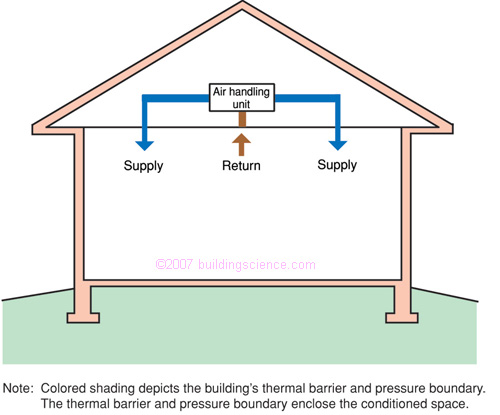
Credit: buildingscience.com
Types Of Attic Ventilation
Attic ventilation plays a crucial role in maintaining a healthy home environment. Choosing the right type can improve air circulation, reduce moisture buildup, and even lower your energy bills. Understanding the different types of attic ventilation helps you pick the best solution for your space and climate.
Ridge Vents
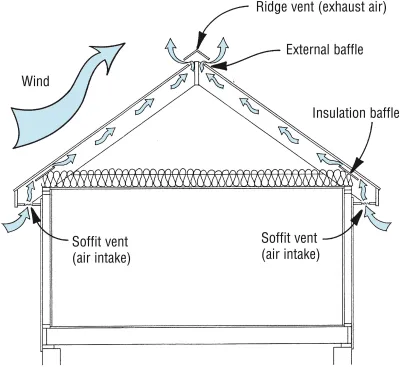
Ridge vents run along the peak of your roof and allow hot air to escape naturally. They work best when paired with intake vents like soffit vents to create a balanced airflow. I once replaced an old attic vent with ridge vents and immediately noticed less heat buildup upstairs during summer.
Soffit Vents
Soffit vents are installed under the eaves of your roof and bring fresh air into the attic. They work as intake vents, pushing cooler air upward toward the ridge vents or other exhausts. If your attic feels stuffy, adding soffit vents can make a big difference in ventilation.
Gable Vents
Gable vents are placed on the exterior walls of your attic near the peak. They provide both intake and exhaust air options, depending on wind direction. I found gable vents useful in homes without a traditional roof design, offering flexible ventilation points.
Powered Vents
Powered vents use electric fans to actively pull hot air out of the attic. They can improve ventilation quickly, especially in larger or poorly ventilated spaces. However, they consume energy, so weigh the benefits against increased electricity costs before installing.
Signs Of Poor Ventilation
Recognizing the signs of poor attic ventilation is crucial for maintaining your home’s comfort and structural health. If your attic isn’t properly ventilated, it can lead to hidden problems that affect your energy bills and even the lifespan of your roof. Keep an eye out for these clear warning signals that your attic needs better airflow.
Excessive Heat In Summer
Does your upper floors feel unbearably hot during summer? That could be a sign your attic is trapping heat instead of releasing it. Excessive attic heat pushes warm air into your living space, making your air conditioner work harder and increasing energy costs.
Try climbing into your attic on a sunny day. If it feels like a sauna up there, it’s a red flag. Proper ventilation helps remove this trapped heat, keeping your home cooler and your energy bills lower.
Ice Dams In Winter
Noticed long icicles hanging from your roof edges? Ice dams form when warm air from a poorly ventilated attic melts snow on the roof. The melted snow then refreezes at the colder eaves, causing water to back up under shingles.
This can lead to leaks and water damage inside your home. If you spot ice dams, consider checking your attic ventilation before the problem worsens. Good airflow keeps your roof temperature stable, preventing these damaging ice buildups.
Musty Odors And Mold
Have you ever walked into your attic and smelled a damp, musty odor? That smell often signals trapped moisture and poor ventilation. Moist air encourages mold growth, which can damage wood structures and affect your family’s health.
Look for visible mold spots or water stains on attic surfaces. If you find any, improving ventilation is a must to dry out the space and stop mold from spreading. Your attic should feel dry and fresh, not damp and stuffy.
Credit: www.jlconline.com
Calculating Ventilation Needs
Calculating your attic’s ventilation needs is key to keeping your home comfortable and your roof in good shape. Without the right balance of airflow, heat and moisture can build up, leading to costly damage. You can avoid this by understanding how much ventilation your attic requires and where to place it.
Measuring Attic Size
Start by measuring the length and width of your attic floor. Multiply these two numbers to get the total square footage of your attic. For example, if your attic is 30 feet long and 20 feet wide, your attic size is 600 square feet.
Don’t forget to consider the attic’s shape. If it has multiple sections or irregular areas, measure each separately and add them together. This gives you a more accurate idea of the space you need to ventilate.
Determining Vent Area
Next, calculate the total vent area required based on your attic size. The general recommendation is 1 square foot of ventilation for every 150 square feet of attic space. This means for a 600-square-foot attic, you’ll need about 4 square feet of vent area.
Vent area refers to the open space in your vents that allows air to flow freely. Check the packaging or manufacturer’s details to find the net free area (NFA) of your vents. This ensures you don’t underestimate or overestimate the amount of ventilation needed.
Balancing Intake And Exhaust
Proper attic ventilation depends on balancing intake vents (usually at the eaves or soffits) with exhaust vents (near the ridge or roof peak). Both types must provide equal amounts of airflow to avoid pressure imbalances.
If your intake vents allow 2 square feet of airflow, your exhaust vents should match that. Too much intake without enough exhaust can trap heat, while too much exhaust without intake can cause negative pressure and pull conditioned air from your living space.
Have you ever noticed a hot attic in summer or ice dams in winter? These issues often come from ventilation imbalance. Adjusting vent sizes and locations can solve them, making your attic a healthier part of your home.
Simple Steps To Improve Airflow
Check the size and location of vents to ensure proper airflow in your attic. Measure the attic space and compare it to vent area recommendations. Clear any blockages and add vents if needed to improve ventilation and reduce heat buildup.
Improving airflow in your attic is not just about enhancing the comfort of your home; it’s about extending the life of your roof and reducing energy bills. By ensuring proper ventilation, you can prevent moisture buildup, which can lead to mold and structural damage. Let’s dive into some simple steps to enhance the airflow in your attic.Clearing Blocked Vents
Blocked vents are a common culprit behind poor attic ventilation. Begin by inspecting your attic for any obstructions like insulation, dust, or debris that might be clogging the vents. Use a vacuum cleaner or a brush to clear away any blockages, ensuring that air can flow freely. A personal experience reminded me how easy it is to overlook this step. After cleaning out my attic vents, I noticed a significant drop in the overall temperature of my home.Installing Additional Vents
If your attic feels stuffy, it might be time to add more vents. Additional vents, such as ridge vents or soffit vents, can drastically improve airflow. Consider consulting a professional to determine the appropriate type and number of vents for your space. Installing these can be a weekend project, and the benefits can be felt almost immediately, from cooler summers to reduced heating costs in winter.Using Ventilation Fans
Ventilation fans can be a game-changer for attic airflow. By actively circulating air, these fans help keep the attic temperature in check, preventing heat buildup. There are various options available, from solar-powered fans to electric ones, and each comes with its own set of benefits. You might wonder, is it worth the investment? Think of it this way: a well-ventilated attic can save you more in cooling costs over time than the initial outlay for the fan. By taking these steps, you’re not just improving your attic’s airflow, but also enhancing the overall health of your home. What other changes could you make to boost energy efficiency?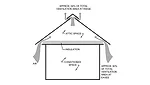
Credit: www.roofingcontractor.com
Common Mistakes To Avoid
Getting attic ventilation right is crucial, but many homeowners make avoidable errors that can reduce its effectiveness or even cause problems. Understanding these common mistakes helps you protect your home’s structure and improve energy efficiency. Let’s look at some pitfalls you should watch out for.
Overventilating
You might think more ventilation is always better, but that’s not true. Overventilating can cause cold air to enter your attic too quickly, which can lead to moisture buildup. This moisture can damage wood and insulation, leading to mold growth and costly repairs.
Think about how much air your attic really needs. Too much ventilation can actually increase your heating bills during winter because warm air escapes too fast. Ask yourself: Are you adding vents just because you can, or because your attic truly needs them?
Ignoring Insulation
Ventilation and insulation go hand in hand. If you improve your attic ventilation but ignore insulation, you won’t see the full benefits. Poor insulation lets heat escape in winter and enter in summer, making your HVAC work harder.
Without proper insulation, your attic ventilation may cause uncomfortable drafts or uneven temperatures. Make sure your insulation is adequate before adjusting your vents. Have you checked if your insulation is compressed or missing in some spots?
Improper Vent Placement
Where you place your vents matters as much as how many you install. Vents placed too close together or only on one side of the attic won’t allow air to circulate properly. This can cause hot spots and trapped moisture.
Effective ventilation requires both intake vents (usually near the eaves) and exhaust vents (near the roof ridge). Without this balance, your attic won’t breathe as it should. Are your vents positioned to create a smooth airflow path?
Frequently Asked Questions
What Is Attic Ventilation And Why Is It Important?
Attic ventilation allows air to flow in and out of the attic. It prevents heat buildup, moisture, and mold growth. Proper ventilation extends roof life and improves home energy efficiency.
How Do I Measure Attic Ventilation Properly?
Measure your attic’s square footage first. Calculate ventilation needs using the 1:150 ratio rule—one square foot of vent per 150 square feet of attic space. Balance intake and exhaust vents for effective airflow.
What Are Common Signs Of Poor Attic Ventilation?
Look for excessive heat in the attic, moisture buildup, mold, and ice dams in winter. These signs indicate inadequate airflow and potential damage to roofing and insulation.
Can Attic Ventilation Reduce Energy Bills?
Yes, proper attic ventilation lowers cooling costs by reducing heat buildup. It helps maintain consistent home temperatures and reduces the workload on air conditioning systems.
Conclusion
Proper attic ventilation helps keep your home safe and comfortable. It stops heat and moisture from building up. This can save you money on energy bills and prevent damage. Check your attic vents often to make sure they work well.
Good airflow means a healthier roof and better air inside your house. Start with simple steps, and you will see the benefits. Taking care of attic ventilation is a smart choice for any home.



