
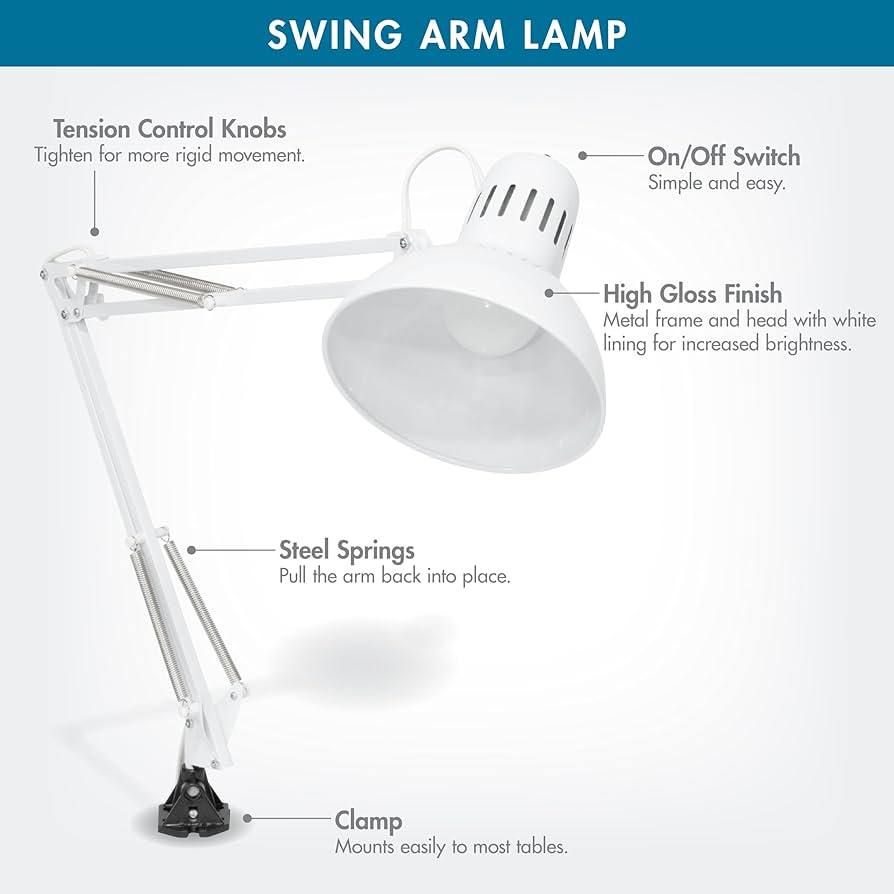
Is your desk lamp drooping and making it hard to focus on your work? A sagging lamp can be frustrating, but fixing it is easier than you think.
You don’t need to buy a new one or call a professional. You’ll discover simple and effective ways to bring your desk lamp back to life. Keep reading, and by the end, your lamp will shine bright and steady, just like it should.
Common Causes Of Sagging Desk Lamps
Sagging desk lamps lose their balance and cannot hold the light properly. This problem often happens because of parts wearing out or getting loose. Understanding common causes helps fix the lamp quickly and keeps it working well.
Worn-out Joints And Hinges
Joints and hinges allow the lamp to move and stay in place. Over time, these parts wear down from constant use. Worn-out joints cause the lamp to droop or fall to one side. Dirt and dust can also make joints stiff and weak.
Loose Screws And Fasteners
Screws and fasteners hold the lamp parts together. If they become loose, the lamp loses stability. Loose screws make the lamp wobble and sag. Regular tightening can prevent this issue and keep the lamp firm.
Damaged Or Bent Lamp Arms
The lamp arms support the lamp head and light bulb. Damage or bending weakens the arm’s strength. A bent arm cannot hold the lamp in the right position. This leads to sagging and uneven lighting on the desk.
Tools And Materials You’ll Need
Before you tackle that sagging desk lamp, gathering the right tools and materials is key. Having everything on hand saves you time and keeps frustration at bay. Plus, it makes the repair smoother and more effective.
Basic Hand Tools
You’ll need a few simple tools to get started. A screwdriver set with both flathead and Phillips heads often covers most screws on desk lamps.
Additionally, a pair of pliers can help you grip and tighten small parts. Don’t forget a small adjustable wrench if your lamp has nuts or bolts.
Replacement Parts
Sometimes, fixing a sagging lamp means swapping out worn parts. Look for replacement springs, screws, or tightening nuts that match your lamp’s model.
If the lamp arm uses tension washers or clips, having spares can make a big difference. You might find these parts at hardware stores or online specialty shops.
Adhesives And Lubricants
Sticky joints can cause sagging, so lubricants come in handy to smooth movement. A light machine oil or silicone spray usually does the trick without damaging metal or plastic.
If parts are loose or cracked, a strong adhesive like epoxy can help hold them together. Just be sure to use glue that dries clear and remains flexible to avoid new problems.
Quick Fixes For Loose Joints
Loose joints are a common reason your desk lamp starts sagging. Fixing them quickly can restore your lamp’s stability and keep your workspace bright. Small adjustments often make a big difference, so you don’t have to buy a new lamp just yet.
Tightening Screws And Bolts
Check all the screws and bolts holding your lamp’s joints together. Use a screwdriver or a wrench to tighten any that feel loose.
Sometimes, just a few turns can stop the sagging entirely. If you find screws that won’t tighten, they might be stripped and need replacing.
Adding Thread Lock Or Glue
If screws keep loosening over time, adding a drop of thread lock can help them stay put. Thread lock is a liquid that hardens and prevents screws from vibrating loose.
You can also try a small amount of strong glue on the screw threads as a quick fix. Be careful not to use too much, as you might want to remove the screw later.
Using Rubber Bands For Extra Grip
Rubber bands are a handy tool to add grip where screws can’t fully secure joints. Wrap a few tight loops around the joint area to increase friction.
This trick works well if your lamp’s arm is slipping due to worn-out parts. It’s a simple, inexpensive solution that can hold your lamp steady until you find a permanent fix.

Credit: www.amazon.ca
Repairing Or Replacing Lamp Arms
Sagging desk lamps often need their arms tightened or replaced to restore proper support. Checking screws and joints can stop the lamp from drooping. Replacing worn parts ensures the lamp stays steady and useful.
Repairing or replacing the arms of your sagging desk lamp can breathe new life into an essential tool on your workspace. Whether it’s a slight bend or a complete break, tackling the issue head-on can save you money and the hassle of buying a new lamp. Let’s explore some straightforward strategies to get your lamp back in shape.Straightening Bent Arms
Bent arms are a common issue. Gently straighten them with your hands. For stubborn bends, use a pair of pliers, wrapping the arms with a soft cloth to prevent scratches. Apply steady pressure until the arm is straight. Keep checking to avoid over-bending. Ever had that moment when your lamp arm just wouldn’t stay put? It’s usually because of a bend that you can fix in minutes.Reinforcing Weak Sections
Identify parts of the arm that feel loose. You can reinforce these with adhesive or a small clamp for a firmer hold. Consider using a metal epoxy for a more durable fix. It’s like giving your lamp a power boost, ensuring it holds up under daily use. Add some tape for extra security. Remember, the goal is to make the lamp arm sturdy without compromising its flexibility.Installing New Arms
Sometimes, replacing the arm is the best option. Check online or at your local hardware store for compatible replacements. Make sure to match the size and style of your current lamp. Swapping out the old for new might seem daunting, but it’s easier than you think. Use a screwdriver to detach the old arm and attach the new one. This process can be a quick afternoon project, leaving you with a lamp that feels brand new. By taking these steps, you can extend the life of your desk lamp. Which method will you try first?Improving Lamp Stability
Improving the stability of a sagging desk lamp makes it safer and easier to use. A stable lamp stays in place and keeps the light directed where you need it. Small changes can greatly reduce wobbling and sagging. This section covers practical ways to improve your lamp’s balance and firmness.
Adjusting The Base Weight
The lamp’s base should be heavy enough to support the arm and shade. Adding weight to the base prevents tipping and sagging. Use small weights like metal washers or sandbags under the base cover. Make sure the added weight is secure and does not scratch your desk surface.
Adding Non-slip Pads
Non-slip pads keep the lamp from sliding on smooth surfaces. Attach pads to the bottom of the base to create friction. Choose rubber or silicone pads for the best grip. These pads also protect your desk from scratches and marks.
Balancing The Lamp’s Center Of Gravity
The lamp’s center of gravity affects its stability. Adjust the lamp arm and head so the weight is evenly spread. Avoid having the lamp head too far forward or to one side. Move or tighten joints to keep the lamp balanced and upright.

Credit: www.reddit.com
Preventing Future Sagging
Preventing future sagging in your desk lamp is just as important as fixing the current problem. Taking proactive steps can save you from repeated repairs and ensure your lamp stays sturdy and functional for a long time. Let’s explore practical ways to keep your desk lamp upright and reliable.
Regular Maintenance Tips
Regularly check the joints and screws of your lamp. Tighten any loose parts to keep the structure firm. Dust and clean the lamp often, as dirt can cause parts to wear out faster.
Apply a small amount of lubricant to moving joints if they start to feel stiff or squeaky. This simple step helps prevent strain that leads to sagging. Have you noticed how a little maintenance extends the life of other tools in your home? Your lamp is no different.
Choosing Durable Lamp Models
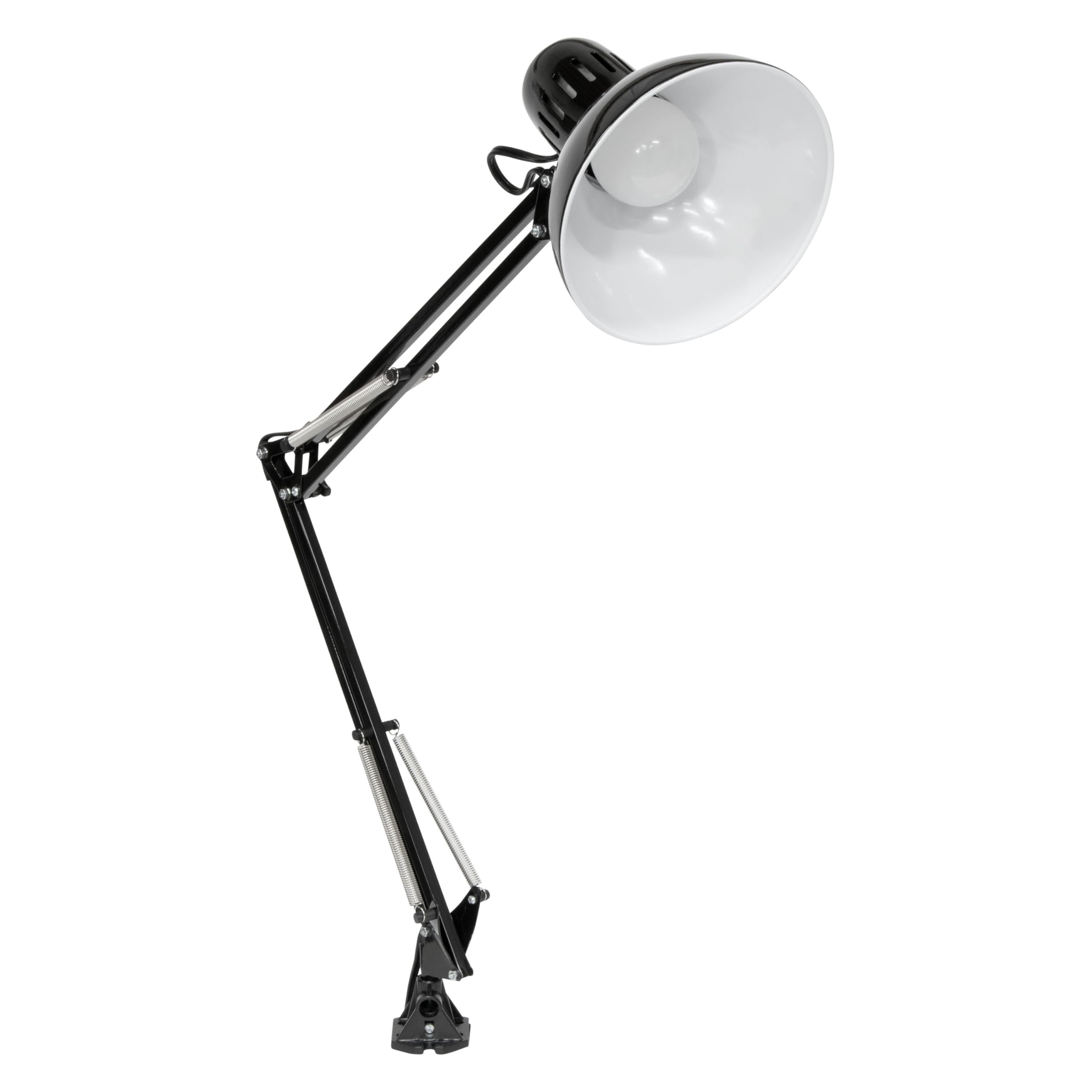
Opt for lamps made from strong materials like metal or high-quality plastic. Avoid flimsy models that bend or twist easily under their own weight. Look for lamps with reinforced joints or springs designed to hold positions firmly.
Consider lamps with adjustable arms that use tension screws rather than weak hinges. Investing a bit more upfront can save you money and frustration later. What features do you prioritize when buying a desk lamp?
Proper Usage And Handling
Handle your lamp gently when adjusting its position. Avoid forcing the arm beyond its designed range of motion. Sudden or excessive bending can loosen joints and cause sagging.
Place your lamp on a stable, flat surface to prevent unnecessary stress on its base and arm. If your desk is cluttered, consider reorganizing to give your lamp ample space. How often do you think about the way you move your lamp? Small habits make a big difference.
Credit: www.amazon.ca
Frequently Asked Questions
How Can I Stop My Desk Lamp From Sagging?
Tighten all screws and joints first. Replace any worn-out springs or supports. Use a clamp or adhesive for extra stability if needed.
What Tools Fix A Sagging Desk Lamp?
You need a screwdriver, pliers, and possibly replacement springs. A small wrench and adhesive tape can also help secure loose parts.
Why Does My Desk Lamp Keep Sagging?
This usually happens due to worn springs, loose screws, or bent arms. Frequent adjustments or poor design can also cause sagging over time.
Can I Fix A Sagging Lamp Without Replacing Parts?
Yes, sometimes tightening screws or adjusting joints stops sagging. Using adhesive or clamps can also provide temporary support without replacements.
Conclusion
Fixing a sagging desk lamp is easier than you think. Small steps can make a big difference. Tighten screws or adjust the arm for better support. Use simple tools you already have at home. A steady lamp helps you work and read comfortably.
Keep your lamp in good shape to avoid future problems. Regular checks prevent sagging and improve its life. Try these tips and enjoy a brighter workspace every day.



