
Are you staring at your Christmas lights wondering why half of them won’t light up? It’s frustrating when your festive decorations don’t shine as bright as they should.
But don’t worry—you don’t need to buy a whole new set. You can fix those half-dead strings quickly and easily. You’ll learn simple steps to get your lights glowing again, so your home looks merry and bright this holiday season.
Keep reading to discover the easy tricks that will save your Christmas cheer!
Credit: www.diychatroom.com
Common Causes Of Half String Outage
Half of a Christmas light string not working is a common problem. Several issues can cause this outage. Understanding these causes helps fix the lights quickly. This section explains the most frequent reasons behind the problem.
Burned Out Bulbs
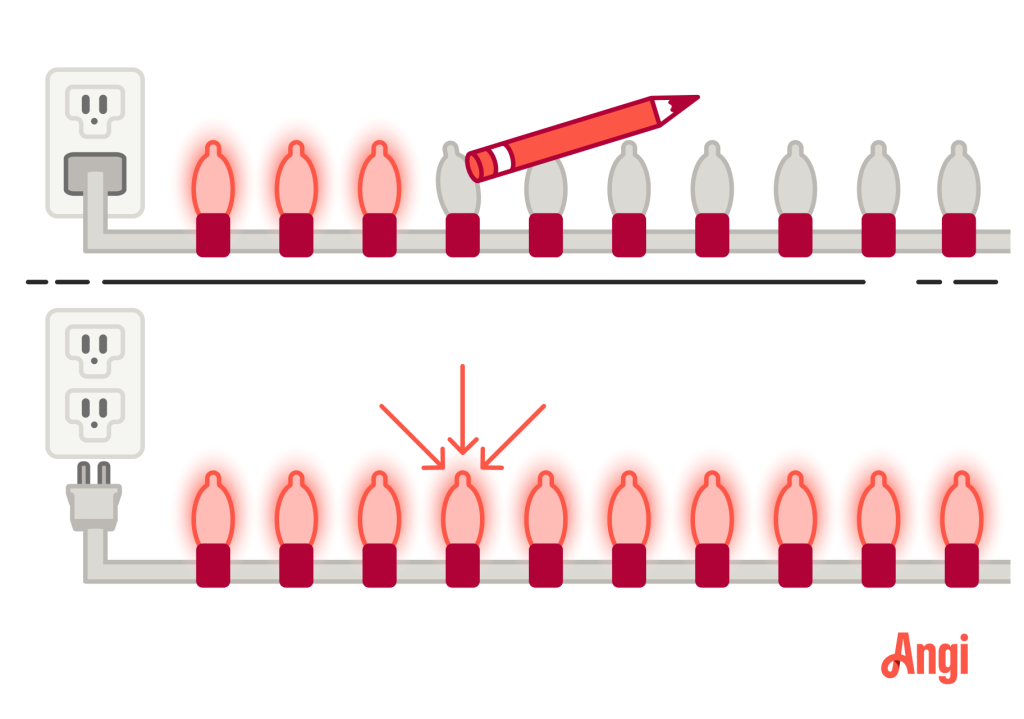
One burned-out bulb can stop half the string from lighting. Many strings are wired in series. If one bulb fails, the current stops flowing. The result is a dark section of lights. Checking each bulb and replacing the faulty one often solves this issue.
Loose Connections
Loose or poor connections cause interruptions in the electrical flow. Bulbs may not sit firmly in their sockets. The plug or wiring can also be loose. These breaks stop electricity from reaching the lights. Tightening all connections usually restores power to the full string.
Damaged Wires
Wires can get cut, frayed, or crushed. Damage breaks the electrical path and causes outages. Pets, weather, or rough handling can harm wires. Inspect the entire string for visible damage. Repairing or replacing damaged sections fixes the problem.

Credit: www.reddit.com
Tools Needed For Fixing Lights
Fixing half a string of Christmas lights might seem tricky, but having the right tools makes the job much easier. Without proper equipment, you could spend hours guessing what’s wrong. Let’s look at the essential tools you need to get your lights shining bright again.
Multimeter
A multimeter is your best friend for diagnosing electrical issues in your Christmas lights. It helps you check if electricity is flowing through the bulbs and wires. If you don’t have one, it’s worth getting because it saves time and frustration by pinpointing the exact problem.
Using a multimeter, you can test for continuity and voltage, which tells you if a bulb or wire is broken. Ever tried replacing bulbs blindly? It’s like searching for a needle in a haystack. The multimeter guides you right to the faulty part.
Replacement Bulbs
Always keep a set of replacement bulbs handy. Christmas lights often come with a few spares, but having extras saves a last-minute rush to the store. Make sure the replacements match your light set in size and voltage.
Swapping out a burnt bulb is one of the simplest fixes that can restore the entire string. Have you ever thought a single tiny bulb could stop the whole string from working? It happens more often than you’d expect.
Electrical Tape
Electrical tape is essential for securing connections and insulating exposed wires. After you find and fix the broken area, wrapping it with tape prevents shorts and keeps moisture out. This small step can extend the life of your lights significantly.
Don’t underestimate the power of a good tape job. I once fixed a string by simply taping a loose wire, and it worked perfectly for years after. Do you check your tape’s condition every season to avoid surprises?
Step-by-step Troubleshooting
Christmas lights bring joy and warmth to the holiday season. But a half-lit string can dim the festive spirit. Fixing it might seem daunting, but don’t worry. With a few simple steps, your lights will shine bright again. Follow this step-by-step guide to troubleshoot your half-lit string of Christmas lights.
Unplug And Inspect
First, unplug the lights from the power source. Safety is important. Carefully examine the string. Look for visible damage, like frayed wires or broken bulbs. Damaged wires can cause the lights to malfunction. If you spot any, replace the damaged section or bulb. This initial inspection can solve many issues.
Test Each Bulb
Plug the lights back in after inspection. Remove and test each bulb individually. A single faulty bulb can break the circuit. Replace any bulb that doesn’t light up. Use a known working bulb to test the socket. This ensures the problem isn’t with the bulb itself. Methodically testing each bulb can restore full brightness.
Check Fuses
Christmas lights often have small fuses in the plug. Unplug the string again to check these. Open the plug’s cover. Locate the fuses, usually near the prongs. Use a small flathead screwdriver if needed. Carefully remove and examine the fuses. If burnt or broken, replace them with the same type. This step can resolve power issues.
Secure Loose Connections
Loose connections can interrupt the electrical flow. Check where the string connects to the power source. Ensure the plug fits snugly into the outlet. Also, examine any connectors along the string. Secure any loose parts tightly. This simple action can often bring lights back to life.
Credit: blog.1000bulbs.com
Quick Fixes For Common Issues
Half of your Christmas lights not working can feel frustrating, especially when the holiday spirit is at stake. Fortunately, many common issues are simple to fix with a bit of attention and patience. Let’s look at some quick fixes that often bring those dark strings back to life without the need for a full replacement.
Replacing Burned Bulbs
Burned-out bulbs are a frequent culprit behind dead sections in your light string. Check each bulb carefully; a dim or blackened bulb usually needs replacing. Keep spare bulbs handy—you’ll save time and avoid hunting for replacements at the last minute.
When swapping bulbs, make sure the replacement matches the voltage and size of the original. Using the wrong bulb can cause more outages. Have you ever noticed one bad bulb can darken an entire strand? That’s why this simple step is crucial.
Tightening Bulb Sockets
Loose bulbs often cause interruptions in the electrical flow, leading to half your lights going out. Gently push each bulb into its socket until it fits snugly. Sometimes, just a small adjustment can restore full brightness.
If you find sockets that seem worn or damaged, consider replacing the entire socket or the affected section. This quick fix can prevent flickering or partial outages and keeps your lights shining steadily throughout the season.
Repairing Wire Damage
Worn or frayed wires can be hidden causes of light failures. Inspect your string for any visible cuts, cracks, or exposed wires. If you spot damage, turn off the power before attempting any repairs.
Use electrical tape or wire connectors to secure minor breaks. For bigger damage, it might be safer and more effective to replace the section or the entire string. How often do you check your light wires before use? A little prevention goes a long way in avoiding holiday light headaches.
Preventing Future Light Failures
Preventing future failures in your Christmas lights can save you time, frustration, and money. Small habits in how you store, use, and maintain your lights can make a big difference. Have you ever wondered why some strings last for years while others fail after a season or two? The secret lies in consistent care and smart usage.
Proper Storage Tips
Storing your lights correctly is crucial. Avoid tangling by wrapping them around a piece of cardboard or using a dedicated light reel. This prevents wires from bending or breaking, which often causes shorts and failures.
Keep your lights in a dry, cool place. Moisture can corrode the wires and bulbs, leading to early failure. Also, avoid storing them near heavy items that might crush or damage the strands.
Avoiding Overloading
Overloading circuits is a common reason for light failures. Check the maximum wattage your outlet or extension cord can handle and never exceed it. If you want to connect multiple strings, use lights designed for linking together safely.
Consider using LED lights if you aren’t already. They draw less power, so you can connect more strands without worrying about overloading. Are you aware of the power limits on your holiday setup?
Regular Maintenance
Inspect your lights before and after each season. Look for frayed wires, broken bulbs, or loose connections. Replacing damaged parts early prevents the whole string from failing unexpectedly.
Test your lights in small sections instead of plugging in the entire string at once. This helps identify the exact spot causing problems. How often do you check your decorations to catch issues before they become big headaches?
Frequently Asked Questions
Why Do Half My Christmas Lights Stop Working?
Half of Christmas lights often fail due to a broken bulb or fuse. A single faulty bulb can disrupt the circuit. Checking bulbs and replacing fuses usually restores power. Inspecting the wiring for damage also helps identify issues quickly.
How Can I Test Bulbs On Christmas Light Strings?
Use a bulb tester or multimeter to check each bulb. Remove bulbs one by one and test for continuity. Replace any bulbs that show no electrical flow. This method quickly identifies defective bulbs causing the half-string outage.
What Causes A Fuse To Blow In Christmas Lights?
Fuses blow due to electrical overload or short circuits. Faulty bulbs or damaged wiring increase current, triggering fuse protection. Replacing the fuse with the correct rating solves the issue. Always check for underlying problems to prevent repeated fuse failures.
Can I Fix Christmas Lights Without Replacing Bulbs?
Sometimes cleaning bulb contacts or tightening loose bulbs restores function. Gently cleaning sockets removes corrosion causing poor connections. Ensure all bulbs are securely seated in their sockets. These simple steps can fix half-string light failures without new bulbs.
Conclusion
Fixing half a string of Christmas lights is easier than you think. Check bulbs and fuses one by one. Replace broken bulbs with matching ones. Ensure all connections are tight and clean. Test the string after each step. Stay patient and work carefully.
Bright, glowing lights will soon decorate your home. Enjoy the festive glow without frustration. Keep these tips handy for next holiday season. Simple fixes save time and money. Happy decorating!



