
Is your home feeling stuffy, damp, or just plain uncomfortable? Poor ventilation can cause all these problems and more, affecting your health and the comfort of your living space.
If you’ve noticed stale air, lingering odors, or even frequent condensation on your windows, it’s time to take action. You’ll discover simple and effective ways to fix poor ventilation in your house, helping you breathe easier and enjoy a fresher, healthier home.
Keep reading to learn how small changes can make a big difference in the air you and your family breathe every day.
Credit: www.firststarexteriors.com
Causes Of Poor Ventilation
Poor ventilation in a house happens for several reasons. It often results from design flaws or blocked airflow paths. Understanding these causes helps in fixing ventilation issues effectively.
Common Ventilation Problems
- Closed or sealed windows and doors limit fresh air entry.
- Clogged air vents and ducts reduce airflow.
- Improperly installed exhaust fans fail to remove stale air.
- Lack of air exchange systems in newer, tightly sealed homes.
- Obstructions like furniture or curtains blocking vents.
- Humidity buildup due to poor moisture control.
Impact On Indoor Air Quality
Poor ventilation traps pollutants inside the home. Dust, allergens, and moisture levels rise quickly. This can cause health issues such as allergies and respiratory problems.
Stale air also leads to unpleasant odors and mold growth. Mold spores spread easily in damp, unventilated spaces. This damages walls and furniture over time.
Fresh air is essential for a healthy living environment. Without it, indoor air quality worsens, affecting comfort and well-being.

Credit: www.achrnews.com
Signs Of Poor Airflow
Poor airflow in your home can lead to discomfort and health issues. Recognizing the signs early helps you take action before problems worsen. Let’s look at some clear indicators that your ventilation needs attention.
Detecting Stale Air
Have you ever walked into a room and felt the air was heavy or stuffy? That’s a strong sign of poor ventilation. Stale air often feels unpleasant and can make you feel tired or dizzy.
Check for areas where air doesn’t seem to move, especially in corners or closed rooms. If windows and doors are closed but you still notice bad smells lingering for hours, your airflow might be blocked.
You might also notice dust settling quickly or a lack of fresh air even after opening windows briefly. These subtle clues can point to ventilation problems you need to fix.
Identifying Mold And Moisture
Mold growth is one of the most visible signs of poor airflow. It thrives in damp, poorly ventilated spaces like bathrooms, basements, or behind furniture.
Look for dark or discolored patches on walls, ceilings, or near windows. If you spot mold or a musty smell, it’s a clear signal that moisture isn’t escaping properly.
Condensation on windows or walls that doesn’t dry quickly also indicates trapped moisture. This not only damages your home but can trigger allergies and respiratory problems.
Improving Natural Ventilation
Improving natural ventilation is one of the simplest and most effective ways to fix poor airflow in your home. It relies on the natural movement of air through openings like windows and vents, helping to refresh indoor air without extra energy costs. By optimizing natural ventilation, you can reduce humidity, remove stale air, and create a healthier living environment.
Using Windows And Doors Effectively
Opening windows and doors on opposite sides of your home encourages a cross breeze that pushes stale air out and pulls fresh air in. You don’t need to keep them wide open all day—just a few strategic openings can make a big difference.
Try opening windows during cooler parts of the day, like early morning or late evening. This brings in fresh air while avoiding heat buildup. You might notice that even a small crack in a window or door can improve airflow significantly.
Have you ever tried leaving interior doors open to improve air circulation between rooms? This simple habit can help air flow freely, especially in homes with closed-off spaces.
Adding Vents And Air Bricks
If your home feels stuffy despite opening windows and doors, adding vents or air bricks can help. These small openings in walls allow air to pass through continuously, even when windows are closed.
Air bricks are particularly useful in basements and ground floors where moisture tends to build up. Installing them can reduce dampness and prevent mold growth by keeping air moving.
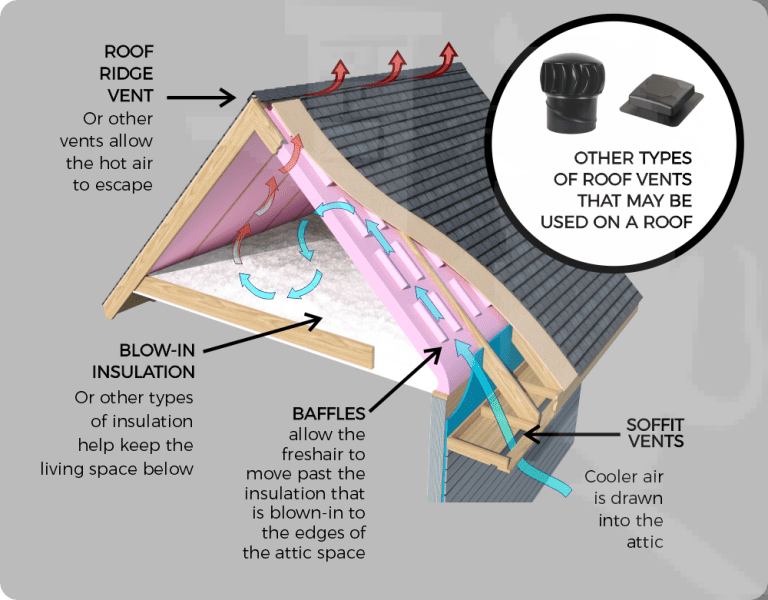
Consider placing vents near the ceiling and floor to encourage natural convection currents—warm air rises and escapes through higher vents, drawing cooler air in from lower ones. This setup can keep your home feeling fresh without mechanical help.
Installing Mechanical Systems
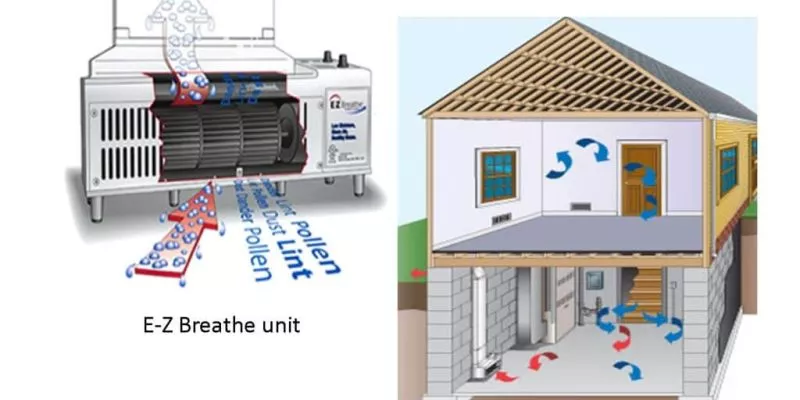
Installing mechanical systems is a reliable way to improve poor ventilation in your home. These systems actively move air, removing stale indoor air and bringing in fresh outdoor air. Unlike natural ventilation, mechanical solutions work consistently regardless of weather or window placement.
Exhaust Fans And Range Hoods
Exhaust fans are essential for removing excess moisture, odors, and pollutants from specific areas like bathrooms and kitchens. Installing a powerful exhaust fan in your bathroom can prevent mold growth caused by trapped humidity.
Range hoods over your stove help clear cooking fumes and grease particles. Choosing a hood with a strong airflow rating ensures your kitchen stays fresh and smoke-free. Have you noticed how much better your kitchen feels after using a well-installed range hood?
- Look for fans with adjustable speeds to control airflow.
- Ensure exhaust vents lead outside, not just into the attic or crawl space.
- Regularly clean fan filters to maintain efficiency.
Whole-house Ventilation Options
If you want to improve ventilation throughout your entire home, consider whole-house ventilation systems. These systems bring in fresh air and exhaust stale air continuously, balancing indoor air quality.
Common types include:
- Heat Recovery Ventilators (HRVs): Transfer heat between incoming and outgoing air to save energy during cold months.
- Energy Recovery Ventilators (ERVs): Manage both heat and humidity, ideal for humid climates.
Installing one can feel like a game-changer, especially in tightly sealed homes. Think about the difference in air freshness when your whole house breathes better, not just a single room.
Maintaining Ventilation Systems
Clean air flows better when vents and ducts are clear of dust and debris. Regularly inspect filters and replace them to keep the system efficient. Check for blockages or leaks that reduce airflow and fix them promptly.
Maintaining ventilation systems is vital for healthy indoor air quality. Proper maintenance ensures your ventilation system works efficiently. It prevents the buildup of dust and allergens, enhancing your home’s comfort. By caring for your system, you prolong its life and save on energy costs.Regular Cleaning And Inspection
Regular cleaning keeps your ventilation system in top shape. Dust and debris can block airflow, reducing efficiency. Clean vents and ducts every few months. Use a vacuum cleaner to remove dust from vents. Inspect ducts for visible signs of damage or blockage. Look for cracks and loose fittings. Address any issues promptly to avoid bigger problems later.Replacing Filters And Components
Filters trap dust and pollutants. They keep the air clean. Over time, they get clogged and need replacement. Check filters every month. Replace them if they appear dirty or worn. Use filters recommended by your system’s manufacturer. Other components, like fans and motors, also require attention. If they make noise or show signs of wear, consider replacing them. Regular maintenance ensures your system runs smoothly and efficiently.Additional Tips For Fresh Air
Improving fresh air in your home goes beyond just opening windows or installing vents. Small changes and smart habits can make a big difference in how clean and breathable your indoor air feels. Let’s look at some practical tips that can help you maintain a healthier atmosphere inside your living space.
Using Indoor Plants
Indoor plants do more than just decorate your home—they actively improve air quality. Certain plants like snake plants, spider plants, and peace lilies absorb toxins and release oxygen, making the air fresher. Have you tried placing a few pots near your living areas or bedrooms? You might notice a subtle but refreshing change in how your home smells and feels.
Besides air purification, plants add natural humidity, which can be especially helpful during dry seasons. Just remember to keep them healthy and avoid overwatering, as damp soil can create mold problems instead of solving them.
Controlling Humidity Levels
Excess moisture in the air can cause stuffiness and promote mold growth, worsening ventilation issues. Using a dehumidifier helps keep humidity within a comfortable range, ideally between 30% and 50%. Too dry or too humid air can make breathing uncomfortable, so balancing it is key.
Simple habits can also control humidity: vent your bathroom and kitchen during cooking and showering, and fix leaks promptly. Have you noticed a musty smell in any room? That’s often a sign that humidity is out of control and needs attention.
Credit: www.northeast-home.com
Frequently Asked Questions
What Causes Poor Ventilation In A House?
Poor ventilation is caused by sealed windows, blocked vents, and lack of airflow. Moisture buildup and improper HVAC systems also reduce air circulation. Identifying these issues helps improve indoor air quality and comfort.
How Can I Improve Ventilation Without Major Renovations?
Use exhaust fans, open windows regularly, and add portable air purifiers. Install trickle vents or vented skylights to increase airflow. These simple steps boost ventilation without costly home changes.
Does Poor Ventilation Affect Health?
Yes, poor ventilation can cause headaches, allergies, and respiratory problems. Stale air increases mold and dust, worsening indoor air quality. Proper ventilation reduces these health risks.
Is Installing An Attic Fan Helpful For Ventilation?
Yes, attic fans remove hot air, reducing heat buildup. This improves air circulation in the house and lowers cooling costs. Proper attic ventilation prevents moisture and mold growth.
Conclusion
Fixing poor ventilation improves air quality and comfort at home. Simple steps like opening windows and using fans help a lot. Sealing leaks and adding vents can also improve airflow. Regular maintenance keeps systems working well and prevents problems. Good ventilation protects your health and reduces moisture issues.
Start small and make changes one step at a time. Fresh air makes your home a better place to live. Breathe easier and feel the difference every day.



