
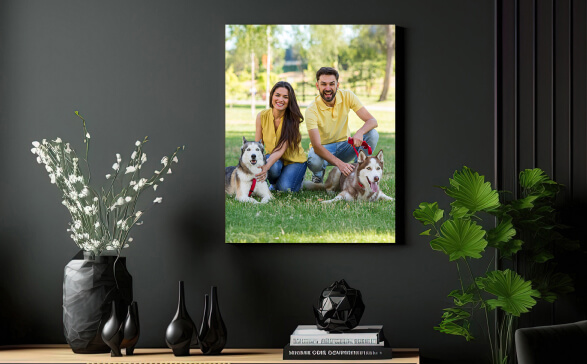
Have you ever wanted to turn your favorite photo into a stunning piece of art? Getting a picture printed on canvas is a fantastic way to bring your memories to life and add a personal touch to any room.
But how do you make sure your photo looks amazing on canvas? You’ll discover simple, step-by-step tips to get your picture printed perfectly. Whether it’s for your home, a gift, or a special occasion, you’ll learn exactly what to do to make your canvas print stand out.
Keep reading and get ready to transform your photo into a beautiful masterpiece!
Choosing The Right Photo
Choosing a clear, high-resolution photo ensures sharp and vibrant canvas prints. Bright, well-lit images with simple backgrounds work best for lasting quality.
Choosing the right photo for a canvas print is crucial. The image you select can transform a simple canvas into a stunning piece of art. This step sets the foundation for the entire printing process. A perfect photo can capture emotions and memories, making your canvas truly special.High Resolution Matters
The quality of the photo is important. A high-resolution image ensures clarity and detail. Low-resolution photos may look blurry when enlarged. Check your image’s resolution before printing. Aim for at least 300 DPI for best results. This will ensure your canvas looks sharp and professional.Selecting A Meaningful Image
Choose a photo that holds personal value. It could be a family picture or a scenic view. The image should evoke emotion or tell a story. Meaningful photos make the canvas more than just decoration. They become a cherished memory on display.Considering Color And Contrast
Vibrant colors can make your canvas pop. Consider how colors will appear in your space. Ensure there is good contrast in your image. This helps different elements stand out. Adjust brightness and contrast if needed before printing. A well-balanced photo can enhance the overall appearance of your canvas.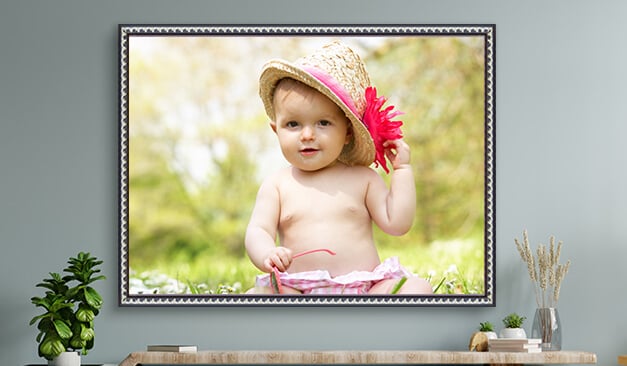
Credit: www.canvaschamp.com
Picking The Canvas Size
Picking the right canvas size is key to making your picture stand out. The size affects how the image fits on your wall and how it looks with your room’s style. Choosing a canvas that matches both space and design brings balance and appeal.
Matching Space And Style
Measure the wall where you want to hang the canvas. A large empty wall needs a bigger canvas to fill the space. Small walls work best with smaller sizes to avoid crowding.
Think about the style of your room. Modern rooms often suit large, bold canvases. Cozy spaces may look better with smaller, softer images. The canvas size should support the room’s mood and theme.
Standard Sizes Vs Custom Dimensions
Standard canvas sizes are easy to find and usually less expensive. Common sizes include 8×10, 16×20, and 24×36 inches. These sizes fit well in most rooms and frames.
Custom dimensions allow you to choose any size that fits your space perfectly. Custom canvases work well for unique wall shapes or special photo proportions. Keep in mind custom sizes may cost more and take longer to produce.
- Standard sizes: quick and budget-friendly
- Custom sizes: perfect fit and unique look
- Match size choice with your wall space and style
Exploring Printing Methods
Choosing the right printing method can greatly affect how your picture looks on canvas. Each technique offers unique advantages that suit different needs and preferences. Understanding these options helps you pick the best way to bring your image to life with clarity, color, and durability.
Inkjet Printing Benefits
Inkjet printing is a popular choice for printing photos on canvas. It uses tiny droplets of ink sprayed directly onto the canvas, creating sharp and vivid images.
You can expect smooth color transitions and detailed textures, which make your picture appear vibrant and lifelike. Plus, inkjet printers handle a wide range of colors, so your artwork will look rich and full.
Many artists prefer inkjet printing because it’s cost-effective and widely available. Have you ever noticed how some prints look pixelated? Inkjet printing helps avoid that by maintaining high resolution.
Giclée Printing Quality
Giclée printing is a high-end form of inkjet printing known for its exceptional quality. It uses archival inks and fine art canvas, ensuring your picture stays beautiful for decades.
This method is perfect if you want museum-quality prints that showcase every detail and color depth. Giclée prints often feel more like original artwork, which can add value to your canvas.
If longevity and color accuracy matter most to you, giclée printing might be worth the investment. Would you prefer a print that fades over a few years or one that lasts a lifetime?
Uv Printing Durability
UV printing uses ultraviolet light to cure ink instantly as it’s printed onto the canvas surface. This process creates a durable and scratch-resistant finish.
Because the ink bonds tightly with the canvas, UV prints resist fading from sunlight and moisture better than other methods. This makes them ideal for spaces exposed to natural light or humidity.
Have you thought about how long your canvas will hang on your wall before colors start to dull? UV printing offers peace of mind for those wanting long-lasting vibrancy.
Preparing Your Image
Preparing your image properly is key to getting a beautiful canvas print that truly stands out. Before sending your photo to print, you need to make sure it looks its best and fits perfectly on the canvas size you’ve chosen. Small adjustments now can save you from disappointment later.
Editing For Best Results
Start by enhancing your photo’s brightness, contrast, and sharpness. These tweaks make colors pop and details clearer, especially on canvas where textures can soften the image. Avoid heavy filters that might distort colors or reduce clarity.
If you’re unsure, try editing with free tools like Canva or Snapseed. They’re simple and offer great control without overwhelming you.
Have you ever printed a photo that looked dull or pixelated? Proper editing helps avoid that by ensuring your image is vibrant and crisp.
File Formats To Use
Choosing the right file format can make a big difference. JPEGs are widely accepted and work well if saved at the highest quality. However, PNG files keep sharper edges and better color depth if your image has text or graphics.
For professional prints, TIFF is the best format because it stores images without compression, preserving every detail. But check if your printing service supports TIFF before sending it.
Always save a backup of your original photo before making edits or changing formats. This way, you can try different options without losing your first shot.
Cropping And Aspect Ratio
Canvas prints come in various sizes and shapes. Your photo’s aspect ratio needs to match the canvas to avoid unwanted stretching or white borders. Most printers provide templates or guidelines showing the exact dimensions.
Crop your image to focus on the main subject and remove distractions. This keeps the viewer’s attention where you want it. If your photo is square but your canvas is rectangular, decide what parts you’re okay trimming off or if you want to add space around the image.
Ask yourself: Which part of this photo tells the story I want on my wall? Crop accordingly to highlight that story.
Selecting A Printing Service
Selecting the right printing service can make a huge difference in how your picture looks on canvas. You want colors to pop, edges to be sharp, and the overall finish to match your vision. Choosing carefully saves you time, money, and frustration.
Online Vs Local Shops
Online printing services offer convenience and a wide variety of options. You can upload your image anytime and often get it delivered to your door. But how do you know if the quality matches what you expect?
Local shops let you see samples in person and talk directly to the printer. You can ask questions about materials and finishes before placing your order. However, local options might be pricier or have fewer style choices.
Checking Reviews And Samples
Reading customer reviews reveals real experiences with color accuracy, canvas quality, and delivery times. Look for patterns—are many people complaining about fading or delays? That’s a red flag.
Requesting or examining sample prints helps you judge the texture and sharpness. If possible, visit the shop or order a small test print online. Your eyes are the best judge of quality.
Price Comparisons
Prices vary greatly depending on size, canvas type, and framing options. Don’t just pick the cheapest option; balance cost with quality and service.
| Service | Price Range | Turnaround Time | Additional Features |
|---|---|---|---|
| Online Shop A | $30 – $150 | 3-5 days | Free shipping over $50 |
| Local Shop B | $50 – $200 | 1-2 days | In-person consultation |
Ask yourself: Is paying a bit more worth faster delivery or better customer support? Your choice depends on what matters most to you.
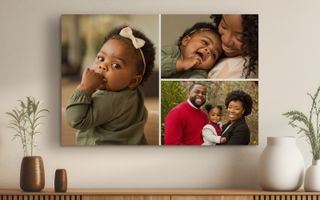
Credit: www.canvaspeople.com
Placing Your Order
Placing your order for a canvas print is simple and quick. The process lets you customize your print to match your style and space. Follow these easy steps to complete your order smoothly.
Uploading Your Photo
Start by selecting the best photo for your canvas. Choose a high-resolution image to ensure clear print quality. Upload the photo directly on the website. Most sites accept common file types like JPG or PNG. Watch for any upload size limits to avoid errors.
Choosing Frame Options
Pick a frame that fits your room’s look. Frames come in different colors and materials. Consider the thickness and style of the frame. Some frames add depth, making the image stand out. Select matting options if available to enhance your photo.
Delivery And Shipping Tips
Check the delivery times before placing your order. Choose a shipping method that suits your urgency. Track your package online for updates. Make sure your address details are correct to avoid delays. Prepare a safe space to receive your canvas to prevent damage during delivery.
Caring For Canvas Prints
Caring for canvas prints is essential to keep your artwork vibrant and intact over time. Unlike regular framed photos, canvas prints have unique needs that require gentle handling and specific care routines. Your efforts in maintaining them will ensure your images remain stunning and fresh for years to come.
Cleaning Guidelines
Dust your canvas regularly using a soft, dry cloth or a feather duster. Avoid using water or cleaning solutions as they can damage the print or cause colors to fade.
If there are stubborn spots, gently wipe with a slightly damp cloth, but make sure the canvas dries completely afterward. Never use abrasive materials or scrub the surface, as this can scratch or wear down the print.
Avoiding Sun Damage
Direct sunlight can quickly fade the colors in your canvas print. Place your artwork in areas that receive indirect light or use UV-protective glass if framing it under glass.
Ask yourself: Is the canvas near a window that gets strong sunlight during the day? If so, consider moving it or installing curtains to limit exposure. This small change can significantly extend the life of your print.
Proper Hanging Techniques
Use sturdy hooks or wall anchors that can support the weight of your canvas. Hanging it securely prevents damage from falls or warping.
Make sure the canvas is hung straight and not touching the wall tightly; a slight gap allows air circulation, preventing moisture buildup. Have you checked if your canvas is level? A crooked print can distract from the beauty of your image.
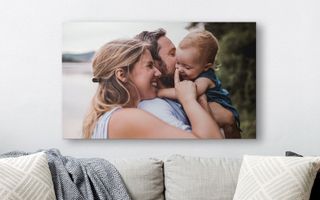
Credit: www.canvaspeople.com
Frequently Asked Questions
How Do I Choose The Best Photo For Canvas Printing?
Pick a high-resolution image with good lighting and clear focus. Avoid blurry or pixelated photos. Choose pictures with strong colors and contrast for vibrant canvas prints. Personal or memorable photos work best to create meaningful art.
What Is The Ideal Canvas Size For Photo Printing?
Canvas size depends on your wall space and photo quality. Small rooms suit smaller canvases (12×16 inches). Large walls benefit from bigger prints (24×36 inches). Always match canvas size with image resolution to avoid pixelation.
Which Printing Method Is Best For Canvas Pictures?
Giclée printing is the top choice for canvas prints. It uses archival inks and produces vibrant, long-lasting colors. This method ensures sharp details and fade resistance. It’s perfect for professional-quality photo canvases.
How Do I Prepare A Photo For Canvas Printing?
Edit your photo for brightness, contrast, and color balance. Crop the image to match the canvas size. Save it in a high-resolution format like TIFF or JPEG. Ensure the image resolution is at least 300 DPI for quality prints.
Conclusion
Printing a picture on canvas brings your photos to life. Choose the right image and size carefully. Use good quality files for clear, sharp prints. Select a trusted printing service that suits your budget. Consider framing or stretching options for a neat look.
Canvas prints make great gifts and home decor. Enjoy your unique artwork and share it proudly. Simple steps lead to beautiful, lasting memories on canvas.



