
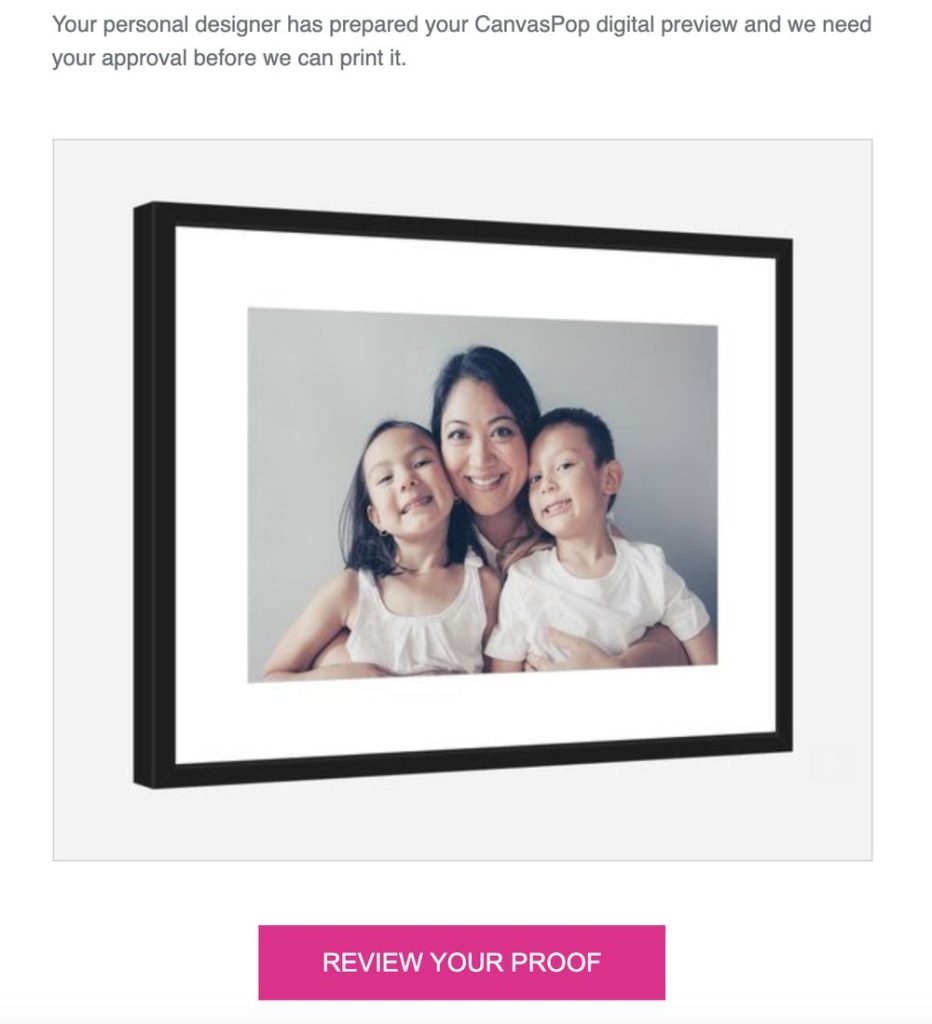
Have you ever wanted to turn your favorite photo into a beautiful piece of art? Getting a picture printed on canvas is a great way to bring your memories to life and add a personal touch to your space.
But how exactly do you do it? You’ll discover simple steps to make your photo canvas-ready, choose the right printing options, and ensure your image looks stunning. Keep reading to learn how you can transform your picture into a lasting masterpiece that you’ll love to display.
Credit: www.prodigi.com
Choosing The Right Image
Choosing a clear, high-quality photo ensures a sharp and vibrant canvas print. Focus on images with good lighting and strong details for the best results. Avoid blurry or low-resolution pictures to keep the print crisp and attractive.
Choosing the right image for a canvas print can transform your space into a personal gallery. The image you select is crucial; it needs to be perfect in terms of quality and aesthetics. A great image ensures that your canvas not only looks professional but also resonates with the emotions you want to convey. But how do you decide which image fits the bill?High Resolution Requirements
The resolution of your image plays a vital role in the quality of your canvas print. A high-resolution image ensures that every detail is captured clearly. Aim for an image with at least 300 DPI (dots per inch) for sharpness. Have you ever noticed a picture looking pixelated when enlarged? This is what you want to avoid with a canvas print. A high-resolution photo will maintain its clarity, whether viewed up close or from a distance.Image Composition Tips
The way an image is composed can drastically affect its visual appeal. Think about the subject, background, and positioning. A well-composed image can draw the viewer’s eye and hold their attention. Consider using the rule of thirds to balance your composition. By dividing your image into a grid and placing the subject at the intersections, you create a more dynamic and interesting canvas.Color And Contrast Considerations
Colors can evoke emotions and set the mood of a room. Vibrant colors might energize a space, while muted tones can create a calming effect. Think about the existing colors in the room where you’ll hang your canvas. Contrast is equally important. It adds depth and dimension to your image. Ensure there’s a good balance between light and dark areas to make your canvas pop. Choosing an image isn’t just about picking a pretty picture. It’s about finding one that tells your story and enhances your space. What story will your canvas tell?Selecting Canvas Size And Type
Choosing the right canvas size and type is crucial for turning your picture into a stunning piece of wall art. The size affects how your image grabs attention in a room, while the material and finish impact its look and durability. Think about where you’ll hang your canvas and how you want it to feel before making your selection.
Common Canvas Sizes
Canvas sizes range from small to extra-large, each serving different purposes. A 12×16 inch canvas works well for personal spaces like bedrooms or offices. Larger sizes like 24×36 inches create bold statements in living rooms or galleries.
If you have multiple photos, consider a series of smaller canvases instead of one huge print. This approach adds variety and lets you experiment with layout. Have you measured your wall space yet to ensure the size fits perfectly?
Material Options
Canvas prints mainly use cotton or polyester materials. Cotton offers a classic, textured feel that many artists prefer for its natural look. Polyester, on the other hand, is more durable and resists wrinkles and moisture better.
Some printers also offer blended fabrics that combine the benefits of both. Your choice depends on whether you want a traditional art vibe or a more modern, long-lasting piece. Imagine how the material will hold up in your home’s lighting and humidity conditions.
Finish Choices
The finish changes the final appearance and protection level of your canvas. Matte finishes reduce glare and give a soft, elegant look, perfect for photos with subtle colors. Glossy finishes make colors pop and add shine but can reflect light and show fingerprints.
There are also satin and semi-gloss options that balance shine and clarity. Think about the lighting in your room—will natural sunlight cause glare? Choosing the right finish can enhance the mood of your image and ensure it stays vibrant over time.
Preparing The Image File
Preparing your image file is a crucial step before printing on canvas. It ensures that your picture looks sharp, vibrant, and exactly how you want it to appear on the final product. Paying attention to details like file format, editing, and layout can save you from disappointment and extra costs later.
File Formats To Use
Choosing the right file format can make a big difference in print quality. Use high-resolution formats like TIFFor PNGbecause they preserve image details without compression loss. JPEG is widely accepted but make sure to save it at the highest quality setting to avoid pixelation.
Have you ever printed a photo only to find it blurry or pixelated? That usually happens with low-res or heavily compressed files. Always check the resolution; aim for at least 300 DPI (dots per inch)for clear canvas prints.
Editing For Print Quality
Before sending your image to print, adjust brightness, contrast, and saturation to enhance colors and details. Sometimes photos look great on screen but appear dull on canvas. Slightly boosting color vibrancy helps the image pop.
Crop your image carefully to focus on the main subject and remove distractions. Avoid heavy filters or excessive sharpening, as they can create unnatural textures on canvas. Have you tried softening edges or smoothing skin tones for portrait prints? It often improves the final look.
Bleed And Margins
Canvas prints wrap around wooden frames, so you need to add extra space called bleed. This prevents important parts of your image from being cut off. Typically, a bleed of about 1 to 2 incheson each side works well.
Also, keep key elements like faces or text away from the edges to avoid losing them during stretching. Think about how your image will look wrapped—would important details disappear on the sides? Adding clear margins ensures your picture stays intact and visually balanced.

Credit: www.snapfish.com
Finding A Printing Service
Finding the right printing service is key to turning your favorite photo into a stunning canvas print. The quality of the print, the materials used, and the overall service can vary widely. Taking the time to choose carefully will save you from disappointment and ensure your canvas looks fantastic on your wall.
Online Vs Local Printers
Online printers offer convenience and a wide range of options. You can upload your picture anytime and compare different finishes and sizes with just a few clicks. But can you trust their quality without seeing a sample in person?
Local printers let you speak face-to-face and often show physical samples. This helps you judge colors and texture better before ordering. However, local services might be limited in style choices and sometimes cost more than online options.
Think about your priorities—do you want convenience and variety or personal service and hands-on inspection? Your decision here shapes the entire printing experience.
Comparing Prices And Reviews
Price is important, but it’s not the only factor. Some services offer budget-friendly rates but compromise on canvas quality or print sharpness. Others might be pricier but use premium materials that last longer.
Look beyond the price tag. Check customer reviews for insights on color accuracy, durability, and customer service. Pay attention to how companies handle complaints or mistakes—it reveals their reliability.
Have you ever been surprised by hidden fees? Shipping costs or extra charges for stretching the canvas can add up. Ask for a full price breakdown before making your choice.
Turnaround Times
How quickly do you need your canvas? Some services promise same-day printing, while others take several days or even weeks. Faster isn’t always better if it means quality drops.
Consider the purpose of your print. Is it a last-minute gift or a long-term decoration? Planning ahead gives you more options and reduces stress.
Ask the printer about their process. Do they handle everything in-house, or outsource parts of the job? Understanding this helps set realistic expectations for delivery.
Placing The Order
Placing the order for your canvas print is a simple process. It ensures your picture turns out just as you want. Each step matters to create a beautiful, lasting piece.
Uploading Your Image
Start by selecting your photo. Use a high-resolution image for the best quality. Upload it to the website’s order page. Most sites accept common formats like JPG or PNG. The system may show a preview of your image on canvas. Check the colors and cropping carefully. Adjust if needed to fit the canvas size.
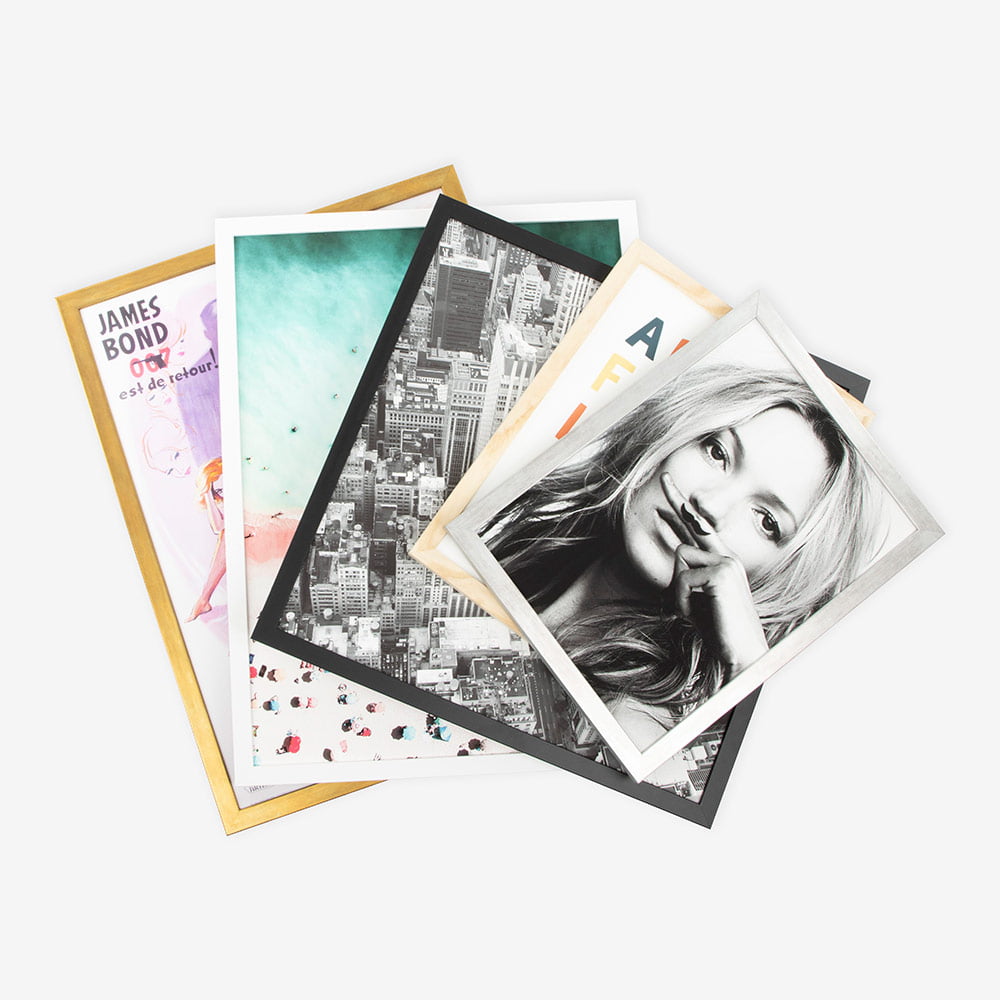
Choosing Frame And Mounting Options
Pick a frame style that matches your decor. Options include wood, metal, or no frame for a clean look. Decide how you want the canvas mounted:
- Gallery wrap: image wraps around the edges
- Float frame: canvas sits inside a frame with space around
- Standard mount: simple backing to hold the canvas flat
Consider the thickness of the canvas and frame size. These choices affect the final appearance and how you hang it.
Payment And Shipping Details
Enter your payment information securely. Most sites accept credit cards and PayPal. Review your order summary before confirming. Include your shipping address carefully to avoid delays. Select a shipping method based on speed and cost. Some providers offer tracking for your package. Keep your order confirmation for reference.
Credit: www.canva.com
Caring For Your Canvas Print
Caring for your canvas print helps keep its colors bright and details sharp. Proper care extends the life of your artwork. It also keeps your print looking fresh and new for years.
Cleaning Tips
Dust your canvas gently with a soft, dry cloth. Avoid using water or cleaning sprays directly on the canvas. For stubborn dirt, use a soft brush to remove particles. Always handle your canvas with clean hands to prevent smudges.
Avoiding Damage
Keep your canvas away from direct sunlight to prevent fading. Avoid placing it in areas with high humidity or near heat sources. Do not use sharp objects near the print. Store your canvas in a dry, cool place if not displaying it.
Displaying Your Art
Hang your canvas on sturdy hooks or nails to support its weight. Use a level to keep the print straight. Avoid hanging your canvas where it may get bumped or scratched. Rotate your artwork occasionally to prevent uneven fading.
Frequently Asked Questions
How Do I Choose The Best Photo For Canvas Printing?
Select a high-resolution image with clear details. Avoid blurry or pixelated photos. Bright, colorful images work best on canvas.
What Is The Ideal Canvas Size For Printing Photos?
Choose a canvas size that suits your space. Common sizes are 16×20, 20×30, or 24×36 inches. Bigger sizes highlight photo details better.
How Do I Prepare A Photo For Canvas Printing?
Edit your photo for brightness and contrast. Crop to fit the canvas size. Save in a high-quality format like JPEG or PNG.
What Printing Methods Are Used For Canvas Photos?
Inkjet printing is common, using pigment-based inks for durability. It ensures vibrant colors and long-lasting prints on canvas material.
Conclusion
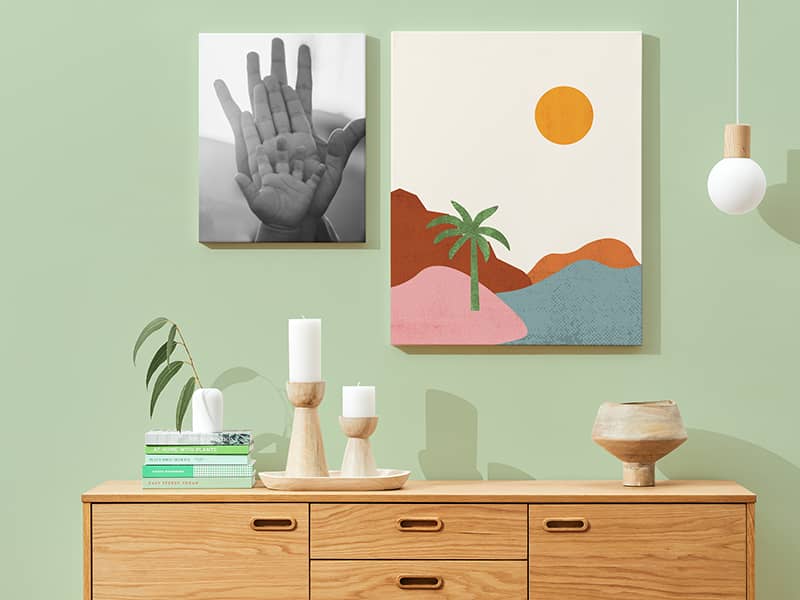
Printing your picture on canvas brings your memories to life. Choose a clear, high-quality photo for the best result. Pick the right size and style that fits your space. Many services offer easy online ordering and fast delivery. Take your time to review proofs before printing.
Enjoy the unique look and feel of canvas art. It adds warmth and personality to any room. Start your canvas printing journey today and cherish your favorite moments in a new way.



