
Are you tired of feeling stuffy and uncomfortable in your air-conditioned room? You might think that fresh air and AC don’t mix, but that’s not true.
You can enjoy cool, refreshing air without sacrificing the quality of the air you breathe. You’ll discover simple and effective ways to bring fresh air into your AC room. Keep reading to learn how you can breathe easier and feel more energized every time you step inside.
Benefits Of Fresh Air Indoors
Fresh air indoors improves health and comfort. It reduces indoor pollution and helps the body breathe better. Even in an AC room, fresh air keeps the environment lively and pleasant.
Improves Oxygen Levels
Fresh air increases oxygen in the room. Higher oxygen helps the brain work well. It boosts focus and reduces tiredness.
Reduces Indoor Pollutants
Indoor air can have dust, smoke, and chemicals. Fresh air helps remove these harmful particles. Cleaner air lowers allergy and asthma risks.
Enhances Mood And Energy
Breathing fresh air uplifts mood naturally. It helps reduce stress and anxiety. Energy levels go up, making daily tasks easier.
Supports Better Sleep
Rooms with fresh air promote deeper sleep. Good sleep improves memory and overall health. Cool and fresh air prevents discomfort at night.
Prevents Dryness And Odors
Fresh air balances humidity in the room. It stops dryness of skin and eyes. It also removes bad smells, keeping the space fresh.

Credit: shop.haierindia.com
Common Causes Of Stale Air In Ac Rooms
Stale air in AC rooms is more common than you might think. It can make your space feel uncomfortable, stuffy, and even affect your health. Understanding the root causes helps you fix the problem and breathe easier.
Limited Ventilation
AC rooms often rely on closed windows and doors to maintain temperature. This setup restricts fresh air from entering and traps indoor air inside. Without proper airflow, carbon dioxide and odors accumulate quickly.
Have you noticed how a room feels stuffy after a few hours of being closed? That’s because fresh air isn’t circulating enough to replace the used air.
Dirty Or Clogged Air Filters
Air filters trap dust and impurities but get dirty over time. When filters are clogged, the AC struggles to push clean air through. This reduces air quality and causes stale, recycled air to linger.
Checking and changing your filters regularly can make a huge difference. It’s surprising how much fresher the air feels after replacing a neglected filter.
Improper Ac Maintenance
AC units need regular care to function well. Neglecting coil cleaning, drainage checks, or refrigerant levels can reduce efficiency. Poor maintenance often leads to musty smells and poor air circulation.
Think about the last time you had your AC serviced—did it run smoothly afterward? Proper upkeep prevents stale air and keeps your room comfortable.
Lack Of Fresh Air Intake
Many AC systems recirculate indoor air without bringing in outside air. This means pollutants and odors build up inside. Without a fresh air intake or ventilation system, stale air remains trapped.
Ask yourself: does your AC system pull in air from outside or just recirculate what’s already inside? Adding fresh air intake can improve air quality dramatically.
High Humidity Levels
Excess moisture in the air can make a room feel heavy and stale. AC units that don’t remove enough humidity allow dampness to linger. This creates a breeding ground for mold and mildew, worsening air quality.
Controlling humidity is key. Have you felt that sticky, unpleasant air in your room after running the AC for hours? It might be time to check your unit’s dehumidifying function.
Regular Ac Filter Maintenance
Regular AC filter maintenance is key to keeping the air fresh in your room. Dirty filters block airflow and reduce air quality. Clean or replace filters often to ensure your AC works well. This helps remove dust, allergens, and pollutants from the air. Fresh air feels better and supports good health.
Choosing The Right Filter
Pick a filter that fits your AC model perfectly. Filters have different ratings showing how well they catch particles. A higher rating means better air cleaning but can reduce airflow. Balance clean air with good airflow for best results. Consider filters labeled HEPA or with MERV ratings for better filtration. Check the filter size and type before buying.
Cleaning And Replacing Filters
Check your filter every month during heavy use. Wash reusable filters with water and let them dry fully before reuse. Replace disposable filters every 1 to 3 months depending on use and air quality. Mark your calendar to remind yourself about filter changes. Clean or new filters keep air moving and remove contaminants well. This simple habit improves the air you breathe daily.
Using Air Purifiers Alongside Ac
Staying indoors with the air conditioning on can sometimes feel stuffy, even if the temperature is just right. Integrating an air purifier into your AC system can significantly enhance the quality of indoor air. This combination not only ensures a comfortable temperature but also fresh, clean air. By utilizing air purifiers, you can effectively reduce pollutants and allergens, creating a healthier environment for you and your family.
Types Of Air Purifiers
Choosing the right air purifier can make a world of difference. HEPA filters are renowned for capturing small particles like dust and pollen. If odors or chemical pollutants are a concern, consider a purifier with activated carbon filters. For tech enthusiasts, there are even smart purifiers that adjust settings based on air quality readings. Which type will suit your needs best?
Placement Tips For Maximum Efficiency
Positioning your air purifier correctly is crucial for optimal performance. Place it in a central location within the room to ensure even air distribution. Avoid corners or spots behind furniture, as these can obstruct airflow. It’s also beneficial to keep it away from electronic devices to prevent interference. Have you considered placing it near the AC unit for a combined fresh air effect?
Using air purifiers alongside your AC can truly transform your indoor environment. Why settle for just cool air when you can have fresh air too?
Ventilation Strategies For Ac Rooms
Keeping fresh air flowing in an AC room can feel tricky. Air conditioning often cools the space but doesn’t always bring in fresh air. That’s why you need smart ventilation strategies to keep your indoor environment healthy and comfortable.
Natural Ventilation Methods
Opening windows and doors at opposite ends of a room creates a cross breeze that can push stale air out and pull fresh air in. Even a small crack or vent can make a difference if positioned correctly.
If your room has a balcony or an adjacent open space, use it to your advantage by allowing fresh air to circulate naturally. Plants near windows can also improve air quality by absorbing carbon dioxide and releasing oxygen.
Have you tried timing your window openings for early morning or late evening? Cooler outdoor air during these times can refresh your room without letting in too much heat.
Mechanical Ventilation Options
Mechanical ventilation systems like exhaust fans or air purifiers with fresh air intake can actively replace indoor air with outdoor air. These are especially useful when natural ventilation isn’t an option due to noise, pollution, or security concerns.
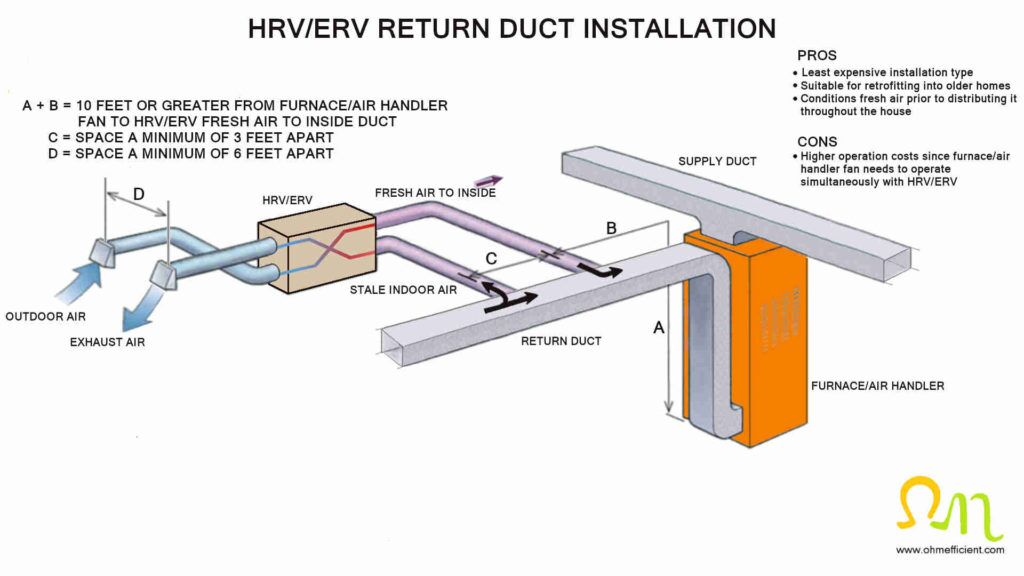
Installing a heat recovery ventilator (HRV) can bring in fresh air while keeping the room temperature stable. This technology exchanges heat between incoming and outgoing air, saving energy and improving comfort.
Consider using ceiling fans or portable fans to help move air around and prevent it from becoming stagnant. Pairing these with your AC can enhance air circulation significantly.

Credit: www.amazon.ca
Incorporating Indoor Plants
Adding indoor plants to your AC room is a simple way to bring fresh air and a touch of nature inside. Plants naturally filter the air by absorbing carbon dioxide and releasing oxygen, which can improve the overall air quality. Plus, they create a calming atmosphere that can make your space feel more inviting and comfortable.
Best Plants For Air Quality
Some plants are especially good at cleaning the air in enclosed spaces like AC rooms. Here are a few you might consider:
- Spider Plant:Very easy to care for and effective at removing toxins like formaldehyde.
- Snake Plant:Known for releasing oxygen even at night, helping maintain fresh air around the clock.
- Peace Lily:Great at filtering mold spores and other allergens from the air.
- Areca Palm:Adds humidity and is excellent at removing indoor air pollutants.
Have you noticed how some plants seem to make your room feel fresher? Choosing the right ones can really change the air you breathe.
Care Tips To Keep Plants Healthy
Healthy plants do a better job of purifying air, so proper care is essential. Here are key tips to keep your indoor plants thriving:
- Watering:Most indoor plants need watering only when the top inch of soil feels dry. Overwatering can harm roots and reduce their air-cleaning ability.
- Lighting:Place plants where they get indirect sunlight. Too much direct light can scorch leaves, while too little light weakens them.
- Cleaning:Dust leaves regularly to help plants absorb more light and breathe better.
- Air Circulation:Even in an AC room, ensure some airflow around your plants to prevent mold and pests.
What small change can you make today to help your plants—and your air quality—improve?
Controlling Humidity Levels
Controlling humidity levels in an AC room is key to fresh air and comfort. High humidity makes the air feel heavy and damp. It can cause mold and bad smells. Low humidity can dry out skin and irritate breathing. Keeping moisture balanced helps maintain fresh, clean air.
Using Dehumidifiers
Dehumidifiers remove extra moisture from the air. They help reduce dampness and prevent mold growth. Place a dehumidifier in the room to control humidity. Many models have settings to adjust moisture levels. This keeps air dry but not too dry. Regular emptying of the water tank is important to keep it working well.
Balancing Moisture For Comfort
Ideal humidity levels range from 30% to 50%. Use a hygrometer to measure room humidity. Ventilate the room by opening windows briefly. Avoid overuse of humidifiers or dehumidifiers. Both too much and too little moisture cause discomfort. Balance supports better breathing and keeps the AC room fresh.

Credit: www.aljazeera.com
Avoiding Indoor Pollutants
Indoor pollutants can reduce the quality of air in your AC room. Dust, allergens, and chemical fumes build up over time. These pollutants make the air stale and unhealthy to breathe. Avoiding them helps keep the air fresh and clean. It also reduces risks of allergies and breathing problems.
Minimizing Dust And Allergens
Dust collects quickly in AC rooms. It clogs filters and spreads allergens. Regular cleaning is key. Wipe surfaces with a damp cloth to trap dust. Vacuum carpets and rugs often using a vacuum with a HEPA filter. Wash curtains and bedding to remove allergens.
Change AC filters every 1 to 3 months. Clean vents and ducts to stop dust build-up. Keep windows and doors closed during high pollen days to reduce allergens entering the room.
Reducing Chemical Fumes
Many household products release harmful fumes. Paints, cleaning sprays, and air fresheners add chemicals to the air. Use natural or low-VOC (volatile organic compounds) products instead. Open windows briefly while using chemicals to ventilate the room.
Store chemicals outside the living area. Avoid smoking indoors. Place plants that can help absorb toxins, like spider plants or peace lilies. These steps lower chemical fumes and improve air quality in the AC room.
Scheduling Regular Air Quality Checks
Ensuring fresh air in your AC room is vital. Regular air quality checks are essential for a healthy indoor environment. They help detect pollutants and ensure clean air circulation. Without these checks, harmful particles can accumulate. This affects your health and comfort. A scheduled approach maintains optimal air quality and prevents issues.
Tools For Monitoring Air Quality
To track air quality, use efficient tools. Air quality monitors are popular choices. They measure pollutants like dust and pollen. Some models also detect carbon dioxide levels. These devices provide real-time data. Smartphone apps can sync with them for easy monitoring. Simple kits are available for testing specific pollutants. Choose tools that suit your needs and budget.
When To Call A Professional
Sometimes, a professional assessment is necessary. Call an expert if you notice persistent odors or mold growth. Frequent respiratory issues among family members also signal a problem. Professionals use advanced tools for a thorough inspection. They can recommend solutions to improve air quality. Regular professional checks ensure your AC system functions efficiently.
Frequently Asked Questions
How Can I Improve Air Quality In An Ac Room?
Use air purifiers and keep windows open occasionally. Clean AC filters regularly to reduce dust and allergens. Adding indoor plants can also enhance air freshness naturally.
Is Fresh Air Possible With Central Air Conditioning?
Yes, by using ventilation systems that bring in outside air. Ensure your HVAC system has an air exchange or fresh air intake feature. Regular maintenance helps maintain air quality.
Can Opening Windows Help In An Ac Room?
Opening windows briefly allows fresh air to circulate and reduces stale indoor air. It balances indoor temperature and prevents humidity buildup without compromising AC efficiency.
What Role Do Ac Filters Play In Fresh Air?
AC filters trap dust, pollen, and pollutants, improving air quality. Regularly clean or replace filters to maintain effective filtration and ensure fresh, healthy air inside the room.
Conclusion
Fresh air in an AC room improves health and comfort. Open windows a little to let air flow in. Use fans to help move fresh air around. Clean AC filters regularly for better air quality. Adding plants can also make the air fresher.
Small changes can make a big difference. Enjoy a cool room without feeling stuffy. Breathe easy and stay comfortable every day.



