

Are you tired of feeling stuffy and trapped inside your own home? Fresh air isn’t just refreshing—it’s essential for your health and comfort.
But how do you bring that crisp, clean breeze inside without letting in dust or noise? You’ll discover simple, practical ways to get fresh air into your house every day. These easy tips will help you breathe better, feel more energized, and create a healthier living space for you and your family.
Keep reading to unlock the secrets to a fresher, more inviting home.
Benefits Of Fresh Air Indoors
Bringing fresh air into your home does more than just clear out stuffiness. It actively improves your well-being in several surprising ways. Understanding these benefits might change how you think about opening a window or using a fan.
Improved Respiratory Health
Breathing in fresh air reduces the concentration of indoor pollutants like dust, pet dander, and mold spores. This helps decrease the risk of respiratory problems such as asthma and allergies.
If you’ve ever felt stuffy or had a cough linger in a closed room, you know how stale air can worsen breathing. Letting in fresh air can reduce irritation and make breathing easier.
Enhanced Mood And Energy
Fresh air increases oxygen levels in your blood, which directly affects your brain function. You might notice a boost in your mood and feel more alert after spending time in well-ventilated spaces.
Have you ever felt sluggish after sitting in a sealed room? Opening a window or door can quickly lift your energy and help you focus better.
Better Sleep Quality
Proper ventilation keeps your bedroom cool and fresh, which is crucial for restful sleep. Stale, warm air can disrupt your sleep cycle and leave you feeling tired the next day.
Try sleeping with a window slightly open and see if you wake up more refreshed. You might find that fresh air helps you fall asleep faster and stay asleep longer.
Natural Ventilation Techniques
Natural ventilation techniques are a simple yet effective way to bring fresh air into your home without relying on mechanical systems. These methods use the natural movement of air to improve indoor air quality and maintain a comfortable temperature. You can achieve this by strategically opening and positioning windows, doors, and fans to encourage airflow throughout your living spaces.
Cross Ventilation Methods
Cross ventilation happens when air flows in through one opening and exits through another, creating a natural breeze. To make this work, open windows or vents on opposite sides of a room or house. This setup allows fresh air to push stale air out, refreshing your indoor environment quickly and efficiently.
Think about your home’s layout—do you have rooms with windows directly across from each other? If so, opening these windows can make a big difference. Even small openings can create airflow if positioned correctly. Try closing interior doors to guide the air path where you want it.
Using Windows And Doors Effectively
Windows and doors are your primary tools for natural ventilation. Opening them partially instead of fully can help control airflow without causing drafts or letting in too much noise or dust. Tilted or top-hinged windows are great because they allow air in while blocking rain.
Doors can also be used to channel air. Leaving interior doors open encourages air to flow freely between rooms. You can also create a stack effect by opening windows or vents low in the house and higher ones upstairs, letting warm air escape and drawing cooler air inside.
Maximizing Airflow With Fans
Fans don’t just circulate air—they can enhance natural ventilation. Positioning a fan near a window facing outward helps push warm, stale air outside. Alternatively, placing a fan to blow air into the room from outside brings fresh air in.
Ceiling fans can keep air moving inside, preventing it from becoming stagnant. If you’ve ever felt the difference a fan makes on a hot day, you know how airflow changes comfort levels. Combining fans with open windows and doors can turn your home into a naturally ventilated, fresh-air haven.
Indoor Plants For Air Quality
Indoor plants bring life and freshness to any home. They help clean the air by absorbing harmful toxins. Plants release oxygen, improving air quality and making your space feel fresher. Keeping indoor plants is a natural way to boost your home’s air health.
Best Plants For Purifying Air
- Spider Plant: Removes carbon monoxide and formaldehyde.
- Snake Plant: Produces oxygen and filters out benzene.
- Peace Lily: Absorbs mold spores and harmful gases.
- Boston Fern: Great for removing indoor air pollutants.
- Areca Palm: Adds moisture and cleans the air well.
- Rubber Plant: Filters toxins and adds oxygen.
Placement Tips For Indoor Plants
Place plants near windows to get enough sunlight. Avoid dark corners where plants may not thrive. Group plants together to boost humidity in dry rooms. Keep them away from heating or cooling vents. Use pots with good drainage to prevent root rot. Rotate plants regularly to ensure even growth and air flow.

Credit: ezbreathe.com
Reducing Indoor Pollutants
Reducing indoor pollutants helps keep the air in your home fresh and healthy. Pollutants like chemicals, dust, and allergens can make the air stale and harmful. Removing or limiting these pollutants improves air quality. This also helps reduce allergies and breathing problems. Simple changes inside the house can lead to better air circulation and cleaner air.
Avoiding Chemical Cleaners
Chemical cleaners release strong fumes that pollute indoor air. Choose natural or homemade cleaning products instead. Vinegar, baking soda, and lemon are safe alternatives. These reduce harmful chemicals inside your home. Store cleaning supplies in well-ventilated areas. Use gloves and masks when handling chemicals to avoid inhaling fumes.
Minimizing Dust And Allergens
Dust and allergens build up quickly on surfaces and fabrics. Clean floors and furniture regularly with a damp cloth. Use vacuum cleaners with HEPA filters to trap tiny particles. Wash bedding and curtains often to remove dust mites. Keep pets groomed to reduce pet dander inside the house. Declutter rooms to limit dust collection spots.
Proper Use Of Ventilation Systems
Ventilation systems help bring fresh air inside and remove stale air. Use exhaust fans in kitchens and bathrooms to reduce moisture and odors. Open windows regularly to allow airflow and exchange of air. Clean air filters in HVAC systems to keep them effective. Avoid blocking vents with furniture or curtains. Proper maintenance ensures ventilation systems work well.
Mechanical Ventilation Options
Introducing fresh air into your home is essential for a healthy environment. Mechanical ventilation options provide efficient ways to enhance indoor air quality. These systems regulate airflow and remove contaminants. Let’s explore some effective mechanical ventilation methods.
Using Exhaust Fans
Exhaust fans expel stale air from your home. They are common in kitchens and bathrooms. These fans remove moisture and odors quickly. They prevent mold growth and improve air quality. Install them near ceilings for best results. Ensure they vent outside, not into other rooms.
Installing Air Purifiers
Air purifiers filter indoor air. They remove dust, pollen, and allergens. Some models target specific pollutants. Choose a purifier with a HEPA filter. This filter type captures tiny particles. Place purifiers in bedrooms or living areas. Regularly change filters for optimal performance.
Heat Recovery Ventilators
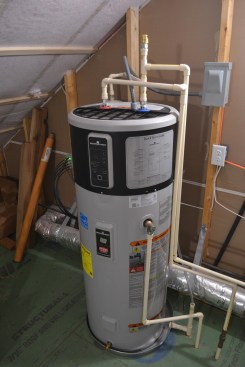
Heat Recovery Ventilators (HRVs) exchange indoor and outdoor air. They recover heat from outgoing air. This process saves energy and maintains temperature. HRVs are ideal for cold climates. They reduce heating costs while improving air quality. Install HRVs in central locations for even airflow.
Credit: www.jlconline.com
Daily Habits To Boost Air Quality
Improving the air quality in your home doesn’t require major renovations or expensive gadgets. Simple daily habits can make a big difference in how fresh and clean your indoor air feels. These small actions become even more effective when you practice them regularly, creating a healthier environment for you and your family.
Regular Cleaning Routines
Dust and allergens build up quickly, so cleaning often is key to fresh air. Vacuum your floors and rugs using a vacuum with a HEPA filter to trap tiny particles. Wiping surfaces with a damp cloth removes dust instead of just spreading it around.
Don’t forget to clean areas that are easy to overlook, like ceiling fans, window sills, and under furniture. These spots collect dust and can affect air quality more than you think. Have you noticed a difference in air freshness after a thorough cleaning?
Managing Humidity Levels
Humidity affects how air feels and its quality. If your home is too damp, mold and mildew can grow, releasing harmful spores. On the other hand, dry air can irritate your throat and skin.
Use a dehumidifier in damp rooms or during humid seasons to keep moisture under control. In dry months, a humidifier adds just enough moisture to keep the air comfortable. Monitor humidity levels with a simple hygrometer, aiming for 30-50% for the best balance.
Limiting Indoor Smoking And Pollutants
Smoking indoors releases toxic chemicals that linger in your air long after the cigarette is out. If you or your guests smoke, stepping outside is the healthiest choice for everyone’s lungs. Even candles, incense, and harsh cleaning chemicals can reduce air quality.
Switch to natural cleaning products and ensure good ventilation when using any products with strong fumes. Think about the last time you noticed a strong chemical smell indoors—could it be affecting your breathing or sleep?
Credit: www.lifebreath.com
Frequently Asked Questions
How Can I Improve Indoor Air Circulation Effectively?
To improve indoor air circulation, open windows regularly and use fans to move air. Consider installing vents or air exchangers for continuous fresh air flow. Avoid blocking air pathways with furniture to enhance natural airflow inside your home.
What Are The Best Plants For Fresh Indoor Air?
Plants like spider plants, snake plants, and peace lilies purify air naturally. They absorb toxins and release oxygen, improving air quality. Place these plants near windows or in commonly used rooms for maximum fresh air benefits.
Does Using Air Purifiers Help Get Fresh Air Inside?
Yes, air purifiers filter out pollutants and allergens from indoor air. They improve air quality by removing dust, smoke, and odors. Use purifiers with HEPA filters for effective removal of airborne particles and fresher indoor air.
How Often Should I Ventilate My House For Fresh Air?
Ventilate your house at least twice daily for 10-15 minutes each time. This helps replace stale indoor air with fresh outdoor air. Proper ventilation reduces indoor pollutants and maintains a healthy air environment inside your home.
Conclusion
Fresh air helps keep your home healthy and comfortable. Open windows and doors often to let air flow. Use fans to move air inside rooms. Plants also improve air quality naturally. Avoid blocking vents and keep your space clean. Small steps make a big difference in air quality.
Enjoy a fresher, brighter home every day. Breathe easy and feel better indoors.



