
Are you ready to take the next step in your career and become an HVAC professional? Getting your HVAC certification is the key to unlocking better job opportunities, higher pay, and the skills you need to succeed.
But where do you start? How can you make sure you get certified quickly and efficiently? In this guide, you’ll discover clear, simple steps to earn your HVAC certification without confusion or delay. Keep reading, and you’ll find everything you need to turn your goals into reality.
Credit: www.housecallpro.com
Hvac Certification Basics
Understanding the basics of HVAC certification is key to advancing your career in the heating, ventilation, and air conditioning field. Certification shows employers and clients that you have the skills and knowledge needed to perform your job safely and effectively. It can also open doors to better job opportunities and higher pay.
Types Of Hvac Certifications
There are several types of HVAC certifications, each focusing on different skills and specialties. The most common ones include:
- EPA Section 608 Certification:Required by law to handle refrigerants safely.
- NATE Certification:Known for its comprehensive testing on HVAC systems.
- HVAC Excellence Certification:Focuses on practical skills and industry knowledge.
- Manufacturer-Specific Certifications:Offered by companies like Carrier or Trane for their equipment.
Choosing the right certification depends on your career goals and the type of work you want to do. Have you thought about which certification aligns best with your current skills?
Benefits Of Getting Certified
Certification increases your credibility in the HVAC industry. It proves you know the latest safety standards and technical skills.
Employers often prefer certified technicians because they require less training and make fewer mistakes. This can lead to faster promotions and better pay.
Plus, certification can boost your confidence when working on complex systems. How might your work improve once you hold a recognized credential?
Certification Requirements
Most HVAC certifications require a combination of education, hands-on experience, and passing an exam.
- Typically, you need a high school diploma or equivalent.
- Many certifications require completing a training program or apprenticeship.
- Passing a written and sometimes practical test is essential.
Before you start, check the specific requirements for the certification you want. Are you ready to commit to the study and practice needed to succeed?
Credit: www.rsi.edu
Choosing The Right Certification
Choosing the right HVAC certification is essential for your career growth. It ensures you meet industry standards and legal requirements. Different certifications serve different purposes and skill levels. Selecting the correct one depends on your career goals and location.
Epa Section 608 Certification
This certification is mandatory for handling refrigerants safely. The Environmental Protection Agency (EPA) requires it for technicians working with air conditioners and refrigerators. There are four types: Type I, Type II, Type III, and Universal. Each type covers different equipment and tasks. Passing a test proves your knowledge of safe refrigerant practices.
Nate Certification
The North American Technician Excellence (NATE) certification shows your technical skills. It is widely recognized by employers and customers. NATE offers tests in various specialties like air conditioning, heat pumps, and gas furnaces. This certification helps you stand out in the job market. It requires passing both a core exam and a specialty exam.
State And Local Licensing
Many states and local areas require HVAC technicians to have licenses. Licensing rules vary by location and often include exams and work experience. Some states require continuing education to keep the license active. Check your state’s requirements before choosing a certification path. This ensures legal compliance and better job opportunities.
Training Options
Choosing the right training option is key to earning your HVAC certification. Various paths offer different experiences and benefits. Each one prepares you for the skills needed in the HVAC field. Consider your learning style, schedule, and career goals before deciding.
Trade Schools And Colleges
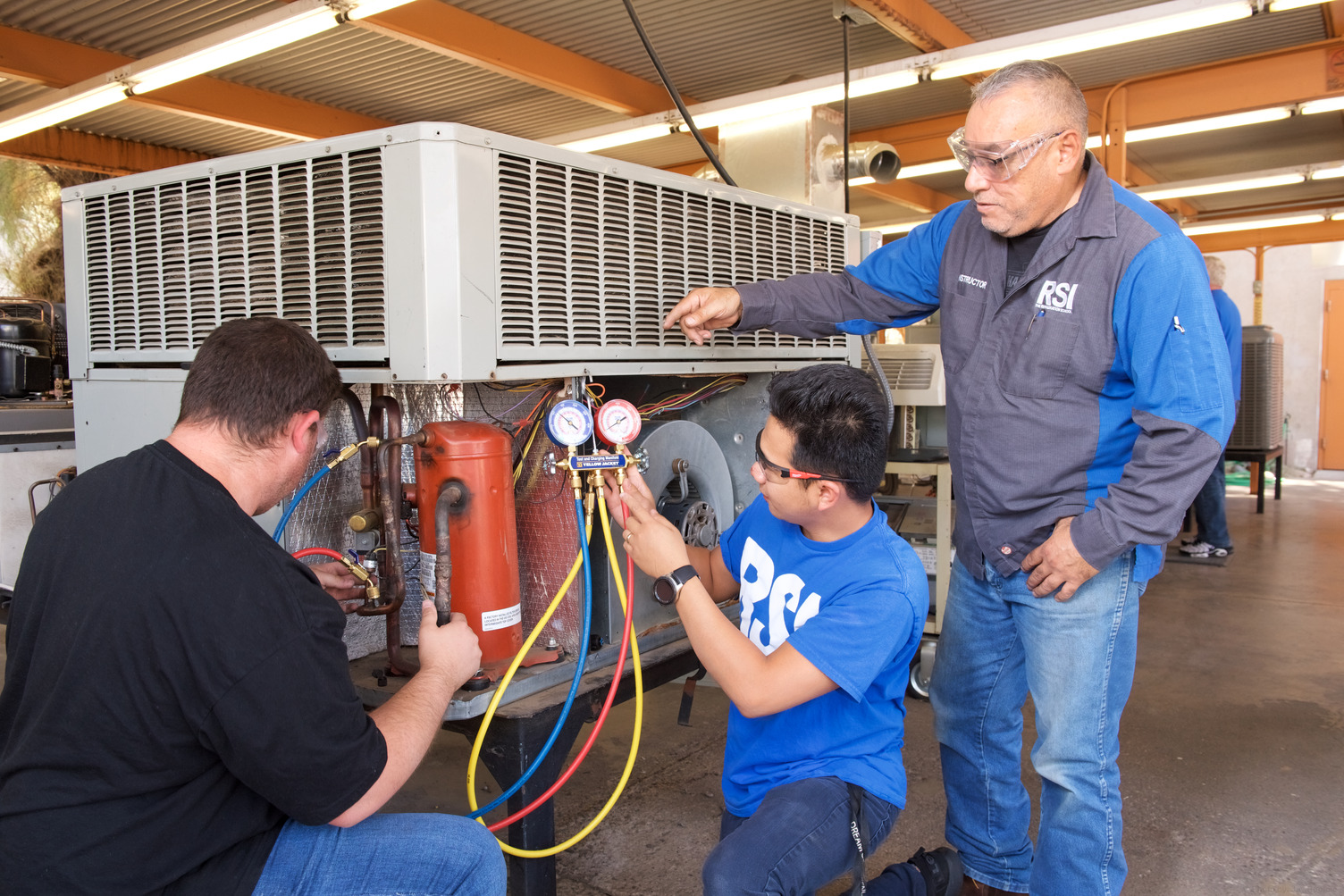
Trade schools and colleges provide structured HVAC programs. Courses cover heating, ventilation, air conditioning, and refrigeration basics. Programs often last from a few months to two years. You get hands-on training with real equipment. Graduates receive diplomas or certificates to help with certification exams.
Online Hvac Courses
Online HVAC courses offer flexible learning from home. They include video lessons, quizzes, and interactive content. This option suits those balancing work or family commitments. Online programs cover theory and practical knowledge. Some courses provide virtual labs or require in-person skill tests.
Apprenticeship Programs
Apprenticeships combine paid work with on-the-job training. You learn directly from experienced HVAC technicians. These programs last 3 to 5 years and offer real-world experience. Apprentices often attend classes part-time for theory knowledge. This path builds strong skills and industry connections.

Credit: www.carrierenterprise.com
Preparing For The Exam
Preparing for the HVAC certification exam requires focus and the right tools. A clear plan helps you cover all topics. Consistent study improves your confidence and skills. The exam tests your knowledge on HVAC systems, safety, and regulations. Use reliable materials to build a strong foundation. Practice regularly to identify weak areas. Manage your time to avoid last-minute stress. The right preparation leads to success.
Study Materials And Resources
Choose study guides designed for HVAC certification. Use books with clear explanations and examples. Online courses offer video lessons and quizzes. Official manuals from certification bodies provide accurate information. Flashcards help memorize key terms and formulas. Join study groups for support and discussion. Keep notes organized for quick review.
Practice Tests
Take practice tests to simulate the real exam. They show the question format and time limits. Review wrong answers to understand mistakes. Practice tests build exam-taking skills and reduce anxiety. Use tests from trusted sources for best results. Schedule regular test sessions to track progress.
Time Management Tips
Create a study schedule with daily goals. Break study sessions into 30-45 minute blocks. Take short breaks to stay fresh and focused. Prioritize difficult topics early in your plan. Avoid cramming by starting weeks before the exam. Use a timer during practice tests to improve pacing. Rest well the day before the exam.
Applying For Certification
Applying for HVAC certification is a crucial step in proving your skills and boosting your career. It’s more than just filling out forms—it’s about preparing to show what you know and taking that official step into the professional world. Knowing the application process, fees, documentation, and exam scheduling will save you time and reduce stress.
Application Process
Start by choosing the right certification that fits your career goals. Most certifications require you to apply through an official website or certification board. You’ll need to create an account, fill out personal details, and specify your work experience or education related to HVAC.
Be honest and thorough when completing the application. Missing information can delay the process or even cause rejection. Double-check everything before submitting to avoid common mistakes.
Fees And Documentation
Certification fees vary depending on the type and level of certification. Expect to pay anywhere from $100 to $400. Some certifications require additional fees for retakes or study materials.
Gather important documents such as proof of training, work experience, and identification. These might include transcripts, employer letters, or certificates from training programs. Having these ready before applying keeps the process smooth and straightforward.
Scheduling Your Exam
Once your application is approved, you’ll receive instructions to schedule your exam. Exams are usually offered at testing centers or online, giving you some flexibility. Select a date and time that allows enough preparation.
Think about your daily routine and choose an exam time when you’re most alert. This small consideration can make a big difference in your performance. Have you ever noticed how your focus changes throughout the day? Use that to your advantage when picking your exam slot.
Tips For Fast Success
Getting your HVAC certification quickly requires more than just reading books. It demands smart planning and active learning strategies. Here are some practical tips to help you speed up your success and earn that certification efficiently.
Setting A Study Schedule
Create a realistic study schedule that fits your daily routine. Break down topics into small chunks and assign specific times for each. Consistency beats cramming, so even short daily sessions can build strong knowledge.
Think about your peak focus hours—are you sharper in the morning or evening? Use those times to tackle the toughest subjects. This approach keeps your energy high and improves retention.
Leveraging Hands-on Experience
Reading theory is important, but working directly with HVAC systems makes concepts clear and memorable. Try to get on-the-job training or practice with real equipment whenever possible.
Handling tools and troubleshooting actual issues trains your brain differently. It also boosts your confidence for the certification exam and real-world scenarios.
Joining Study Groups
Connecting with others preparing for the same certification can speed up your learning. Study groups allow you to ask questions, share resources, and explain topics to one another, which deepens understanding.
Plus, group members often spot mistakes or gaps in your knowledge you might miss alone. Have you considered how much faster you could learn by discussing tricky concepts with peers?
Maintaining Your Certification
Renew your HVAC certification regularly to stay qualified and updated. Complete required training and pass any necessary exams on time. Keeping your certification current ensures your skills remain trusted in the industry.
Maintaining your HVAC certification is crucial for a successful career. Certification shows your skills and knowledge in the HVAC field. Keeping it active ensures you stay competitive and up-to-date. Here’s how you can maintain your certification effectively.Renewal Requirements
HVAC certifications have renewal periods. Check the timeline for your specific certification. Usually, renewals occur every few years. Be mindful of the deadlines. Late renewals can lead to extra fees or penalties. Keep a calendar reminder to stay on track. Always submit renewal forms before the deadline.Continuing Education
Continuing education is key to maintaining your HVAC certification. Many certifications require ongoing learning. This keeps you updated with industry changes. Courses can be online or in-person. Choose topics relevant to your career goals. Some certifications specify required courses. Always verify the course meets certification requirements.Advancing Your Career
Maintaining certification opens doors to career advancement. It shows dedication and expertise. Consider gaining additional certifications. This broadens your skill set. Specialized certifications can increase job opportunities. Networking with other HVAC professionals is beneficial. Join industry organizations to stay informed. Attend workshops and seminars. These can provide valuable insights and connections.Frequently Asked Questions
What Are The Basic Requirements For Hvac Certification?
To get HVAC certification, you need a high school diploma or GED. Completing an accredited training program is essential. Some certifications require work experience. Passing a certification exam validates your skills and knowledge in HVAC systems.
How Long Does It Take To Get Hvac Certified?
HVAC certification typically takes 6 months to 2 years. The duration depends on the training program and certification type. Some courses offer accelerated paths. Hands-on experience and exam preparation also affect the timeline.
Which Certifications Are Most Recognized In Hvac Industry?
The EPA Section 608 certification is mandatory for handling refrigerants. NATE (North American Technician Excellence) certification is highly respected. HVAC Excellence and RSES certifications are also popular. Choose certifications based on your career goals and local requirements.
Can I Get Hvac Certified Online?
Yes, many accredited programs offer online HVAC certification courses. Online training covers theory and exam preparation. However, hands-on experience is crucial for practical skills. Some certifications require in-person practical assessments.
Conclusion
Getting HVAC certification opens many doors in the heating and cooling field. It shows you have the skills and knowledge needed for the job. Training and exams are key steps to earn this credential. Keep learning and practicing to stay updated with new technology.
Certified technicians often find better job chances and higher pay. Start your certification journey with clear goals and steady effort. This small step can lead to a strong and rewarding career in HVAC.



