
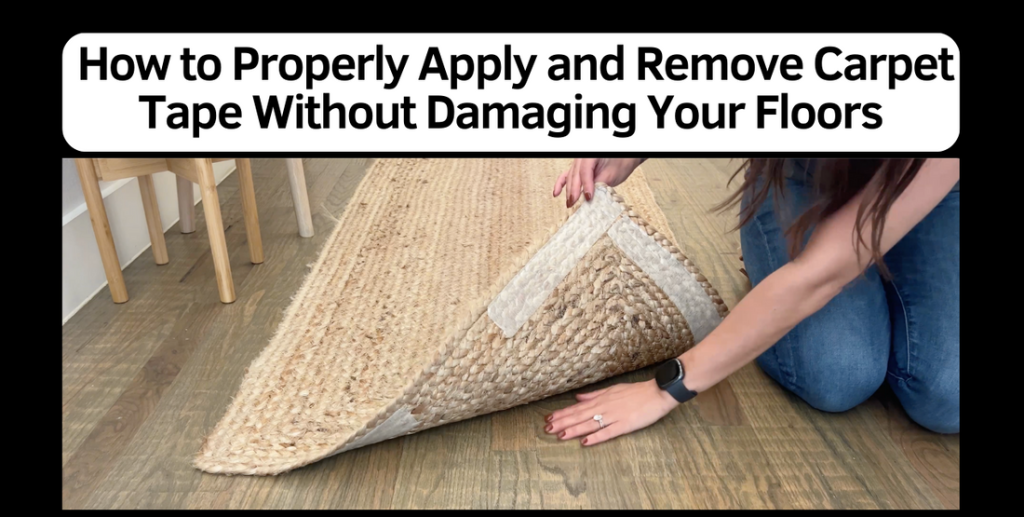
Are you struggling with sticky rug tape stuck on your hardwood floors? Removing it can feel like a tough, messy job.
But don’t worry—there’s a way to get your floors clean and smooth again without damage. You’ll discover simple, effective methods to peel off that stubborn tape quickly. Keep reading, and you’ll have your beautiful floors looking flawless in no time.
Types Of Rug Tape
Rug tape comes in various types, designed for different uses and floor surfaces. Choosing the right tape affects how easy it is to remove without damaging your hardwood floors. Some tapes stick firmly and last long, while others peel off cleanly. Knowing the differences helps protect your floors and keep rugs in place.
Permanent Vs Removable Tape
Permanent rug tape offers strong adhesion. It holds rugs tightly for a long time. This type works well in heavy-traffic areas. The downside is it can leave sticky residue. Removing it may need extra care or special cleaners.
Removable rug tape has less sticky glue. It keeps rugs secure but peels off easily. This tape is gentle on hardwood floors. It usually leaves little or no residue behind. Best for short-term use or renters who want no damage.
Common Adhesive Materials
Rug tape uses different adhesives to stick to floors. Each type has strengths and weaknesses.
- Acrylic Adhesive:Strong and durable. Resists moisture and heat. Can be tough to remove completely.
- Rubber-Based Adhesive:Offers good grip on smooth surfaces. Easier to peel off than acrylic. Might leave some residue.
- Silicone Adhesive:Gentle on floors and easy to remove. Not as strong for heavy rugs.
- Hot Melt Adhesive:Used for quick bonding. Strong but may leave marks when removed.

Credit: floorsanding.co.uk
Risks Of Removing Rug Tape
Removing rug tape from hardwood floors might seem simple, but it comes with risks that can affect the beauty and integrity of your flooring. Being aware of these risks helps you take smarter steps and avoid costly mistakes. Here’s what you need to watch out for before you start peeling off that tape.
Damage To Hardwood
Peeling off rug tape too quickly or with too much force can strip the finish or even scratch the wood surface. Hardwood floors are delicate, and aggressive removal methods may leave behind marks or discoloration.
Using sharp tools to scrape off tape might seem effective but can cause gouges or dents. Instead, consider gentler techniques to protect your floor’s natural shine.
Have you ever tried removing something sticky only to realize it ruined the surface underneath? That’s exactly what can happen here if you’re not careful.
Residue Challenges
Even after you remove the tape, sticky residue often remains. This leftover adhesive can attract dirt, making your floor look dirty and worn.
Cleaning off residue is tricky. Harsh chemicals might remove the sticky bits but can also damage the wood’s finish.
Think about what cleaning products you have at home—are they safe for hardwood? Using the wrong solution might turn a small residue problem into a bigger repair issue.
Preparation Before Removal
Before you start peeling off rug tape from your hardwood floors, preparing properly can save you time and prevent damage. Taking a few moments to gather the right tools and test the removal technique on a small area helps you avoid surprises. This preparation sets you up for a smoother, safer process.
Gathering Tools
Having everything ready before you begin is key. You’ll need items like a plastic scraper, adhesive remover safe for wood, soft cloths, and gloves. If you have a hairdryer or heat gun, that can help soften the tape adhesive.
Also, keep a bucket of warm soapy water nearby for cleaning residue afterward. Getting these tools together keeps you organized and reduces frustration during the removal.
Testing Small Areas
Before tackling the entire taped area, try removing the tape from a small, hidden spot. This lets you see how the hardwood reacts to the adhesive remover and scraping. You might find that the tape lifts easily or that certain products leave marks.
Testing prevents accidental damage and helps you choose the gentlest and most effective method. Have you ever rushed into a project only to discover your floor got scratched? Testing avoids that risk.
Manual Removal Techniques
Gently peel off the rug tape by lifting a corner and pulling slowly. Use a plastic scraper to loosen stubborn areas. Dampen a cloth with warm water and mild soap to clean the residue.
Removing rug tape from hardwood floors can seem like a daunting task, but with the right manual techniques, it becomes manageable. This section will guide you through effective methods to ensure your beautiful hardwood floors remain unscathed. Let’s dive into these practical approaches that you can start using today.Peeling Tape Slowly
To begin with, gently peel the tape from the floor. Start from one edge and slowly pull back. This gradual process reduces the risk of leaving sticky residue behind. Maintain a low angle as you peel. This helps lift the tape off cleanly. Rushing can cause the tape to tear or leave adhesive on the floor. Feel the satisfying release as the tape comes away intact. Isn’t it rewarding to see your floor’s surface free of tape?Using Plastic Scrapers
A plastic scraper can be your best friend in this task. Opt for one with a rounded edge to prevent scratches. Gently slide the scraper under the tape’s edge. Apply steady, even pressure to lift the tape. This technique is particularly useful for stubborn tape that refuses to budge. Did you know using a hairdryer to warm the tape slightly can make this process even easier? Think of these tools as your allies in preserving your floor’s pristine condition. Are you ready to tackle that tape with newfound confidence?Heat Methods
Removing rug tape from hardwood floors can be tricky, especially when adhesive residue sticks stubbornly to the surface. Heat methods soften the glue, making it easier to peel away without damaging your floor. These approaches are simple and use tools you probably already have at home.
Using Hair Dryer
Grab your hair dryer and set it to a medium or high heat setting. Hold it a few inches above the taped area, moving it slowly back and forth to warm the adhesive evenly. After about 1-2 minutes, test the tape’s edge with your fingernail or a plastic scraper; it should peel off more easily.
Be careful not to keep the heat in one spot for too long to avoid warping the wood. You might be surprised how quickly the tape loosens once warmed—have patience and keep the dryer moving. If the tape resists, add more heat in short bursts.
Applying Heat Pads
Heat pads or heating packs can be a gentler alternative to direct heat from a hair dryer. Activate the pad and place it on the tape for several minutes to warm the adhesive gradually. This method is especially useful for larger areas or delicate floors.
Once the adhesive softens, use a plastic scraper or your fingers to lift the tape slowly. Because the heat is less intense, you reduce the risk of damaging the wood finish. Have you tried using heat pads for other sticky messes? They often work wonders where a hair dryer might be too harsh.
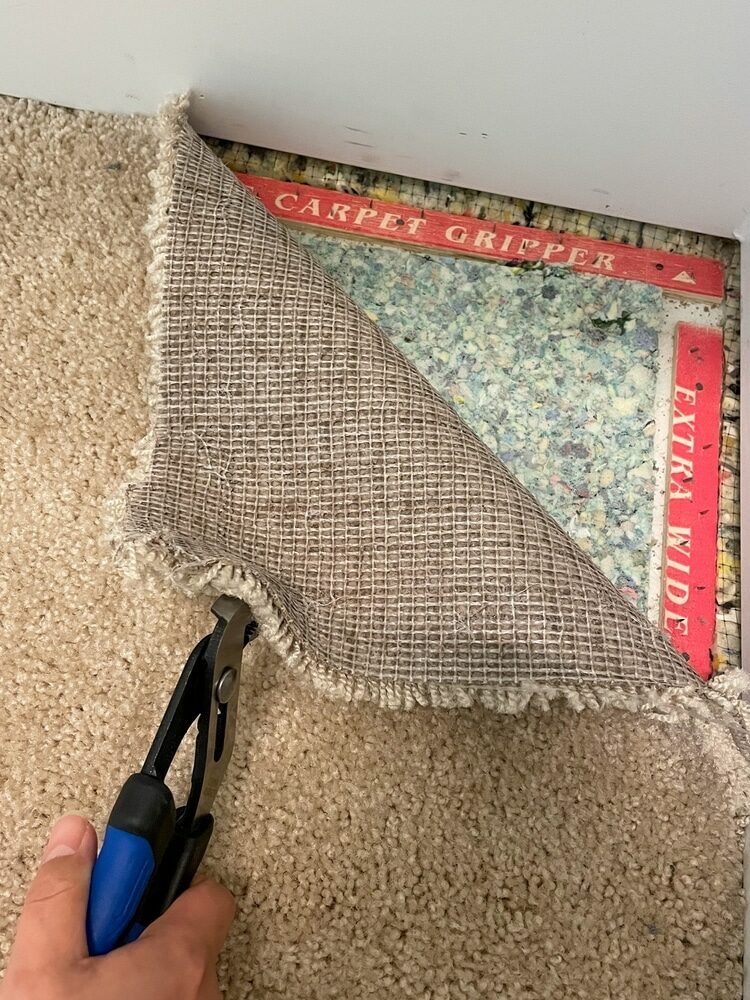
Credit: mrsander.co.uk
Solvent-based Solutions
Solvent-based solutions work well to remove rug tape from hardwood floors. These solutions break down the sticky adhesive, making it easier to wipe away. Using the right solvent protects the wood while cleaning effectively. Choose a gentle option to avoid damaging your floor’s finish.
Vinegar And Water Mix
Mix equal parts of white vinegar and water in a spray bottle. Spray the solution on the tape residue and let it sit for 5 to 10 minutes. The vinegar softens the adhesive without harming the wood. Use a soft cloth or sponge to rub the area gently. Wipe clean with a damp cloth afterward. Repeat if sticky residue remains. This natural solution is safe and affordable.
Commercial Adhesive Removers
Choose a commercial adhesive remover made for hardwood floors. Read the label to ensure it is safe for your floor type. Apply a small amount to a cloth and rub the sticky residue gently. Let it sit for a few minutes if needed. Use a clean cloth to wipe the area clean. Test on a small spot first to avoid damage. These removers work fast and reduce scrubbing.
Natural Alternatives
Removing rug tape from hardwood floors can be tricky. Harsh chemicals may damage the wood’s finish. Natural alternatives offer a safe and gentle way to clean your floors. These options use common household items. They soften the sticky residue for easy removal. Let’s explore two effective natural methods.
Olive Oil And Baking Soda
Olive oil helps break down the adhesive without harming wood. Baking soda adds gentle scrubbing power. Mix equal parts of olive oil and baking soda to form a paste. Apply the paste on the sticky tape residue. Let it sit for 10 to 15 minutes. Then, use a soft cloth to rub the area gently. The paste lifts the tape glue without scratching the floor. Wipe the floor clean with a damp cloth afterward.
Peanut Butter
Peanut butter contains natural oils that loosen sticky adhesives. Spread a small amount over the tape residue. Allow it to sit for about 10 minutes. Use a soft cloth or plastic scraper to rub the residue off. The oils soften the glue, making it easier to remove. Clean the area with warm, soapy water to remove any peanut butter residue. This method is safe and effective for hardwood surfaces.
Cleaning After Tape Removal
After removing rug tape from your hardwood floors, the cleanup process is crucial to restore the floor’s natural beauty. Tape residue can leave behind sticky patches that attract dirt and grime, making your floor look dull. Taking the time to properly clean and polish your hardwood will ensure it stays in great condition and extends its lifespan.
Removing Sticky Residue
Sticky residue from tape can be stubborn, but you don’t need harsh chemicals to get rid of it. Try applying a small amount of warm soapy water with a soft cloth. Gently rub the area in a circular motion until the residue starts to lift.
If that doesn’t work, a little bit of white vinegar diluted with water can help break down the sticky buildup. Be sure to test any solution on a small, hidden area first to avoid damaging your floor’s finish.
Have you ever tried using an adhesive remover? Products like Goo Gone are effective but should be used sparingly and wiped off immediately to prevent discoloration. Always follow up with a clean damp cloth to remove any leftover cleaner.
Polishing Hardwood Floors
Once the residue is gone, polishing your hardwood floor brings back its shine and smooth feel. Use a floor polish designed specifically for hardwood to avoid buildup or dullness.
Apply the polish with a microfiber cloth or mop, spreading it evenly in the direction of the wood grain. This not only enhances the floor’s natural beauty but also adds a protective layer against future damage.
Ask yourself: when was the last time you polished your hardwood floors? Regular polishing can make a noticeable difference in how your floors look and feel underfoot.
Preventing Future Adhesion Problems
Preventing future adhesion problems on your hardwood floors starts with smart choices. The right tape and rug setup can save you from the hassle of sticky residues and damage. Let’s look at practical ways to keep your floors safe and your rugs secure.
Choosing The Right Tape
Not all rug tapes are created equal. Some tapes are designed specifically for hardwood floors, with adhesives that won’t leave residue or damage the finish.
Look for tapes labeled as safe for wood or easy removal. These tapes usually have a gentler adhesive that sticks well but peels off cleanly. Avoid heavy-duty duct tapes or other strong adhesives that can pull up wood finish or leave sticky patches.
Have you ever used tape that felt impossible to remove? Switching to a low-tack, wood-safe tape can prevent that frustration. It’s worth trying a small test patch before applying tape over a large area.
Using Rugs With Non-slip Backing
Rugs with built-in non-slip backing reduce the need for extra tape. These backings grip the floor without adhesives, protecting your hardwood and keeping rugs in place.
Materials like rubber or latex backings are common and effective. They help prevent slipping without sticky residues. Choosing rugs with these features means less maintenance and fewer worries about damage.
If you prefer using rug pads, pick ones made for hardwood floors. Felt pads with a non-slip bottom are a good choice—they cushion the rug and stop it from moving. Have you noticed how much easier it is to clean under rugs that don’t stick to the floor? That’s another benefit to consider.

Credit: www.youtube.com
Frequently Asked Questions
How Can I Remove Rug Tape Without Damaging Hardwood?
Use a hairdryer to warm the tape adhesive. Gently peel the tape off. Clean residue with a mild adhesive remover safe for wood.
What Is The Safest Method To Clean Tape Residue?
Apply a small amount of mineral spirits or rubbing alcohol. Use a soft cloth to gently rub the residue. Always test on a hidden spot first.
Can I Use Heat To Loosen Rug Tape Adhesive?
Yes, heat softens the adhesive. Use a hairdryer on low heat. Keep it moving to avoid damaging the wood finish.
How Do I Prevent Damage While Removing Rug Tape?
Peel slowly and avoid scraping hard. Use gentle adhesive removers. Always test cleaning products on a small, hidden area first.
Conclusion
Removing rug tape from hardwood floors takes patience and care. Use gentle tools like plastic scrapers to avoid scratches. Warm soapy water or mild cleaners help soften the tape adhesive. Take your time and avoid harsh chemicals that can damage wood.
Clean the area well after tape removal to prevent residue. With these steps, your floors will look fresh and clean again. Keep your hardwood safe by choosing the right method. Simple actions make a big difference in floor care.



