
Have you ever tried to remove a sticker from your wall or door, only to end up with sticky residue or damaged paint? It’s frustrating, isn’t it?
You want your space to look clean and fresh, but those stubborn stickers just won’t come off easily. Don’t worry—this guide is made just for you. You’ll discover simple, effective ways to get stickers off without ruining your walls or doors.
Keep reading, and you’ll learn the tricks that make this annoying task quick and hassle-free. Say goodbye to sticky messes and hello to smooth, clean surfaces!
Types Of Stickers On Surfaces
Stickers come in many forms, and their materials and the surfaces they stick to play a big role in how easy or hard they are to remove. Understanding what kind of sticker you’re dealing with can save you time and frustration. It also helps you pick the right technique to avoid damage to your walls or doors.
Common Sticker Materials
Stickers are usually made from vinyl, paper, or plastic. Vinyl stickers are thick and waterproof, often used outdoors or on glass. They tend to peel off cleanly but sometimes leave sticky residue behind.
Paper stickers are thinner and more fragile. They often tear when you try to remove them and can leave paper bits stuck to the surface. These can be tougher to clean off without scrubbing.
Plastic stickers, like polypropylene, are flexible and glossy. They stick well but are easier to remove than paper ones. You might find these on doors or walls where you want a shiny finish.
Surface Differences
Walls and doors can be painted, laminated, wooden, or glass, and each reacts differently to sticker removal. Painted walls can get damaged if you use harsh chemicals or too much force. It’s safer to start with gentle heat or soapy water.
Wood doors absorb adhesives differently depending on if they are varnished or raw. Varnished wood usually handles sticker removal better but can still scratch if you’re not careful. Raw wood may absorb glue, making stains harder to clean.
Glass surfaces are usually the easiest to clean but watch out for stickers with very strong adhesives. They might require scraping tools or adhesive removers. However, glass won’t get scratched as easily as wood or painted walls.
Have you ever tried to peel a sticker only to find it tearing into small pieces? Knowing what your sticker is made of and what surface it’s on can change your approach entirely. What’s the surface you’re dealing with right now?

Credit: www.amazon.in
Tools Needed For Removal
Removing stickers from walls and doors requires the right tools. Using suitable tools makes the task easier and protects your surfaces. Some tools are common household items. Others are specialized for sticky residue removal.
Household Items
- Warm water and soap – softens sticker glue gently
- Hairdryer – heats and loosens adhesive for easy peeling
- Plastic scraper or old credit card – lifts sticker without damage
- Rubbing alcohol or vinegar – dissolves sticky residue effectively
- Soft cloth or sponge – cleans surface after removal
Specialized Tools
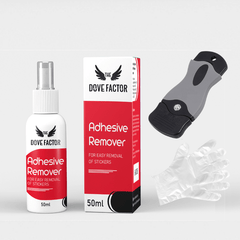
- Commercial adhesive remover – designed to break down glue quickly
- Goo Gone or similar products – safe for walls and doors
- Rubber eraser – removes small sticky spots gently
- Microfiber cloth – prevents scratching while cleaning
- Plastic putty knife – helps scrape off stubborn stickers carefully
Quick Methods To Remove Stickers
Warm soapy water softens sticker glue, making removal easier without damaging surfaces. Rubbing alcohol or vinegar helps dissolve sticky residue quickly and safely. Gently scraping with a plastic card prevents scratches while lifting stickers from walls and doors.
Removing stickers from walls and doors can be a tricky task, but with the right techniques, it becomes a breeze. Whether you’re dealing with a sticky residue or a stubborn sticker that’s been in place for ages, there are quick and effective methods to tackle the problem. Let’s dive into some practical solutions that will leave your surfaces looking spotless.Peeling Techniques
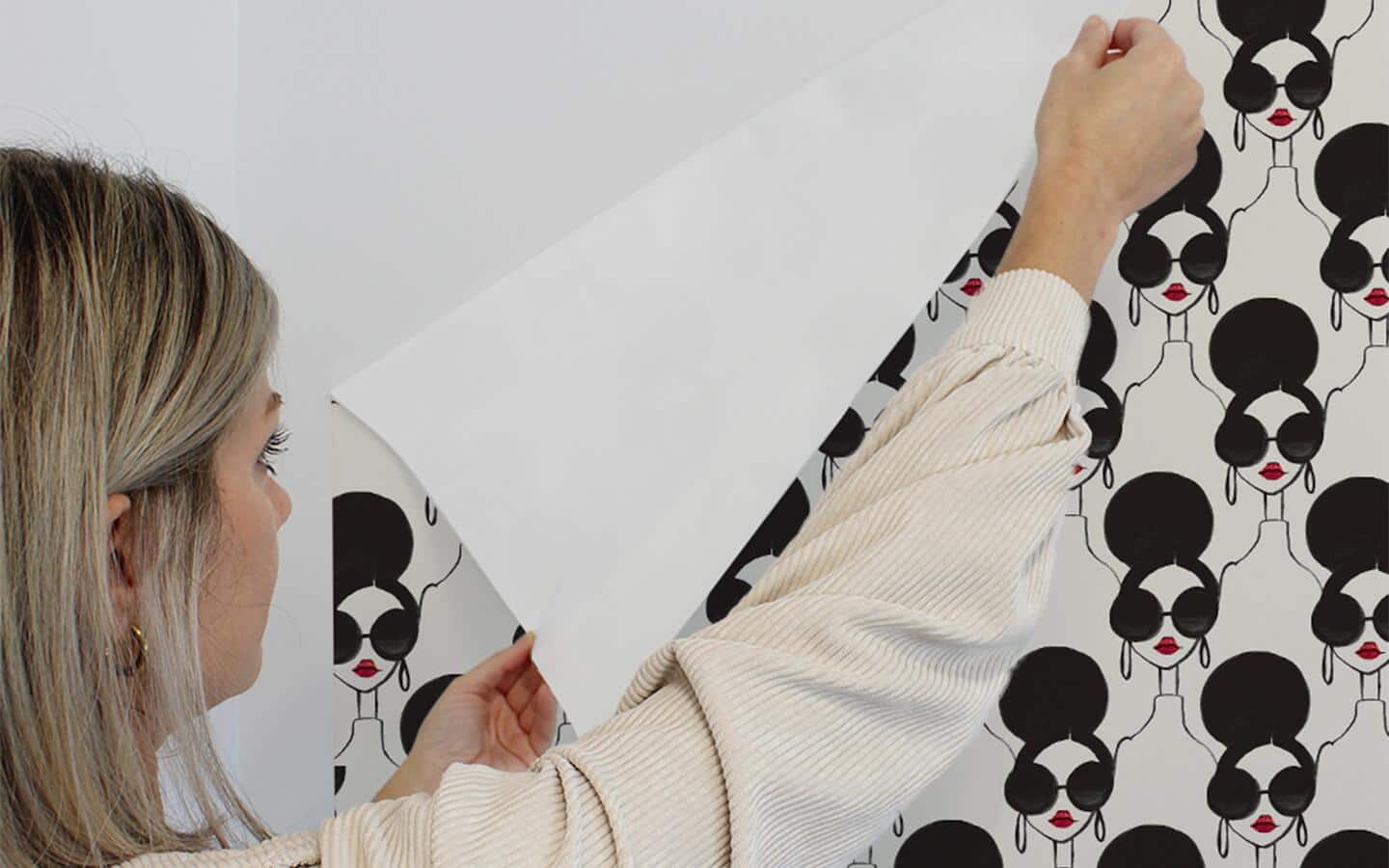
Start with a simple peeling technique to remove stickers. Use your fingernail or a plastic card to gently lift the edge of the sticker. Work slowly to avoid tearing. If the sticker begins to tear, try using a small amount of baby oil or vegetable oil. Apply it to the edge, wait a few minutes, and then continue peeling. Have you ever found yourself frustrated with sticky residue left behind? Use a damp cloth to wipe it away, applying a bit of dish soap if needed.Heat Application
Apply heat to make the sticker’s adhesive more pliable. A hairdryer works wonders here. Set it on low and aim it at the sticker for about 30 seconds. Careful not to hold the dryer too close, as it could damage the paint. Once heated, the sticker should peel off more easily. Did you know that a warm, damp cloth can also do the trick? Press it against the sticker, then peel it off with minimal effort. These methods are quick, simple, and effective, making sticker removal a hassle-free experience. What other sticker removal hacks have you tried at home?Using Solvents And Cleaners
Removing stickers from walls and doors can be frustrating, especially when the sticky residue refuses to budge. Using solvents and cleaners effectively can make this task much easier. Choosing the right solution not only helps lift the sticker but also protects your surfaces from damage.
Natural Solutions
Natural solvents like vinegar, baking soda, and olive oil can work wonders on sticker residue. Vinegar softens the adhesive, making it easier to scrape off with a gentle cloth or plastic scraper.
Mixing baking soda with a little coconut oil creates a paste that breaks down sticky patches without harsh chemicals. Olive oil is gentle and can dissolve adhesive without harming paint or wood finishes.
These options are budget-friendly and often already in your kitchen. Have you tried using household items before reaching for commercial products? You might be surprised by how effective they can be.
Commercial Products
Products like Goo Gone, rubbing alcohol, and adhesive removers are designed to tackle tough stickers fast. Goo Gone is popular because it penetrates adhesive quickly and wipes away residue with minimal effort.
Rubbing alcohol is a versatile cleaner that evaporates quickly and works well on many surfaces. Be cautious with stronger chemical solvents—they can damage paint or varnish if left on too long.
Always test a small hidden spot first to see how your wall or door reacts. Do you want a quick fix or a safer, slower approach? Commercial products offer speed but require careful use to avoid damage.
Protecting Walls And Doors
Removing stickers from walls and doors can be tricky. The goal is to keep surfaces intact while getting rid of sticky residue. Protecting walls and doors ensures they stay smooth and clean without damage. Taking careful steps helps maintain paint and finish quality. This section covers ways to avoid harm during sticker removal.
Preventing Paint Damage
Paint can peel or chip if you pull stickers too hard. Use gentle heat, like a hairdryer, to soften adhesive first. This makes sticker removal easier and safer. Avoid harsh chemicals that can strip or discolor paint. Test any cleaning product on a hidden spot before full use. Use soft cloths or sponges instead of scrapers or sharp tools. Work slowly to protect paint layers from damage.
Avoiding Surface Scratches
Stickers can leave marks if removed carelessly. Use plastic cards or silicone spatulas to lift edges gently. Scraping with metal tools can scratch surfaces deeply. Clean sticky areas with mild soap and water after sticker removal. Avoid abrasive scrubbers that wear down finishes. Keep patience; rushing causes scratches and more work later. Smooth surfaces stay beautiful with careful handling.
Removing Residue After Sticker Removal
After you peel off a sticker, you often find a sticky residue left behind that can be frustrating to remove. This leftover adhesive can attract dust and dirt, making your walls or doors look messy. Tackling this residue quickly and effectively helps restore your surfaces without causing damage.
Sticky Residue Solutions
There are several easy and safe ways to get rid of sticky residue. Common household items like rubbing alcohol, white vinegar, and cooking oil work wonders. For instance, rubbing a small amount of vegetable oil on the residue softens it, making it easier to wipe away.
If you prefer something stronger, apply a bit of rubbing alcohol on a cloth and gently rub the sticky area. Be careful to test a small spot first to ensure it doesn’t discolor your paint or finish. Another option is using commercial adhesive removers, but always follow the instructions closely.
Cleaning Tips
- Start by scraping off as much residue as possible with a plastic scraper or old credit card to avoid scratching.
- Apply your chosen solution and let it sit for a minute to break down the adhesive.
- Wipe with a soft cloth in circular motions to lift the sticky residue.
- Rinse the area with warm water and mild soap to remove any leftover solution.
- Dry the surface completely to prevent moisture damage.
Have you ever tried using warm soapy water alone? Sometimes it’s enough for fresh residues. You might be surprised how gentle methods save you from harsh chemicals. What’s your go-to trick for sticky messes?
Troubleshooting Stubborn Stickers
Stubborn stickers can be frustrating to remove from walls and doors. They may tear, leaving bits behind, or old adhesive may stick tightly. Tackling these problems needs patience and the right approach. This section helps solve common sticker removal issues with simple tips that protect your surfaces and make cleaning easier.
When Stickers Tear
Stickers often tear when pulled too fast or without softening the glue. Small pieces can stay stuck to the surface. To avoid damage, soften the adhesive first. Use a hair dryer on low heat to warm the sticker. This loosens the glue and makes peeling easier.
If pieces remain, apply a little rubbing alcohol or adhesive remover on a cloth. Gently rub the spots until residue lifts. Avoid strong scrubbing to protect paint or finish. A plastic scraper or old credit card can help lift bits without scratching.
Dealing With Old Adhesive
Old adhesive can be sticky and hard to remove. It may feel gummy or leave a shiny film after sticker removal. Use gentle household items to break down the residue without harming surfaces.
- Warm soapy water softens and loosens old glue.
- Vinegar or lemon juice can help dissolve sticky patches.
- Apply a small amount of baby oil or cooking oil to the residue and wait a few minutes.
After applying, wipe off with a soft cloth. Repeat if needed until the adhesive disappears. Always test cleaners on a small hidden spot first. This prevents damage and ensures safe cleaning.
,aspect=fit)
Credit: www.justdial.com
Preventing Future Sticker Issues
Stopping sticker problems before they start saves time and effort. Taking simple steps helps keep walls and doors clean. Choosing the right sticker and applying it well makes removal easier later. These tips prevent damage and sticky residue.
Choosing Removable Stickers
Select stickers designed to peel off easily. Look for labels marked as “removable” or “repositionable.” These stickers use gentle adhesives that do not harm surfaces. Avoid strong permanent adhesives that leave marks. Test a small sticker on a hidden spot first. This check ensures the surface stays safe and clean.
Proper Sticker Application
Clean the surface before sticking anything. Dirt and dust reduce sticker grip and cause uneven adhesion. Apply stickers smoothly without air bubbles or wrinkles. Press edges firmly to avoid lifting corners later. Avoid placing stickers on rough or textured surfaces. These surfaces make removal harder and increase damage risk.
Credit: www.homedepot.com
Frequently Asked Questions
How Can I Remove Stickers Without Damaging Paint?
Use a hairdryer to warm the sticker. Gently peel it off starting from the edges. Use a mild adhesive remover for residue.
What Household Items Help Remove Sticker Residue Easily?
Rubbing alcohol, vinegar, and cooking oil work well. Apply with a cloth, let sit, then wipe off gently.
Is It Safe To Use Heat On All Wall Types?
Heat is safe for most painted walls but avoid it on delicate wallpaper. Test a small area first.
How Do I Clean Sticky Residue After Sticker Removal?
Use warm soapy water or a mixture of vinegar and water. Wipe with a soft cloth until clean.
Conclusion
Removing stickers from walls and doors takes patience and care. Use gentle heat or oil to loosen the glue. Peel slowly to avoid damage. Clean leftover residue with mild soap or rubbing alcohol. Test methods on a small spot first.
With simple steps, surfaces stay clean and smooth. Stickers won’t leave a lasting mark. Now, your walls and doors look fresh again. Easy and effective—just a little effort pays off.



