
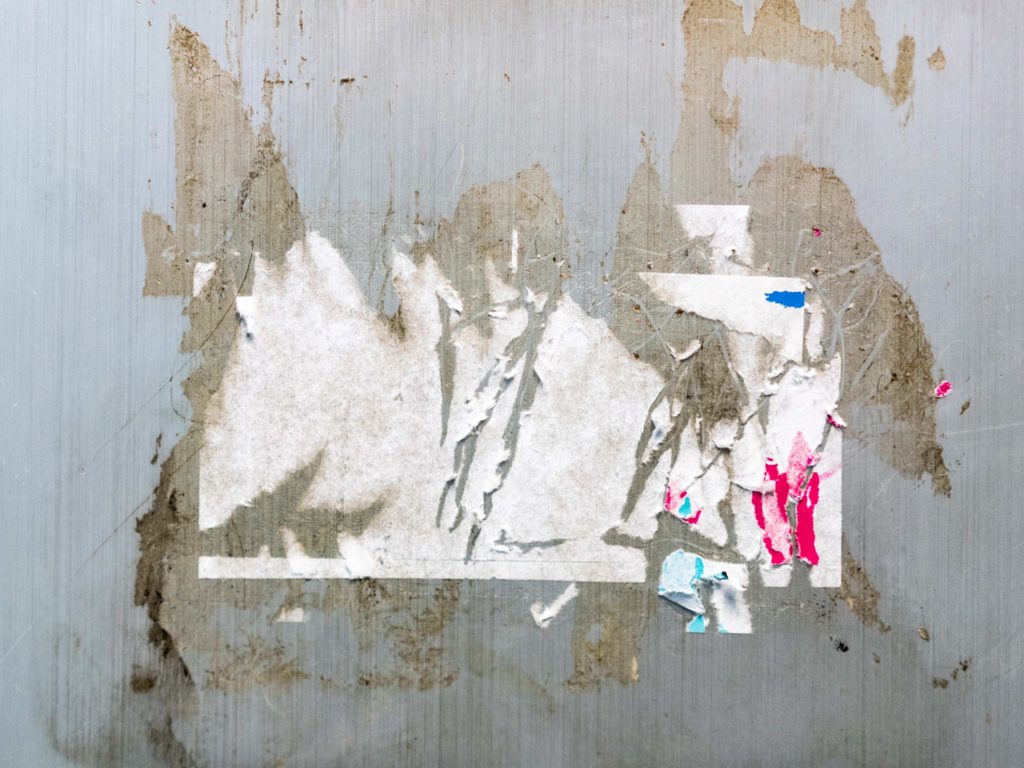
Have you ever tried to remove wall stickers only to end up peeling off your paint along with them? It’s frustrating, messy, and can leave your walls looking worse than before.
But what if you could take those stickers off easily, without damaging your paint or spending hours scrubbing? You’ll discover simple, effective ways to get rid of wall stickers safely. Keep reading, and you’ll learn how to protect your walls while making your space look fresh and clean again.
Choosing The Right Tools
Choosing the right tools is essential to safely remove wall stickers without damaging your paint. Using improper items can easily peel or scratch the surface, turning a simple task into a frustrating mess. Selecting gentle yet effective tools helps you maintain the look of your walls while getting rid of unwanted stickers smoothly.
Soft Cloths And Sponges
Soft cloths and sponges are your best friends when it comes to protecting paint. They allow you to apply gentle pressure and clean off adhesive residue without scratching. Microfiber cloths, in particular, are excellent because they lift sticky bits without leaving lint behind.
Try dampening the cloth slightly with warm water or a mild soapy solution. This softens the adhesive, making it easier to wipe away. Have you noticed how rough materials scratch your walls? Avoid them to keep your paint intact.
Plastic Scrapers
Plastic scrapers are a safer alternative to metal tools. Their edges are designed to lift stickers without gouging the paint underneath. Look for scrapers with flexible edges to carefully slide under the sticker’s edge and peel it off gradually.
Keep your movements slow and steady, and never force the scraper. If the sticker resists, switch to a softer tool or add a bit of heat. This approach keeps your wall safe from accidental damage.
Hair Dryer Or Heat Gun
Heat loosens the adhesive, making stickers easier to remove. A hair dryer works well by gently warming the sticker area. Hold it a few inches away and move it in small circles to avoid overheating any spot.
Heat guns offer more power but require caution. Too much heat can bubble or discolor paint. Have you tried feeling the surface temperature before peeling? If it feels warm but not hot, you’re on the right track.
Preparing The Wall
Preparing the wall is the first key to removing wall stickers safely. A clean, tested surface helps avoid damage like peeling paint. Taking time to prepare makes removal easier and protects your wall’s finish.
Cleaning The Surface
Start by wiping the wall with a soft cloth. Use mild soap and water to remove dust and dirt. Avoid harsh cleaners that can weaken paint. Let the wall dry completely before moving on. A clean surface ensures better sticker removal results.
Testing A Small Area
Choose a hidden spot near the sticker. Gently apply a little heat or moisture to test the paint’s reaction. Watch for peeling or bubbling paint. If paint stays intact, it is safe to continue. This test prevents surprises during removal and keeps your wall safe.
Using Heat To Loosen Stickers
Using heat to loosen wall stickers is a gentle way to remove them without damaging your paint. Warm air softens the adhesive, making the sticker easier to peel off. This method protects your wall surface and keeps the paint intact.
Applying Warm Air
Use a hairdryer or heat gun on low setting to warm the sticker. Hold the device about 6 inches from the surface. Move it slowly over the sticker to heat evenly. Warm air softens the glue beneath the sticker. After a minute or two, test the edge of the sticker. It should lift easily without pulling paint.
Safe Heat Levels
Keep the heat low to avoid paint damage. High temperatures can blister or peel paint. Use a setting labeled “low” or “warm” on your hairdryer. Never hold the heat source too close to the wall. Keep moving the heat device to prevent overheating one spot. Stop heating if the wall feels too hot to touch.
Applying Solvents Safely
Applying solvents to remove wall stickers can be tricky. You want to avoid peeling paint while getting rid of sticky residue. Using the right solvents carefully helps protect your walls and keeps your room looking fresh.
Choosing Mild Adhesive Removers
Not all adhesive removers are created equal. Harsh chemicals can damage paint or leave stains. Look for products labeled “mild” or “safe for painted surfaces.”
Products with gentle formulas, like citrus-based removers, often work well. They break down adhesive without harming your wall’s finish. Have you ever tried a remover that left a mark? That’s a sign to switch to something gentler.
Always test a small hidden spot before using any remover on a larger area. This simple step saves you from costly repairs.
Using Vinegar Or Soap Solutions
Household items like vinegar and soap can be surprisingly effective. White vinegar softens adhesive and loosens the sticker without chemicals. Mix equal parts vinegar and warm water for a safe solution.
Alternatively, a few drops of dish soap in warm water can do the trick. Apply the solution with a soft cloth, let it sit for a few minutes, then gently rub the sticker. You might be surprised how well these simple mixtures work.
Have you ever overlooked common kitchen ingredients for cleaning? Sometimes, the best tools are right under your nose.
Removing Residue Without Damage
Removing sticky residue left behind by wall stickers can be tricky, especially if you want to keep your paint intact. The key is to use techniques that lift the adhesive gently without causing any peeling or damage to your wall’s surface. Let’s look at ways to tackle residue with care and patience.
Gentle Scrubbing Techniques
Start by softening the residue with a damp cloth. Use warm water mixed with a little mild dish soap to avoid harsh reactions on your paint. Gently rub the area in small circles using a soft sponge or microfiber cloth.
Be patient and resist the urge to scrub hard. Vigorous scrubbing can lift paint, especially if it’s older or less durable. Instead, repeat gentle motions and let the warm soapy water do the work.
If the residue persists, try using a soft-bristled toothbrush to reach crevices. This allows you to apply just enough pressure to break down the adhesive without damaging the surface. Have you noticed how this small tool often gets overlooked but is surprisingly effective?
Avoiding Harsh Chemicals
Many people reach for strong solvents like acetone or paint thinner to remove sticky residue quickly. However, these substances often strip paint or leave unsightly marks.
Instead, choose safer alternatives like white vinegar or rubbing alcohol diluted with water. Test a small hidden spot first to ensure your paint won’t react badly. These milder options dissolve adhesive while preserving your wall’s finish.
Remember, less is more with chemical cleaners. Apply them sparingly with a soft cloth and avoid soaking the wall. How much damage are you willing to risk for a fast fix? Sometimes slow and steady really wins the race.
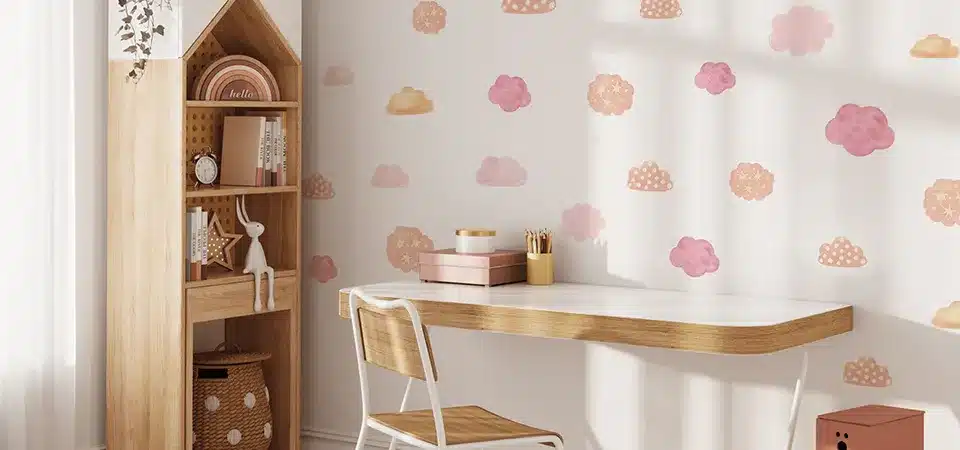
Credit: stickerprintingchina.com
Preventing Paint Peeling
Removing wall stickers without peeling paint can be tricky. It’s important to take care during the process. Following some simple steps can help protect your walls. Let’s explore ways to keep your paint intact.
Working Slowly And Carefully
Patience is key when removing stickers. Take your time to avoid damage. Start peeling from one corner. Gently pull the sticker back at a low angle. This reduces the risk of paint peeling. If you feel resistance, stop. Reassess your approach before continuing. Never rush this process.
Avoiding Excess Moisture
Too much water can weaken paint. Use minimal moisture when needed. Dampen a cloth slightly. Apply it to the sticker’s edge to loosen adhesive. Excess moisture may seep into paint and cause it to lift. Always dry the area immediately after. This keeps paint and walls safe.
Post-removal Wall Care
After carefully removing wall stickers without damaging your paint, the next crucial step is to care for the wall surface. Proper post-removal care ensures your wall looks fresh and clean, ready for whatever decorating ideas you have next. Skipping this step can leave residue, stains, or uneven textures that catch your eye every time you enter the room.
Cleaning And Drying
Once the sticker is gone, the wall often has leftover adhesive or dust. Use a soft cloth dampened with warm, soapy water to gently wipe the area. Avoid harsh scrubbing that might harm the paint.
Make sure to dry the wall thoroughly with a clean towel. Moisture left on the wall can cause paint to bubble or peel over time. Have you noticed how small damp patches can quickly turn into bigger problems?
Touching Up Paint
If the paint looks dull or uneven, touching it up can restore a smooth finish. Match the paint color as closely as possible; leftover paint from your last project is perfect for this.
Use a small brush to apply thin layers of paint, letting each coat dry completely before adding another. This approach helps avoid obvious patches and blends the repair seamlessly into the surrounding wall.
Don’t rush this step. Taking your time here means your walls will look flawless and ready for the next decoration challenge you want to tackle.

Credit: www.reddit.com
Alternative Methods To Try
Removing wall stickers without damaging your paint can feel tricky. Luckily, there are alternative methods that protect your walls while making sticker removal easier. These techniques use common household items and simple tricks to keep your paint intact.
Using Oil-based Products
Oil-based products like baby oil, coconut oil, or even peanut butter can soften the adhesive on wall stickers. Apply a small amount directly onto the sticker and let it sit for about 10 to 15 minutes. The oil breaks down the glue, allowing you to gently peel off the sticker without pulling off paint.
Be sure to test the oil on a hidden spot first to ensure it doesn’t stain your wall. After the sticker comes off, wipe the area with a damp cloth to remove any oily residue. This method works well if you want to avoid harsh chemicals and keep things natural.
Freezing The Sticker
Freezing might sound odd for wall stickers, but it can actually make removal easier. Use an ice pack wrapped in a cloth and press it against the sticker for several minutes. The cold hardens the adhesive, making it less sticky and easier to lift without damaging the paint.
This trick is especially useful for stickers on smooth, non-porous surfaces. Once the adhesive is firm, gently lift the edges with your fingernail or a plastic scraper. Curious how a simple ice pack can protect your walls? Give this a try before reaching for a heat gun or chemical solvent.
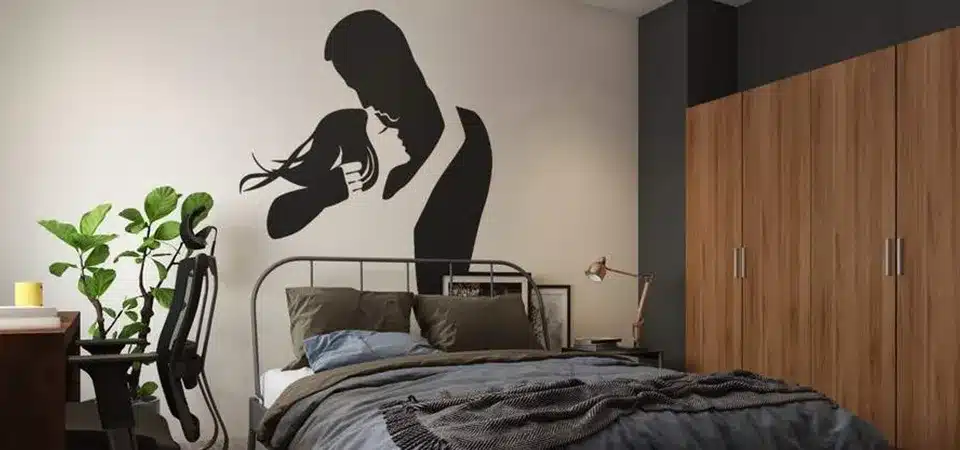
Credit: stickerprintingchina.com
Frequently Asked Questions
How Can I Remove Wall Stickers Without Peeling Paint?
Use gentle heat like a hairdryer to soften adhesive first. Slowly peel from one edge while applying heat to avoid paint damage.
What Household Items Help Remove Wall Stickers Safely?
Warm soapy water, vinegar, or rubbing alcohol can help dissolve adhesive residue without harming paint. Apply gently with a cloth.
Is It Safe To Use Heat On Painted Walls?
Yes, low heat from a hairdryer softens adhesive without damaging paint if used carefully and evenly.
How Do I Avoid Sticky Residue After Removing Stickers?
Clean the area with mild soap and water or adhesive remover. Avoid harsh scrubbing to protect paint.
Conclusion
Removing wall stickers without peeling paint takes care and patience. Use gentle heat or oil to loosen the adhesive. Peel slowly and keep the wall dry. Avoid sharp tools that can damage the surface. Clean any sticky residue with mild soap and water.
Taking these steps keeps walls safe and smooth. Your room looks fresh without extra repairs. Small efforts protect your paint and save time. Stick to these tips for easy sticker removal. Simple and careful work brings the best results.



