
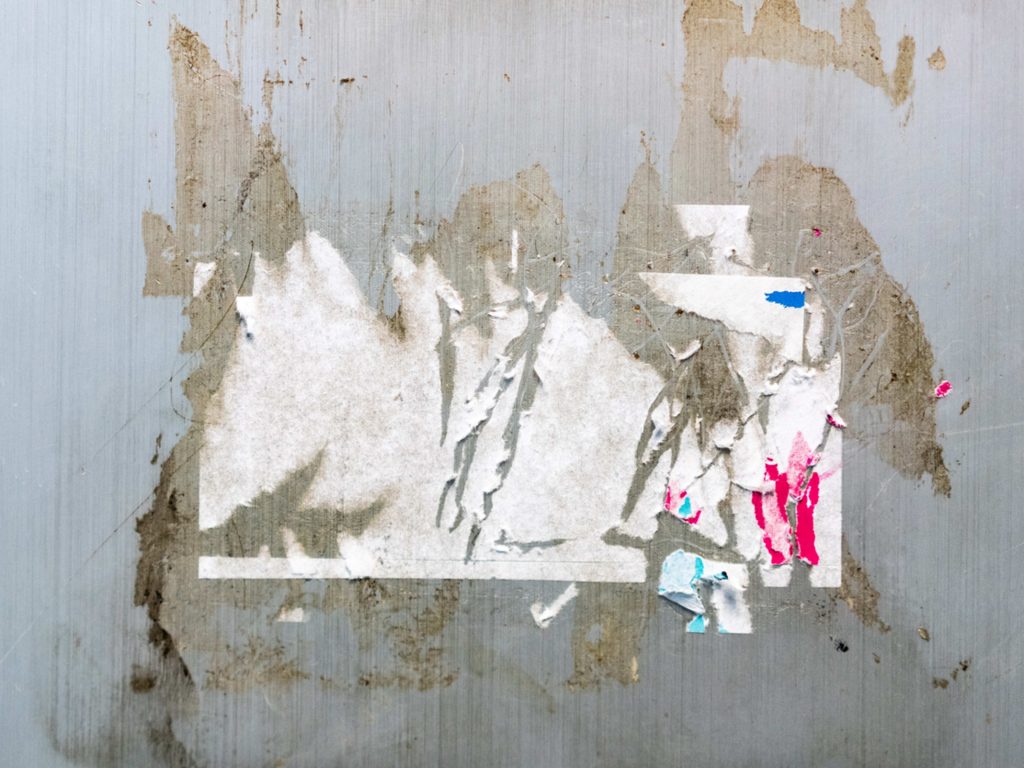
Have you ever peeled off wall stickers only to find sticky residue left behind? That stubborn leftover can ruin the clean look of your walls and make you want to give up on decorating altogether.
But don’t worry—removing wall sticker residue doesn’t have to be a frustrating, time-consuming task. You’ll discover simple and effective ways to get your walls looking fresh and spotless again. Keep reading, and you’ll learn easy tricks that save your wall and your patience.
Credit: stickerprintingchina.com
Causes Of Wall Sticker Residue
Wall sticker residue forms when adhesive materials remain stuck on surfaces after removing stickers. This residue can be sticky, oily, or even hard to see. Understanding why residue forms helps in choosing the right cleaning method. Two main causes are the type of adhesive used and the time the sticker stayed on the wall.
Types Of Adhesives Used
Wall stickers use different adhesives. Some are strong and leave more residue. Others are weak and peel off cleanly. Common adhesives include:
- Acrylic-based adhesives: These are common and usually leave behind a sticky film.
- Rubber-based adhesives: These tend to be softer but can leave oily spots.
- Silicone adhesives: These are less common and often leave minimal residue.
The type of adhesive affects how hard the residue is to remove. Stronger adhesives bond tightly to paint or wallpaper.
Effects Of Time On Residue
The longer a sticker stays on a wall, the harder the residue becomes to remove. Over time, adhesives dry out and harden. Heat and sunlight can also change the adhesive’s texture. Old residue may crack or become sticky and gummy. Fresh residue is usually softer and easier to clean.
Time also affects the bond between adhesive and wall paint. Paint may peel if residue is removed roughly after long use. Knowing how long the sticker was on the wall helps choose gentle cleaning methods.
Tools And Materials Needed
Removing wall sticker residue requires the right tools and materials. Choosing effective items makes the process easier and protects your wall surface. Some materials are common household items, while others are specialized products. Knowing what to use helps achieve a clean wall without damage.
Household Items
- Warm water: Softens adhesive for easier removal
- Dish soap: Breaks down sticky residue gently
- White vinegar: Natural cleaner to dissolve glue
- Baking soda: Mild abrasive to scrub off residue
- Soft cloth or sponge: Prevents wall scratches
- Plastic scraper or old credit card: Removes residue without damage
- Hairdryer: Warms adhesive to loosen it
Specialized Cleaning Products
- Goo Gone: Designed to remove sticky residues
- Rubbing alcohol: Dissolves adhesive effectively
- Adhesive remover sprays: Made for tough glue
- Magic eraser: Cleans walls gently and thoroughly
- Commercial degreasers: Break down sticky substances fast
Quick Methods To Remove Residue
Removing wall sticker residue can be fast and easy. Some simple home solutions work well without damaging paint or wallpaper. These quick methods help clear sticky marks and leave walls clean and smooth. Try warm soapy water, vinegar solution, or rubbing alcohol to get rid of leftover glue.
Using Warm Soapy Water
Mix warm water with a few drops of mild dish soap. Dip a soft cloth or sponge in the solution. Gently rub the sticky residue on the wall in circular motions. Let the soap soak for a few minutes if needed. Wipe off with a clean damp cloth. Repeat until the residue disappears. This method is gentle and good for delicate paint finishes.
Applying Vinegar Solution
Combine equal parts white vinegar and water in a spray bottle. Spray the mixture on the sticky area. Let it sit for about 5 minutes to soften the glue. Use a clean cloth to wipe the residue away. Vinegar helps break down adhesive without harsh chemicals. Rinse the wall with water after cleaning to remove vinegar smell.
Utilizing Rubbing Alcohol
Pour a small amount of rubbing alcohol on a cotton ball or cloth. Dab the sticky residue gently. Rub in small circles to lift the adhesive from the wall. Rubbing alcohol evaporates quickly and does not leave stains. Test a small area first to ensure it does not damage the paint. Wipe the wall with a damp cloth after cleaning.
Advanced Removal Techniques
Removing wall sticker residue can be tricky, especially when simple soap and water don’t do the job. Advanced techniques offer you practical solutions that dig deeper into the stubborn glue without damaging your paint or wall surface. These methods require a bit more effort but often save you time and frustration.
Heat Application With Hairdryer
Applying heat softens the adhesive, making it easier to peel off residue. Hold a hairdryer a few inches away from the wall and move it around the sticky area for about 30 seconds. You’ll notice the residue becoming tackier and easier to wipe away.
Once heated, use a soft cloth or a plastic scraper to gently lift the glue. Avoid using metal tools to prevent scratches. Have you tried this on a particularly stubborn spot yet? The warmth can change everything.
Using Baking Soda Paste
Baking soda mixed with water creates a gentle abrasive paste that breaks down adhesive bonds. Mix equal parts baking soda and water to form a thick paste, then apply it directly to the residue.
Let it sit for 10 to 15 minutes before scrubbing with a soft cloth or sponge. This method is especially useful if you want a natural, non-toxic option. What’s great is that baking soda also helps deodorize the area as you clean.
Commercial Adhesive Removers
There are many commercial products designed specifically to remove sticky residues. Look for removers labeled safe for painted walls to avoid damage. Always test a small hidden area first to check for any discoloration.
Apply the remover according to the package instructions, usually letting it sit for a few minutes before wiping off. These products can save you time, but using them carefully ensures your wall stays intact. Have you found a favorite brand that works well on your walls?
Preventing Wall Damage
Removing wall sticker residue can be a tricky task, especially if you’re worried about damaging your walls. It’s easy to get carried away and scrape too hard or use chemicals that could cause discoloration or peeling. But with a few careful steps, you can protect your walls while effectively removing sticky residues. Let’s dive into some actionable tips to ensure your walls remain as pristine as possible.
Test On Small Areas
Before you start, always test your chosen removal method on a small, inconspicuous area of the wall. This helps you see how the wall reacts to your technique and products.
If the test area shows signs of damage or discoloration, you can switch to another method without affecting the entire wall. This simple step can save you from costly wall repairs later.
Gentle Scraping Tips
When scraping off residue, opt for tools that are less likely to scratch or gouge the surface. A plastic scraper or an old credit card can work wonders.
Hold the scraper at a slight angle and gently push against the residue. Apply minimal pressure; let the tool do the work.
Have you ever found yourself impatiently scraping and then regretting it when you see a scratch? Remember, gentle persistence is key. Taking your time can prevent damage and leave your walls looking good as new.
Post-cleaning Wall Care
After removing wall sticker residue, your wall might look cleaner but still need some extra care to restore its original charm. Post-cleaning wall care helps maintain your wall’s appearance and prevents damage. Taking a little time now can save you from bigger repairs later.
Washing And Drying
Once the residue is off, gently wash the area with a mild soap solution and warm water. Use a soft cloth or sponge to avoid scratching the paint. Avoid soaking the wall; instead, lightly dampen and wipe to remove any leftover cleaning agents.
After washing, dry the wall thoroughly with a clean towel or microfiber cloth. Leaving moisture on the surface can cause paint to peel or encourage mold growth. Have you noticed how a little extra drying time can make a big difference in wall durability?
Touching Up Paint
Sometimes cleaning reveals small paint chips or discoloration. Keep some matching paint handy for quick touch-ups. Apply paint in thin layers and let each coat dry completely before adding another.
If you don’t have leftover paint from your last job, take a small chip from the wall to a paint store for color matching. Touching up promptly stops minor damage from spreading and keeps your wall looking fresh. Have you ever delayed a touch-up only to regret it later?
Tips For Future Wall Sticker Use
Removing wall sticker residue can be tricky, but a little preparation can save you from that hassle in the future. Taking some simple steps before applying your stickers will protect your walls and make removal much easier. Here are practical tips to help you enjoy your wall decor without leaving behind sticky messes.
Choosing Removable Stickers
Not all wall stickers are created equal. Look specifically for stickers labeled as “removable” or “peelable.” These products use adhesives designed to come off cleanly without damaging paint or leaving residue.
Try to avoid cheap stickers that stick too firmly or use permanent glue. I once used a vibrant decal that tore my wall paint when removed—it was a costly lesson. Investing in quality removable stickers means less stress and less cleanup later.
Consider stickers made from vinyl or static cling materials. These options often peel off easily and can be reused. Would you rather spend minutes removing residue or enjoy a clean wall instantly? The choice is clear.
Proper Sticker Application
Applying your wall sticker correctly can prevent future residue problems. Always clean the wall surface with a damp cloth and let it dry before sticking anything. Dust and oils create a weak bond, causing the sticker to lift or leave behind glue.
Press the sticker firmly but avoid stretching it. Stretching can cause the adhesive to weaken and leave bits behind when you remove it. Use a flat tool like a credit card to smooth out air bubbles for a neat finish.
If you plan to remove or reposition the sticker, peel it back slowly and gently. Ripping it off quickly often leaves sticky patches. Have you noticed how careful removal makes a huge difference in cleanup? Taking your time upfront saves effort later.
Credit: costacover.com

Credit: www.youtube.com
Frequently Asked Questions
How Do I Remove Wall Sticker Residue Safely?
Use warm soapy water and a soft cloth to gently rub the residue. Avoid harsh scrubbing to prevent wall damage. For stubborn spots, try a mixture of baking soda and water or use adhesive remover designed for walls.
What Household Items Remove Sticker Residue Effectively?
Common items like vinegar, olive oil, or rubbing alcohol can dissolve sticker residue. Apply a small amount, let it sit for a few minutes, then wipe with a soft cloth. Always test on a small wall area first to avoid damage.
Can Heat Help Remove Wall Sticker Residue?
Yes, using a hairdryer on low heat softens the adhesive. Warm the residue for 30 seconds, then gently scrape it off with a plastic scraper. Heat loosens glue, making residue easier to remove without harming the paint.
How To Avoid Wall Damage When Cleaning Residue?
Always use gentle cleaning methods and soft cloths. Avoid abrasive tools and harsh chemicals. Test cleaning solutions on a hidden wall area before full application to ensure no discoloration or damage occurs.
Conclusion
Removing wall sticker residue does not have to be hard. Warm water and gentle scrubbing work well. For stubborn spots, a little oil or rubbing alcohol helps. Always test a small area first. Take your time and be patient. Clean walls look fresh and neat again.
Enjoy your smooth, sticker-free walls today!



