
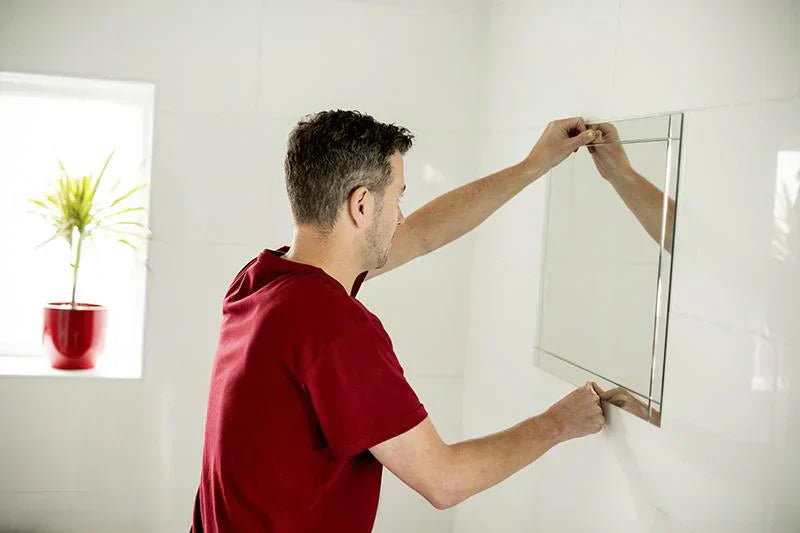
Are you looking to add style and function to your space with a door mirror on your wall? Hanging a door mirror might seem tricky, but with the right steps, you can do it yourself quickly and safely.
Imagine stepping into a room where your mirror not only reflects your image but also makes the space feel bigger and brighter. In this guide, you’ll discover simple, clear instructions that anyone can follow—no special tools or skills needed. Keep reading, and by the end, you’ll have the confidence to transform your wall with a beautiful door mirror.

Credit: www.amazon.com
Choose The Right Mirror
Choosing the right mirror sets the foundation for a successful wall hang. The mirror must fit your space and style. It also needs to be safe and easy to hang. Picking the right size, style, weight, and frame material helps avoid damage and enhances your room’s look.
Select Suitable Size And Style
The mirror size should match the wall space. A too-large mirror can overwhelm a small wall. A small mirror might look lost on a big wall. Measure the wall area before buying a mirror. Choose a style that fits your room’s decor. Classic, modern, or rustic styles all create different effects. Pick a design that blends well with your furniture and colors.
Consider Weight And Frame Material
Heavier mirrors need stronger wall anchors. Check the mirror’s weight before mounting. Lightweight mirrors are easier to hang and move. Frame material affects both weight and look. Wood frames add warmth but may be heavy. Metal frames offer a sleek look and vary in weight. Plastic frames are light but less durable. Choose a frame that suits your wall type and room style.

Credit: ledmirrorworld.co.uk
Pick The Perfect Spot
Choose a wall space with enough room for the mirror to hang freely. Avoid spots with direct sunlight or moisture to protect the mirror’s surface.
Finding the perfect spot for your door mirror enhances your room’s aesthetic. It also ensures the mirror serves its functional purpose. Placing it in the right location maximizes light reflection and adds depth. Consider both practical and decorative aspects when choosing the location.Find Ideal Height And Location
The mirror’s height affects its usefulness. Position the mirror so that it reflects at eye level. This allows everyone to see themselves clearly. Consider the average height of those using it. A common guideline is placing the center of the mirror about 57 to 60 inches from the floor. This aligns with most people’s eye level. Ensure the mirror is centered within the space for a balanced look.Check Wall Type And Surface
Different walls require different installation methods. Identify if your wall is drywall, plaster, or concrete. Drywall is common in homes and easy to work with. Plaster walls need special anchors to support weight. Concrete walls require masonry bits for drilling. Check the surface for imperfections. Smooth walls ensure the mirror hangs flat. If the wall is textured or uneven, adjustments may be needed.Gather Necessary Tools
Before you start hanging your door mirror on the wall, gathering the right tools is crucial. Having everything ready not only makes the job smoother but also helps avoid unnecessary trips to the store. Think about the last time you started a project without all the tools—you probably spent more time searching than working.
List Essential Equipment
- Measuring tape:To ensure your mirror is hung at the perfect height and centered.
- Level:Keeps your mirror straight so it doesn’t look crooked on the wall.
- Pencil:For marking spots on the wall where you’ll drill or place hooks.
- Drill and drill bits:Needed to create holes for screws or anchors, especially on drywall or plaster.
- Screwdriver:To tighten screws securely and avoid the mirror falling.
- Wall anchors:These provide extra support if you’re hanging the mirror on drywall.
- Mirror hanging hardware:Like D-rings, brackets, or hooks that come with or suit your mirror.
Missing even one of these can slow you down or cause a shaky hanging job. Have you ever tried hanging something heavy without anchors? It rarely ends well.
Safety Gear Tips
Protecting yourself should be part of your tool preparation. Safety glasses keep your eyes safe from dust and debris when drilling. Gloves protect your hands from sharp edges on the mirror frame or hardware.
Also, consider ear protection if you’re using a loud drill for an extended time. Are you planning to work on a ladder? Make sure it’s sturdy and placed on a flat surface to avoid accidents.
Having the right safety gear makes your work safer and lets you focus on getting the mirror perfectly placed. How often do you skip safety gear and regret it later?
Mark Mirror Placement
Marking the mirror placement on the wall is a key step before hanging. This step ensures the mirror sits exactly where you want it. Proper marking avoids mistakes that could damage your wall or mirror. Take your time to plan the exact spot. Clear markings guide you through the next steps with confidence.
Measure And Level Accurately
Use a tape measure to find the center point on the wall. Measure the mirror’s width and height carefully. Mark the top edge and sides lightly with a pencil. Use a spirit level to check if your marks are straight. Even a small tilt can make the mirror look off. Check the level twice to be sure.
Use Templates Or Guides
Create a paper or cardboard template of the mirror’s size. Tape it on the wall at the marked spot. This helps visualize the mirror’s position before installation. Mark the hanging points on the template clearly. Remove the template and transfer these marks to the wall. Templates reduce guesswork and make hanging easier.
Install Wall Anchors
Installing wall anchors is a key step to hang a door mirror safely. Anchors provide strong support and prevent damage to the wall. They hold the weight of the mirror securely. Choosing and placing the right anchors ensures the mirror stays in place over time.
Choose Proper Anchors For Wall Type
Different walls need different anchors. Drywall, plaster, and concrete require specific types. Use plastic expansion anchors for drywall. They expand inside the wall for a tight grip. For plaster walls, toggle bolts work best. They spread the load over a larger area. Concrete or brick walls need masonry anchors. These are made to fit into hard surfaces securely.
Check the mirror weight and wall material before buying anchors. Match the anchor size to the mirror’s weight. This prevents accidents and keeps the mirror stable.
Drill And Insert Anchors Correctly
Mark the exact spot for the anchor placement. Use a level to keep the mirror straight. Drill holes that match the anchor size. Too small holes make insertion hard. Too large holes reduce holding power.
Insert anchors carefully into the drilled holes. Tap gently with a hammer if needed. Make sure anchors sit flush with the wall surface. This helps screws hold tightly and avoids wall damage.
Attach Hanging Hardware
Attaching hanging hardware is key to safely securing your door mirror on the wall. This step ensures the mirror stays in place and looks level. Choose the right hooks or brackets based on your mirror’s size and weight. Proper hardware prevents accidents and protects your walls.
Secure Hooks Or Brackets To Mirror
Start by selecting hooks or brackets designed for mirrors. Use a measuring tape to mark where the hardware will go on the back of the mirror. Align the hooks evenly on both sides for balance.
Use a drill or screwdriver to attach the hardware firmly. Make sure screws fit tight and the hardware does not wiggle. Avoid using weak or rusted hooks to keep the mirror secure.
Confirm Stability And Alignment
Check that the mirror hangs straight by holding it up with the hardware attached. Adjust the hooks if the mirror tilts or feels loose. Test the stability by gently shaking the mirror.
Use a level tool to confirm the mirror is perfectly horizontal. This ensures a neat appearance and prevents strain on the hardware. Double-check all screws and hooks remain secure before hanging on the wall.
Hang The Mirror
Hanging a door mirror on your wall requires a steady hand and a bit of patience. The moment you lift and position the mirror is crucial for both safety and aesthetics. Paying attention to small adjustments at this stage can make a big difference in how your mirror enhances the room.
Lift And Position Carefully
Before lifting, make sure you have a clear path and a firm grip on the mirror. Door mirrors can be heavy and awkward, so using two people often helps avoid accidents. Lift the mirror slowly and bring it close to the wall where the hooks or brackets are installed.
Hold the mirror steady and align the mounting hardware with the wall anchors or screws. Avoid rushing this step to prevent damage to the wall or the mirror itself. Think about how the mirror reflects light in the room as you position it—are you maximizing brightness or creating unwanted glare?
Adjust For Perfect Alignment
Once the mirror is hanging, step back and check if it is level and centered. Use a spirit level or a smartphone app to ensure it sits straight. Even a slight tilt can be distracting and lessen the mirror’s visual impact.
If the mirror isn’t perfectly aligned, gently lift it off and reposition it. Sometimes small tweaks make a big difference. Don’t hesitate to ask a friend for a second opinion—fresh eyes can spot alignment issues you might miss.

Credit: www.yahoo.com
Final Checks
Final checks ensure your door mirror is secure and looks perfect. These last steps prevent accidents and keep your mirror shining. Take time to verify stability and cleanliness before calling the job done.
Test Stability And Safety
Gently press the mirror to check if it moves or wobbles. Make sure the hooks or brackets hold tight without any slip. Look for loose screws or uneven mounting points. Confirm the mirror sits flush against the wall. Ensure no sharp edges or parts stick out that could cause injury.
Clean Mirror And Surrounding Area
Wipe the mirror surface with a soft, dry cloth to remove dust and fingerprints. Use a glass cleaner for a streak-free shine if needed. Clean the wall around the mirror to remove any marks from installation. Check the floor and nearby areas for debris or tools left behind. A neat space highlights your newly hung door mirror perfectly.
Frequently Asked Questions
How Do I Hang A Door Mirror Securely On A Wall?
Use strong wall anchors and screws suited for your wall type. Mark the mirror’s hanging points, drill holes, insert anchors, and hang the mirror carefully. Always check the mirror’s weight limit before selecting hardware to ensure safety and stability.
What Tools Are Needed To Hang A Door Mirror?
You need a drill, screwdriver, measuring tape, level, pencil, and wall anchors. These tools help measure, mark, and securely fix the mirror to the wall. Having the right tools ensures a straight and stable installation.
Can I Hang A Door Mirror On Drywall Without Studs?
Yes, but use heavy-duty drywall anchors or toggle bolts. These provide extra support since drywall alone can’t bear much weight. Always check the anchor’s weight rating to match your mirror’s weight for safe hanging.
How High Should I Hang A Door Mirror On The Wall?
Hang the mirror at eye level, typically 57 to 60 inches from the floor. This height suits most people and provides a clear reflection. Adjust slightly based on your room layout and mirror size for the best view.
Conclusion
Hanging a door mirror on your wall is simple and quick. Measure carefully and use the right tools for safety. Choose a strong hook or bracket that fits your mirror’s weight. Mark the spots on the wall before drilling or nailing.
Take your time to align the mirror straight and secure it well. This small task can brighten your room and save space. Enjoy the new look and the extra light it brings. Try it yourself and see how easy it can be.



