
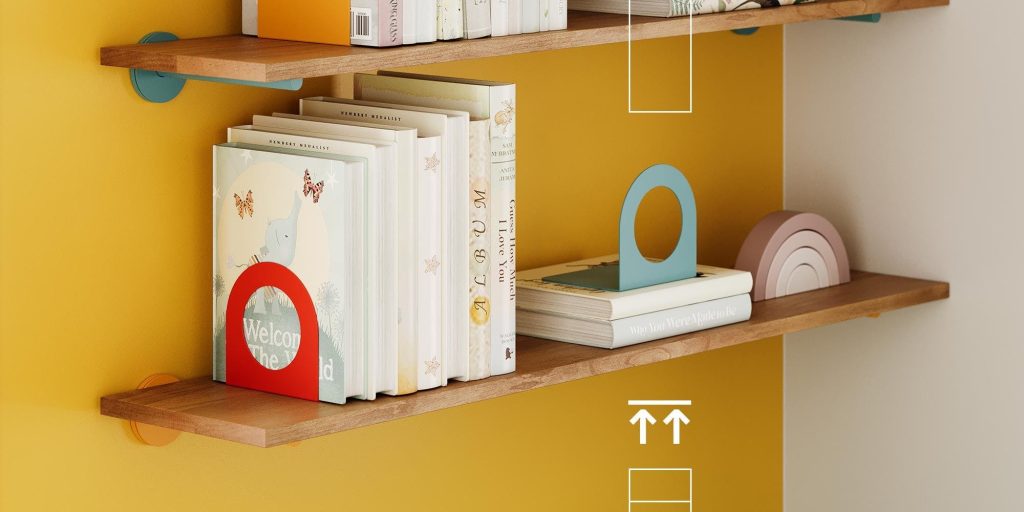
Are you ready to add style and extra storage to your room without drilling into studs? Hanging a floating shelf on drywall might sound tricky, but with the right steps, you can do it yourself—quickly and securely.
Imagine having a sleek shelf that holds your favorite books, plants, or decor, all appearing to float effortlessly on your wall. In this guide, you’ll discover simple tips and tricks that make the process easy, even if you’ve never hung a shelf before.
Keep reading, and by the end, you’ll have the confidence to transform your space with a beautiful floating shelf that stays put.
Choosing The Right Shelf
Choosing the right shelf is key to a strong and stylish floating shelf setup. A good shelf fits your room’s look and can hold the things you want to display. Think about the material and style first. Then check how much weight the shelf can hold. This keeps your shelf safe and looking great for a long time.
Materials And Styles
Shelves come in many materials like wood, metal, and glass. Wood is warm and classic. Metal offers a modern and sleek look. Glass looks light and elegant but needs careful handling.
Styles vary too. Some shelves have clean, straight lines. Others have carved or rustic designs. Choose one that matches your room’s style and colors. A simple shelf fits many rooms. A unique style can be a focal point.
Weight Capacity Considerations
Each shelf has a weight limit. This means how much it can safely hold. Check the shelf’s weight capacity before buying. Consider what you want to put on the shelf. Heavy books need a strong shelf. Light decorations need less support.
Also, think about the wall type. Drywall needs proper anchors to hold heavy shelves. Make sure the shelf and its hardware match your wall’s strength. This avoids damage and keeps items safe.
Tools And Supplies Needed
Hanging a floating shelf on drywall requires specific tools and supplies. Using the right equipment makes the process easier and safer. It also ensures the shelf holds weight properly and stays secure over time.
Gathering everything beforehand saves time and avoids interruptions. Below is a list of what you will need for a successful installation.
Essential Tools
- Drill with various drill bits
- Stud finder to locate wall studs
- Level to keep the shelf straight
- Measuring tape for precise measurements
- Pencil for marking spots on the wall
- Screwdriver for tightening screws
- Hammer for tapping anchors if needed
Hardware And Anchors
- Screws designed for drywall or wood
- Wall anchors suitable for drywall weight
- Toggle bolts for heavy shelves
- Brackets or mounting plates included with the shelf
Locating Wall Studs
Find wall studs by tapping and listening for a solid sound instead of a hollow one. A stud finder can help locate studs quickly and accurately. Anchoring shelves into studs ensures strong support on drywall.
Locating wall studs is a crucial step when hanging a floating shelf on drywall. Studs provide the necessary support to ensure your shelf stays securely attached, preventing any accidents or damage to your walls. Without proper stud location, your shelf might not hold the weight of your items.Using A Stud Finder
A stud finder is a handy tool that simplifies the process of locating wall studs. Simply turn on the device and slide it across the wall. Listen for a beep or watch for a light to indicate a stud’s presence. Some stud finders even offer features to detect electrical wires, adding an extra layer of safety. If you’ve never used one before, don’t worry. It’s straightforward and saves a lot of guesswork. Investing in a quality stud finder can make all the difference. Next time you hang anything, you’ll wonder how you managed without it. Have you ever tried using one?Manual Methods
If you don’t have a stud finder, manual methods can also help locate studs. Start by knocking on the wall and listen for a solid sound, which usually indicates a stud. Another approach is to measure 16 or 24 inches from a corner, as studs are often spaced this way. This method requires a bit of math and patience but is effective when done right. You can also look for clues such as electrical outlets or light switches, which are typically attached to the side of a stud. Manual methods may take more time, but they’re reliable and cost nothing.
Credit: www.create-enjoy.com
Marking And Measuring
Marking and measuring are the foundation of a successful floating shelf installation. Precise marks ensure your shelf will sit perfectly on the wall, both in position and alignment. Skipping this step or rushing through it often leads to uneven shelves or complicated rework.
Positioning The Shelf
Start by deciding exactly where you want your shelf on the drywall. Think about what the shelf will hold and how accessible it needs to be. You might want it higher for decorative items or lower for books and daily use.
Use a pencil to lightly mark the top edge of the shelf on the wall. Take your shelf and hold it against the wall, then mark the ends so you know the exact width. Double-check these marks before moving on—it’s easier to adjust pencil marks than drilled holes.
Leveling Tips
Leveling is crucial. Even a small tilt can make your shelf look off and cause items to slide off. Use a spirit level or a laser level to check your marks.
Place the level along the pencil marks and adjust until the bubble is centered. If you don’t have a level, a smartphone app can work well enough. Mark the adjusted line clearly to guide your drilling and mounting.
Ask yourself: have you checked the level from multiple angles? Sometimes a shelf can look straight from one side but tilt forward or backward. Confirming levelness in all directions saves you headaches later on.
Installing Anchors
Installing anchors is a crucial step when hanging a floating shelf on drywall. Without the right anchors, your shelf might not hold the weight, leading to damage or accidents. Choosing the correct type and installing it properly ensures your shelf stays secure and looks great.
Types Of Drywall Anchors
There are several types of drywall anchors, each suited for different weights and wall conditions. Here are some common options:
- Plastic Expansion Anchors:Best for lightweight items. They expand when you insert the screw and grip the drywall tightly.
- Self-Drilling Anchors (Threaded Anchors):These screw directly into the drywall without pre-drilling. They provide medium strength and are easy to install.
- Molly Bolts (Hollow Wall Anchors):Great for heavier loads. They expand behind the drywall, creating a strong hold.
- Toggle Bolts:Ideal for very heavy shelves or uneven drywall. The wings open inside the wall cavity, spreading the load over a larger area.
Think about what you plan to place on your shelf. Could a plastic anchor support it, or do you need a toggle bolt for heavier items?
Proper Installation Techniques
Proper installation is as important as choosing the right anchor. Start by marking the exact spots for your anchors. Use a level to keep your shelf straight.
Next, drill holes that match the size of your anchors. Too big, and the anchor won’t hold; too small, and you might damage the drywall.
When inserting the anchor, do it gently but firmly. For self-drilling anchors, screw them in slowly to avoid stripping the drywall. For molly bolts and toggle bolts, make sure the expanding parts fully open behind the wall before tightening the screws.
Secure the screws snugly, but don’t overtighten—this can weaken the anchor’s grip. Have you ever pulled a shelf off the wall because the anchors were loose? Taking your time here prevents that frustration.
Credit: www.familyhandyman.com
Mounting The Shelf Brackets
Mounting the shelf brackets is a key step to ensure your floating shelf stays secure and stable. Proper placement and fastening of the brackets will support the shelf’s weight and keep it level. Take care with each action to avoid damage and guarantee a strong hold.
Aligning With Anchors Or Studs
Start by locating the studs behind the drywall using a stud finder. Mark the exact spots where the brackets will attach. If studs are not available where you want the shelf, use drywall anchors for extra support. Align the brackets carefully with these marks. This ensures the shelf holds weight safely without pulling out.
Securing Brackets Firmly
Use a drill or screwdriver to drive screws through the brackets into the studs or anchors. Tighten each screw firmly but do not over-tighten to avoid stripping the holes. Check that the brackets sit flush against the wall with no gaps. A secure fit prevents wobbling and supports the shelf evenly. Double-check the level before final tightening to keep the shelf straight.
Attaching The Floating Shelf
Attaching your floating shelf to the drywall is the moment your project starts coming together. This step requires a careful touch to ensure the shelf fits securely and looks seamless. You’ll want to confirm that the brackets are firmly in place before sliding the shelf on, as this will affect stability and overall appearance.
Sliding Shelf Onto Brackets
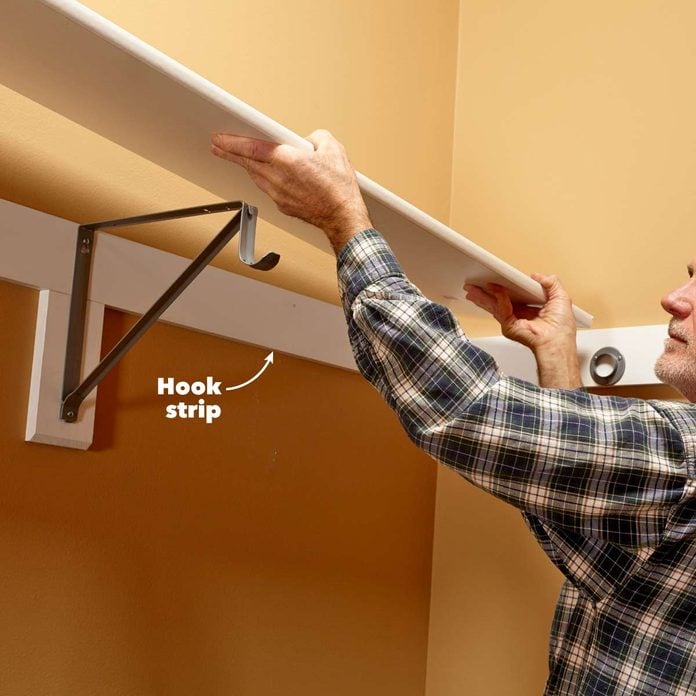
Gently lift the shelf and align it with the metal brackets fixed on the wall. The goal is to slide the shelf onto these brackets without forcing it. If you feel resistance, pause and check the alignment instead of pushing harder.
Make sure the shelf fits snugly over the brackets. This tight fit prevents wobbling and keeps your shelf level. It’s often easier with two people—one to hold the shelf steady, the other to slide it on.
Final Adjustments
Once the shelf is on, step back and inspect its level. Use a spirit level to confirm it’s perfectly horizontal. Even a slight tilt can be noticeable and affect the shelf’s usability.
If the shelf isn’t sitting flush, try gently shifting it or tightening the bracket screws. Small tweaks can make a big difference in stability and appearance.
Have you noticed a slight gap or unevenness? Sometimes adding small rubber pads between the wall and shelf can help create a firm, gap-free fit. This also protects both surfaces from scratches.
Ensuring Strong Support
Ensuring strong support is key to safely hanging a floating shelf on drywall. Without solid backing, the shelf can fall, damaging walls and items. Proper support holds the shelf steady and secures the weight it carries.
Choosing the right anchors and checking the shelf’s weight capacity are essential steps. Careful installation and regular checks keep the shelf reliable over time.
Weight Testing
Test the shelf by placing light items first. Gradually add heavier objects to check stability. Watch for any signs of bending or loosening. If the shelf moves or feels weak, remove items and reinforce the support.
Use a scale to measure the total weight on the shelf. Compare it to the shelf’s maximum weight limit. Avoid exceeding this limit to prevent accidents.
Maintenance Tips
- Inspect the shelf brackets regularly for any loosening.
- Tighten screws and anchors if you notice movement.
- Clean the shelf to avoid dust buildup that hides damage.
- Recheck weight limits after adding new items.
- Replace damaged anchors immediately to maintain safety.

Credit: www.youtube.com
Frequently Asked Questions
How Do You Find Studs For Hanging A Floating Shelf?
Use a stud finder to locate wall studs behind drywall. Mark the stud positions with a pencil before drilling. Anchoring the shelf into studs ensures maximum support and prevents damage.
What Type Of Anchors Work Best For Drywall Shelves?
Heavy-duty wall anchors like toggle bolts or molly bolts provide strong support. These anchors expand behind the drywall to hold the shelf securely without studs.
How High Should A Floating Shelf Be Mounted?
Mount the shelf at eye level or slightly above for easy access. Typically, 48 to 60 inches from the floor is ideal for most rooms.
Can You Hang A Floating Shelf Without Studs?
Yes, use strong drywall anchors designed for heavy loads. However, shelves hung only on drywall anchors may hold less weight safely.
Conclusion
Hanging a floating shelf on drywall is simple and useful. Follow the steps carefully to keep the shelf strong. Use the right tools and anchors for safety. Take your time to measure and level the shelf. This way, it will look good and hold weight well.
Try it yourself and enjoy the extra space. A well-hung shelf adds style and function to any room. Small projects like this build your confidence in home work. Give it a shot today!



