

Are you ready to give your room a quick and stylish upgrade? Hanging a clock on your wall might seem simple, but doing it the right way can make all the difference.
Imagine having your favorite clock perfectly centered, secure, and adding charm to your space every time you glance at it. In this guide, you’ll discover easy steps to hang your clock confidently, avoid common mistakes, and make sure it stays put for years to come.
Keep reading, and you’ll master the art of hanging a clock like a pro—no stress, no hassle.

Credit: medium.com
Choosing The Right Clock
Choosing the right clock for your wall is more than just picking a timepiece. It’s about finding one that fits your space, matches your style, and serves your daily needs. The right clock can enhance your room’s vibe and even make your life easier.
Types Of Wall Clocks
There are several types of wall clocks to consider, each with its own charm and function. Analog clocks are classic and easy to read, while digital clocks offer precision and often include extra features like alarms or temperature displays.
Think about whether you want a silent clock or one with a ticking sound. Some people find ticking soothing, while others find it distracting. Also, consider unique styles like vintage, modern, or rustic clocks that add character to your walls.
Size And Style Considerations
The size of your clock should suit the wall space and the room’s scale. A large clock can be a stunning focal point in a spacious living room but might overwhelm a small kitchen. On the other hand, a small clock might get lost on a big wall.
Style plays a crucial role too. Match your clock’s design with your existing decor. For example, a sleek metal clock complements a minimalist room, while a wooden frame fits well in a cozy, traditional setting.
Ask yourself: do you want your clock to stand out or blend in? Your answer will guide you to the perfect choice that feels right every time you glance at it.
Selecting The Ideal Wall Spot
Selecting the ideal wall spot for your clock ensures it looks great and works well. The right place makes the clock easy to see and adds charm to your room. Consider space, lighting, and distractions to pick the best spot.
Assessing Wall Space
Find a wall area that is clear and large enough for your clock. Avoid crowded places with too many decorations. The clock should fit well without feeling squeezed. Check the wall’s surface to ensure it can hold the clock’s weight safely.
Considering Room Lighting
Choose a spot with good light so the clock is easy to read. Natural light works best during the day. Avoid placing the clock where strong sunlight causes glare. Soft, even lighting keeps the clock visible at all times.
Avoiding Obstacles And Distractions
Keep the clock away from doors, windows, and busy corners. Avoid places near TVs or loud speakers that distract from the clock. The clock should be a clear focal point without visual noise around it. This helps you check the time quickly and easily.
Gathering Necessary Tools
Gather a hammer, nails, a tape measure, and a level before hanging your clock. Having all tools ready makes the job easier and faster.
Gathering the necessary tools before you start hanging your clock is a crucial step in ensuring a smooth and efficient process. Imagine setting up your work area only to realize you’re missing a crucial tool. It’s frustrating and time-consuming. Preparing beforehand not only saves time but also helps in executing the task with precision.Essential Hanging Tools
To begin, you’ll need a few essential tools. A reliable hammer and nails are the basics, but a power drill can make the process quicker, especially if your wall is sturdy. A measuring tape and a level ensure that your clock hangs straight, avoiding the dreaded crooked clock syndrome. Consider using wall anchors if your clock is on the heavier side. They provide extra support and prevent the clock from falling. A pencil is handy for marking the exact spots where you’ll place the nails or screws.Safety Equipment
Safety should never take a backseat. Equip yourself with protective eyewear to shield your eyes from dust and debris. If you’re using a power drill, gloves can provide a better grip and protect your hands. Standing on a stable ladder is crucial if the clock will be hung high. A shaky foundation can lead to accidents, so ensure your ladder is on even ground. Have someone spot you if possible—it’s better to be safe than sorry. Have you ever hung a clock only to find it wasn’t secure? Double-checking your tools and safety measures can prevent this mishap. What tools do you find essential for hanging a clock?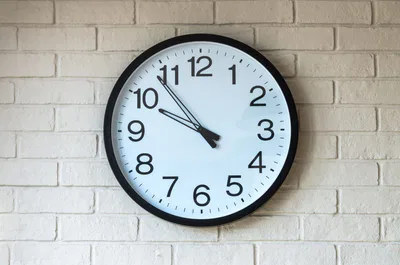
Credit: tictocclockrepairs.co.uk
Measuring For Perfect Placement
Measuring for perfect placement is key to hanging a clock that looks balanced and fits well. This step ensures the clock is centered and at the right height on your wall. Taking time to measure carefully avoids crooked or awkward positioning.
Precise measurements create a clean, stylish look. It also protects your wall from unnecessary holes. Follow simple techniques to find the center and mark the spot correctly.
Finding The Center Point
Start by measuring the width of your wall or the space for the clock. Divide that number by two to find the middle point. Use a pencil to make a small mark on the wall.
Next, measure the height where you want the clock. The ideal height is usually eye level, about 57 to 60 inches from the floor. Mark this spot as well.
These two marks create the center point for your clock. Check the alignment with a level tool for accuracy.
Marking The Wall
Hold the clock against the wall at the center point mark. Look for the hanging hardware on the clock’s back. It might be a hook, keyhole, or bracket.
Mark the spot where the hanger will sit on the wall. Use a pencil for light, easy-to-remove marks. Double-check the height and center before drilling or hammering.
Use a level to ensure the clock will hang straight. Mark any additional spots if the clock has multiple hangers.
Installing Wall Anchors And Hooks
Installing wall anchors and hooks is essential for securely hanging a clock. Anchors provide strong support, especially on drywall or plaster walls. Hooks hold the clock safely in place, preventing accidents and damage.
Choosing the right anchors and hooks depends on the clock’s weight and wall type. Proper installation ensures the clock stays level and stable over time.
Choosing Suitable Anchors
Select anchors based on your wall material and clock weight. Drywall anchors work well for light to medium clocks. For heavier clocks, use toggle or molly bolts for extra strength. Brick or concrete walls need masonry anchors. Always check the anchor’s weight limit before use.
- Plastic expansion anchors suit lightweight clocks.
- Metal toggle bolts support heavier clocks.
- Masonry anchors fit brick or concrete walls.
- Use anchors rated above your clock’s weight.
Step-by-step Installation
Start by marking the spot where the clock will hang. Use a pencil and level to ensure accuracy. Drill a hole matching your anchor size. Insert the anchor firmly into the hole. Screw the hook into the anchor until tight. Hang the clock and check stability. Adjust if needed to keep it straight.
| Action | Tip |
|---|---|
| Mark spot | Use a level for precision |
| Drill hole | Match drill bit to anchor size |
| Insert anchor | Push firmly until flush with wall |
| Screw hook | Tighten securely without overdoing |
| Hang clock | Check for stability and level |
Hanging The Clock Securely
Hanging a clock securely on the wall is essential for safety and aesthetics. A well-hung clock stays in place and looks balanced. It prevents accidental falls that can damage the clock or wall.
Aligning The Clock
Place the clock on the wall at eye level for easy time reading. Use a pencil to mark where the hanging point will be. Check the clock’s hanger or bracket for the exact spot to hang it. Use a level tool to ensure the mark is straight. This keeps the clock from tilting after hanging.
Checking Stability
Choose the right anchor or hook based on your wall type. Drywall may need special anchors, while wooden walls require sturdy nails. After hanging, gently push the clock to test its hold. It should not wobble or shift easily.
Check the clock after a few hours again. This confirms that the clock remains secure over time.
Final Adjustments And Tips
After hanging your clock, final adjustments ensure it looks perfect and works well. Small tweaks can improve both appearance and function. These tips help keep your clock steady and accurate on the wall.
Leveling The Clock
Use a small level tool to check if the clock is straight. A tilted clock can look messy and affect time reading. Adjust the clock by gently moving it until the bubble in the level is centered. If you do not have a level, try using a smartphone app. Keep checking until the clock sits perfectly horizontal.
Maintaining Clock Position
Keep the clock secure to prevent slipping or falling. Choose the right type of wall hook or nail based on your wall material. For heavier clocks, use anchors or screws for extra support. Avoid hanging clocks near vents or direct sunlight to protect the mechanism. Check the clock’s position occasionally and adjust if needed to maintain balance and appearance.

Credit: tictocclockrepairs.co.uk
Frequently Asked Questions
How Do I Choose The Right Wall For Hanging A Clock?
Select a sturdy wall free of obstructions. Avoid drywall without studs for heavy clocks. Ensure good visibility and balance with room decor.
What Tools Are Needed To Hang A Clock Securely?
You need a drill, screws, wall anchors, a level, and a pencil. These ensure the clock hangs straight and safely.
How High Should I Hang A Wall Clock?
Hang the clock at eye level, typically 57-60 inches from the floor. This height ensures easy visibility and aesthetic balance.
Can I Hang A Clock Without Drilling Holes?
Yes, use adhesive hooks or removable wall strips for lightweight clocks. Avoid this for heavy clocks to prevent damage or falls.
Conclusion
Hanging a clock on your wall is simple and quick. Choose the right spot and tools. Measure carefully to keep it straight. Use anchors for heavy clocks to stay safe. Check the clock’s position before finalizing. A well-placed clock adds style and function to any room.
Enjoy seeing the time clearly every day. Now, your wall looks neat and organized. Give it a try and brighten your space.



