
Want to transform your outdoor space with beautiful string lights but worried about damaging your walls or fences with nails? You’re not alone.
Hanging outdoor string lights without nails might sound tricky, but it’s easier than you think. Imagine creating a cozy, inviting atmosphere without any holes or permanent marks. In this guide, you’ll discover simple, effective ways to hang your lights safely and stylishly.
Keep reading, and soon your backyard will glow with charm—no nails needed.
Choosing The Right String Lights
Choosing the right string lights is crucial before you start hanging them without nails. The perfect lights not only brighten your outdoor space but also stand up to weather challenges and fit your setup needs. Let’s break down what you should look for to make your outdoor lighting both beautiful and practical.
Types Of Outdoor String Lights
You’ll find several types of string lights, each with unique looks and uses. Classic Edison bulbs offer a warm, vintage glow that’s perfect for cozy patios. LED string lights use less energy and last longer, making them ideal if you want something low-maintenance.
There are also globe lights, fairy lights, and lantern-style options. Think about the ambiance you want—do you prefer bright illumination or soft twinkles? Your choice will affect how your space feels after dark.
Weather Resistance And Durability
Outdoor lights face rain, wind, and sometimes even snow. Choosing weather-resistant lights with a strong IP rating (like IP65 or higher) ensures they won’t short out or fade quickly. Look for materials like silicone-coated wires and rust-proof sockets to increase lifespan.
I once bought cheap string lights that barely lasted one summer in my garden. Investing in well-built, weatherproof lights saves you the hassle of constant replacements. Ask yourself: will these lights survive a storm or just a gentle drizzle?
Length And Power Source Options
Measure your space before buying string lights so you don’t end up with too short or excessively long strands. It’s better to have a little extra length to work with than to struggle with a shortage.
Regarding power, you can choose between plug-in lights, battery-operated, or solar-powered options. Plug-in lights provide steady power but need an outlet nearby. Solar lights are great if you want an eco-friendly setup without worrying about cords.
Consider your outdoor area’s layout—do you have easy access to power? Would you prefer the freedom of wireless lights? These decisions impact how simple it will be to hang and maintain your string lights without nails.
Preparing Your Outdoor Space
Preparing your outdoor space is the first step to hanging string lights without nails. It sets the foundation for a safe and beautiful lighting setup. Taking time to plan makes the process smoother and ensures the lights stay secure.
Measuring The Area
Start by measuring the space where you want to hang the lights. Use a tape measure to get the length and width of the area. Write down the measurements to know how many lights and materials you need.
Measure along walls, fences, or posts where the lights will attach. Double-check the numbers to avoid buying too many or too few lights.
Identifying Anchor Points
Look for strong, stable places to hang your lights. Trees, railings, and poles work well as anchor points. Choose spots that can hold the weight without damage.
Avoid weak branches or loose surfaces. The right anchors keep the lights tight and prevent sagging or falling.
Clearing Obstacles
Remove objects that block the light path. Trim branches, move furniture, or clear debris. This helps the lights hang evenly and look neat.
Check for any hazards like sharp edges or power lines. Clear space makes installation easier and safer.
Non-damaging Hanging Methods
Use adhesive hooks or outdoor clips to hang string lights without damaging walls or fences. These tools hold lights securely and are easy to remove. Rope or zip ties around poles or railings also work well for a sturdy setup.
Creating a magical outdoor space with string lights can transform your backyard into an inviting oasis. But how can you hang these lights without damaging walls or fences? Fortunately, there are several non-damaging methods to consider, ensuring your outdoor area remains intact while still beautifully illuminated.Using Adhesive Hooks And Clips
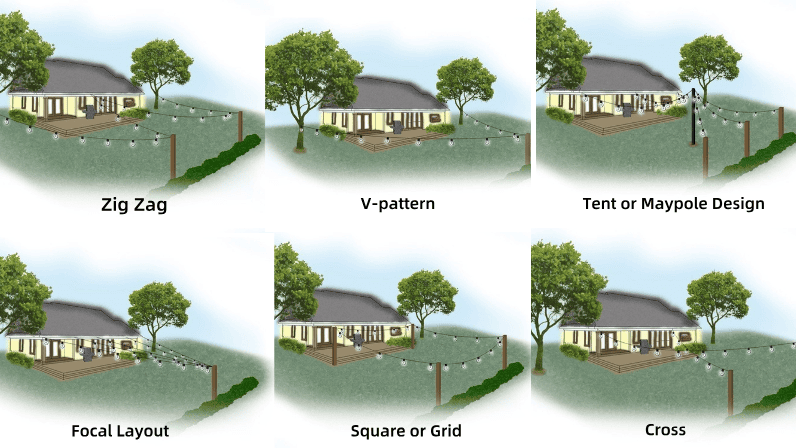
Adhesive hooks and clips are a fantastic option for hanging string lights without nails. These handy tools are easy to apply and remove, leaving no marks or residue. Simply clean the surface where you plan to stick them, ensuring it’s free of dust and grime. This ensures the adhesive sticks well. You can arrange the hooks or clips in a pattern that suits your design vision, whether it’s a zig-zag or a straight line.Employing Tension Wire Systems
Tension wire systems offer a sleek and sturdy way to hang lights, especially over larger areas. This method allows you to run a wire between two fixed points and then drape your lights across it. Imagine having a string of lights perfectly aligned above your outdoor dining table. It not only adds elegance but also provides practical illumination. Make sure to use weather-resistant wire and secure it tightly to prevent sagging.Attaching With Zip Ties And Cable Clips
Zip ties and cable clips are versatile and secure options for hanging string lights. They work exceptionally well with railings, fences, and even pergolas. Wrap a zip tie around the string light and the structure you’re attaching it to, then tighten it. This method offers stability and can handle the elements well. Cable clips, on the other hand, are perfect for more permanent solutions, as they can be screwed into place without damaging your lights. Each method offers unique benefits, and choosing the right one depends on your specific needs and setup. Which of these methods will you try in your backyard to create your own enchanting outdoor retreat?
Credit: us.govee.com
Creative Alternatives For Support
Finding the right support for your outdoor string lights without using nails can be a fun challenge. You want something sturdy but also easy on your walls and surroundings. Luckily, there are several creative ways to hang your lights that protect your space and look great.
Utilizing Existing Structures
Look around your outdoor space for things you already have. Railings, pergolas, fences, and even the edges of your roof can serve as natural anchors. Using these structures means less hassle and no damage to your property.
Try using strong outdoor adhesive hooks or heavy-duty zip ties to secure the lights without leaving marks. It’s a smart way to keep your lights in place and easy to remove when needed. Have you noticed a spot in your yard that could double as a light anchor?
Incorporating Poles Or Stakes
If your yard lacks suitable structures, poles or stakes are a great solution. You can buy or make wooden or metal stakes and set them firmly in the ground. This lets you create your own points to hang lights exactly where you want.
Consider wrapping the stakes with weather-resistant tape or paint to match your outdoor style. You’ll find it’s a simple way to add a professional touch without any wall damage. What shapes or heights would work best for your space?
Hanging From Trees Without Harm
Trees provide beautiful natural support, but it’s important to protect them. Use soft materials like fabric straps or rubber-coated hooks to avoid cutting into the bark. This keeps your lights secure and your trees healthy.
Try looping the straps gently around branches, making sure they aren’t too tight. Your lights will hang safely, and your trees will thank you. Have you tried this method in your garden yet?
Safety Tips For Installation
Installing outdoor string lights without nails is a clever way to brighten your space without damaging surfaces. However, safety should always come first during the setup. Paying attention to key safety tips can protect you and your home from accidents and damage.
Avoiding Electrical Hazards
Always check that your string lights are rated for outdoor use. Using indoor lights outside increases the risk of electrical shock or fire.
Keep connections off the ground and away from water sources. Using waterproof connectors or covers can prevent moisture from causing short circuits.
Have you ever considered testing your lights before hanging them? Plug them in first to spot any damaged bulbs or frayed wires, reducing risks during installation.
Securing Lights Against Wind
Wind can easily loosen or damage string lights if they aren’t secured properly. Use strong, weather-resistant hooks or adhesive strips designed for outdoor use.
Try to attach lights to stable structures like sturdy fences, trees, or posts. Avoid thin branches or weak surfaces that may snap or bend.
Think about how your lights will react during a storm. Leaving some slack in the string allows movement without putting stress on the connections.
Regular Maintenance Checks
Once installed, regularly inspect your lights for signs of wear or damage. Look for loose bulbs, torn wires, or fading adhesive points.
Cleaning the lights gently with a dry cloth can help maintain their brightness and function. Avoid using water or harsh chemicals that might damage the wiring.
How often do you check your outdoor lights? Setting a reminder every season keeps your setup safe and looking great all year round.

Credit: us.govee.com
Removing Lights Without Damage
Removing outdoor string lights without causing damage requires a gentle touch and the right approach. You want to keep your walls, fences, or posts intact while preserving the lights for future use. Handling the detachment carefully ensures both your outdoor space and your investment stay in great shape.
Safe Detachment Techniques
Start by unplugging the lights to avoid any electrical hazards. Gently loosen the lights from hooks, clips, or adhesive strips by pulling slowly and steadily. If the lights are wrapped around poles or branches, unwind them carefully to prevent tangling or wire breakage.
Use a plastic scraper or a credit card edge to ease off stubborn adhesive without scratching surfaces. Avoid sharp tools that could tear the wire insulation or damage paint. Patience here pays off—rushing can cause costly repairs or render the lights unusable.
Cleaning Residue And Marks
After removing the lights, sticky residue or minor marks might remain on your walls or posts. Use a mild cleaning solution like soapy water or a mixture of vinegar and water to gently scrub the area. Test the cleaner on a small spot first to ensure it doesn’t discolor or damage the surface.
For tougher residue, try rubbing alcohol on a soft cloth, but never pour it directly on the surface. If you find paint peeling or scratches, consider touch-up paint or a surface-specific cleaner designed for outdoor use. Keeping the area clean will make your next lighting project easier and more attractive.
Storage Tips For Reuse
Proper storage of your string lights extends their life and saves you money on replacements. Wrap the lights loosely around a piece of cardboard or a spool to prevent tangling. Avoid tight coils that can stress the wires and cause breaks.
- Store lights in a cool, dry place away from direct sunlight
- Keep them in a sealed container to avoid dust and moisture
- Label the storage box with the type and length of the lights for easy access
Have you ever struggled to untangle lights only to find some bulbs burnt out? Taking time to store them properly today means smoother decorating next season and fewer headaches.

Credit: us.govee.com
Frequently Asked Questions
How Can I Hang Outdoor String Lights Without Nails?
Use adhesive hooks, zip ties, or tension wire to hang lights. These methods avoid wall damage and are weather-resistant.
What Materials Work Best For Nail-free String Light Installation?
Plastic hooks, zip ties, and outdoor-rated adhesive strips work best. They are durable and safe for most surfaces.
Are Adhesive Hooks Strong Enough For Outdoor String Lights?
Yes, outdoor adhesive hooks designed for heavy loads hold string lights securely. Ensure the surface is clean before applying.
Can I Hang String Lights On Trees Without Nails?
Yes, wrap string lights around branches or use zip ties. Avoid damaging the bark by not pulling too tight.
Conclusion
Hanging outdoor string lights without nails is easy and safe. Use hooks, clips, or adhesive strips to avoid damage. These tools hold lights firmly and keep walls intact. You can create a cozy, bright space without hammering or drilling. Try different methods to find what works best for you.
Enjoy your outdoor area with beautiful lighting, stress-free. Bright evenings are just a few steps away. Simple, neat, and damage-free—perfect for any home.



