
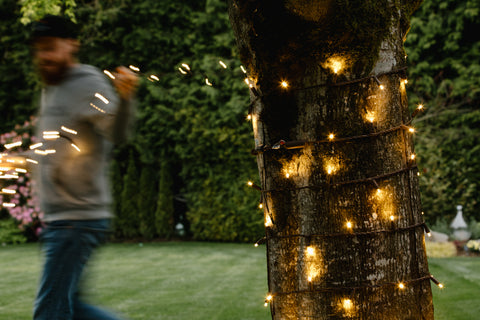
Imagine transforming your backyard into a magical, cozy space with just a few simple steps. Hanging string lights from trees can instantly add warmth and charm to your outdoor area.
But if you’re unsure where to start or worried about making mistakes, this guide is made for you. By the end, you’ll know exactly how to hang your lights safely and beautifully, creating the perfect glow for every evening. Ready to brighten up your nights?
Let’s dive in!
Choosing The Right String Lights
Choosing the right string lights sets the tone for your outdoor space. The right lights make the area cozy and bright. It also ensures safety and long-lasting use. Consider the type, weatherproof features, length, and power source. These factors help pick the best string lights for trees.
Types Of String Lights
String lights come in many styles. Classic bulbs give a warm, soft glow. LED lights save energy and last longer. Fairy lights look delicate and add charm. Globe lights are larger and create a bold effect. Choose the style that fits your space and mood.
Weatherproof Features
Lights outside must handle rain, wind, and sun. Check for weatherproof or waterproof ratings. Look for lights with sealed bulbs and strong wiring. Durable lights resist fading and short circuits. Weatherproof features keep your lights shining safely for years.
Length And Power Source
Measure the tree size to know how long the lights should be. Too short won’t cover the branches well. Too long may cause tangles and waste power. Decide if you want plug-in lights or solar-powered ones. Solar lights save electricity but need sunlight to work. Choose the length and power that suit your tree and location.

Credit: www.youtube.com
Selecting Trees For Hanging
Choosing the right tree for hanging string lights makes all the difference in how your outdoor space looks and feels. Not every tree is a good candidate, so it helps to know what to look for. Consider factors like size, branch strength, and how easy it is to reach the spots where you want to hang your lights.
Tree Size And Shape
Think about the tree’s overall size and shape before you start hanging lights. A large, full tree can hold more lights and create a stunning effect. Smaller or sparse trees might only support a few strands, so plan accordingly.
Ever tried to decorate a skinny tree and ended up with too few lights? Choosing a tree with a broad canopy gives you more options to spread your lights evenly.
Branch Strength
Check how sturdy the branches are before you hang anything heavy. Thin or brittle branches might snap under the weight of string lights, especially if you use larger bulbs or additional decorations.
Test the branch by gently pressing on it or shaking it. If it feels fragile, pick a stronger branch or a different tree to avoid damage or accidents.
Accessibility
Make sure you can safely reach the branches where you want to hang your lights. If the tree is too tall or the branches are too high, you might need a ladder or special tools.
Consider how often you’ll need to maintain or take down the lights. Trees that are easy to access save you time and reduce risk.
Gathering Essential Tools
Creating a magical outdoor ambiance with string lights requires a bit of preparation. One of the most crucial steps is gathering the essential tools. With the right equipment on hand, you can ensure a safe and efficient installation, allowing you to focus on the creative process and the delightful results.
Ladders And Safety Gear
A sturdy ladder is your best friend when hanging lights from trees. Ensure it reaches the necessary height and is stable on various terrains. Safety gear, like gloves and safety goggles, is essential to protect yourself from sharp branches or sudden slips.
I once underestimated the importance of gloves, and the scratches were a painful reminder. Don’t make the same mistake. Prioritize safety to enjoy the process and the final glow of your light display.
Hooks And Clips
Hooks and clips are small but mighty tools in your lighting toolkit. They help secure the lights without damaging the trees. Opt for tree-friendly options like rubber-coated hooks or gentle clips.
Using the wrong type can harm your trees or cause your lights to sag. Have you ever tried to untangle lights on a cold evening? It’s a task best avoided with the right hooks in place.
Extension Cords And Timers
Extension cords bridge the gap between your power source and tree. Choose weatherproof options for outdoor use, ensuring they are long enough to reach comfortably. Timers add convenience, turning your lights on and off automatically.
Imagine coming home to a softly lit garden, welcoming you without lifting a finger. The right extension cords and timers make this possible, enhancing both the aesthetic and functionality of your setup.

Credit: us.govee.com
Planning The Layout
Planning the layout is the first step to hang string lights beautifully around trees. A good plan helps ensure the lights look balanced and cover the right areas. This stage saves time and avoids mistakes during installation. Think about the shape, size, and height of the trees before you start.
Design Patterns
Choose a design that fits your outdoor space. Popular patterns include wrapping lights tightly around branches or draping them loosely between trees. Zigzag patterns create a lively look. Spiral wrapping adds a neat, elegant touch. Decide if you want lights only on the main branches or throughout the whole tree.
Spacing And Coverage
Space the lights evenly for a clean appearance. Too close bulbs can look cluttered and waste electricity. Too far apart lights may leave dark spots. Measure the length of the branches to know how many lights you need. Cover all the areas you want lit without overloading any part.
Avoiding Obstacles
Check the tree for obstacles before hanging. Avoid branches that are too thin or weak to hold lights. Keep lights away from power lines and hanging bird nests. Watch out for sharp edges that can damage cables. Clear any debris or leaves that could catch fire from the bulbs.
Step-by-step Hanging Process
Hanging string lights from trees creates a warm, inviting outdoor space. The process is simple when broken down into clear steps. Follow each carefully to ensure your lights look great and stay secure. Preparation and technique matter for a beautiful finish.
Preparing The Lights
Check all bulbs before hanging. Replace any broken or missing ones. Untangle the string gently to avoid damage. Measure the distance between trees or branches to know how much light you need. Use outdoor-rated lights for safety and durability.
Securing The First End
Choose a sturdy branch or trunk to anchor the first end. Use hooks, zip ties, or strong twine to hold the light string firmly. Avoid wrapping too tight to prevent damage. Make sure the connection point is high enough to keep lights off the ground.
Wrapping And Draping Techniques
Wrap lights around branches loosely to allow movement in the wind. For a draped effect, hang the string in gentle curves between branches. Space the curves evenly for a balanced look. Use small clips or ties to hold lights in place if needed.
Connecting Multiple Strands
Use outdoor-rated extension cords or connectors to join strands. Match the wattage and style of lights for uniform brightness. Connect strands securely to prevent gaps or loose ends. Test each connection before finishing to avoid dark spots.
Safety Tips And Precautions
Hanging string lights on trees can transform your outdoor space into a magical retreat. However, prioritizing safety is essential to avoid accidents and protect your property. Paying attention to electrical guidelines, weather effects, and the health of your trees will ensure your setup is both stunning and secure.
Electrical Safety
Always use string lights rated for outdoor use to prevent electrical hazards. Check for damaged wires or broken bulbs before installation—these can cause shorts or fires.
Plug your lights into a ground-fault circuit interrupter (GFCI) outlet. This device cuts power if it detects an electrical fault, protecting you from shocks.
Secure cords properly to avoid tripping hazards and keep connections off the ground to prevent water damage. Have you ever tripped over a loose cable in your yard? Taking these simple steps can stop that from happening.
Weather Considerations
Choose weather-resistant lights that can handle rain, wind, and temperature changes. Avoid installing lights during stormy or very windy days to reduce the risk of falling branches or electrical shorts.
Consider how your setup will hold up in different seasons. For example, if your area experiences heavy snowfall, ensure lights and cords are strong enough to support extra weight.
Regularly inspect your installation after bad weather. Have you noticed how a simple gust can shift your lights? Keeping an eye on them prevents bigger problems later.
Tree Health Protection
Use gentle methods to attach lights, like soft ties or clips, rather than nails or staples that can damage bark. Trees are living beings—hurting them can lead to disease or death.
Leave some space between the tree and the lights to allow for natural growth and air circulation. Over-tightening can choke branches and stunt growth.
Ask yourself: Are you treating your tree like a part of your home or just a decoration? Protecting its health ensures your lights stay beautiful year after year.
Maintaining Your String Lights
Maintaining your string lights ensures they stay bright and safe for many seasons. Simple upkeep can prevent costly replacements and keep your outdoor space inviting. Paying attention to small details now saves you time and frustration later.
Regular Inspections
Check your string lights often for any signs of wear or damage. Look closely at the wires for cracks or fraying, especially near connection points where stress is common. Also, test each bulb to spot any flickering or outages before they become bigger issues.
Have you noticed how some bulbs seem dimmer than others? That could be a sign of a loose connection or a failing socket. Catching these early helps avoid electrical shorts or hazards.
Storage Tips
Proper storage can extend the life of your string lights dramatically. Always coil them loosely to avoid tangles and wire breakage. Avoid sharp bends and keep them in a dry, cool place away from direct sunlight or moisture.
Using a sturdy container or a dedicated reel can keep your lights organized and ready for the next use. Have you tried wrapping them around a piece of cardboard? It’s a simple trick that prevents knots and tangles.
Replacing Bulbs And Parts
Replacing bulbs promptly keeps your string lights looking their best and functioning safely. Always use the exact type and wattage recommended by the manufacturer to avoid damage or overheating. Keep a few spare bulbs and fuses on hand to fix issues quickly.
Don’t hesitate to replace damaged sockets or connectors as well. Sometimes a small part causes a big problem, and swapping it out can save the rest of your string lights. Have you ever ignored a flickering bulb only to find a bigger electrical issue later?

Credit: food52.com
Frequently Asked Questions
How Do I Safely Hang String Lights From Trees?
Use outdoor-rated lights and insulated extension cords. Secure lights with zip ties or hooks, avoiding tree damage. Keep connections off the ground and away from water. Test lights before hanging to ensure safety and function.
What Tools Are Needed To Hang String Lights On Trees?
You’ll need a ladder, zip ties or hooks, and outdoor extension cords. A measuring tape helps space lights evenly. Use a cordless drill if installing hooks. Safety gloves and goggles protect your hands and eyes.
Can I Hang String Lights On Any Tree Type?
Yes, but avoid young or delicate trees. Choose sturdy branches that can support light weight. Avoid wrapping lights tightly to prevent bark damage. Always consider the tree’s health when hanging decorations.
How Far Apart Should Lights Be Spaced On Trees?
Space lights 6 to 12 inches apart for balanced illumination. Closer spacing offers brighter light but uses more power. Adjust spacing based on tree size and desired effect.
Conclusion
Hanging string lights from trees creates a warm, inviting space outdoors. Choose sturdy branches and secure lights carefully for safety. Use clips or hooks to avoid damage to trees. Test lights before hanging to ensure they work well. Soft lighting makes evenings feel cozy and special.
Enjoy the glow and relax under your beautifully lit trees. This simple step adds charm to any outdoor area. Bright nights are just a few steps away.



