
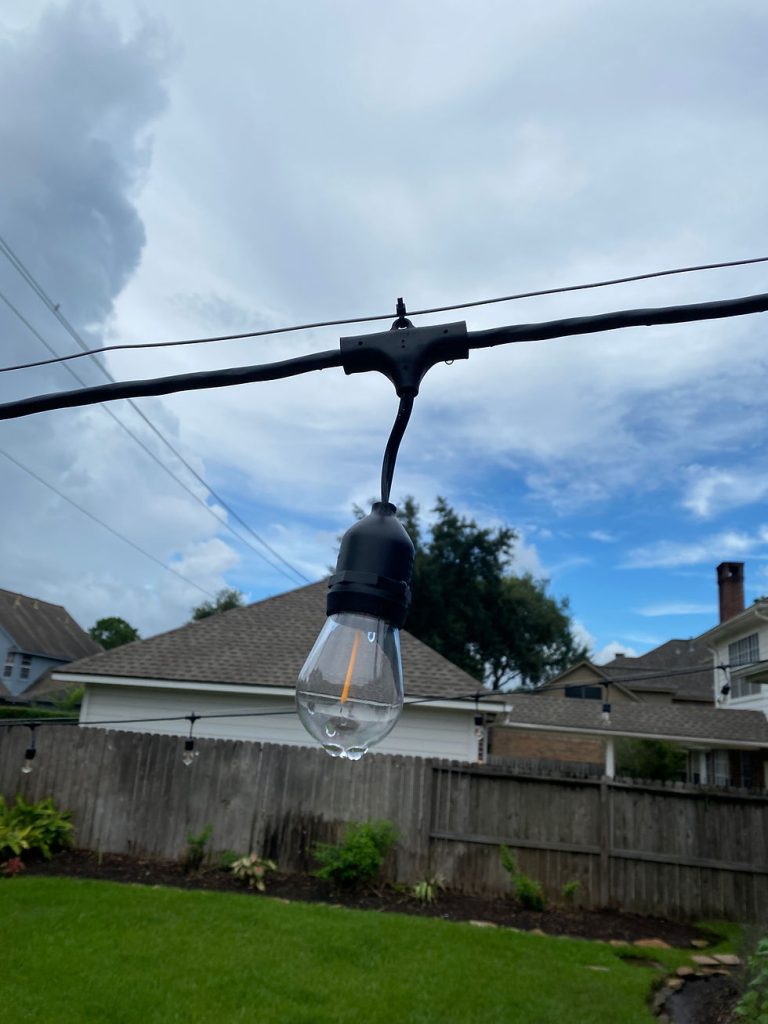
Want to transform your home into a warm, inviting space that glows every evening? Hanging string lights on your house is one of the easiest and most effective ways to add charm and coziness to your outdoor areas.
But you might be wondering: How do you hang them safely and beautifully? In this guide, you’ll discover simple steps and insider tips to make your lights look amazing without any hassle. Keep reading, and you’ll soon have your home shining bright with style.
Choosing The Right String Lights
Choosing the right string lights is the first step to creating a stunning outdoor space. The perfect lights highlight your home’s features and set the mood for any occasion. Picking lights without considering their type, durability, and appearance can lead to frustration and extra costs later.
Types Of String Lights
String lights come in various styles, each suited for different looks and uses. Traditional incandescent bulbs offer a warm, cozy glow but consume more energy. LED string lights are energy-efficient, last longer, and stay cooler to the touch, making them safer around kids and pets.
Globe-shaped bulbs add a charming, vintage vibe, while fairy lights provide a delicate, twinkling effect perfect for subtle ambiance. Consider whether you want lights with fixed or blinking modes, or even color-changing options for more dynamic displays.
Selecting Outdoor-rated Lights
Lights meant for indoor use won’t hold up well outside. Look for products labeled as “outdoor-rated” or with an IP (Ingress Protection) rating indicating resistance to water and dust. An IP65 rating, for example, means the lights can handle rain and dust without damage.
Durability matters if your lights will be exposed to wind, rain, or extreme temperatures. Check the quality of the wiring and bulbs—thicker insulation and shatterproof bulbs last longer. Have you ever replaced lights after a single storm? Choosing the right rating prevents that hassle.
Considering Light Color And Brightness
The color temperature of your string lights affects the atmosphere. Warm white lights create a cozy, inviting feel, great for relaxing evenings. Cool white or blue-toned lights can make the space feel modern and vibrant, ideal for parties or contemporary designs.
Brightness is another key factor. Too bright, and the lights can be harsh; too dim, and they lose their purpose. Look for lights with adjustable brightness or multiple settings to match different moods and times of day.
Planning Your Light Layout
Planning your light layout sets the stage for a beautiful display. It helps avoid mistakes and saves time. Careful planning ensures lights fit perfectly and look great.
Measuring The Area
Start by measuring the space where you want to hang lights. Use a tape measure for accuracy. Measure along eaves, windows, and door frames. Write down the length of each section. This helps determine how many lights you need.
Designing The Light Pattern
Choose a pattern that fits your style and space. Straight lines along edges create a clean look. Zigzags add a playful touch. Clusters or drapes offer a cozy feeling. Sketch your ideas on paper or use a drawing app. Think about symmetry and balance for best results.
Mapping Power Sources
Identify outlets near your hanging area. Check if you need extension cords or power strips. Plan the path of cords to keep them safe and hidden. Avoid running cords across walkways. Confirm power sources can handle the total wattage of your lights. Safety first.
Gathering Tools And Materials
Gather basic tools like a ladder, hooks, and a measuring tape before starting. Choose durable string lights and ensure you have weatherproof clips or nails. Having everything ready saves time and makes hanging lights easier and safer.
Gathering the right tools and materials is crucial for a smooth and successful installation of string lights on your house. Whether you’re illuminating your patio for a cozy evening or adding a festive touch for the holidays, having everything ready beforehand will save you time and prevent unnecessary trips to the store. Let’s dive into what you’ll need to get started.Essential Tools For Installation
To hang string lights, you’ll need a few basic tools. A sturdy ladder is a must for reaching higher spots safely. Ensure it’s stable and tall enough for your needs. A measuring tape will help you determine the length of lights required. This ensures you buy just the right amount, avoiding excess or shortage. You’ll also need hooks or clips for attaching the lights to your house. These come in various types, such as adhesive or screw-in options, depending on the surface you’re working with.Safety Gear To Use
Safety should always be a priority when working on installations. Wear gloves to protect your hands, especially when dealing with hooks or sharp edges. Eye protection can be helpful, particularly if you’re drilling or cutting materials. Are you working on a slippery or uneven surface? Non-slip shoes will give you the necessary grip and stability to prevent accidents. Investing in these tools and safety gear ensures your string light installation is not only beautiful but also safe and hassle-free. Have you ever found yourself halfway through a project only to realize you’re missing something essential? Preparing your toolkit in advance can prevent these interruptions and make your experience more enjoyable.
Credit: us.govee.com
Preparing The Installation Site
Preparing the installation site is a crucial step before hanging string lights on your house. It sets the foundation for a safe, neat, and beautiful display that lasts through the seasons. Taking time to properly prepare can save you from common frustrations like loose lights or unexpected damage.
Cleaning Surfaces
Dirty or dusty surfaces can prevent hooks and adhesive clips from sticking properly. Start by wiping down your walls, eaves, or porch areas with a damp cloth or mild cleaner. Pay close attention to spots where you plan to attach the lights; even a small patch of grime can reduce adhesion.
If you’re using nails or screws, make sure the area is free of loose paint or debris that might interfere with secure fastening. A clean surface ensures your installation stays put, even in windy or rainy weather. Have you ever had string lights fall after a gust of wind? Cleaning helps avoid that hassle.
Checking For Obstacles
Look closely at the path where your string lights will run. Are there gutters, vents, or outdoor faucets that might get in the way? Identifying these obstacles ahead of time lets you plan a route that keeps your lights safe and intact.
Also, consider overhead wires or tree branches that could snag or damage your lights. Have you noticed how tangled lights can become when they rub against rough surfaces? Avoiding obstacles reduces wear and tear, making your display last longer.
Take a moment to walk the entire route, imagining how the lights will hang. This simple step helps you catch potential issues early, saving time and frustration during installation.
Mounting The String Lights
Mounting string lights on your house creates a warm and inviting atmosphere. Proper installation keeps lights secure and prevents damage. Choosing the right mounting method depends on your house’s surface and the light type. Use gentle techniques to protect the wires and maintain their function. Here are some common ways to mount string lights safely and effectively.
Using Hooks And Clips
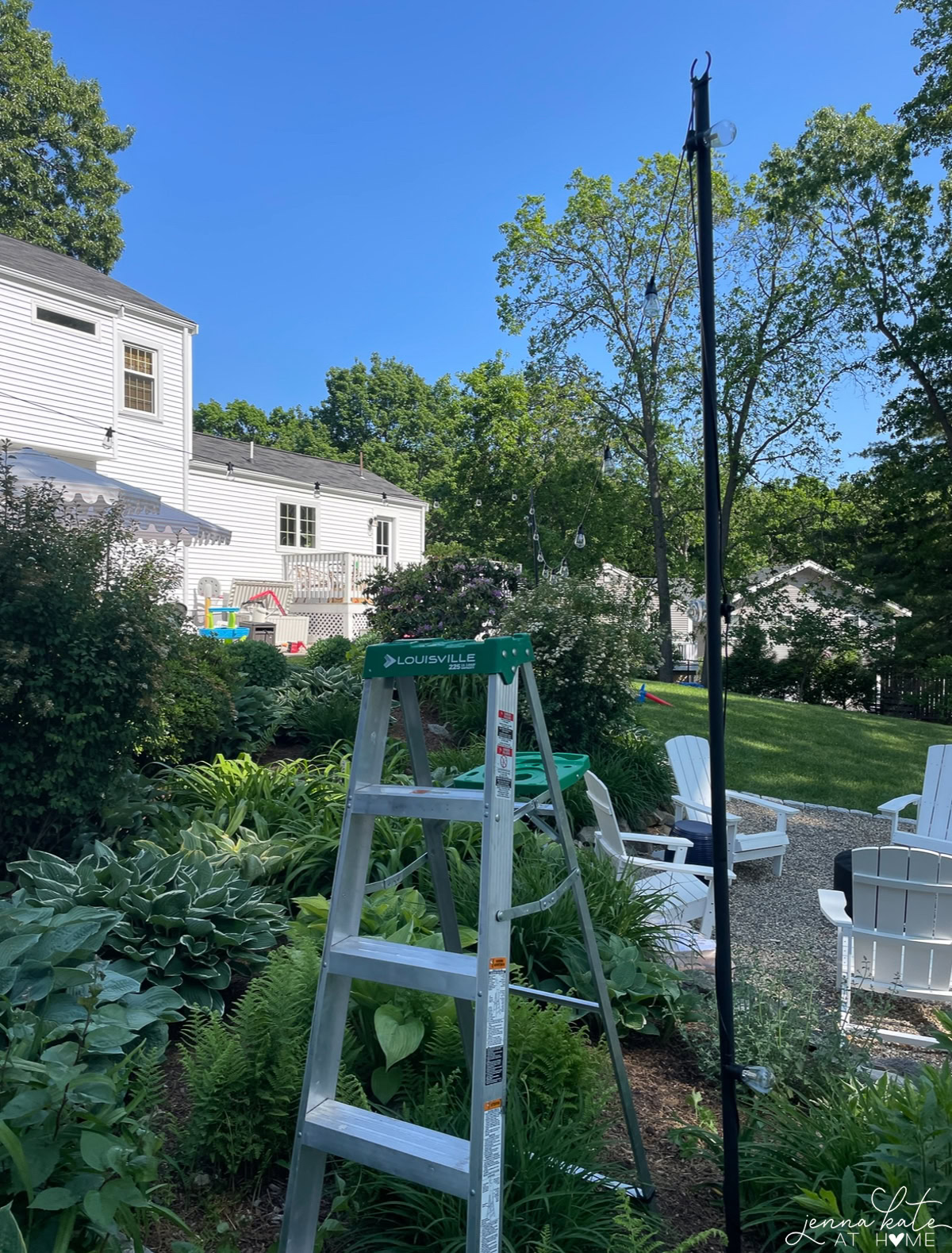
Hooks and clips offer a simple way to hang string lights without damaging surfaces. Use adhesive clips on smooth walls or gutters. Plastic hooks work well on wood or siding. Space hooks evenly to support the weight of the lights. This method allows easy removal and repositioning. Choose hooks designed for outdoor use to resist weather.
Securing With Nails Or Staples
Nails and staples provide a stronger hold for heavier or longer light strands. Use small, rust-resistant nails to avoid corrosion. Place nails gently to avoid piercing the light wires. Staples can be used with care; choose ones with wide crowns. Avoid pressing staples too tightly around wires. This method suits wooden surfaces best and ensures stability.
Avoiding Wire Damage
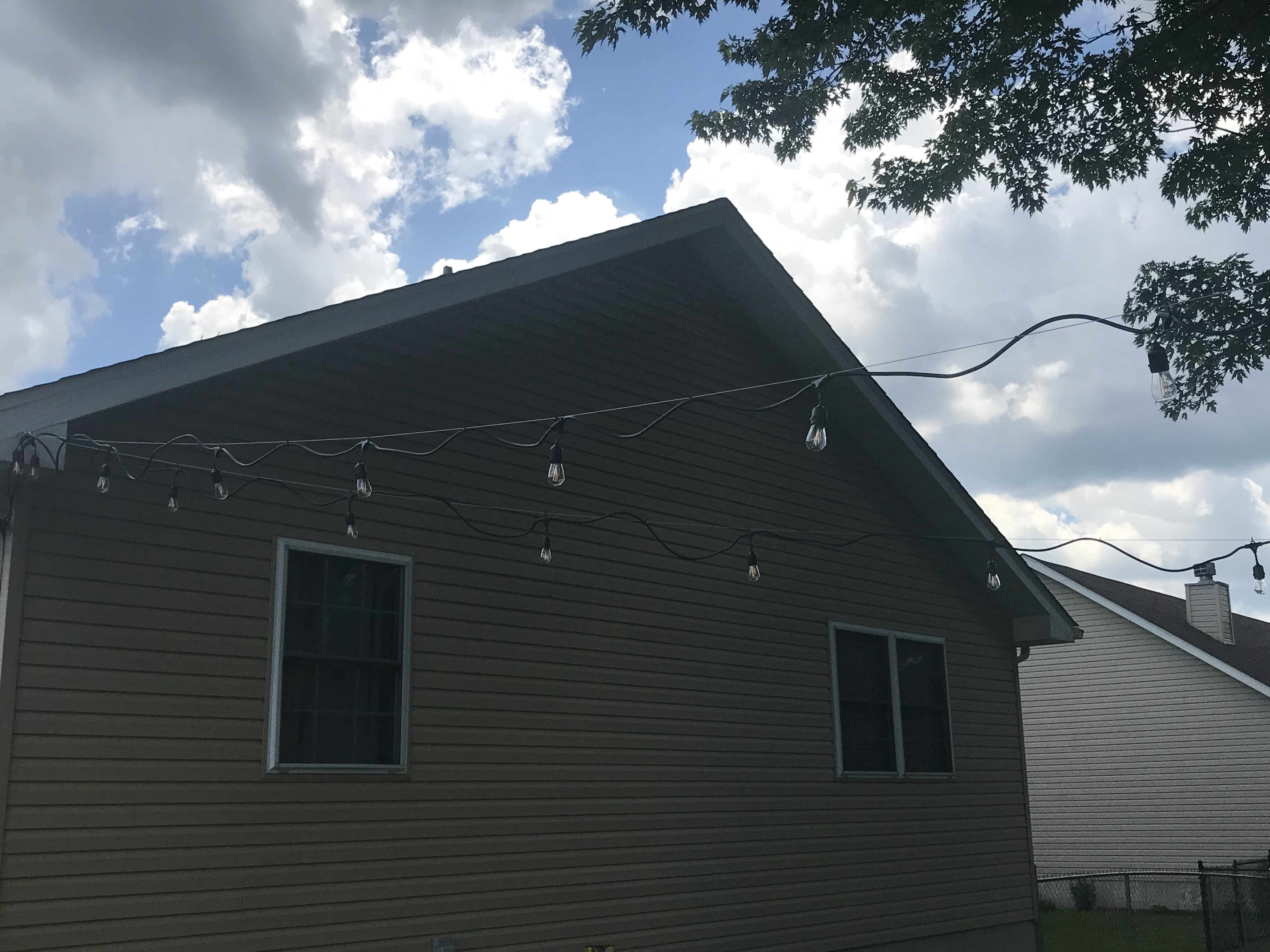
Protecting string light wires extends their life and safety. Never pull wires tight; allow some slack for movement. Avoid sharp bends that can break the wire insulation. Keep wires away from heat sources and sharp edges. Use protective tubing or covers in high-traffic areas. Regularly check for frayed or damaged wires to prevent hazards.
Credit: jennakateathome.com
Connecting And Testing Lights
Connecting and testing string lights is a crucial step in creating a beautiful outdoor display. This process ensures the lights work safely and glow evenly. Proper testing helps find and fix any issues early. It saves time and avoids frustration later.
Plugging In Safely
Use a grounded outdoor outlet to plug in your string lights. Check that the plug and cord are dry before connecting. Avoid overloading the circuit by plugging too many lights together. Use a power strip with a built-in circuit breaker for extra safety. Keep the plug away from water and wet surfaces.
Testing For Even Illumination
Turn on the lights after plugging them in. Walk along the string to check each bulb. Look for any dark or flickering spots. Replace any burnt-out bulbs with the correct type. Make sure the entire string shines brightly and evenly. Adjust the lights if some areas seem dimmer than others.
Troubleshooting Common Issues
If some lights do not turn on, check the bulbs first. Loose or broken bulbs can cause sections to go dark. Make sure all bulbs are firmly in their sockets. Check the fuse in the plug and replace it if blown. Inspect the cord for cuts or damage. If problems continue, try another power source to rule out outlet issues.
Maintaining And Storing Lights
Keeping your string lights in good shape ensures they shine brightly year after year. Proper maintenance and storage not only protect your investment but also save you time and frustration when you’re ready to hang them again. Let’s dive into some practical ways to clean and store your lights effectively.
Cleaning Tips
Before storing, take a few minutes to clean your string lights. Dust and dirt can dull the bulbs and even cause damage over time.
- Use a soft cloth slightly dampened with water to wipe each bulb gently.
- A mild soap solution can help remove stubborn grime, but avoid soaking the lights to protect the wiring.
- Check for broken bulbs or frayed wires during cleaning — catching these early prevents bigger issues later.
Have you noticed how a simple cleaning session can bring your lights back to life? It’s a small step that makes a big difference in their glow and safety.
Proper Storage Techniques
How you store your string lights affects how well they perform next season. Avoid tangles and damage by winding them carefully.
- Wrap the lights around a piece of cardboard or a spool to keep them organized and prevent knots.
- Store them in a sturdy container that keeps moisture and pests away.
- Label the container with the location or type of lights to save time later.
Think about the last time you struggled to untangle a mess of lights. Could a simple storage trick have saved you that hassle? Taking a little time now makes your future decorating much easier.
Credit: www.acupfullofsass.com
Frequently Asked Questions
How Do I Safely Hang String Lights On My House?
Use outdoor-rated lights and secure clips or hooks designed for exterior use. Avoid nails or staples to prevent wire damage. Keep cords away from water and heat sources. Always turn off lights before installation for safety.
What Tools Are Needed To Hang String Lights Outdoors?
You’ll need a ladder, measuring tape, outdoor hooks or clips, and a drill if installing screw-in hooks. Additionally, use a level to ensure straight lines. Having gloves and zip ties helps manage excess cord and secure lights tightly.
Can I Hang String Lights On Brick Or Stucco Walls?
Yes, use adhesive hooks or screw-in masonry hooks designed for brick or stucco. Avoid drilling into mortar to prevent damage. Make sure hooks are rated for outdoor use and securely fastened to support the weight of the lights.
How Far Apart Should I Space Outdoor String Lights?
Space lights 12 to 24 inches apart depending on brightness and desired effect. Closer spacing creates a brighter, cozier ambiance. Measure the area beforehand to ensure even distribution and avoid sagging or tension on the wires.
Conclusion
Hanging string lights on your house can create a warm, inviting space. Follow simple steps for a safe and neat setup. Choose the right lights and secure them properly. Check that your lights work before hanging. Avoid sharp bends or heavy pulls on the wires.
Enjoy the cozy glow that brightens your home and garden. A little effort brings big charm and comfort. Ready to light up your nights?



