
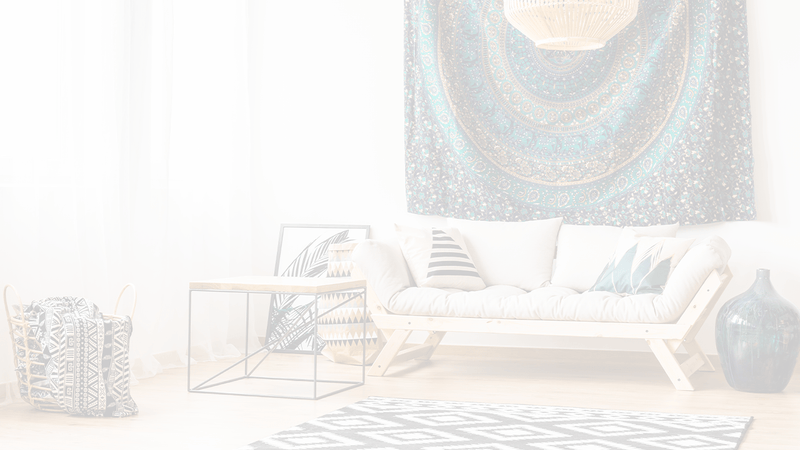
Are you ready to transform your space with a beautiful tapestry but unsure how to hang it up without damaging your walls? You’re in the right place.
Hanging a tapestry might seem tricky, but with the right steps, you can make your room look cozy and stylish in no time. Keep reading, and you’ll learn simple, effective ways to display your tapestry perfectly—no expert tools or skills needed.
Your walls are about to get a stunning makeover!
Choosing The Right Tapestry
Choosing the right tapestry sets the foundation for a beautiful wall display. The tapestry should match the space and your personal taste. Consider key factors like material, size, design, and room style. These choices affect how the tapestry looks and feels in your room.
Material And Size
Pick a tapestry material that suits your room’s purpose. Cotton is soft and easy to clean. Polyester lasts longer and resists wrinkles. Wool offers warmth and texture but needs gentle care.
Size matters. A small tapestry fits narrow walls or above furniture. Large tapestries cover wide spaces and become the room’s focal point. Measure your wall before buying to avoid awkward fits.
Design And Style
Choose a design that reflects your personality. Floral patterns bring freshness. Geometric shapes add modern vibes. Abstract art creates a bold statement.
Match the tapestry style with your room’s mood. Soft colors create calmness. Bright colors energize the space. Dark tones add depth and drama.
Room Compatibility
Think about the room where you will hang the tapestry. Living rooms benefit from warm, inviting designs. Bedrooms need calming patterns and colors for relaxation.
Consider existing furniture and décor. The tapestry should blend or contrast nicely. Avoid clashes in color or theme to keep harmony.
Credit: www.etsy.com
Preparing Your Wall
Preparing your wall is the first step to hang a tapestry properly. It ensures your tapestry stays secure and looks great. A clean, well-chosen spot makes a big difference in how your tapestry appears.
Careful preparation helps avoid damage to both the wall and the tapestry. It also makes the hanging process smoother and faster.
Selecting The Location
Choose a wall that is free from direct sunlight. Sunlight can fade your tapestry’s colors over time.
Pick a spot that has enough space for your tapestry to hang flat. Avoid places with heavy traffic or furniture that may block the view.
Think about the room’s style and color. The tapestry should complement the space, not clash with it.
Cleaning And Marking
Clean the wall surface using a soft cloth and mild cleaner. Remove dust and dirt to help tapestries stick well.
Let the wall dry completely before proceeding. Moisture can weaken adhesive hooks or nails.
Use a pencil to mark where you want to place hooks or nails. Measure the tapestry’s width and height to center it perfectly.
Double-check your marks with a level for straight hanging. This prevents your tapestry from looking crooked.
Hanging Methods
Choose a sturdy rod or nails to support your tapestry securely on the wall. Use clips or rings to hang it evenly without damaging the fabric. Ensure the tapestry is flat and smooth for the best display.
Hanging a tapestry can transform your space, adding color, texture, and a personal touch to your home decor. But how do you decide the best way to hang your masterpiece? There are multiple methods, each with its own benefits. Whether you’re renting and need a damage-free option or you’re looking for a more permanent solution, you’ll find a method that suits your needs. Let’s delve into some popular ways to hang a tapestry effectively.Using Nails And Hooks
Nails and hooks offer a sturdy and reliable method for hanging tapestries. Simply hammer the nails into your wall at even intervals to support the weight of your tapestry. Hooks can provide a more secure hold, especially for heavier fabrics. Consider using decorative nails or hooks to add an extra touch of style. Remember to measure your tapestry and mark the spots on the wall to ensure it’s hung straight and centered. This method works best if you don’t mind making small holes in your wall.Command Strips And Adhesives
If you’re renting or prefer a no-damage option, command strips and adhesives are your go-to. These are easy to use and can support lightweight tapestries without leaving marks. Attach the command strips to the back of your tapestry and press firmly against the wall. Make sure the surface is clean and dry to ensure a strong hold. This method is especially handy for those who like to change their decor frequently.Rod And Clips
Using a rod and clips can add a polished look to your tapestry display. Simply thread a rod through the top of your tapestry or attach clips for a more modern aesthetic. Install the rod on your wall using brackets, ensuring it’s level for a neat appearance. This method allows you to easily switch out tapestries and can handle a variety of fabric weights. It’s perfect for creating a gallery-like atmosphere in your home.Velcro Strips
Velcro strips offer a flexible and secure way to hang your tapestry. Attach one side of the Velcro to your wall and the other to the tapestry, pressing firmly to secure. This method allows you to easily remove and reposition your tapestry without any damage. It’s ideal for those who enjoy updating their wall art frequently. Plus, it provides a snug fit that keeps your tapestry flat against the wall. Which method will you choose to showcase your tapestry? Each option offers unique benefits, so consider your space, style, and needs before making a decision.
Credit: www.youtube.com
Step-by-step Hanging Guide
Hanging a tapestry can transform any room with its vibrant colors and texture. To get it right, you need a simple, clear plan that avoids mistakes like crooked lines or wall damage. Here’s a straightforward guide to help you hang your tapestry perfectly every time.
Measuring And Aligning
Start by measuring the wall space where you want your tapestry to hang. Use a tape measure and mark the center point lightly with a pencil. This helps ensure your tapestry will be balanced and not lopsided.
Next, hold the tapestry up against the wall and check the alignment visually. Are the edges straight? Is the top edge parallel to the ceiling? Adjust your marks if needed before moving forward.
Installing Support
Choose the right support based on your wall type and tapestry weight. For drywall, use anchors or hooks designed to hold fabric weight safely. If your wall is brick or concrete, opt for masonry hooks or nails.
Mark the spots where you’ll place the hooks, making sure they match the width of your tapestry. Drill or hammer the supports carefully to avoid unnecessary holes. Strong support prevents sagging and keeps your tapestry secure.
Mounting The Tapestry
If your tapestry has loops or a rod pocket, slide a curtain rod or wooden dowel through it. This adds stability and makes hanging easier. Then, place the rod onto the wall hooks.
Without loops, use adhesive strips or velcro strips on the back corners for a damage-free option. Press firmly to secure. Step back and check that the tapestry hangs flat and straight.
Have you ever hung a tapestry only to find it slipping down after a few days? Choosing the right support and double-checking alignment can save you that frustration. What’s your biggest challenge with wall decor?
Caring For Your Tapestry
Caring for your tapestry is key to keeping it vibrant and beautiful for years. Proper maintenance prevents wear and tear, preserving its colors and texture. Knowing how to clean and protect your tapestry ensures it remains a stunning part of your home decor.
Cleaning Tips
Dust your tapestry regularly using a soft brush or a vacuum with a gentle upholstery attachment. This helps remove surface dirt without damaging the fabric.
If your tapestry needs deeper cleaning, spot clean with a mild detergent and cold water. Test the detergent on a small hidden area first to avoid discoloration.
Avoid soaking the tapestry in water. Instead, dab gently and let it air dry flat to maintain its shape and prevent stretching.
Avoiding Damage
Keep your tapestry out of direct sunlight to prevent fading. Even a short time in strong sunlight can dull its colors faster than you might expect.
Avoid hanging your tapestry in damp or humid areas. Moisture can cause mold and weaken the fibers, leading to permanent damage.
Consider rotating your tapestry occasionally if it’s exposed to light or air flow. This simple step helps maintain even wear and keeps the fabric looking fresh longer.
Creative Display Ideas
Creative display ideas make your tapestry stand out and bring personality to any room. They help you use your tapestry beyond just a simple wall hanging. Play with textures, colors, and light to create a unique look. Small changes can transform your space and highlight your tapestry’s beauty.
Layering With Other Wall Art
Layering a tapestry with other wall art creates depth and interest. Mix framed pictures, mirrors, or shelves around your tapestry. Use different sizes and shapes for a balanced look. This style adds dimension and draws the eye across the wall.
- Place small frames beside or below the tapestry.
- Use floating shelves to display plants or books near the tapestry.
- Combine tapestries with metal or wooden wall decorations.
Using Lighting
Lighting enhances the colors and textures of your tapestry. Use spotlights or string lights to brighten the area. Warm lights bring cozy vibes, while cool lights highlight details. Position lights to avoid shadows on the tapestry.
- Install LED strip lights above or behind the tapestry.
- Use clip-on lamps or wall sconces for focused light.
- Try fairy lights around the tapestry edges for a soft glow.
Seasonal And Themed Arrangements
Changing your tapestry display with seasons adds fresh energy to the room. Match your tapestry with seasonal decor like wreaths or garlands. Themed arrangements work well for holidays or special occasions.
- Swap tapestry cushions and throws to match the tapestry theme.
- Add natural elements like pine cones or flowers near the tapestry.
- Use banners or small decorations that complement the tapestry design.

Credit: www.wikihow.com
Frequently Asked Questions
How Do I Choose The Best Spot To Hang A Tapestry?
Select a wall with enough space and good lighting. Avoid damp or direct sunlight areas to protect the fabric. Consider the room’s decor and focal points for the best visual impact.
What Tools Are Needed To Hang A Tapestry Securely?
You’ll need nails, hooks, adhesive strips, or a rod with brackets. Choose based on wall type and tapestry weight for a secure hold without damage.
Can I Hang A Tapestry Without Damaging The Walls?
Yes, use removable adhesive strips or hooks designed for tapestries. These options hold well and peel off cleanly, preserving your wall’s surface.
How High Should I Hang A Tapestry On The Wall?
Hang the tapestry at eye level or slightly above for best visibility. Adjust height based on furniture placement and room size for balanced aesthetics.
Conclusion
Hanging a tapestry can brighten any room with style. Choose the right method for your wall and tapestry weight. Measure carefully and use proper tools for a secure hold. Take your time to avoid mistakes and damage. Enjoy the cozy, artistic touch your tapestry adds.
Small efforts bring big changes to your space. Now, your wall tells a story with color and texture. Simple steps make decorating easy and fun. Keep experimenting to find what suits your home best.



