
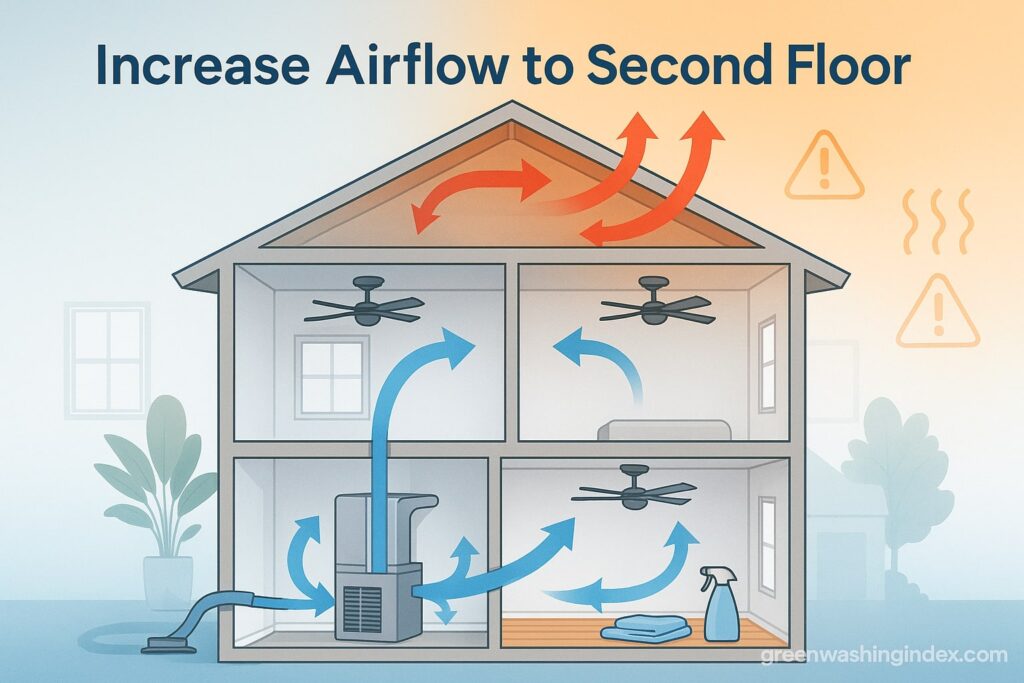
Are you tired of feeling stuffy and uncomfortable inside your own home? Poor air circulation can make your space feel stale, cause unpleasant odors, and even affect your health.
But the good news is, you don’t have to live with it. Improving air circulation in your house is easier than you think, and it can transform your living space into a fresh, breathable haven. You’ll discover simple, practical steps you can take right now to boost airflow and enjoy cleaner, cooler air every day.
Ready to breathe easier? Let’s dive in.

Credit: ventilation.honguan.com
Benefits Of Good Air Circulation
Good air circulation in your home brings many benefits. It keeps the air fresh and reduces stuffiness. Proper airflow helps remove odors and indoor pollutants. This makes the living space more comfortable and healthier for everyone.
Air circulation can also help control humidity levels. It prevents dampness and reduces the risk of mold growth. This protects your home’s structure and your family’s health. It also helps regulate temperature, making rooms feel cooler in summer and warmer in winter.
Improves Indoor Air Quality
Good airflow removes dust, allergens, and harmful particles. It lowers the chance of respiratory problems. Fresh air reduces the build-up of carbon dioxide. This keeps the environment safe and clean.
Reduces Mold And Mildew
Proper circulation stops moisture from settling on walls and floors. Mold and mildew need damp areas to grow. Air movement dries these areas quickly. This helps prevent damage and health issues.
Enhances Comfort
Air circulation spreads heat evenly throughout rooms. It stops hot or cold spots from forming. This creates a pleasant and balanced indoor climate. You feel more comfortable all day long.
Helps Save Energy
Good airflow supports heating and cooling systems. It allows them to work more efficiently. This reduces energy use and lowers utility bills. Your home stays comfortable with less effort.
Common Causes Of Poor Airflow
Poor airflow in your home can make rooms feel stuffy and uncomfortable, affecting your overall living experience. Understanding the common causes of poor air circulation is the first step toward fixing the problem. Identifying these issues helps you take targeted actions that improve the freshness and comfort of your indoor environment.
Blocked Or Closed Vents
Vents are designed to let air flow freely throughout your home. When furniture, curtains, or rugs cover these vents, airflow gets restricted. Have you ever noticed a room that feels hotter or colder than others? This could be because its vents are blocked or shut.
Make sure all vents are open and clear of obstacles. Even small blockages can reduce the air circulation significantly.
Dirty Or Clogged Air Filters
Air filters trap dust, dirt, and allergens to keep your air clean. Over time, these filters fill up and become clogged, limiting the amount of air passing through your HVAC system.
If you haven’t changed your air filter in a while, it’s time to check. A dirty filter forces your system to work harder, reducing airflow and increasing energy bills.
Improperly Sized Hvac System
Having an HVAC system that is too small or too large for your home can cause airflow problems. A small system struggles to push enough air, while an oversized one cycles on and off too quickly, never circulating air properly.
Think about whether your heating or cooling feels uneven. This imbalance could mean your system isn’t the right size for your space.
Obstructed Or Leaky Ductwork
Ducts carry air from your HVAC system to every room. If ducts are crushed, disconnected, or leaking, much of the conditioned air escapes before reaching its destination.
Have you noticed dust or unusual drafts near your ducts? These signs may point to leaks or blockages that need fixing to restore good airflow.
Poorly Designed Room Layout
Sometimes, the way a room is arranged can block natural airflow. Heavy furniture placed near doors or windows can prevent air from circulating freely.
Try rearranging your space to open pathways for air movement. Simple changes can make a big difference in how fresh your room feels.
Use Fans Strategically
Using fans strategically can greatly enhance air circulation in your home. Fans help move air around, preventing stuffiness and making rooms feel cooler. Proper placement and use of fans ensure fresh air flows through each space effectively.
Ceiling Fan Placement
Ceiling fans work best when installed in the center of a room. This allows air to circulate evenly throughout the space. Set the fan to spin counterclockwise in summer to push cool air down. In winter, reverse the direction to pull air upward and spread warm air.
Make sure the fan blades are at least 7 feet above the floor. Keep furniture and light fixtures away from the fan’s path to avoid blocking airflow. Use fans with wide blade spans for larger rooms to cover more area.
Portable Fans Tips
Portable fans offer flexible air movement and can be moved room to room. Position them near windows to draw fresh air inside or push stale air out. Placing a fan across from a doorway creates a cross breeze that refreshes the entire room.
Use oscillating fans to spread airflow over a wider area. For better cooling, place a bowl of ice or cold water in front of the fan. This simple trick helps cool the air as the fan blows it around.

Credit: www.achrnews.com
Open Windows And Doors
Opening windows and doors lets fresh air flow freely throughout your home. Cross-ventilation helps remove stale air and keeps rooms cooler and fresher. This simple step improves air quality and reduces indoor moisture.
Opening windows and doors is a simple way to improve air circulation. It allows fresh air to flow into your home, pushing stale air out. This process can make your living space more comfortable and healthier. Fresh air helps remove indoor pollutants and regulate humidity levels. Proper air circulation also reduces odors, making your home smell fresher.Cross Ventilation Techniques
Cross ventilation involves opening windows and doors on opposite sides of your home. This creates a natural airflow path. The breeze enters through one side and exits through the other. It helps cool your space naturally and efficiently. For better results, open windows and doors on higher and lower levels. This encourages warm air to escape and cool air to enter. Use fans to enhance this flow. They can push air towards open windows or doors, boosting the effect.Timing For Fresh Air
Timing is key for effective air circulation. Open windows and doors during cooler parts of the day. Early morning and late evening are ideal times. Temperatures are lower, so fresh air feels refreshing. Avoid opening windows during high pollen times if allergies are a concern. Check local forecasts to plan the best times. Close windows and doors during windy or stormy weather to prevent damage. Adjust based on your comfort and weather conditions.Maintain Hvac Systems
Maintaining your HVAC system is a key factor in improving air circulation throughout your home. A well-kept system moves air efficiently, ensuring fresh air reaches every corner. Neglecting this can lead to poor airflow, higher energy bills, and even health issues.
Filter Replacement
Dirty filters block airflow and reduce your HVAC system’s efficiency. Check your filters every month and replace them at least every 3 months or more often if you have pets or allergies.
Using high-quality filters can trap smaller particles and improve indoor air quality. Have you noticed dust building up quickly? That’s a sign your filter might need changing sooner than expected.
Duct Cleaning
Over time, dust and debris accumulate in your air ducts, restricting airflow. Cleaning your ducts removes these blockages and helps your system work at its best.
Consider professional duct cleaning if you see visible dust around vents or if your allergies are acting up indoors. Clean ducts can also reduce unpleasant odors circulating in your home.
Add Air Vents And Grilles
Adding air vents and grilles is a simple way to boost air flow inside your home. These elements help move fresh air through rooms and reduce stuffiness. Proper placement and size of vents and grilles make a big difference in improving air circulation.
Well-installed vents allow air to enter and exit freely. Grilles cover these openings, keeping them safe and clean while letting air pass. Both work together to create a balanced flow of air throughout your space.
Add Supply And Return Air Vents
Supply vents push fresh air into rooms. Return vents pull stale air out. Having both types in each room helps air move in a loop. This keeps air fresh and reduces hot or cold spots.
Place supply vents near windows or doors. Put return vents on opposite walls or near the floor. This setup encourages steady air movement across the room.
Choose The Right Size And Style
Vents and grilles come in many sizes and shapes. Pick ones that fit your room size and airflow needs. Larger vents allow more air to pass through.
Styles vary from simple metal grilles to decorative wooden covers. Choose grilles that match your home’s look but do not block airflow.
Keep Vents And Grilles Clean
Dust and dirt block airflow and reduce vent efficiency. Clean vents and grilles regularly to maintain good air movement. Use a vacuum or damp cloth to remove debris.
Check vents for any obstructions like furniture or curtains. Clear spaces around vents help air flow freely.
Use Indoor Plants
Indoor plants do more than decorate your home. They help improve air circulation naturally. Plants release oxygen and absorb carbon dioxide. This process refreshes the air inside your house. Some plants also remove toxins and add moisture to the air. Using indoor plants can create a healthier, fresher living space.
Choose Plants That Improve Air Quality
Select plants known for air-purifying qualities. Spider plants, snake plants, and peace lilies work well. These plants filter harmful chemicals and boost oxygen levels. Place them in rooms where you spend most time.
Place Plants Near Airflow Sources
Put plants close to windows or vents. This helps air circulate around the leaves. Moving air allows plants to exchange gases better. It also spreads fresh air throughout the room.
Use Multiple Plants For Better Effect
One plant is good, but several are better. Group plants in clusters for stronger air circulation. Different plants release oxygen at different rates. A mix creates a balance and improves overall air quality.
Keep Plants Healthy For Maximum Benefits
Water plants regularly and provide enough sunlight. Remove dead leaves and dust from leaves often. Healthy plants perform better in air cleaning and circulation. Neglected plants lose their effectiveness over time.
Declutter For Better Flow
Decluttering your home opens up space for air to move freely. Piles of stuff block pathways and trap air. Clearing out unused items helps fresh air flow better. It also makes your home feel larger and lighter.
Good air circulation reduces dampness and improves comfort. It stops stale air from lingering in rooms. A tidy space lets natural breezes pass through windows and doors without obstacles.
Clear Floor Space
Keep floors free from clutter. Avoid stacking boxes or clothes in hallways. Open floor areas let air move smoothly. Use storage solutions to keep items off the ground.
Organize Furniture Wisely
Arrange furniture away from vents and windows. Avoid blocking air paths with large pieces. Leave gaps between furniture and walls for air flow. Choose smaller furniture for tight spaces.
Minimize Excess Decorations
Too many decorative items crowd the room. Remove unnecessary objects on shelves and tables. Simplify décor to create open space. Less clutter means better air movement.
Use Storage To Reduce Clutter
- Store items in cabinets or boxes.
- Label containers for easy access.
- Keep surfaces clear to improve flow.
- Regularly sort and discard unused belongings.
Install Exhaust Fans
Installing exhaust fans helps remove stale air and moisture from your home quickly. This improves airflow and keeps rooms fresh and comfortable. Proper fan placement enhances ventilation and reduces indoor air problems.
Installing exhaust fans is a practical way to improve air circulation. They help remove stale air and bring fresh air inside. Exhaust fans are especially useful in areas prone to humidity and odors.Kitchen And Bathroom Fans
In kitchens, cooking can create smoke and strong odors. A kitchen exhaust fan helps remove these quickly. It ensures your kitchen smells fresh and clean. Place the fan above your stove or cooking area. This position captures smoke and steam immediately. Bathrooms can get humid after showers. A bathroom exhaust fan removes moisture efficiently. It prevents mold and mildew growth. Install it near the shower or bathtub for best results. This keeps your bathroom dry and pleasant.Attic Ventilation
Attic ventilation plays a crucial role in home air circulation. Heat and moisture can build up in the attic. An exhaust fan in the attic helps release trapped heat. It reduces the strain on your air conditioning system. Proper attic ventilation protects your roof and extends its life. It prevents ice dams in winter. Place attic fans near the roof peak. This allows hot air to escape easily.Consider Air Purifiers
Air purifiers help clean the air inside your home. They remove dust, pollen, and harmful particles. This makes the air feel fresher and healthier. Using an air purifier can improve air flow by reducing indoor pollutants. It supports better breathing and comfort.
How Air Purifiers Work To Improve Air Circulation
Air purifiers pull air through filters that trap tiny particles. Clean air then flows back into the room. This cycle repeats, keeping the air fresh. Some models include fans to boost air movement. This helps spread clean air throughout your space.
Choosing The Right Air Purifier For Your Home
- Pick a purifier based on room size for best results.
- Look for HEPA filters that capture very small particles.
- Consider models with carbon filters to remove odors.
- Check noise levels to avoid disturbance.
Placement Tips For Maximum Air Flow
- Place the purifier in rooms you use most often.
- Avoid placing it behind furniture or curtains.
- Keep it off the floor for better air intake.
- Ensure there is space around the unit for air to flow freely.

Credit: www.achrnews.com
Frequently Asked Questions
How Can I Naturally Improve Air Circulation At Home?
Opening windows and doors regularly promotes fresh airflow. Using ceiling fans or portable fans helps move air efficiently throughout rooms, reducing stuffiness and improving indoor air quality naturally.
What Are The Best Vents For Better Home Air Circulation?
Installing return air vents and supply vents in different rooms balances airflow. Proper vent placement ensures consistent air movement, prevents stagnant air, and enhances overall ventilation inside the house.
Does Indoor Plants Help Improve Air Circulation?
Indoor plants can slightly improve air quality by releasing oxygen and absorbing pollutants. However, they do not significantly affect air circulation, so using fans and vents is more effective for airflow.
How Often Should I Clean Air Ducts For Better Circulation?
Cleaning air ducts every 3 to 5 years removes dust and debris. This maintenance improves airflow efficiency, prevents blockages, and enhances indoor air quality, ensuring better circulation throughout the home.
Conclusion
Improving air circulation helps keep your home fresh and healthy. Open windows and doors to let air flow freely. Use fans to move air in rooms without windows. Keep vents and filters clean for better airflow. Place plants to naturally improve air quality and circulation.
Regularly check your home for areas where air gets stuck. Good air circulation reduces moisture and prevents mold growth. Try these simple steps to breathe easier every day. Fresh air makes your home more comfortable and inviting.



