
Is your home feeling stuffy or uncomfortable? Poor air flow can make your living space feel stale and even affect your health.
But don’t worry—you can fix this. Improving air flow in your house is easier than you think, and the benefits go beyond just fresh air. Imagine walking into a room that feels cool, clean, and inviting every time. You’ll discover simple, practical steps to boost the air circulation in your home.
Keep reading, because the comfort and freshness of your entire house could change with just a few easy tweaks.
Signs Of Poor Air Flow
Recognizing the signs of poor air flow in your home is the first step to creating a healthier, more comfortable living space. If air isn’t moving freely, your house can feel stuffy, and hidden problems may be affecting your well-being without you realizing it. Paying attention to specific symptoms can help you catch issues early and take action before they worsen.
Common Symptoms
Do you notice certain rooms feeling warmer or cooler than others? Uneven temperatures often point to poor air flow. You might also find that some vents barely blow air, while others seem to blast it.
Other signs include:
- Persistent stale or musty odors
- Frequent dust buildup on surfaces
- Windows fogging up or condensation forming on walls
- Increased humidity levels indoors
- Unusual noises coming from your HVAC system
These symptoms don’t just affect comfort—they signal that your air circulation system isn’t working as it should.
Health Impacts
Have you ever felt tired, dizzy, or experienced headaches more often at home? Poor air flow can reduce the quality of the air you breathe, trapping allergens, dust, and pollutants inside.
Without proper ventilation, moisture builds up and creates a breeding ground for mold and mildew. This can worsen allergies and asthma symptoms, especially for children and elderly family members.
Improving air flow isn’t just about comfort—it’s about protecting your health and the health of everyone living under your roof. Are you ready to spot these signs and make your home’s air fresher and cleaner?
Benefits Of Good Air Circulation
Good air circulation keeps rooms fresh and reduces moisture buildup. It helps lower allergens and improves overall comfort in your home. Proper airflow also supports better health by preventing mold and stale air.
Good air circulation brings many benefits to your home. It ensures fresh air flows through each room. This can enhance your overall living environment. It also impacts your health and energy usage.Improved Health
Proper air circulation reduces indoor pollutants. This includes dust, mold, and allergens. Fresh air can lower respiratory issues. It helps prevent allergies and asthma attacks. Clean air is important for everyone. Especially for children and the elderly.Energy Efficiency
Good airflow can lower energy costs. It helps maintain a stable indoor temperature. Your heating and cooling systems work more efficiently. This reduces their workload. It can also extend the life of your HVAC systems.Boost Natural Ventilation
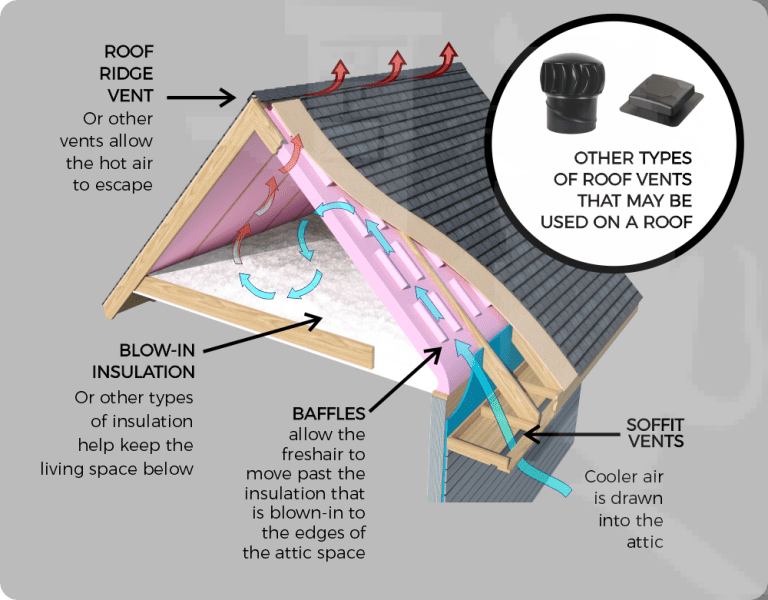
Boosting natural ventilation improves air flow and keeps your home fresh. It uses the natural movement of air to cool and refresh your rooms. This method saves energy and reduces the need for fans or air conditioners. Properly using windows and doors and creating cross breezes are key steps to boost ventilation.
Use Windows And Doors
Open windows and doors to let fresh air enter your home. Make sure they are clean and easy to open. Keep windows on opposite sides open to allow air to flow freely. Avoid blocking windows or doors with furniture or heavy curtains. Use window screens to keep bugs out while letting air in. This simple step helps replace stale indoor air with fresh outdoor air.
Create Cross Breezes
Cross breezes move air through your home quickly. Open windows or doors on opposite sides of a room or house. Air flows from the higher-pressure side to the lower-pressure side. This movement cools the room naturally. Use fans near open windows to push or pull air for better flow. Arrange furniture to avoid blocking air paths. Cross breezes reduce stuffiness and improve comfort without extra energy use.
Credit: www.northeast-home.com
Optimize Hvac Systems
Optimizing your HVAC system is one of the most effective ways to boost airflow throughout your home. A well-tuned HVAC system not only improves air circulation but also enhances indoor air quality and energy efficiency. You might be surprised how small changes, like cleaning or upgrading components, can make a significant difference in how fresh and comfortable your home feels.
Regular Maintenance
Regular maintenance keeps your HVAC system running smoothly and prevents airflow blockages. Dirt and dust buildup in ducts and vents can restrict air movement, making your system work harder. Scheduling routine inspections and cleanings helps identify issues early and keeps airflow consistent.
Think about the last time you checked your air vents—were they dusty or clogged? Cleaning vents and ensuring no furniture or curtains block them can drastically improve airflow. You don’t need special tools; a simple vacuum or duster can keep air pathways clear.
Upgrade Filters
Air filters play a crucial role in your HVAC system’s performance. Low-quality or dirty filters reduce airflow and strain your system. Upgrading to high-efficiency filters can trap more dust, allergens, and pollutants while allowing better air passage.
Consider filters rated MERV 8 to 13 for a balance of filtration and airflow. Changing filters every 1-3 months depending on usage can prevent buildup and keep air flowing freely. Have you noticed a difference in air quality after changing your filter? That’s the power of a simple upgrade.
Use Fans Effectively
Fans are one of the simplest tools to improve air flow in your home, but using them effectively can make all the difference. A fan’s job isn’t just to blow air around; it should create a comfortable environment by moving air strategically. Understanding how to use different types of fans in the right spots can turn stagnant rooms into fresh, airy spaces.
Ceiling Fans Tips
Ceiling fans do more than cool you down; they circulate air to even out temperature differences in the room.
- Change the direction:In summer, set your ceiling fan to spin counterclockwise to push cool air down. In winter, reverse it to clockwise to pull cool air up and push warm air down.
- Keep blades clean:Dust buildup reduces efficiency and spreads allergens. Wipe blades regularly to maintain strong airflow.
- Adjust speed:Use higher speeds in larger rooms or warmer weather, and lower speeds for gentle circulation.
Have you noticed rooms feel stuffy despite a fan running? Try switching the blade direction or adjusting the speed—you might be surprised how much that changes the feel of the room.
Portable Fans Placement
Portable fans offer flexibility but placing them incorrectly wastes their potential.
- Near windows:Position a fan near a window to pull fresh air in during cooler parts of the day or push hot air out in the evening.
- Cross-ventilation:Place fans opposite each other in adjacent rooms or windows to create a strong airflow path through your house.
- Elevate or lower:Use stands or tables to position fans at different heights; warm air rises, so a fan near the ceiling can push hot air down.
Think about how air moves in your home. Could moving your fan just a few feet create a breeze that reaches your favorite chair? Experiment with placement to find what works best for your space and lifestyle.
Declutter For Better Flow
Decluttering your home improves air flow by removing obstacles that block movement. A tidy space lets air move freely, making rooms feel fresher and cooler. Simple changes can make a big difference in how air circulates throughout your house.
Clear Pathways
Keep hallways and doorways free from clutter. Boxes, shoes, and other items can block air from flowing between rooms. Clear paths help air move easily from one space to another. Walk through your home and remove anything that blocks these routes.
Open spaces allow fresh air to reach every corner. This reduces stuffy areas and improves overall air quality. Make it a habit to put things away after use to keep pathways open.
Organize Furniture
Arrange furniture to avoid blocking vents and windows. Large pieces can stop air from circulating properly. Leave space between furniture and walls to let air pass behind them.
Choose smaller or lighter furniture if possible. This creates more open areas and helps air flow better. Organized rooms look neat and feel more comfortable.
Add Air-purifying Plants
Houseplants help clean the air and boost fresh airflow naturally. Placing air-purifying plants in rooms can improve air quality and circulation.
Improving airflow in your house can be as simple as adding a touch of nature. Air-purifying plants not only beautify your space but also enhance the quality of the air you breathe. They are natural air filters, absorbing toxins and releasing fresh oxygen, making your home a healthier place.Best Indoor Plants
Certain plants excel at purifying indoor air. Spider plants are hardy and easy to care for, making them perfect for beginners. Peace lilies thrive in low light and are excellent at removing toxins like ammonia. Snake plants, also known as mother-in-law’s tongue, are nearly indestructible and can survive neglect while doing a great job at filtering the air.Placement Tips
Strategic placement of these green beauties is key to maximizing their benefits. Place them in areas where you spend a lot of time, such as the living room or bedroom. Avoid clustering all plants in one spot; instead, distribute them throughout different rooms for an even air-purifying effect. Consider hanging plants like the spider plant in kitchens or bathrooms where space might be limited. Curious if your plant is thriving? Check its leaves regularly for signs of health or distress. Are you giving it too much sunlight or water? Adjust accordingly to keep your plants, and your air quality, at their best.Seal Leaks And Gaps
Sealing leaks and gaps in your home is a simple yet powerful way to improve airflow and energy efficiency. Air slipping through cracks wastes energy and creates uneven temperatures. Fixing these leaks helps your heating and cooling systems work better, saving you money and making your home more comfortable.
Identify Problem Areas
Start by checking common trouble spots where air leaks often occur. Look around windows, doors, baseboards, and electrical outlets. Don’t forget to inspect attic hatches, vents, and any openings where pipes or wires enter your home.
Use a candle or incense stick on a windy day near these spots. Watch for flickering flames or drifting smoke to spot leaks. You can also feel with your hand for cold or warm drafts that shouldn’t be there.
Diy Sealing Methods
Once you find leaks, use easy and affordable materials to seal them yourself. Weatherstripping tape works well around doors and windows to block drafts. For bigger gaps, use expanding foam or caulk to fill cracks.
- Apply foam sealant around pipes and larger holes for a snug fit.
- Use caulk for smaller cracks along window frames or baseboards.
- Install door sweeps at the bottom of exterior doors to stop drafts.
Have you noticed a difference in your home’s comfort after sealing leaks? Many people find that blocking these gaps improves airflow and reduces energy bills faster than expected. Give it a try and see how much fresher your indoor air feels.
Consider Air Purifiers
Air purifiers help improve indoor air quality by removing dust, pollen, and other pollutants. They support better airflow by reducing particles that can clog air pathways. Using an air purifier can make breathing easier and your home feel fresher. Choosing the right air purifier and maintaining it properly keeps your home’s air clean and healthy.
Choosing The Right Model
Select an air purifier suitable for your room size. Check the Clean Air Delivery Rate (CADR) to find one that matches your space. HEPA filters are best for capturing tiny particles like dust and allergens. Consider models with activated carbon filters to reduce odors and gases. Look for quiet operation if noise is a concern. Energy-efficient models save power and reduce costs.
Maintenance Tips
- Replace or clean filters regularly according to the manufacturer’s instructions.
- Keep the purifier free from dust buildup on the outside.
- Place the purifier in an open area for better air circulation.
- Turn off the purifier when not in use to extend filter life.
- Check for any unusual noises or performance drops and fix promptly.

Credit: www.achrnews.com

Credit: www.youtube.com
Frequently Asked Questions
How Can I Increase Air Flow In My House Naturally?
Open windows and doors to create cross-ventilation. Use fans to help circulate air. Keep vents and ducts clean for better airflow. Adding houseplants can also improve air quality and flow.
What Are The Best Ventilation Systems For Homes?
Energy Recovery Ventilators (ERV) and Heat Recovery Ventilators (HRV) are effective. They exchange indoor air with fresh outside air while saving energy. Exhaust fans in kitchens and bathrooms also enhance ventilation and reduce moisture.
How Often Should I Clean Air Vents And Ducts?
Clean air vents and ducts at least every 3-5 years. Regular cleaning prevents dust buildup and improves airflow efficiency. More frequent cleaning may be needed if you have pets or allergies.
Can Ceiling Fans Improve Air Circulation Effectively?
Yes, ceiling fans help distribute air evenly throughout rooms. They create a gentle breeze that enhances comfort and airflow. Running fans counterclockwise in summer pushes cool air down, improving ventilation.
Conclusion
Improving air flow makes your home feel fresh and comfortable. Open windows to let air move freely. Use fans to push air around rooms. Keep vents clean and clear of dust. Planting trees outside can cool the air coming in.
Small changes can make a big difference. Breathe easier and enjoy a healthier space. Start with simple steps today for better air flow. Your home will thank you for it.



