
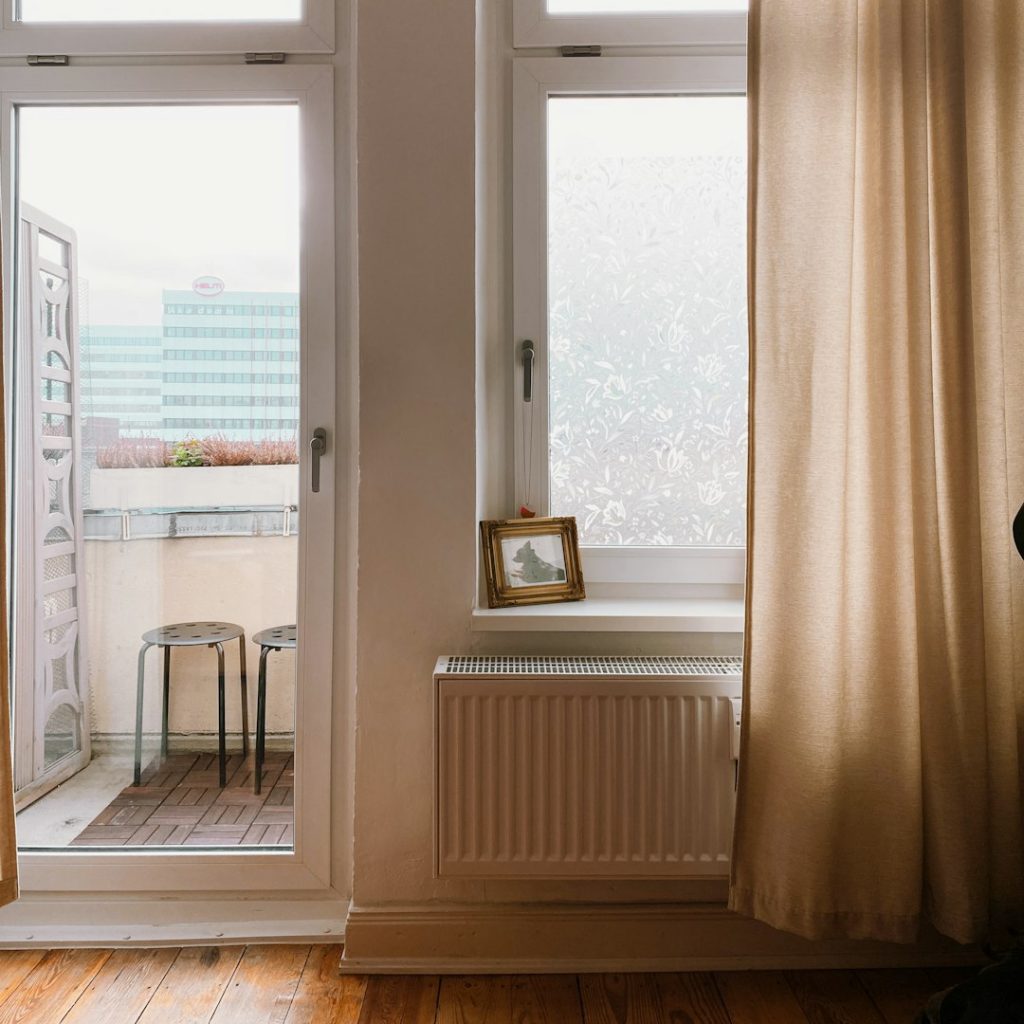
Are you tired of feeling stuffy and uncomfortable in your own room? Poor air circulation can make your space feel hot, stale, and even affect your health.
But the good news is, improving the airflow in your room is easier than you think. You’ll discover simple and effective ways to boost air circulation, making your room fresher, cooler, and more inviting. Keep reading, and transform your living space into a breath of fresh air!
Benefits Of Good Air Circulation
Good air circulation in your room does more than just keep the space feeling fresh. It directly impacts your health, comfort, and even your energy bills. When air moves well, it prevents stuffiness and reduces the buildup of pollutants, making your home a healthier place to live.
Improved Health And Air Quality
Stale air can trap allergens, dust, and moisture, which often cause respiratory problems. Proper air circulation helps to remove these irritants and lowers the risk of mold growth. Have you ever noticed how much easier it is to breathe in a room with fresh airflow?
Enhanced Comfort And Temperature Control
Good air movement prevents hot or cold spots in your room, creating a more balanced temperature. This means you won’t have to crank up the heater or AC as much, saving you money. Think about the last time you felt a nice breeze indoors—it instantly made the space more comfortable.
Energy Efficiency And Cost Savings
When air circulates well, your heating and cooling systems don’t have to work as hard. This reduces energy consumption and lowers your utility bills. Have you checked your energy bill after improving airflow? Many people are surprised by the savings.
Prevention Of Moisture And Mold Problems
Poor air circulation traps moisture, leading to damp walls and mold growth. Circulating air dries out these areas, protecting your home’s structure and your belongings. Have you ever had to deal with mold stains that seemed to keep coming back?
Better Sleep And Increased Productivity
Fresh air helps regulate your body temperature and improves sleep quality. When your room feels fresh and comfortable, you’re more alert and focused during the day. Have you noticed how a stuffy room can make you feel sluggish or restless?

Credit: ezbreathe.com
Identify Airflow Blockages
Identifying airflow blockages is essential for improving room air circulation. Without clear paths for air to move, your space can feel stuffy and uncomfortable. Spotting and removing these blockages can make a noticeable difference in how fresh and cool your room feels.
Check Furniture Placement
Furniture can easily block vents, windows, or pathways where air flows naturally. Look around your room and see if sofas, tables, or chairs are sitting too close to air vents or windows. Moving a bulky armchair a few inches can open up air routes and improve circulation significantly.
Inspect Curtains And Blinds
Heavy curtains or tightly closed blinds can stop fresh air from entering or circulating properly. Try opening them fully during the day to let air and light in. If you notice the room still feels stuffy, consider swapping thick drapes for lighter, breathable fabrics.
Look For Obstructions Near Air Vents
Air vents are the main gateways for airflow, but they often get blocked by clutter, dust, or even pet hair. Make it a habit to clear away objects like boxes, plants, or shoes that might be in front of vents. Also, clean your vents regularly to keep air moving freely.
Examine Doorways And Hallways
Closed or partially closed doors can restrict airflow between rooms. Try leaving doors open or installing door vents to help air travel more easily throughout your home. Even small changes here can balance the air circulation in your entire living space.
Use Fans Strategically
Using fans smartly can improve air flow in any room. Fans help move air, making spaces feel cooler and fresher. They can reduce stuffiness and help control humidity. Choosing the right fan and placing it well boosts air circulation effectively.
Ceiling Fans
Ceiling fans spread air evenly throughout the room. Set the blades to spin counterclockwise in summer to push air down. This creates a breeze that cools your skin. In winter, reverse the blades to move warm air down from the ceiling. Position the fan in the room’s center for best results.
Portable Fans
Portable fans offer flexibility in moving air. Place them near windows to draw fresh air inside. Use them to push warm air out or pull cool air in. Adjust the fan’s angle to target specific areas that feel stuffy. Their lightweight design lets you move them from room to room.
Exhaust Fans
Exhaust fans remove stale air and moisture. Install them in kitchens and bathrooms to prevent odors and dampness. These fans pull out hot, humid air, improving overall air quality. Running exhaust fans during and after activities helps keep air fresh. Make sure vents lead outside, not into other spaces.

Credit: www.dreo.com
Open Windows And Doors
Open windows and doors to let fresh air flow into your room. This simple action boosts air circulation. It also helps remove stale air, making your space feel fresher and more comfortable.
Opening windows and doors is a simple yet highly effective way to improve air circulation in your room. It allows fresh air to flow in, pushing out stale, stagnant air. This natural ventilation method can significantly enhance indoor air quality, making your living space feel more comfortable and healthy.Cross-ventilation Techniques
To maximize the benefits of open windows and doors, consider implementing cross-ventilation techniques. This involves opening windows or doors on opposite sides of a room or your home to create a natural airflow path. Imagine a gentle breeze moving through your space, carrying away pollutants and refreshing your environment. If you have ever stood between two open windows and felt a pleasant draft, you have experienced the power of cross-ventilation. You can achieve this by keeping interior doors open, allowing air to move freely between rooms.Timing For Fresh Air
Timing is crucial when it comes to opening windows and doors for fresh air. Early morning and late evening are often the best times to invite cool, clean air into your home. During these hours, outdoor temperatures are typically lower, reducing the risk of bringing in hot air during warmer months. Have you ever opened a window in the middle of the day only to feel a rush of heat instead of relief? By choosing the right times, you can avoid this common mistake. Aim to open your windows and doors during these cooler periods to ensure you are maximizing the quality of air you let in. Engaging with your environment in this way not only enhances air circulation but also connects you to the natural rhythms of the day. So, when will you next open a window to breathe in the fresh air?Optimize Furniture Placement
Optimizing furniture placement can greatly enhance air circulation in any room. Proper arrangement allows air to flow freely, preventing stuffiness. Avoid blocking vents, windows, or doors with large pieces. This simple change helps fresh air move around the space easily.
Think about how air moves. Furniture should not create barriers that trap air in one spot. Keep pathways clear for natural airflow. This makes the room feel cooler and fresher without extra energy use.
Allow Space Between Furniture And Walls
Pull furniture slightly away from walls. This gap lets air pass behind and under pieces. Avoid pushing couches and cabinets flush against walls. Even a few inches can improve airflow significantly.
Arrange Seating To Promote Air Movement
Place chairs and sofas so air can flow between them. Avoid tight clusters. Spread seating out to create open spaces that air can travel through easily.
Keep Vents And Windows Unobstructed
Do not block air vents with furniture. Clear space around windows for natural breezes. This ensures air can enter and exit the room without restriction.
Use Lightweight And Low-profile Furniture
Choose furniture that does not block air with heavy, tall shapes. Low-profile pieces allow air to move over and around them freely. This aids in better circulation throughout the room.
Add Indoor Plants
Adding indoor plants is a simple way to boost air circulation in your room while also making the space feel fresher and more inviting. Plants naturally release oxygen and help regulate humidity, which can improve the overall quality of the air you breathe. Plus, they bring a touch of nature indoors, creating a calming atmosphere that benefits your well-being.
Air-purifying Plants
Some plants are especially good at cleaning the air by removing toxins and releasing oxygen. Spider plants, snake plants, and peace lilies are popular choices because they thrive indoors and require minimal care.
These plants not only enhance air flow by promoting oxygen exchange but also reduce harmful substances like formaldehyde and benzene. Have you ever noticed how a room feels lighter and more breathable with just a few green leaves around? That’s the power of air-purifying plants working quietly in the background.
Placement Tips
Where you place your plants can make a big difference in how much they help with air circulation. Position them near windows or vents where air naturally moves. This allows the plants to interact more with fresh air, increasing their impact.
- Group plants together to create a mini indoor garden that encourages air movement around them.
- Avoid overcrowding; plants need space for air to flow freely between leaves.
- Rotate plants occasionally so all sides get equal exposure to light and air.
Have you tried moving your plants around to see how it affects the room’s freshness? Small changes in placement can make your space feel noticeably more lively and airy.
Use Air Purifiers And Dehumidifiers
Using air purifiers and dehumidifiers helps improve room air circulation effectively. These devices clean and refresh the air, making your space healthier and more comfortable. They work silently and require little effort to maintain.
Air purifiers remove dust, pollen, and allergens from the air. They trap harmful particles that block airflow and cause discomfort. Cleaner air helps you breathe easier and feel better throughout the day.
Dehumidifiers reduce excess moisture in the air. Lower humidity stops mold and mildew growth, which can damage walls and furniture. Dry air also feels fresher and prevents musty odors.
How Air Purifiers Enhance Air Movement
Air purifiers pull air through filters to trap tiny particles. This process circulates the air constantly, improving airflow. Many models have fans that push clean air back into the room, helping to move stale air out.
Using an air purifier in rooms with poor ventilation boosts air quality. It helps spread fresh air evenly, reducing stuffiness. This circulation supports a healthier indoor environment.
Benefits Of Using Dehumidifiers For Air Quality
Dehumidifiers reduce moisture that slows down air movement. Dry air flows more freely and feels lighter. This eases breathing and creates a more pleasant atmosphere.
Lower humidity levels also prevent dust mites and allergens from thriving. This reduces allergy symptoms and improves overall comfort. Dehumidifiers are especially useful in basements and bathrooms.
Tips For Using Air Purifiers And Dehumidifiers Together
- Place air purifiers near sources of dust or allergens.
- Keep dehumidifiers in damp areas to control moisture.
- Run both devices regularly for steady air circulation.
- Clean and maintain filters to keep devices efficient.
- Choose the right size for your room to maximize benefits.

Credit: www.dreo.com
Maintain Heating And Cooling Systems
Maintaining your heating and cooling systems is key to keeping air moving efficiently throughout your home. These systems are the heart of your indoor climate control, and neglecting them can lead to poor air circulation and higher energy bills. Paying attention to simple maintenance tasks can make a noticeable difference in how fresh and comfortable your rooms feel.
Regular Filter Cleaning
Dirty filters block airflow and strain your system. Cleaning or replacing filters every 1 to 3 months can keep air flowing freely and improve indoor air quality.
Think about the last time you changed your filter—did you notice a difference in how quickly your room warmed up or cooled down? You might find that a clean filter reduces dust buildup and allergens, making breathing easier.
- Set reminders to check filters regularly.
- Use high-quality filters for better dust and particle capture.
- Consider washable filters if you want a reusable option.
Duct Inspection
Leaky or clogged ducts can waste energy and reduce air circulation. Inspecting your ducts for holes, blockages, or disconnected sections helps air reach every corner of your home.
Have you ever felt one room was always stuffy while another was too cold or hot? That could mean your ducts need attention. Sealing leaks and cleaning ducts can balance airflow and improve comfort.
- Check visible ducts for damage or disconnections.
- Hire a professional for thorough inspection and cleaning.
- Seal leaks with mastic or metal tape—not regular duct tape.
Frequently Asked Questions
How Can I Improve Air Circulation In A Small Room?
Use a fan to create airflow and open windows for fresh air. Keep doors open to allow air movement between rooms. Remove clutter that blocks air pathways and consider adding vent grilles for better airflow.
What Role Do Ceiling Fans Play In Air Circulation?
Ceiling fans help distribute air evenly throughout the room. They create a breeze that cools and improves comfort. Fans reduce stagnant air and help circulate both warm and cool air effectively.
Can Houseplants Improve Indoor Air Circulation?
Houseplants do not directly improve air circulation but can enhance air quality. They release oxygen and absorb pollutants, creating a fresher environment. Combine plants with fans or open windows for better airflow.
How Often Should I Clean Vents To Improve Circulation?
Clean vents at least every 3 to 6 months to maintain airflow. Dust and debris block air passage and reduce circulation. Regular cleaning ensures efficient HVAC performance and healthier indoor air.
Conclusion
Good air flow makes any room feel fresh and comfortable. Simple steps like opening windows and using fans help a lot. Moving furniture can also let air move freely. Clean vents and regular maintenance keep air fresh inside. Small changes create a big difference in room air circulation.
Try these tips to breathe easier and enjoy your space more. Fresh air is key to a healthy, happy home.



