
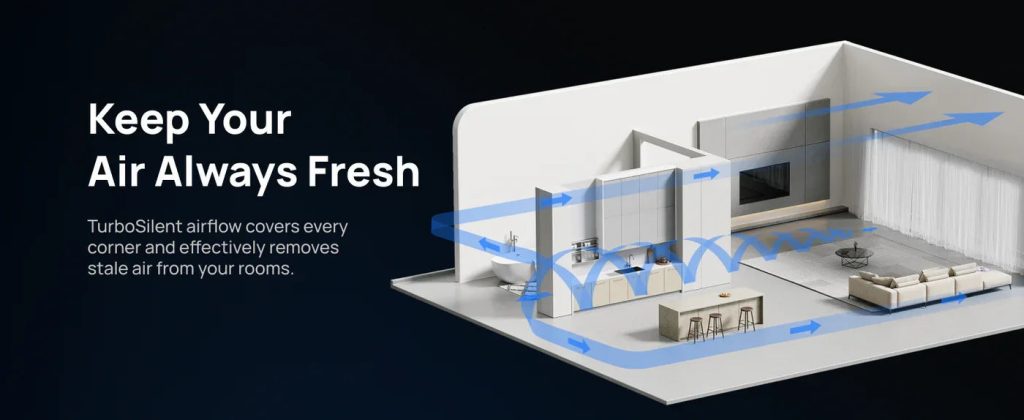
Are you tired of feeling stuffy or noticing unpleasant odors in your room? Poor ventilation can make your space uncomfortable and even affect your health.
The good news is, improving airflow doesn’t have to be complicated or expensive. You’ll discover simple, effective ways to freshen up your room and create a healthier environment. Keep reading to learn how you can breathe easier and feel more comfortable in your own space.

Credit: itsairborne.com
Benefits Of Good Ventilation
Good ventilation makes any room healthier and more comfortable. It helps remove stale air and brings in fresh air. This process improves the overall air quality inside. Proper ventilation also controls moisture and reduces odors. It keeps the room feeling fresh and clean for longer periods.
Besides comfort, good ventilation supports health. It lowers the risk of breathing problems and allergies. Fresh air helps reduce dust, mold, and harmful gases. This creates a safer environment, especially for children and elderly people.
Improves Air Quality
Fresh air reduces indoor pollution. It removes dust, smoke, and allergens. This means fewer health problems for everyone. Clean air also helps you breathe easier and feel better.
Controls Moisture And Mold
Ventilation stops moisture build-up. This prevents mold growth on walls and ceilings. Mold can cause allergies and damage your home. Proper airflow keeps the room dry and safe.
Reduces Unpleasant Odors
Good ventilation removes bad smells quickly. It helps clear cooking smells, smoke, and pet odors. Fresh air keeps the room smelling clean and pleasant all day.
Improves Comfort
Fresh air helps regulate room temperature. It prevents stuffiness and overheating. Ventilation creates a cool and comfortable space to relax or work.
Protects Home Structure
Ventilation reduces dampness that damages walls and furniture. It helps maintain the quality of your home. This can save money on repairs in the long run.
Signs Of Poor Airflow
Poor airflow in a room can lead to discomfort, health issues, and even damage to your belongings. Recognizing the signs early helps you take action before problems worsen. Let’s look at what to watch for when checking if your room’s ventilation needs improvement.
Stale Or Musty Odors
Do you notice a persistent stale or musty smell that won’t go away, no matter how often you clean? This often means the air isn’t circulating well, allowing odors to linger and mold to develop. You might not see mold at first, but the smell is a clear warning.
Excess Moisture And Condensation
Windows fogging up regularly or damp spots on walls signal trapped moisture. Without good airflow, humidity builds up and can cause mold growth and damage to paint or wallpaper. Have you checked your window sills or corners for signs of dampness lately?
Uncomfortable Temperature Fluctuations
If parts of the room feel too hot or too cold while others don’t, poor ventilation might be the culprit. Air isn’t moving evenly, so temperature control becomes difficult. You could be spending more on heating or cooling without real comfort.
Dust And Allergens Accumulating Quickly
Does dust seem to settle faster than usual, even after cleaning? Poor airflow can cause dust, pollen, and other allergens to build up, affecting your breathing and triggering allergies. This might explain why your sneezing or coughing worsens indoors.
Feeling Tired Or Headache-prone In The Room
Ever feel unusually tired, dizzy, or get headaches when spending time in a certain room? This could be due to stagnant air and a lack of fresh oxygen. Your brain and body need clean air to function well, so poor ventilation can impact your wellbeing more than you realize.
Natural Ventilation Methods
Natural ventilation methods offer simple and cost-effective ways to improve air flow in your room. These techniques rely on the movement of fresh air through openings without the need for mechanical systems. They not only enhance air quality but can also reduce energy costs and create a more comfortable living space.
Opening Windows And Doors
Opening windows and doors is the easiest way to bring fresh air into your room. Even a small gap can help reduce stuffiness and remove odors.
Try to keep windows open for at least a few minutes several times a day. This practice can quickly refresh the indoor air without letting in too much noise or dust.
Have you noticed how a room feels instantly lighter after opening a window? That’s the power of natural airflow at work.
Using Cross-ventilation
Cross-ventilation happens when air flows in through one opening and exits through another. This creates a breeze that effectively circulates fresh air throughout the room.
To use cross-ventilation, open windows or doors on opposite sides of the room or building. This setup encourages air to move freely and prevents pockets of stale air.
Have you tried positioning a fan near an open window to boost the effect? It can make the air move faster without using much energy.
Adding Ventilation Vents
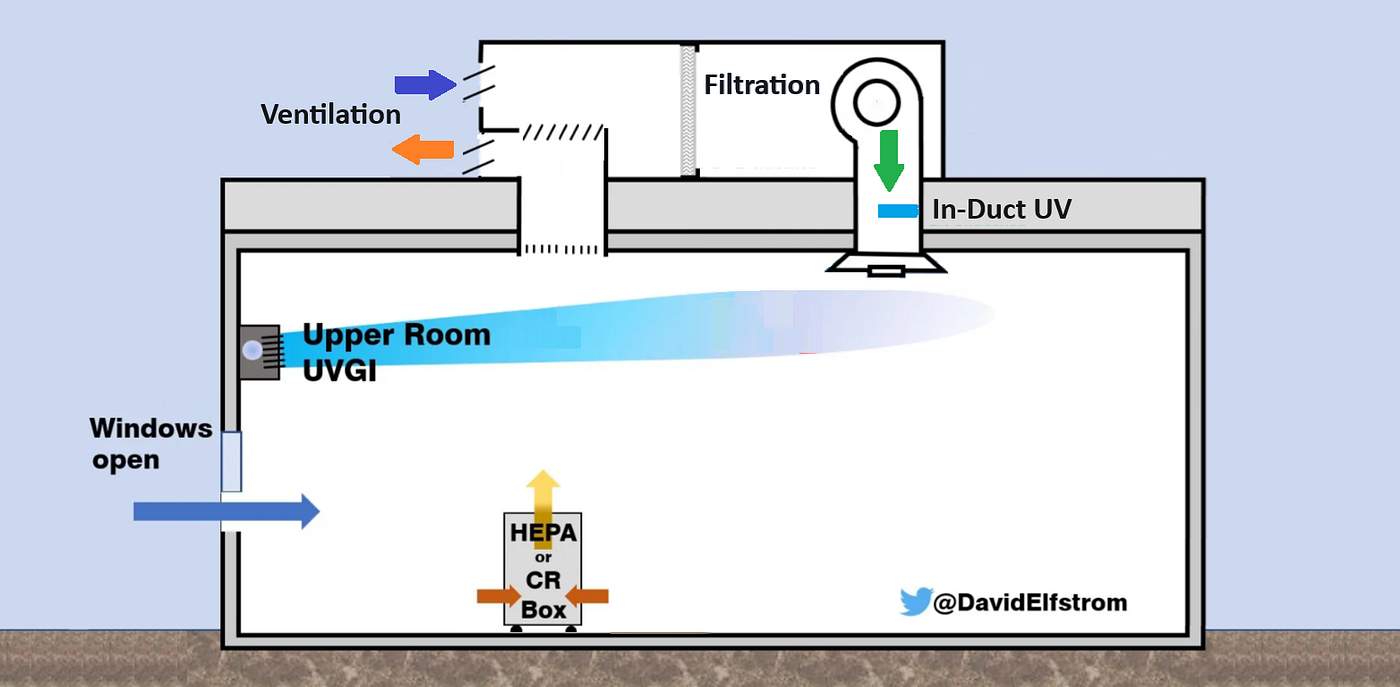
Ventilation vents allow air to enter or leave a room even when windows and doors are closed. They can be installed in walls, ceilings, or doors.
Choose vents with adjustable covers so you can control the airflow based on your needs. This helps maintain comfort without sacrificing security or privacy.
Consider vents with built-in filters if you live in a dusty or polluted area. These can improve air quality while still promoting natural ventilation.
Mechanical Ventilation Options
Mechanical ventilation offers reliable ways to enhance airflow and improve air quality in any room. These options don’t just move air around; they actively remove stale air and introduce fresh air, creating a healthier indoor environment. Let’s look at some practical mechanical solutions you can use right now.
Installing Exhaust Fans
Exhaust fans are excellent for removing moisture, odors, and pollutants from your room. Installing one in areas like kitchens or bathrooms helps prevent mold and keeps air fresh. Think about how a well-placed exhaust fan in your bathroom reduced that persistent damp smell—small change, big impact.
Choose a fan with the right capacity for your room size. Proper venting to the outside is key to avoid recycling stale air. You can even find quiet models that won’t disrupt your daily activities.
Using Air Purifiers
Air purifiers don’t ventilate a room by themselves, but they improve indoor air quality by filtering out dust, allergens, and pollutants. They work well in spaces where opening windows isn’t an option or during allergy season. I noticed a big difference in my living room air after adding one near my couch where I spend most of my time.
Look for purifiers with HEPA filters and check the recommended room size. Some models also include activated carbon filters to reduce odors and VOCs. Placement matters: keep it away from walls to allow better airflow.
Ceiling And Portable Fans
Fans help circulate air, making your space feel cooler and fresher. Ceiling fans push warm air up in winter and pull it down in summer, improving overall comfort. Portable fans offer flexibility—you can move them from room to room wherever airflow feels stagnant.
Try combining fans with open windows or exhaust systems to create a better air exchange. Ever noticed how a fan near an open window pulls fresh air inside? That simple trick can change your room’s ventilation.
Maintaining Ventilation Systems
Open windows regularly to allow fresh air in. Use fans to circulate air more effectively. Install vents or air purifiers for cleaner, healthier indoor air.
Maintaining ventilation systems is crucial for a healthy indoor environment. A well-maintained system ensures fresh air circulates, reducing pollutants. This leads to better air quality in your home. Regular upkeep also extends the life of your ventilation system. Here are some key areas to focus on to maintain your system effectively.Regular Cleaning And Filters
Clean your ventilation system regularly. Dust and dirt can accumulate quickly. This buildup can hinder airflow, reducing efficiency. Check the filters every month. Replace them if they look dirty or clogged. Clean filters improve air quality and system performance. Use a vacuum cleaner to remove dust from the vents. This simple task can make a big difference.Checking For Blockages
Inspect your vents for any blockages. Furniture or curtains might obstruct airflow. Move them away from the vents for better circulation. Look for any debris inside the vents. Use a flashlight to check hard-to-see areas. Remove any obstructions you find. Regular checks keep your system running smoothly. This practice ensures you enjoy fresh air throughout your home.Credit: www.seattleschild.com
Improving Air Quality Indoors
Improving air quality indoors is key to a healthier living space. Poor air quality can cause discomfort and health issues. Fresh air helps reduce allergens, dust, and harmful particles. Simple changes can make a big difference in your home’s atmosphere.
Adding Indoor Plants
Indoor plants clean the air naturally. They absorb carbon dioxide and release oxygen. Some plants filter toxins like formaldehyde and benzene. Place plants like spider plants, peace lilies, or snake plants in your room. They also add beauty and calmness to your space.
Controlling Humidity Levels
Humidity affects air quality significantly. Too much moisture causes mold and dust mites. Too little makes the air dry and uncomfortable. Use a humidifier or dehumidifier to keep humidity between 30% and 50%. Regularly check for leaks and fix them quickly. Good humidity control helps prevent respiratory problems and keeps your room fresh.
Tips For Specific Room Types
Improving ventilation varies depending on the room’s purpose and layout. Each space has unique challenges that affect air flow and quality. Tailoring your approach can make a big difference in comfort and health.
Kitchens And Bathrooms
These rooms generate moisture and odors, which can lead to mold and mildew if not properly ventilated. Installing an exhaust fan is one of the best ways to remove excess humidity quickly.
Make sure your exhaust fan vents to the outside, not just into the attic or another space. Consider adding a window that opens to encourage natural airflow during cooking or showering.
- Use range hoods with sufficient power to capture cooking fumes.
- Keep the bathroom door slightly open when showering to allow air exchange.
- Regularly clean vents and fans to maintain their efficiency.
Have you checked if your bathroom fan is strong enough for your space? Many people overlook this simple fix.
Bedrooms And Living Areas
These spaces require fresh air to maintain comfort and reduce indoor pollutants. You can improve airflow by positioning fans near windows or doors to create a cross-breeze.
Try opening windows on opposite sides of the room to let fresh air in and stale air out. If security or weather prevents this, use air purifiers with HEPA filters to improve air quality.
- Ceiling fans help circulate air without cooling the room excessively.
- Keep vents and air registers clean and unobstructed.
- Consider adding houseplants known for air-purifying properties, like spider plants or snake plants.
Have you noticed how much fresher your room feels after a few minutes of fresh air? Simple changes like these can transform your living environment.
Credit: itsairborne.com
Frequently Asked Questions
How Can I Increase Airflow In A Room Naturally?
Open windows and doors to create cross-ventilation. Use fans to circulate air and remove stale air. Adding indoor plants also helps improve air quality naturally.
What Are The Best Ventilation Systems For Small Rooms?
For small rooms, use exhaust fans, window fans, or portable air purifiers. These systems remove pollutants and improve air circulation efficiently without much space.
How Often Should I Ventilate A Room Daily?
Ventilate your room at least 2-3 times a day for 10-15 minutes. Regular ventilation reduces indoor air pollutants and maintains fresh air quality.
Can I Improve Ventilation Without Opening Windows?
Yes, use mechanical ventilation like exhaust fans or air purifiers. These devices help exchange indoor air without needing open windows.
Conclusion
Improving room ventilation helps keep air fresh and healthy. Open windows or doors to let fresh air inside. Use fans to move air around the room. Regularly clean vents and filters to avoid dust buildup. Small changes can make a big difference in air quality.
Better ventilation also reduces moisture and mold risks. Breathe easier and feel more comfortable every day. Simple steps create a healthier living space for all.



