
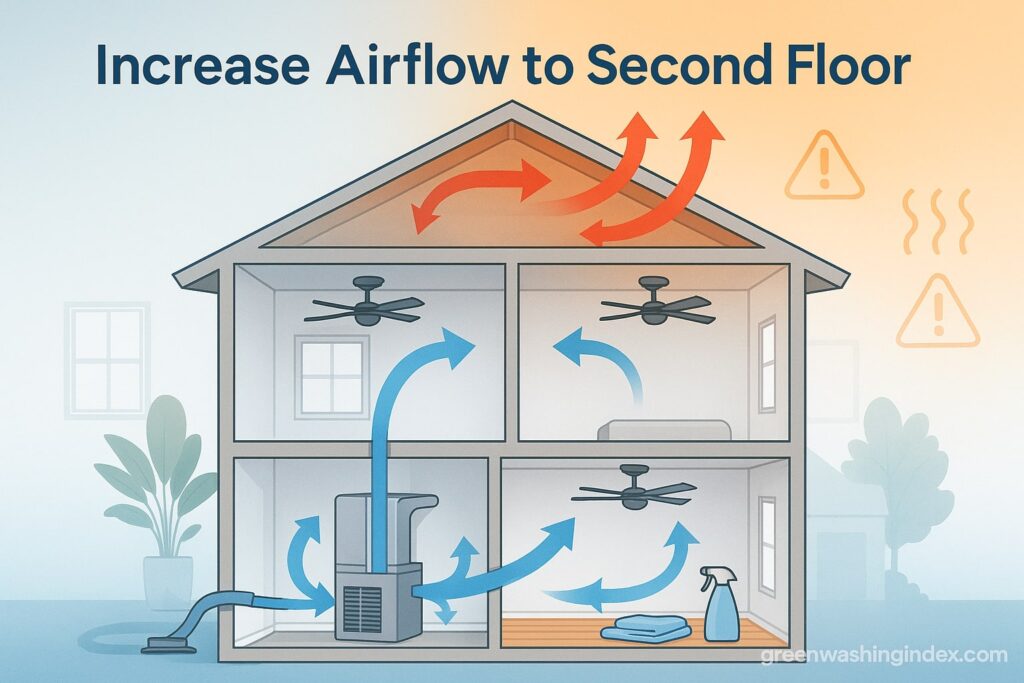
Are you tired of feeling stuffy and uncomfortable inside your own home? Poor air flow can make your living space feel hot, stale, and even affect your health.
The good news is, you don’t have to live like that. By making a few simple changes, you can boost the air flow in your house and enjoy fresher, cooler, and cleaner air every day. Keep reading to discover easy, practical tips that anyone can use to improve air circulation and transform your home into a more comfortable place.
Your comfort and well-being are just a few steps away.
Identify Airflow Blockages
Identifying airflow blockages is a crucial step to improving ventilation in your home. Blockages can silently reduce the efficiency of your heating and cooling systems, making your living space less comfortable and increasing energy costs. You might be surprised how simple adjustments can open up pathways for air to move freely throughout your rooms.
Check Furniture Placement
Look closely at how your furniture is arranged. Large pieces placed directly in front of vents or air returns can block airflow significantly. Even a cozy armchair or bookshelf positioned too close to these openings can reduce air circulation.
Try moving furniture away from vents and returns to see if the air feels fresher. Have you ever noticed a stuffy room just because a couch was sitting in front of a vent? Clearing these spaces can make a noticeable difference in how air moves.
Inspect Window And Door Obstructions
Windows and doors are natural pathways for air to enter and exit your home. Check if curtains, blinds, or heavy drapes are covering vents near windows, restricting airflow. Also, door drafts or seals that are damaged or blocked by rugs or furniture can interfere with proper ventilation.
Open windows slightly when weather permits to encourage cross-ventilation. Think about your last time opening a window—did you notice a breeze or was it blocked by something? Removing these barriers helps air flow smoothly.
Clear Vents And Registers
Dust and debris often accumulate inside vents and registers, limiting the amount of air passing through. You might not see the buildup, but it can drastically reduce airflow. Regularly vacuuming or wiping down these areas can help maintain efficient ventilation.
Don’t forget to check if the vent covers are fully open and not stuck halfway. Have you ever tried adjusting a vent and immediately felt cooler or warmer air? That’s airflow working better because nothing was blocking it.

Credit: www.achrnews.com
Maximize Natural Ventilation
Maximizing natural ventilation helps cool your home without extra energy use. It uses outdoor air movement to freshen indoor spaces. This approach improves comfort and lowers air conditioning bills.
Use Cross Ventilation Techniques
Cross ventilation moves air through your home by opening windows on opposite sides. This creates a flow that pushes stale air out. Place openings at different heights to increase airflow speed. Use fans near windows to boost air movement if needed.
Open Windows Strategically
Open windows where wind enters your property. Close windows on the opposite side to guide air flow. Avoid opening all windows at once; this can cause air to stagnate. Open windows during cooler parts of the day for better air quality.
Create Airflow Paths
Clear obstacles blocking airflow between windows and doors. Keep interior doors open to let air move freely. Use vents and air bricks to connect rooms and improve circulation. Arrange furniture away from windows to avoid blocking air paths.
Use Fans Effectively
Enhancing airflow in your home can improve comfort and reduce energy costs. Fans are a simple and effective tool for boosting indoor air circulation. With the right strategies, fans can help distribute air evenly throughout your space. This section will guide you on using fans effectively to increase airflow at home.
Ceiling Fan Direction Tips
Ceiling fans can optimize air movement with proper settings. Adjust fan direction according to the season. During warmer months, set the fan to rotate counterclockwise. This pushes air down, creating a cooling breeze. In cooler months, switch the fan to clockwise. This helps circulate warm air trapped near the ceiling. Make sure fan blades are clean for efficient operation.
Placement Of Portable Fans
Portable fans are versatile and can be placed in various locations. Position them near windows to pull in fresh air. Place them in doorways to facilitate airflow between rooms. Ensure fans are not obstructed by furniture or curtains. For best results, angle fans towards the ceiling or walls. This helps distribute air more evenly.
Exhaust Fan Benefits
Exhaust fans are crucial for removing stale air. Install them in kitchens and bathrooms to eliminate moisture and odors. They help prevent mold and mildew growth by reducing humidity. Use exhaust fans during and after cooking or showering. Ensure they are vented to the outside for maximum effectiveness. Regular maintenance, like cleaning the fan cover, ensures optimal performance.
Improve Hvac System Performance
Improving your HVAC system’s performance is a direct way to increase airflow throughout your house. When your system runs efficiently, air moves smoothly and consistently, helping every room feel comfortable. Small adjustments to your HVAC setup can lead to noticeable improvements in air circulation and overall air quality.
Replace Or Clean Air Filters
Dirty air filters block airflow and make your HVAC system work harder. Check your filters every month, especially during heavy use seasons. If you notice dust buildup or discoloration, replace or clean the filters immediately.
Using a clean filter not only improves airflow but also protects your system from damage. I once delayed changing my filter and noticed reduced airflow and higher energy bills. After replacing it, the air quality improved, and my system cooled the house faster.
Seal And Insulate Ductwork
Leaky or poorly insulated ducts let air escape before it reaches your rooms. Take time to inspect visible ducts for holes or disconnected joints. Use duct mastic or metal tape to seal leaks, and add insulation where ducts run through unheated spaces.
Sealing ducts can boost airflow by up to 20%, which means your HVAC system doesn’t have to work as hard. Have you ever felt a cold draft near your vents? That’s often a sign of duct leakage.
Schedule Regular Maintenance
Regular HVAC check-ups keep your system running smoothly and catch issues early. A professional can clean coils, check refrigerant levels, and ensure all parts work properly. Maintenance visits prevent airflow problems before they start.
Don’t wait until your airflow feels weak or rooms stay too hot or cold. Scheduling maintenance twice a year can save you money and improve your home’s comfort. How long has it been since your last HVAC tune-up?
Add Airflow Enhancing Devices
Adding devices that enhance airflow can dramatically improve the comfort and air quality in your home. These tools work by promoting better circulation and reducing stagnant air pockets. You might be surprised how a few well-placed devices can change the atmosphere inside your house.
Install Air Vents And Grilles
Air vents and grilles are simple yet effective ways to boost airflow. They allow fresh air to enter and stale air to exit, creating a natural flow throughout your rooms.
Think about areas in your home where air feels trapped or stuffy. Installing vents there can help balance air pressure and improve circulation. You don’t always need professional help; many vents and grilles are easy to install yourself with basic tools.
Consider Air Purifiers With Fans
Air purifiers with built-in fans do more than just clean the air—they also move it around. This dual function helps distribute purified air evenly across your living space.
If allergies or dust are a concern, these devices serve a double purpose. Look for models that allow you to adjust fan speed to match your airflow needs. Have you noticed how stagnant air can make a room feel heavier? A purifier with a fan can lighten that sensation.
Use Attic And Whole House Fans
Attic fans pull hot air out of your attic, reducing heat buildup and helping cooler air flow into your home. Whole house fans circulate air through multiple rooms, creating a refreshing breeze without running your air conditioner constantly.
Installing these fans might require some planning, but the payoff is worth it. They can lower your energy bills and increase comfort significantly. Could adding a whole house fan be the solution to your home’s airflow challenges?

Credit: ezbreathe.com
Utilize Landscaping For Airflow
Utilizing landscaping effectively can transform your home’s airflow, making your living space cooler and more comfortable without cranking up the AC. Thoughtful placement of plants and trees can guide natural breezes through your property, improving ventilation inside your house. Let’s look at how you can use your garden to boost airflow and enjoy fresher air indoors.
Plant Trees For Shade And Wind Direction
Planting trees strategically around your home can provide shade and influence wind patterns. Trees on the west and south sides block harsh afternoon sun, cooling your house naturally. Meanwhile, placing taller trees or windbreaks on the side where prevailing winds come from helps direct fresh air toward your windows and vents.
When I added a row of deciduous trees along the west side of my home, I noticed the rooms stayed cooler in summer. The trees lost their leaves in winter, letting sunlight warm the house when you need it most. Have you thought about which wind direction hits your property most often?
Avoid Dense Shrubs Near Vents
Dense shrubs close to your home’s vents can block airflow, reducing ventilation and causing stale air to build up indoors. Keep at least a few feet of clear space around all air intake and exhaust points. This simple step ensures air moves freely in and out, improving overall circulation.
When I first moved in, thick bushes covered the basement vents. Removing them made a noticeable difference; the air felt fresher and less humid downstairs. Could trimming back your garden near vents help your house breathe better?
Create Outdoor Air Channels
You can design your yard to channel air naturally by arranging plants and hardscape features like fences or walls. Create clear pathways where wind can flow unobstructed toward your home’s openings. Narrow garden paths lined with low plants work well to funnel breezes inside.
In my own yard, I built a low fence and planted short hedges to form a corridor leading to my patio doors. This setup directs the summer breeze straight into the living room. What outdoor spaces could you adjust to guide fresh air inside?
Maintain Indoor Air Quality
Maintaining good indoor air quality helps improve airflow and creates a healthier home. Clean air feels fresher and reduces breathing problems. It also helps keep your home comfortable and inviting. Simple changes can make a big difference in the air you breathe every day.
Control Humidity Levels
Keep humidity between 30% and 50% for best air quality. Too much moisture causes mold, dust mites, and musty smells. Use dehumidifiers in damp areas like basements. Ventilate kitchens and bathrooms to remove excess steam. Dry clothes outside or in a well-ventilated room. Proper humidity control helps air move freely and stay fresh.
Reduce Indoor Pollutants
Pollutants like dust, pet dander, and chemicals lower air quality. Clean floors and surfaces often with a damp cloth. Use vacuum cleaners with HEPA filters to trap tiny particles. Avoid smoking inside the house. Choose low-VOC paints and cleaning products to reduce harmful fumes. Removing pollutants improves airflow and keeps the air clean.
Use Natural Air Fresheners
Artificial sprays can add chemicals to indoor air. Choose natural options like baking soda, essential oils, or fresh herbs. Place bowls of vinegar or activated charcoal to absorb odors. Open windows to let fresh air enter and push stale air out. Natural air fresheners keep your home smelling pleasant without harming air quality.

Credit: www.achrnews.com
Frequently Asked Questions
How Can I Improve Air Flow Without An Ac?
Open windows and doors to create cross ventilation. Use fans to circulate air effectively. Keep vents and air pathways clear of obstructions.
What Are The Best Fans For Better Air Circulation?
Ceiling fans and oscillating fans work well. They push air evenly across rooms. Choose fans with adjustable speeds for control.
Does House Layout Affect Indoor Air Flow?
Yes, open floor plans promote better air circulation. Avoid clutter and large furniture blocking vents. Properly placed windows enhance natural airflow.
How Often Should Air Filters Be Cleaned?
Clean or replace filters every 1-3 months. Dirty filters reduce airflow and indoor air quality. Regular maintenance keeps HVAC systems efficient.
Conclusion
Better airflow makes your home feel fresh and comfortable. Open windows and doors often to let air move freely. Use fans to help air circulate inside rooms. Keep vents and filters clean for smoother airflow. Planting trees outside can cool the air coming in.
Small changes add up to a big difference. Enjoy a cooler, healthier home all year long. Simple steps can improve your air quality today. Fresh air is key to a happy living space.



