
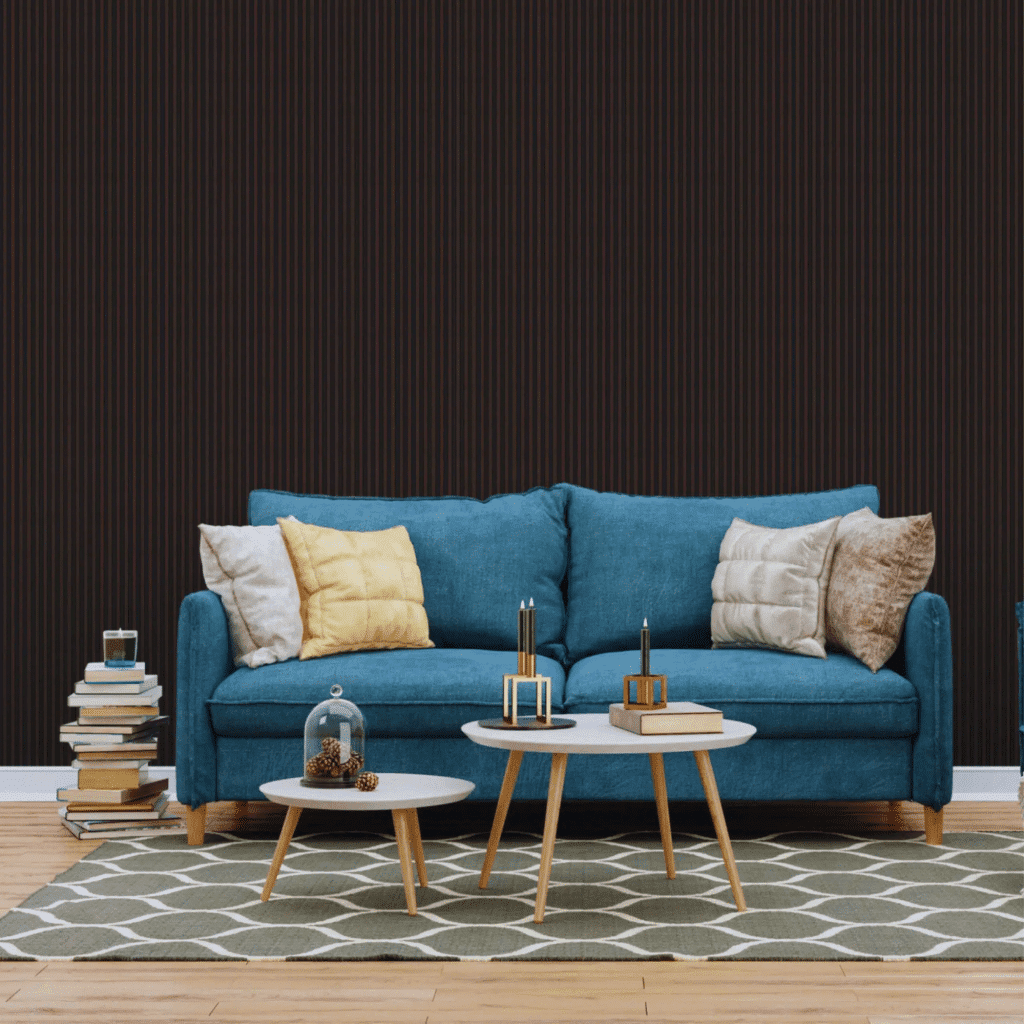
Are you looking to transform your walls without the hassle of painting or wallpaper? Installing 3D wall panels can instantly add depth, texture, and style to any room.
But you might wonder, “Is it complicated? Can I do it myself? ” The good news is—you absolutely can. This guide will walk you through easy, step-by-step instructions to help you install 3D wall panels like a pro. By the end, you’ll have the confidence to upgrade your space quickly and beautifully.
Ready to give your walls a stunning new look? Let’s get started!

Credit: dundeedeco.com
Choosing The Right 3d Wall Panels
Choosing the right 3D wall panels sets the foundation for a stunning wall. The panels must fit your style and suit your space well. Careful selection ensures a smooth installation and lasting beauty.
Materials And Designs
3D wall panels come in many materials like PVC, MDF, wood, and gypsum. PVC panels are lightweight and water-resistant, ideal for kitchens and bathrooms. MDF and wood offer a natural look with varied textures. Gypsum panels bring detailed patterns and a solid feel.
Designs range from geometric shapes to floral and wave patterns. Pick a design that matches your room’s mood. Bold patterns create a focal point, while subtle ones add texture without overwhelming the space.
Measuring Your Wall Space
Accurate measurements avoid costly mistakes. Use a tape measure to get the wall’s height and width. Multiply to find the total square footage. Note any doors or windows that reduce panel coverage. Write down exact numbers before buying panels.
Consider the layout pattern of panels. Some designs need precise alignment, so measuring helps plan cuts and placement. This step saves time during installation and reduces waste.
Tools And Supplies Needed
Prepare tools before starting to install your panels. Common tools include:
- Measuring tape
- Level
- Adhesive or nails
- Utility knife or saw
- Sandpaper
- Paint or sealant (optional)
Having the right supplies ensures a neat job. Choose adhesive suitable for your wall type and panel material. Keep all tools within reach to work efficiently.

Credit: loneoakdesignco.com
Preparing The Wall Surface
Preparing the wall surface is key before installing 3D wall panels. A clean, smooth, and stable wall ensures panels stick well and look great. Skipping this step can cause poor adhesion and uneven panels. Take time to prepare the wall carefully for the best outcome.
Cleaning And Repairing
Start by cleaning the wall to remove dust, dirt, and grease. Use a mild detergent and water with a sponge or cloth. Let the wall dry completely before moving on. Check for cracks, holes, or loose paint. Fill holes with spackle or wall filler, then sand smooth once dry. Remove any peeling paint or wallpaper to create a flat surface.
Priming The Wall
Apply a primer suitable for your wall type. Primer helps panels stick better and prevents moisture damage. Use a roller or brush to spread an even coat across the entire wall. Allow the primer to dry fully according to the product instructions. Priming also seals the wall and improves paint adhesion if you plan to paint the panels later.
Ensuring A Smooth Base
Inspect the wall surface after priming. Sand any rough spots or uneven areas lightly with fine-grit sandpaper. Wipe away dust with a damp cloth. A smooth base prevents bumps from showing through the panels. The wall should feel clean and even to the touch before installation starts.
Cutting And Planning Panel Layout
Measure the wall carefully and sketch the panel layout before cutting. Plan cuts to fit panels neatly around corners and edges. This ensures a clean, professional look when installing 3D wall panels.
Cutting and planning the layout for 3D wall panels is crucial. It ensures a perfect fit and a stunning final look. This step involves measuring accurately, marking the wall, and dry fitting panels. Proper planning saves time and reduces material waste.Measuring Panels Accurately
Accurate measurement is the key to success. Measure each wall section where panels will go. Use a tape measure for precision. Write down each measurement clearly. Remember, even a small error can cause fitting issues.Marking The Wall
Once measurements are set, mark the wall. Use a pencil and a level. Draw lines where panels will be installed. This helps in aligning panels correctly. Check the markings twice for accuracy. Proper alignment avoids crooked panels.Dry Fitting Panels
Before cutting, do a dry fit. Place panels on the floor. Arrange them according to your wall markings. This helps visualize the final look. Adjust any panels if needed. Ensure edges meet without gaps. Dry fitting reveals potential issues early.
Credit: dundeedeco.com
Applying Adhesive And Installing Panels
Applying adhesive and installing 3D wall panels requires care and precision. The right adhesive ensures panels stick firmly and last long. Proper application prevents gaps and peeling. Pressing panels correctly helps achieve a smooth, even surface. This section guides you through choosing adhesive, applying it, and setting panels in place.
Choosing The Right Adhesive
Select an adhesive made for wall panels and your wall type. Check if panels need a specific glue, like construction adhesive or panel adhesive. Avoid using weak glues that can’t hold the panel’s weight. Water-resistant adhesives work best in damp areas. Always read product instructions before buying.
Applying Adhesive Properly
Apply adhesive evenly on the back of each panel. Use a caulking gun or putty knife for smooth coverage. Focus on edges and the panel center to avoid bubbles. Avoid applying too much glue; it can squeeze out and make a mess. Follow the adhesive’s drying time before pressing the panel to the wall.
Pressing Panels Into Place
Start at the bottom corner of the wall. Press the panel firmly against the wall, ensuring full contact. Use a roller or flat tool to smooth out the panel and remove air pockets. Check for alignment with adjacent panels to keep patterns consistent. Hold panels for a few minutes until the adhesive sets enough to hold them.
Finishing Touches And Maintenance
Finishing touches and maintenance are key to keeping 3D wall panels looking great. Proper sealing and painting protect panels from damage and wear. Regular cleaning helps maintain their texture and color. Small repairs fix any dents or scratches quickly. These steps ensure your wall remains beautiful for years.
Sealing And Painting Options
Sealing 3D wall panels protects them from moisture and stains. Use clear sealants for a natural look. Choose water-based sealants for easy cleaning later. Paint can change the panel’s color and style. Use acrylic or latex paint for best results. Apply paint with a brush or roller for even coverage.
Cleaning Tips
Keep panels clean by dusting regularly with a soft cloth. Use a vacuum with a brush attachment for deep cleaning. For stains, use a mild soap and water solution. Avoid harsh chemicals that can damage the panel surface. Wipe gently to protect the texture and design.
Repairing Damaged Panels
Small dents or chips can be fixed with wood filler or putty. Match the filler color to the panel for a seamless look. Sand the area lightly after it dries. For cracks, use adhesive designed for the panel material. Replace panels if damage is too severe for repair.
Frequently Asked Questions
What Tools Are Needed To Install 3d Wall Panels?
You need a measuring tape, level, adhesive, utility knife, and a saw. A drill and screws may be required for extra support. Safety gear like gloves and goggles is recommended for protection during installation.
How Do I Prepare The Wall Before Installation?
Clean the wall to remove dust and grease. Ensure the surface is smooth and dry. Fill any holes or cracks with filler. Sand rough spots for better panel adhesion and a smooth finish.
Can 3d Wall Panels Be Installed On Any Surface?
Yes, 3D wall panels work on drywall, concrete, brick, and wood surfaces. Ensure the surface is clean and stable for the best results. Avoid damp or uneven surfaces to prevent panel damage or poor adhesion.
How Long Does It Take To Install 3d Wall Panels?
Installation time varies by wall size and panel type. Typically, a small room can take 2-4 hours. Preparation and drying time may add several hours. Proper planning speeds up the process.
Conclusion
Installing 3D wall panels can change any room’s look quickly. The steps are simple and do not need special tools. Take your time to measure and prepare the wall. Stick or screw the panels carefully for a strong hold. Clean the surface before starting for best results.
Enjoy the new texture and style you create at home. This easy upgrade adds depth and interest to your space. Start your project today and watch your walls come alive.



