
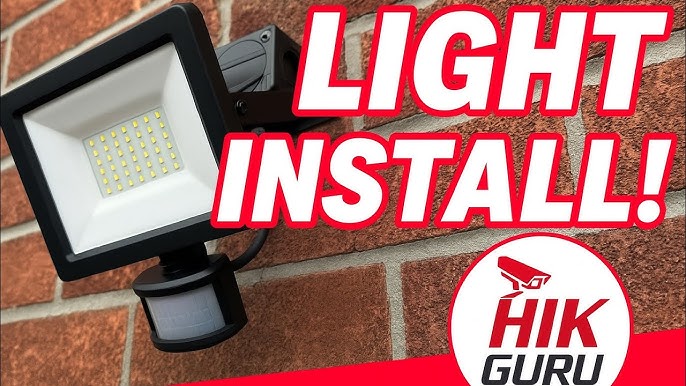
Are you looking to boost your outdoor security and save energy at the same time? Installing a motion sensor light outside your home is a smart and simple way to do both.
Imagine lights that turn on only when you need them, keeping your property safe and bright without wasting electricity. In this guide, you’ll discover easy steps to install your own motion sensor light outdoors, even if you’re not a tech expert.
Keep reading to make your home safer and smarter with just a few tools and a little time.

Credit: www.amazon.com
Choosing The Right Motion Sensor Light
Choosing the right motion sensor light for your outdoor space is key to ensuring security, convenience, and energy savings. The market offers many options, but picking one that fits your specific needs can be tricky. Think about your outdoor environment and how you want the light to respond before making a decision.
Types Of Motion Sensor Lights
Motion sensor lights come in various styles to suit different purposes. Some common types include:
- Floodlights:Provide broad, intense light, perfect for large areas like driveways or backyards.
- Spotlights:Focus on a smaller area, ideal for highlighting entrances or pathways.
- Wall-mounted lights:Attach directly to your home’s exterior walls, combining convenience and security.
- Solar-powered lights:Use solar energy, great for locations without easy access to electrical wiring.
Which type fits your space best? Think about the size of the area and the level of brightness you need.
Factors To Consider For Outdoor Use
Outdoor environments can be harsh, so durability is crucial. Look for lights with a high IP rating, which means they resist water and dust effectively. For example, an IP65 rating ensures the light can handle rain and dust without issues.
Consider the sensor range and angle too. A wider detection area means fewer blind spots but might cause false triggers from passing animals. Adjustability in sensitivity and light duration is helpful to fine-tune your setup.
Also, check the installation options. Some lights need wiring, while others are easier to mount with batteries or solar power.
Energy Efficiency And Features
Energy-saving features can reduce your electricity bills and make your outdoor lighting eco-friendly. LED bulbs are the best choice as they last long and consume minimal power. Pairing them with motion sensors ensures the light only turns on when needed.
Additional features to look for include:
- Dusk-to-dawn sensors:Automatically turn lights on at sunset and off at sunrise.
- Adjustable sensitivity:Helps prevent false alarms triggered by small animals or vehicles.
- Smart controls:Allow you to control lights remotely via apps or voice assistants.
Would you prefer a simple, reliable model, or one packed with smart technology? Your choice affects installation complexity and cost.
Gathering Tools And Materials
Before you start installing your outdoor motion sensor light, gathering the right tools and materials is key. Having everything ready saves time and avoids frustrating trips back to the hardware store. It also helps ensure a smooth, safe installation process.
Essential Tools Needed
To get the job done efficiently, you’ll need a few basic tools. A cordless drill is crucial for making holes in walls or mounting surfaces. Screwdrivers (both flathead and Phillips) will help you fasten screws securely.
Other important tools include a voltage tester to ensure wires aren’t live before you handle them, wire strippers for clean electrical connections, and a ladder if the light is going to be installed high up. Don’t forget a measuring tape to position your light precisely.
Having these tools on hand means you won’t have to improvise, which could lead to mistakes or unsafe setups. What’s the one tool you think you might overlook but is actually necessary?
Safety Gear And Precautions
Safety can’t be an afterthought with electrical work outdoors. Always wear insulated gloves to protect your hands from electric shocks. Safety glasses shield your eyes from debris, especially if drilling into brick or wood.
Consider using a sturdy ladder with a spotter if you’re working at height. Check the weather before starting—wet conditions increase the risk of accidents when working with electricity.
Lastly, double-check the power is turned off at the breaker before you touch any wires. Taking these safety steps seriously reduces risks and lets you focus on the task confidently. Have you ever skipped a safety step and regretted it later?
Preparing The Installation Site
Choose a flat, stable surface with clear visibility for the motion sensor light. Clear away dirt, leaves, or obstacles to ensure proper installation and function.
Preparing the installation site is crucial for a successful setup of outdoor motion sensor lights. Careful planning ensures optimal performance and longevity. Here are some key steps to consider.Selecting The Best Location
Choose a spot with clear visibility and coverage. Place the sensor where it can detect movement effectively. Avoid areas obstructed by trees or structures. Ensure the light reaches the desired zones.Checking Power Supply And Wiring
Verify the availability of a power source nearby. Check existing wiring for compatibility. Use a voltage tester to ensure safety. Plan for additional wiring if needed.Clearing Obstacles And Hazards
Remove any debris or clutter around the installation site. Trim overgrown plants that might block the sensor. Ensure the ground is stable for ladder placement. Safety first is key.
Credit: www.homezoneliving.com
Step-by-step Installation Process
Installing an outdoor motion sensor light improves security and saves energy. The process is simple and can be done with basic tools. Follow these clear steps to set up your light safely and correctly.
Turning Off The Power
Safety first. Locate the circuit breaker for the outdoor lights. Switch it off to cut power. Use a voltage tester to confirm no electricity flows. This step prevents shocks during installation.
Mounting The Sensor Light
Choose a spot with a clear view of the area to monitor. Use a drill to make holes for screws. Attach the mounting bracket firmly to the wall or eave. Make sure it is level and stable for proper sensor function.
Connecting The Wiring
Match the wires from the sensor light to the house wires. Usually, black is live, white is neutral, and green or copper is ground. Twist wire connectors securely over joined wires. Wrap connections with electrical tape for extra safety.
Securing The Fixture
Attach the sensor light to the mounting bracket. Tighten screws to hold the fixture in place. Adjust the sensor angle to cover the desired area. Restore power and test the light by moving in front of the sensor.
Adjusting Sensor Settings
Adjusting the sensor settings is key to making your outdoor motion sensor light work well. Proper settings help the light turn on only when needed. It also saves energy and avoids false alarms. Take time to set the sensor carefully after installation.
Setting Sensitivity And Range
Sensitivity controls how easily the sensor detects movement. Set it too high, and small animals or leaves may trigger the light. Too low, and it might miss people. Adjust the range to cover the area you want. Avoid pointing the sensor toward busy streets or roads.
- Turn the sensitivity dial or use the app if available
- Test different levels by walking in front of the sensor
- Pick a setting that detects people but ignores small movement
- Set the detection distance to fit your yard or driveway
Adjusting Light Duration
Light duration controls how long the light stays on after motion is detected. Set the time based on your needs. Shorter times save power. Longer times keep the area lit while you move around.
- Find the timer dial or setting in the control panel
- Choose between a few seconds to several minutes
- Adjust to match your outdoor use, like walking or working
Testing The Motion Detection
Testing ensures the sensor reacts correctly to movement. Walk through the detection zone. Watch if the light turns on quickly and stays on for the set time.
- Walk at different distances and angles from the sensor
- Observe the light response for each test
- Make small adjustments to sensitivity and duration if needed
- Repeat tests until the sensor works reliably and as expected
Troubleshooting Common Issues
Troubleshooting common issues with outdoor motion sensor lights can save time and effort. These lights may face problems like not turning on, false alarms, or wiring troubles. Fixing these issues often requires simple checks and adjustments.
Light Not Turning On
Check the power source first. Make sure the light is properly connected to electricity. Replace dead batteries if the unit uses them. Clean the sensor lens from dirt or debris. Ensure the light is not in a shaded area. Test the light by covering and uncovering the sensor to trigger it.
False Alarms And Sensitivity Problems
False alarms happen when the sensor detects unwanted movement. Adjust the sensitivity settings on the device. Avoid placing the light near heat sources or busy roads. Remove objects like trees or bushes that may move in the wind. Set the sensor angle to cover only the desired area.
Power And Wiring Concerns
Inspect wires for cuts or damage. Tighten loose connections in the wiring. Use a voltage tester to check power flow. Ensure the switch controlling the light is on. Replace old or faulty wiring parts. Consider consulting a professional electrician if problems persist.
Maintenance Tips For Longevity
Maintaining your outdoor motion sensor light properly ensures it works efficiently for years. Regular upkeep prevents unexpected failures and keeps your space safe and well-lit. These simple maintenance tips will help you get the most out of your investment.
Regular Cleaning And Inspection
Dirt, dust, and spider webs can cover the sensor and light, reducing their effectiveness. Clean the lens gently with a soft cloth and mild soap solution every few months. While cleaning, inspect the light fixture for any cracks or signs of wear that might let moisture in.
Check the sensor’s detection range regularly. Sometimes, bushes or other objects grow and block the sensor’s path. Have you noticed your light turning on late or not at all? That might be a sign it needs a quick adjustment or cleaning.
Replacing Bulbs And Batteries
If your motion sensor light uses replaceable bulbs, don’t wait for them to burn out completely before swapping them. Changing bulbs proactively keeps your outdoor area consistently lit. For LED lights, check for flickering or dimming—those are signals it’s time for a replacement.
Battery-powered motion lights require extra attention. Replace batteries at least once a year or when you notice dimmer light output. Using high-quality batteries can make a noticeable difference in performance and lifespan.
Seasonal Adjustments
Outdoor conditions change with the seasons, and your motion sensor light settings should adapt too. In winter, you might want to increase the sensor’s sensitivity to catch movement in low light. During summer, adjusting the time delay can prevent the light from staying on too long.
Also, inspect the mounting position after storms or heavy winds. Sometimes, the light shifts and no longer covers the desired area effectively. Have you checked if your light angle still catches all the spots you want it to?

Credit: www.youtube.com
Frequently Asked Questions
How Do I Install An Outdoor Motion Sensor Light?
First, turn off the power at the breaker. Mount the sensor light on a sturdy surface. Connect the wires: live to live, neutral to neutral, and ground to ground. Secure the fixture and restore power. Test the sensor to ensure proper operation.
What Tools Are Needed To Install Motion Sensor Lights?
You’ll need a screwdriver, wire stripper, voltage tester, drill, screws, and wall anchors. These tools help safely mount and connect your motion sensor light outdoors. Having all tools ready ensures a smooth and efficient installation process.
Where Should I Place Outdoor Motion Sensor Lights?
Place lights 6 to 10 feet above the ground for optimal coverage. Position them near entrances, pathways, and dark areas. Avoid pointing directly at heat sources or busy roads to prevent false triggers and maximize security.
Can I Install Motion Sensor Lights Myself?
Yes, with basic electrical knowledge and safety precautions, you can install motion sensor lights yourself. Follow the instructions carefully, turn off power, and test the system. When unsure, consult a professional electrician for safety and code compliance.
Conclusion
Installing an outdoor motion sensor light is simple and useful. It helps save energy and improves safety around your home. Choose the right spot where it can detect movement well. Follow the steps carefully for a strong and lasting setup.
Test the light after installation to make sure it works properly. Enjoy brighter, safer outdoor spaces with your new motion sensor light. It’s a small change that makes a big difference.



