
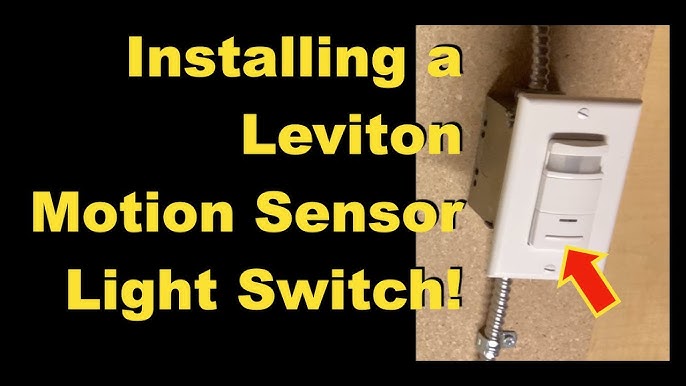
Are you looking to boost your home’s security and save energy at the same time? Installing a motion sensor light is one of the smartest moves you can make.
Imagine stepping outside at night, and your porch lights up automatically, keeping you safe and deterring unwanted visitors. It’s easier to set up than you might think, and you don’t need to be an expert. In this guide, you’ll discover simple, step-by-step instructions to get your motion sensor light installed quickly and correctly.
Keep reading—you’re just a few easy steps away from brighter, safer nights.
Benefits Of Motion Sensor Lights
Motion sensor lights bring many advantages to homes and businesses. They improve safety and cut energy use. These lights also add comfort by turning on and off automatically. Understanding these benefits helps you see why they are a smart choice for lighting.
Enhanced Security
Motion sensor lights scare off unwanted visitors. They turn on when movement is detected. This sudden light can stop burglars and vandals. It also alerts homeowners to activity outside. Dark areas become safer with these lights. They help protect your property day and night.
Energy Efficiency
These lights save electricity by lighting only when needed. They do not stay on all night. This reduces your electric bill. Motion sensor lights use less power than traditional lights. They are a smart way to cut energy waste. Efficient lighting helps the environment too.
Convenience And Automation
Motion sensor lights turn on automatically. No need to find a switch in the dark. They provide hands-free lighting at entrances and walkways. This makes coming home easier and safer. The lights turn off when no motion is detected. This means less hassle and more comfort.
Types Of Motion Sensor Lights
Motion sensor lights come in various types. Choosing the right type helps in meeting your lighting needs. Each type has unique features and uses. Understanding these differences makes installation easier and more effective.
Indoor Vs Outdoor Models
Indoor motion sensor lights suit hallways, closets, and rooms. They offer soft lighting and detect small movements. Outdoor models are built to handle weather and rough conditions. They provide bright, wide-range detection for security and safety.
Battery-powered Vs Wired
Battery-powered lights offer easy installation without wiring. They work well in places without electrical access. Wired lights connect to your home’s electrical system. They provide consistent power and don’t need battery changes.
Led Vs Halogen Lights
LED motion sensor lights use less energy and last longer. They produce bright, clear light with low heat. Halogen lights give warm, intense light but consume more power. They are good for areas needing strong illumination.
Tools And Materials Needed
Installing a motion sensor light can enhance home security and convenience. Before starting, gather the necessary tools and materials. Having everything ready ensures a smooth installation process.
Essential Tools
To install a motion sensor light, some basic tools are needed. Ensure you have a screwdriver, wire stripper, and voltage tester. A drill with bits might be useful for mounting. These tools help complete the job efficiently.
Safety Gear
Safety is crucial during any electrical project. Wear insulated gloves to protect your hands. Safety goggles shield your eyes from debris. A sturdy ladder provides safe access to high areas. With the right gear, you can work safely and confidently.
Choosing The Right Light
Selecting the right motion sensor light is important. Consider the area where you will install it. Check the light’s range and sensitivity options. Make sure it fits your home’s exterior style. Choosing the right light ensures functionality and aesthetic appeal.

Credit: www.youtube.com
Choosing The Installation Location
Choosing the right spot for your motion sensor light is key to getting the most out of it. The location affects how well the sensor detects movement and how useful the light will be for your needs. Think about where you want the light to work best and what areas you want to keep safe and visible.
High Traffic Areas
Place your motion sensor light where people pass frequently, such as near entryways, driveways, or walkways. These spots ensure the light turns on exactly when you need it, improving safety and convenience.
Have you noticed how a well-lit front door changes your experience when coming home at night? That’s the power of choosing a high traffic area. It makes your home more welcoming and secure.
Avoiding False Triggers
False triggers can drain your light’s battery or cause annoyance. Avoid placing the sensor near branches, bushes, or busy streets where movement might be constant but irrelevant.
Think about your own experience: have you ever been frustrated by a light turning on repeatedly with no real reason? Positioning the sensor away from sources of random motion helps prevent this problem.
Optimal Height And Angle
Mount the sensor at a height between 6 to 10 feet for the best detection range. Angling it slightly downward helps catch the movement of people rather than pets or passing cars.
Try adjusting the angle to cover the most important areas while minimizing blind spots. This small change can make your motion sensor light far more reliable and effective.
Step-by-step Installation Guide
Installing a motion sensor light can seem tricky, but breaking it down into simple actions makes the process manageable and even enjoyable. Each part of the installation focuses on safety and accuracy to ensure your light works perfectly every time. Let’s walk through the essential steps that will get your motion sensor light up and running smoothly.
Turning Off Power
Before you touch any wiring, make sure to switch off the power at your circuit breaker. This step protects you from electrical shocks and avoids damage to your new light. Double-check by flipping the light switch—if the light doesn’t turn on, you’re safe to proceed.
Mounting The Sensor
Choose a spot with a clear view of the area you want to monitor. The sensor should be mounted at a height that covers the expected motion path without obstructions. Use the included screws and brackets to fix the sensor firmly in place, ensuring it won’t shift during use.
Wiring Connections
Connect the wires carefully by matching colors: typically, black to black (live), white to white (neutral), and green or copper to ground. Use wire nuts to secure the connections and wrap them with electrical tape for extra safety. If your motion sensor has specific instructions, follow those closely to avoid common mistakes.
Testing The Light
Turn the power back on and walk within the sensor’s range to check if the light activates. Adjust the sensitivity or timer settings as needed to match your preferences. If the light doesn’t respond, recheck your wiring and sensor positioning—sometimes a small tweak makes all the difference.

Credit: www.weilailifetech.com
Adjusting Sensor Settings
Adjusting the sensor settings on your motion sensor light is crucial to ensure it works exactly how you want. Fine-tuning these settings helps avoid false triggers and ensures the light activates only when necessary. Let’s look at key settings you can control to optimize performance.
Sensitivity Control
Sensitivity determines how easily the sensor detects movement. If it’s too high, the light might turn on from small animals or passing cars. Too low, and you might miss important motion.
Try adjusting the sensitivity gradually. Start with a medium setting and observe how often the light activates. If you notice frequent unwanted triggers, lower the sensitivity. If it rarely turns on, increase it slightly until you find the sweet spot.
Light Duration
This setting controls how long the light stays on after detecting motion. You can set it anywhere from a few seconds to several minutes.
Think about your needs—do you want the light to stay on long enough for you to walk through your yard comfortably? Or just a quick flash to scare off intruders? Adjust the duration accordingly. I once set mine for 30 seconds, but it felt too short when carrying groceries, so I increased it to 2 minutes for convenience.
Detection Range
Detection range specifies how far the sensor can “see” movement. Setting it too far might trigger the light from distant traffic or neighbors. Too short, and it might not catch someone approaching your door.
Check the sensor’s manual for maximum range, then test it in your space. You want the sensor to activate only when someone is near enough to matter. Adjust the angle as well—sometimes a slight tilt can reduce false alarms without changing the range.
Common Installation Mistakes
Installing a motion sensor light seems easy but can be tricky. Many make simple mistakes that cause problems later. Avoid these common errors for a smooth setup and better performance.
Improper Placement
Placing the sensor in the wrong spot limits its effectiveness. Avoid pointing it at busy roads or moving trees. These cause false triggers and waste energy. Install it where it covers the main area you want lit. Keep it away from direct sunlight and heat sources to prevent malfunctions.
Wiring Errors
Incorrect wiring can stop the light from working or create safety risks. Double-check connections before powering on. Use the right tools and follow the wiring diagram in the manual. Secure wires properly to avoid loose contacts and shorts. Turn off the main power before starting any wiring work.
Ignoring Power Source
Not confirming the power source can damage the sensor or light. Check if the light matches your home’s voltage and current. Some sensors need a specific type of power supply. Using the wrong one leads to failure or hazards. Ensure the power source is stable and protected from moisture.
Maintenance Tips
Proper maintenance keeps your motion sensor light working well and lasting longer. Simple steps help avoid common problems and ensure reliable performance. Regular care prevents dirt buildup and sensor errors.
Regular Cleaning
Clean the light and sensor surface often. Use a soft cloth and mild soap. Avoid harsh chemicals that can damage the lens. Dust and dirt block the sensor’s view and reduce sensitivity. Keep the area around the light free from spider webs and debris.
Battery Replacement
Replace batteries before they run out. Weak batteries cause flickering or dim light. Check the battery type recommended by the manufacturer. Keep spare batteries handy to avoid downtime. Remove batteries if the light will not be used for months.
Periodic Testing
Test the motion sensor light regularly. Walk past the sensor to check if the light turns on. Adjust the sensor angle or sensitivity if needed. Testing helps catch issues early and maintains security. Set a reminder to test every few months for best results.

Credit: www.hardwareresources.com
Frequently Asked Questions
How Do I Install A Motion Sensor Light Step-by-step?
Start by turning off the power at the breaker. Mount the sensor light bracket. Connect the wiring: black to black, white to white, and ground wire. Secure the fixture, then turn power back on and test the sensor’s motion detection.
What Tools Are Needed For Motion Sensor Light Installation?
You will need a screwdriver, wire strippers, a drill, electrical tape, and a voltage tester. These tools ensure safe and secure mounting and wiring of the motion sensor light.
How High Should I Install A Motion Sensor Light?
Install the sensor light 6 to 10 feet above the ground. This height optimizes motion detection range and coverage for most outdoor areas.
Can I Install A Motion Sensor Light Myself Safely?
Yes, if you follow safety steps like turning off power and using proper tools. Basic electrical knowledge helps, but for complex setups, consider hiring a professional.
Conclusion
Installing a motion sensor light is simple and useful. It helps save energy and keeps your space safe. Follow the steps carefully for best results. Test the light to make sure it works well. Adjust the sensor to cover the right area.
Enjoy the convenience and security it brings. A small change can make a big difference at home. Keep your outdoor areas bright and secure all night.



