
Are you tired of your rugs sliding around every time you walk across your tile floors? It’s not just annoying—it can also be dangerous.
You want your rugs to stay put, adding comfort and style without causing slips or falls. Luckily, keeping your rugs firmly in place is easier than you think. You’ll discover simple, effective ways to stop your rugs from slipping, so you can enjoy a safer, more comfortable home.
Keep reading to find the best solutions that work for you and your space.
Causes Of Rug Slipping
Understanding why rugs slip on tile floors helps you choose the best solution to keep them in place. Several factors contribute to this common issue, and recognizing them can save you from constant readjustments or potential falls. Let’s look closely at the main causes behind rug slipping.
Smooth Tile Surfaces
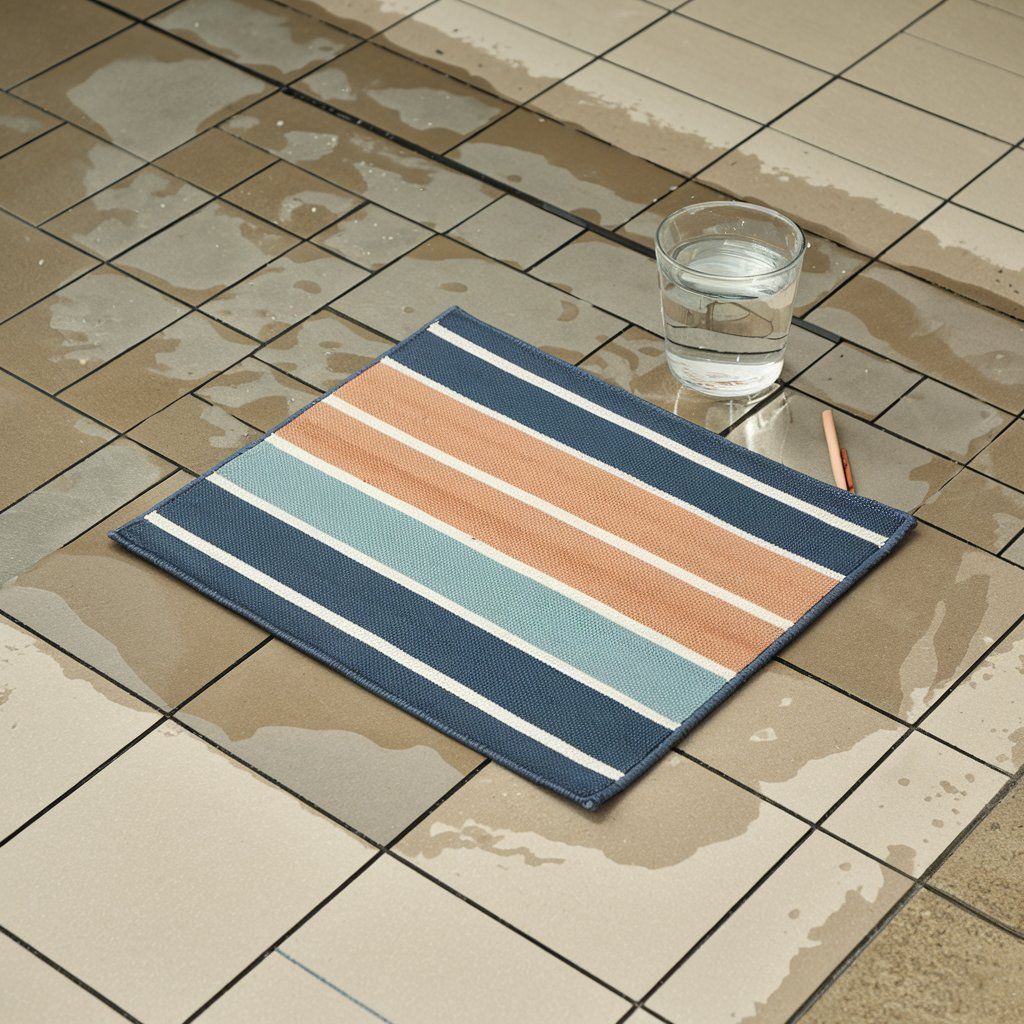
Tile floors often have a smooth, glossy finish that offers very little grip for rugs. This slick surface makes it easy for rugs to slide, especially if the tile is polished or sealed. Have you noticed how a rug shifts more on your kitchen floor compared to carpeted areas? That’s the tile’s smoothness working against you.
Lack Of Rug Backing
Rugs without a proper backing material tend to slip more. Many rugs are made with flat or thin undersides that don’t create enough friction with the floor. If your rug feels flimsy or slides when you step on it, it probably lacks a non-slip backing or grip-enhancing feature.
Heavy Foot Traffic
High foot traffic areas cause rugs to shift frequently. The constant walking, running, or even pets moving over the rug can push it out of place. Think about your hallway or entryway rug—does it move more there than in less busy rooms? That’s the impact of heavy use causing slipping.
Credit: floorcoveringslocal.co.uk
Choosing The Right Rug Pad
Choosing the right rug pad is key to keeping your rugs firmly in place on tile floors. The right pad not only stops slipping but also protects your floor and extends the life of your rug. Let’s look at some options that work best and what you should consider before making a choice.
Non-slip Pads
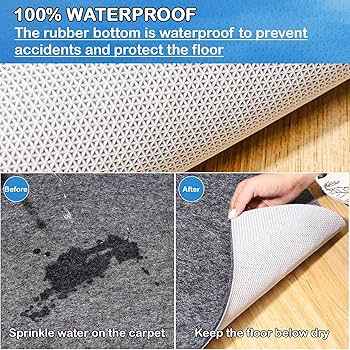
Non-slip pads are made from materials like rubber or latex that grip both the tile and the rug. They create friction that prevents the rug from sliding around, even in high-traffic areas. If you’ve ever tripped over a sliding rug, you know how important this grip can be.
Look for pads labeled as non-slip or anti-skid. Some come with a mesh design that allows air to flow, preventing moisture buildup under the rug. This also helps avoid damage to your tile and keeps the rug fresh.
Cork And Rubber Options
Cork and rubber pads each have unique benefits. Cork pads provide a firm, natural barrier that’s gentle on tiles and reduces noise. Rubber pads, on the other hand, offer stronger grip and cushioning, making them ideal for rugs in busy rooms.
Choosing between cork and rubber depends on your priorities. If you want eco-friendly materials, cork is a great pick. For maximum slip resistance, rubber is usually the better choice.
Size And Thickness Matters
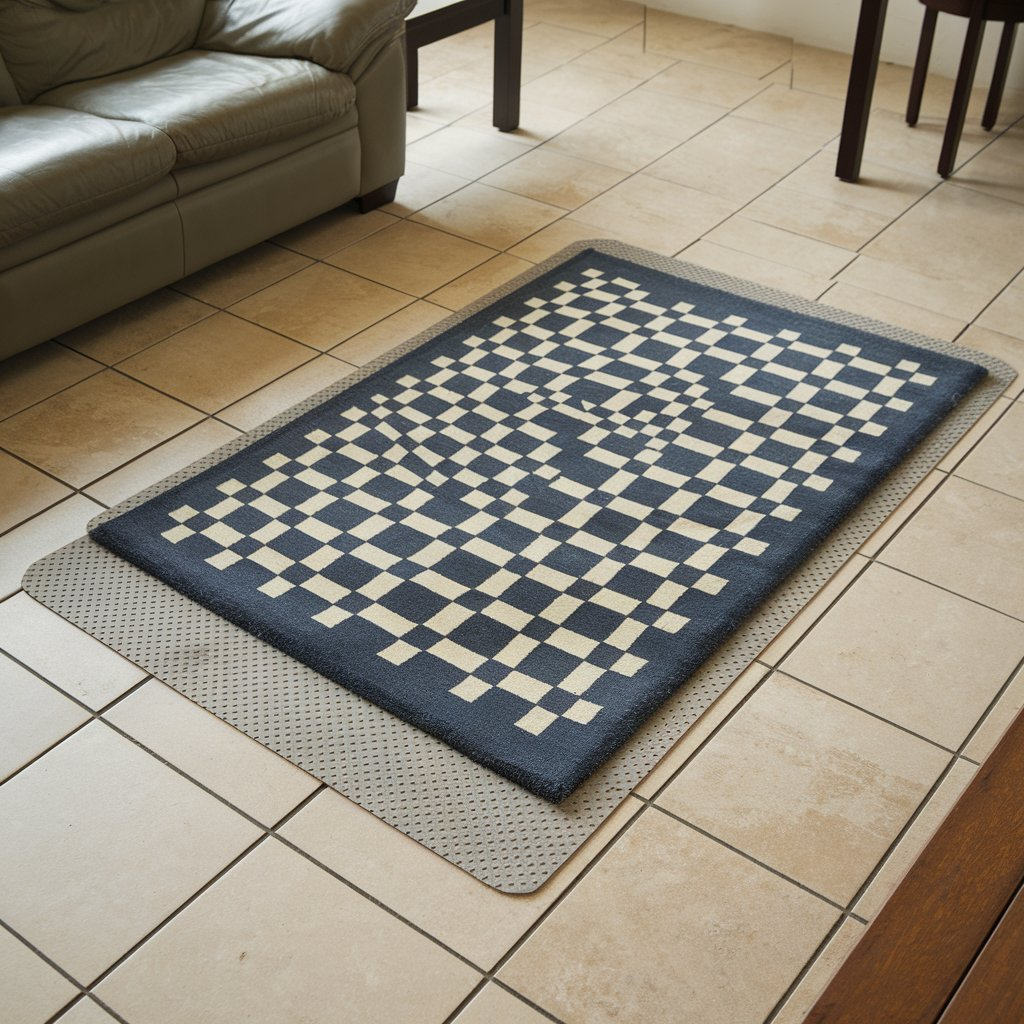
Getting the right size and thickness for your rug pad is just as important as choosing the material. The pad should be slightly smaller than your rug’s dimensions to avoid edges curling up. This prevents tripping hazards and keeps the rug flat.
Thickness affects comfort and durability. Thicker pads offer more cushioning but may cause the rug to feel uneven if your tile floor is not perfectly flat. Thin pads grip well but might wear out faster under heavy use.
Ask yourself: Do you prioritize comfort or firmness? Finding the balance will help you pick the perfect rug pad for your tile floors.
Alternative Gripping Solutions
If your rugs keep sliding on tile floors, don’t worry—there are simple and effective alternatives to traditional rug pads. These gripping solutions can keep your rug firmly in place without damaging your tiles or leaving sticky residues.
Double-sided Tape
Double-sided tape is an easy fix that you can find at any hardware store. Apply strips along the edges and center of your rug’s underside to create a strong hold against the tile floor.
Make sure to choose tape specifically designed for carpets or rugs to avoid residue. Have you ever noticed how a well-placed strip stops the annoying slip immediately?
Silicone Caulk Strips
Cut small strips of silicone caulk and stick them to the back of your rug. Silicone grips the tile surface gently but effectively, preventing movement without harming your floor.
This method is budget-friendly and customizable—you decide how many strips to add depending on the rug size. Ever tried this? It’s a neat trick that worked wonders for my living room rug.
Velcro Strips
Velcro strips offer a reusable and adjustable solution. Attach one side to your tile floor and the other to the rug’s underside.
This option lets you remove and reposition your rug easily, perfect if you like changing room layouts. How often do you rearrange your space? Velcro could make it hassle-free.
Proper Rug Placement Techniques
Using a rug pad or non-slip mat under your rug keeps it steady on tile floors. Placing heavy furniture on the rug corners also helps prevent slipping. Ensuring the rug lies flat without wrinkles improves safety and appearance.
Proper rug placement techniques play a crucial role in preventing your rugs from slipping on tile floors. Positioning your rugs correctly can enhance both the safety and aesthetic appeal of your space. Let’s dive into some practical tips to ensure your rugs stay put.Flat And Even Positioning
Ensure your rug lies flat on the floor with no bunched-up areas. Uneven placement can lead to tripping hazards and reduce the effectiveness of any non-slip backing. Regularly check that your rug remains flat, especially after vacuuming or cleaning.Avoiding Overlapping Rugs
Layering rugs can be stylish, but overlapping them on tile can create slip zones. Each rug should have its own space without edges crossing over. This method prevents edges from curling up and reduces the risk of slipping.Regular Adjustment
Rugs tend to shift over time, especially in high-traffic areas. Make it a habit to adjust them regularly. A quick weekly check can save you from sudden slips and maintain the neat appearance of your home. Investing time in these simple placement techniques can make a world of difference. Have you ever noticed how a small adjustment can change the whole vibe of your room? Keep your rugs in check and enjoy a safer, more beautiful home environment.Maintenance Tips To Prevent Slipping
Maintenance plays a key role in keeping rugs steady on tile floors. Regular care helps the rug pad stay effective. It also ensures the floor surface stays clean and smooth. Simple steps can greatly reduce slipping risks. Below are some useful tips for ongoing maintenance.
Cleaning Rug Pads
Dirt and dust on rug pads reduce their grip. Remove the pad and shake off loose debris. Use a vacuum cleaner on both sides of the pad. For deeper cleaning, wash it with mild soap and water. Let it dry completely before placing it back on the floor. Clean pads stick better and last longer.
Replacing Worn Pads
Old pads lose their grip and become slippery. Check the pad regularly for signs of wear or damage. Look for tears, thinning, or loss of texture. Replace the pad as soon as it shows wear. New pads provide better traction and protect your tile floor.
Keeping Floors Clean
Dust and spills make tile floors slippery under rugs. Sweep or vacuum the floor before placing the rug. Wipe away any spills or stains with a damp cloth. Avoid using oily or waxy cleaning products on tiles. A clean floor helps the rug pad grip tightly and prevents movement.
Credit: floorcoveringslocal.co.uk

Credit: www.amazon.com
Frequently Asked Questions
How Can I Prevent Rugs From Slipping On Tile Floors?
Use a non-slip rug pad beneath the rug to keep it stable. Clean the tile floor before placing the rug. This creates friction and reduces movement. Alternatively, use double-sided carpet tape for extra grip on smooth tiles.
What Materials Work Best For Non-slip Rug Pads?
Choose rubber or latex-based rug pads for effective grip on tile floors. These materials provide strong traction and prevent slipping. Avoid felt pads as they don’t offer enough grip on smooth surfaces like tile.
Can Double-sided Tape Secure Rugs On Tile Floors?
Yes, double-sided carpet tape firmly holds rugs in place on tile floors. It creates a strong bond between the rug and the tile surface. Ensure the tile is clean and dry before application for best results.
Are There Diy Methods To Stop Rug Slipping?
Yes, placing silicone caulk dots or hot glue on the rug’s underside works. Let it dry completely before placing the rug on tile. These create a textured surface that grips the floor and prevents slipping.
Conclusion
Keeping rugs from slipping on tile floors is easier than you think. Use rug pads or double-sided tape for better grip. Place furniture on the edges to hold rugs in place. Clean the floor and rug bottom to stop sliding.
Small steps make your home safer and look neat. Enjoy your space without worrying about slips or falls. Simple actions bring big comfort and peace of mind.



