
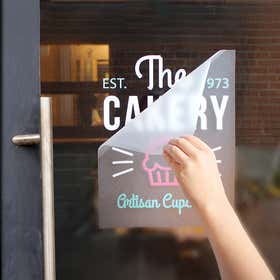
You’ve found the perfect vinyl sticker to brighten up your wall, but now comes the tricky part—making sure it stays put. Nothing’s more frustrating than peeling edges or stickers that just won’t stick right.
What if you could keep your walls looking fresh and vibrant for weeks, even months? You’ll discover simple, effective tips to make your vinyl stickers stay firmly in place. Ready to transform your space without the hassle of constant touch-ups?
Let’s dive in and keep your walls looking flawless.
Prepare The Wall Surface
Preparing the wall surface is crucial for vinyl stickers to stick well and last long. A smooth, clean wall helps the adhesive bond properly. This step reduces peeling and bubbling issues.
Clean The Area Thoroughly
Remove dust, dirt, and grease from the wall. Use a mild soap and water solution or rubbing alcohol. Wipe the surface with a clean cloth and let it dry completely. Avoid using oily or waxy cleaners.
Choose The Right Wall Material
Vinyl stickers stick best on smooth, non-porous surfaces. Painted walls, glass, metal, and plastic work well. Ensure the paint is fully dry and cured before applying stickers. Fresh paint may cause poor adhesion.
Avoid Textured Or Porous Surfaces
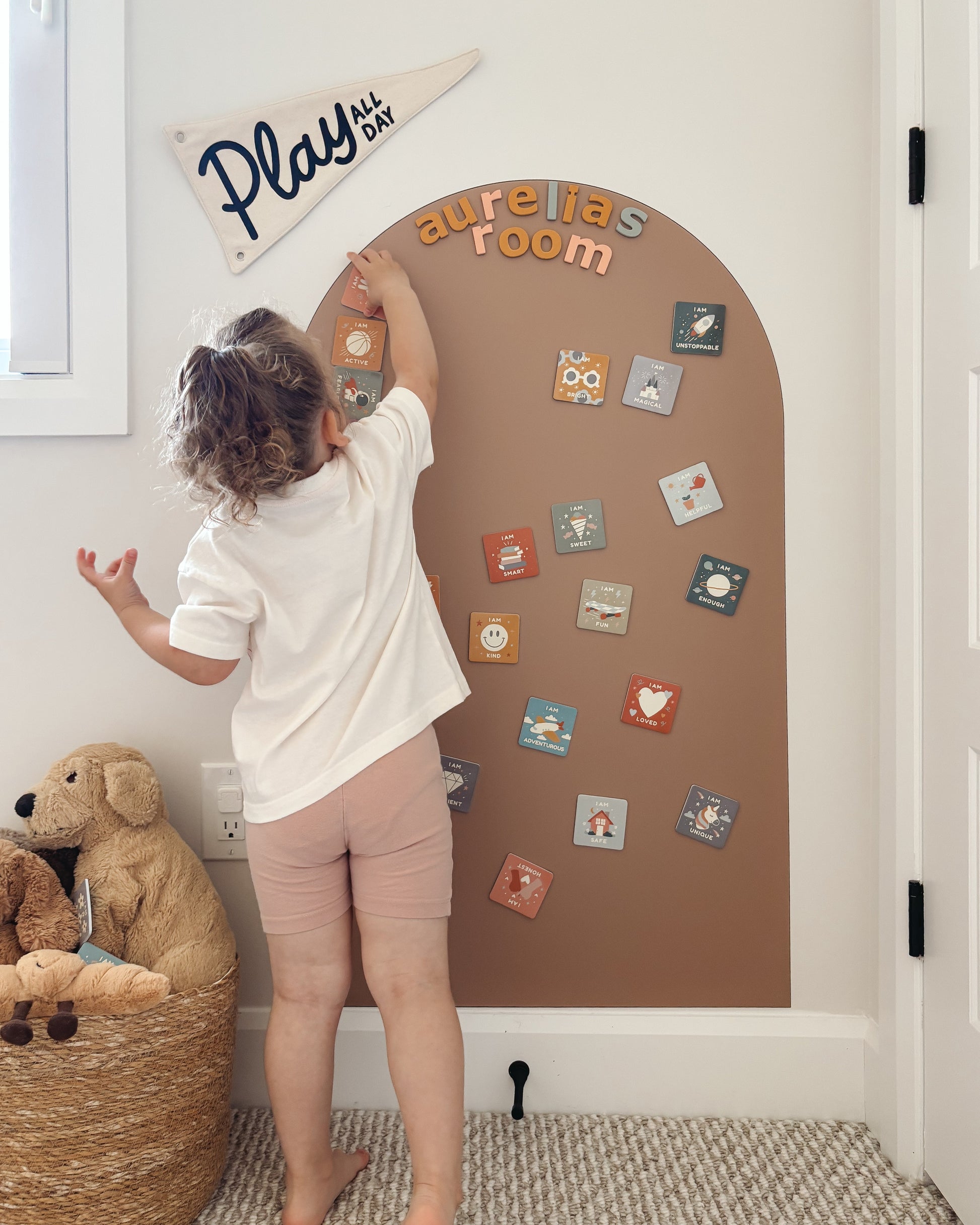
Walls with heavy texture or rough surfaces reduce sticker adhesion. Porous walls like brick, concrete, or unpainted wood absorb adhesive. This causes stickers to peel off quickly. Pick smooth, flat walls for best results.
Credit: shopcherrypick.com
Select Quality Vinyl Stickers
Choosing high-quality vinyl stickers is key to making sure they stick well and last long on your walls. Not all vinyl stickers are created equal, and the right choice can save you from frustration and frequent replacements. Before you stick anything, take a moment to understand what makes a vinyl sticker good for your specific wall surface.
Check Adhesive Type
The adhesive backing on a vinyl sticker determines how well it will hold to your wall. Some adhesives are designed for temporary use and peel off easily, while others are made for a strong, long-lasting bond. Look for stickers labeled with terms like “permanent adhesive” or “strong bond” if you want them to stay put.
Think about your wall’s texture too. Smooth surfaces work well with most adhesives, but rough or porous walls might need a stronger or specialized adhesive. Have you noticed how some stickers fall off quickly in humid rooms? That often comes down to adhesive quality and type.
Opt For Durable Materials
Durability is more than just the adhesive; the vinyl material itself affects how long the sticker lasts. Thicker vinyl tends to resist tearing and curling better than thin, flimsy options. Look for vinyl stickers that mention weather resistance or waterproof qualities, especially if your wall is exposed to moisture.
Choosing durable materials means your sticker won’t fade or crack easily, keeping your design fresh and vibrant. I once used cheap vinyl stickers for a kitchen wall and ended up replacing them within months because they started peeling and fading. Investing in quality vinyl saved me from that hassle.
Apply Stickers Correctly
Clean the wall surface thoroughly to remove dust and grease before applying vinyl stickers. Press the sticker firmly from the center outward to avoid bubbles and ensure strong adhesion. Allow the wall to dry completely for the best results.
Applying vinyl stickers correctly ensures they stay on the wall longer. It’s essential to follow a few key steps for the best results. Proper application not only enhances the sticker’s appearance but also prevents peeling or bubbles. Read on to discover the steps to apply vinyl stickers effectively.Position Before Sticking
Find the right spot for your sticker. Hold it up against the wall to check. Use a pencil to mark the corners lightly. This helps keep it straight. Make sure the wall is clean and dry. This ensures better adhesion.Use Proper Pressure
Press the sticker gently against the wall. Use a squeegee or credit card for even pressure. Start from the center and move outward. This helps the sticker stick well. Avoid pressing too hard to prevent damage.Smooth Out Air Bubbles
Look for any bubbles under the sticker. Use a pin to gently pop them. Press the area with your fingers. Smooth it out to ensure a flat finish. This keeps the sticker looking neat and professional.
Credit: commomy.com
Maintain Sticker Adhesion
Maintaining the adhesion of vinyl stickers on your walls takes a bit more than just a good initial stick. The environment around your sticker plays a huge role in how long it will last. Small changes you make to control moisture, temperature, and light can keep your sticker looking fresh and firmly attached for months or even years.
Avoid Moisture And Humidity
Vinyl stickers don’t like damp conditions. Moisture can weaken the adhesive, causing the edges to peel or the sticker to bubble. If your sticker is in a bathroom or kitchen, try to keep it away from direct splashes and steam. Using a dehumidifier or running an exhaust fan can help reduce humidity in these areas.
Have you noticed your sticker starting to lift after a rainy season? That’s moisture at work. Wiping the wall and sticker gently with a dry cloth regularly can prevent moisture buildup and keep the sticker glued tight.
Control Room Temperature
Extreme temperatures, both hot and cold, can affect vinyl sticker adhesion. Heat softens the adhesive, which may cause the sticker to shift or curl. On the other hand, very cold temperatures can make the adhesive brittle and less sticky. Aim to keep your room temperature steady, ideally between 65°F and 75°F (18°C to 24°C).
If you’ve placed stickers near a heater or an air conditioner vent, consider moving them. A stable temperature environment extends the life of your stickers without the need for constant reapplication.
Limit Direct Sunlight Exposure
Sunlight may seem harmless, but UV rays can break down the adhesive and fade the vinyl colors. Stickers placed on walls that get strong afternoon sun can start peeling or discoloring faster. If you can’t move the sticker, try adding sheer curtains or blinds to reduce direct sunlight.
Ask yourself, is the spot where you want to place your sticker bathed in sunlight most of the day? Choosing a shadier wall or using UV protective sprays can make a noticeable difference in how long your vinyl sticker stays put and vibrant.
Remove And Reapply Tips
Removing and reapplying vinyl stickers on walls can extend their life and keep your space looking fresh. Careful handling helps avoid damage to both the sticker and the wall surface. Follow these tips to manage your vinyl decals safely and effectively.
Gentle Removal Techniques
Start by loosening the edges of the sticker slowly. Use a plastic card or your fingernail to lift the corners gently. Avoid sharp tools that might tear the vinyl or scratch the wall. Pull the sticker back at a low angle to reduce stress on the adhesive. If the vinyl resists, warm it slightly with a hairdryer to soften the glue. Move the heat source evenly and do not overheat the wall.
Clean Residue Properly
After removing the sticker, some adhesive might remain on the wall. Use a soft cloth dampened with warm, soapy water to wipe the area. For tougher residue, try rubbing alcohol or a mild adhesive remover. Test any cleaner on a small, hidden spot first to avoid wall damage. Dry the surface completely before reapplying the sticker. A clean, dry wall helps the adhesive stick better.
Reuse With Care
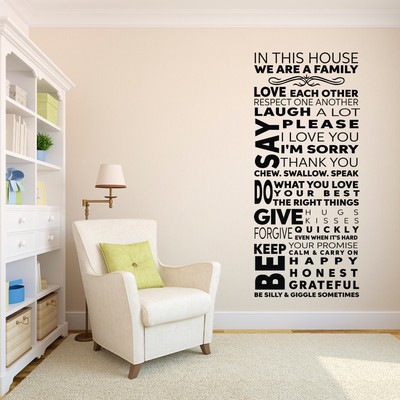
Check the sticker’s back for damage before reapplying. Keep the adhesive side clean by avoiding dust or dirt contact. Press the sticker firmly but gently onto the wall, starting from one edge to prevent bubbles. Use a soft cloth to smooth out air pockets. Avoid repositioning the sticker multiple times to keep the adhesive strong. Store unused stickers flat and away from heat or direct sunlight.
Credit: www.ebay.ca
Frequently Asked Questions
How Do I Prepare The Wall For Vinyl Stickers?
Clean the wall thoroughly using mild soap and water. Ensure the surface is dry and free from dust or grease. Smooth, non-porous walls work best for vinyl stickers to adhere properly and last longer.
What Surface Types Work Best For Vinyl Stickers?
Vinyl stickers stick best on smooth, clean, and dry surfaces like painted walls, glass, or metal. Avoid textured or porous surfaces such as brick, wallpaper, or rough plaster for better durability.
How Can I Prevent Vinyl Stickers From Peeling?
Apply stickers on a clean, dry surface and press firmly to remove air bubbles. Avoid placing stickers in humid or high-traffic areas to reduce peeling risks.
Can Temperature Affect Vinyl Sticker Adhesion?
Yes, extreme temperatures can weaken vinyl sticker adhesion. Apply stickers in moderate temperatures, ideally between 50°F and 85°F, to ensure strong and lasting bond.
Conclusion
Keeping vinyl stickers on your wall takes some care and patience. Clean the surface well before sticking. Avoid touching the sticky side too much. Press the sticker firmly to remove air bubbles. Keep the wall dry and avoid direct sunlight.
These small steps help your stickers last longer. Enjoy your decorated space without worry. Simple habits make a big difference in sticker life. Try these tips and see the change yourself.



