
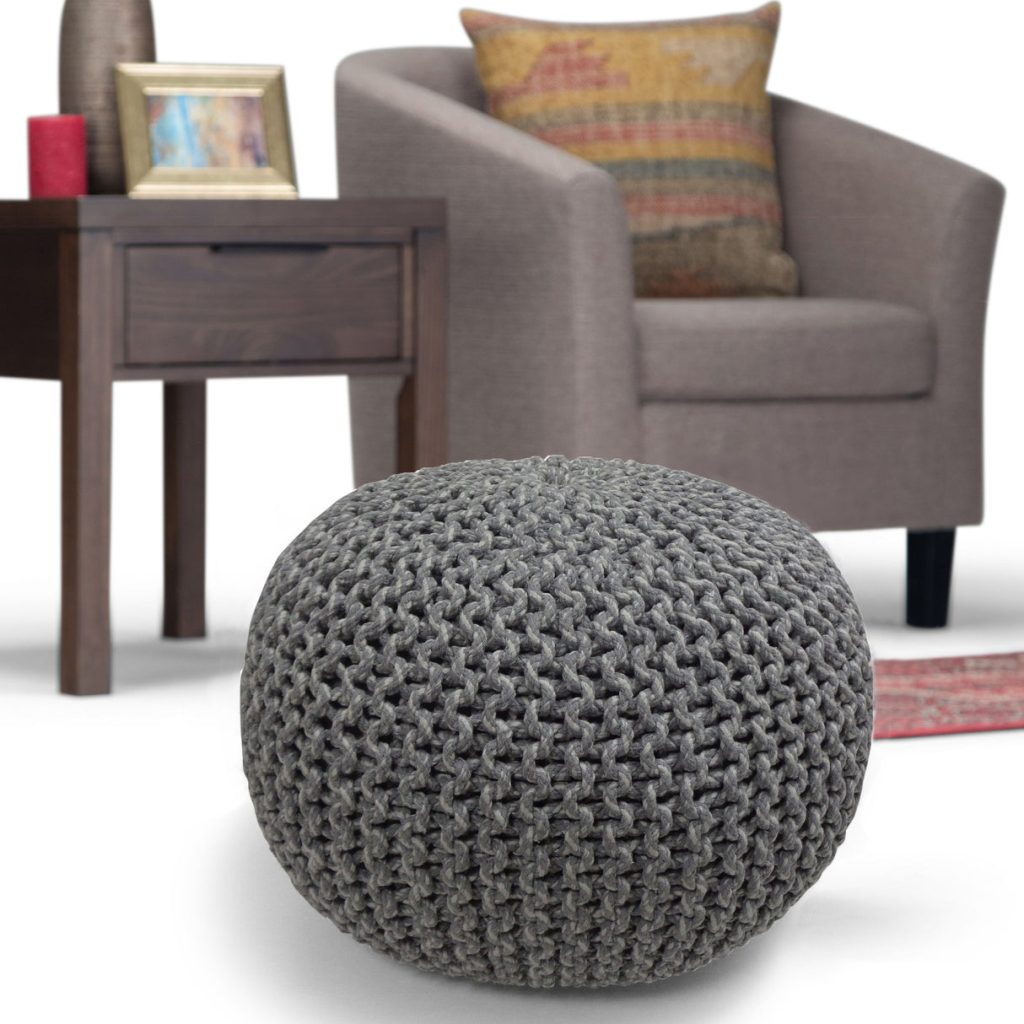
Have you ever wanted to create a cozy, stylish pouf that adds a personal touch to your living space? Knitting a pouf in the round is easier than you think, even if you’re new to knitting.
Imagine sinking your feet into a soft, handmade pouf that you crafted yourself—sounds rewarding, right? In this guide, you’ll discover simple steps to knit your own pouf quickly and confidently. Ready to transform yarn into comfort and charm? Keep reading, and let’s get those needles clicking!

Credit: www.amazon.com
Materials Needed
Gathering the right materials is the first step to knitting a pouf in the round successfully. The choices you make here affect not only the look but also the feel and durability of your finished pouf. Let’s break down what you need to get started.
Choosing The Yarn
Your yarn choice sets the tone for your pouf. Thick, chunky yarn works best because it knits up quickly and creates a sturdy structure. Think about using bulky or super bulky yarn made from wool or a wool blend for added strength and softness.
Consider the color and texture as well—do you want a smooth finish or something with a bit of fuzz? Remember, your yarn should be able to handle some wear and tear since a pouf often doubles as extra seating.
Selecting The Needles
Circular needles are your best friend when knitting in the round. They allow you to knit large diameters without struggling with long straight needles. Choose needles that match your yarn weight, usually size 10 mm or larger for bulky yarn.
Using needles with a smooth finish can speed up your knitting and reduce hand fatigue. Have you tried interchangeable circular needles? They let you adjust the length, which can come in handy for different parts of your pouf.
Additional Supplies
Besides yarn and needles, a few extra tools make the process smoother. Stitch markers help you keep track of your rounds, especially when increasing or decreasing stitches. A tapestry needle is essential for weaving in yarn ends and sewing up any openings.
Don’t forget a stuffing material like polyester fiberfill or recycled fabric scraps to fill your pouf. Choosing the right stuffing affects how firm or soft your pouf feels. Have you thought about adding a zipper or removable cover for easy washing?
Credit: www.target.com
Preparing To Knit
Preparing to knit a pouf in the round requires careful attention to detail. This stage sets the foundation for your project. Taking time now helps avoid mistakes later. Focus on accurate measurements and a proper cast on.
Measuring And Sizing
Start by deciding the size of your pouf. Measure the diameter you want for the top and bottom. Consider the height for a comfortable seat or footrest.
Use a tape measure to check your yarn and gauge. Knit a small swatch in the round with your chosen yarn and needles. Count how many stitches fit in one inch. This gauge helps calculate the number of stitches needed.
Write down your measurements clearly. This record keeps you on track as you knit.
Casting On Stitches
Choose the right cast on method for circular knitting. The long-tail cast on is popular for its stretch and neat edge.
Cast on the number of stitches calculated from your gauge. Join the stitches carefully to avoid twisting the round. Use stitch markers to mark the beginning of the round.
Check your work to make sure the stitches lie flat and even. This step prevents puckering and uneven knitting.
Knitting The Base
Begin by casting on stitches evenly to form a circle. Knit in the round, increasing stitches gradually to create a flat base. Keep tension consistent for a smooth, sturdy foundation.
Knitting the base of your pouf sets the foundation. It’s the crucial first step in crafting a cozy and stylish piece. Starting with the base ensures stability and shape. You’ll work in the round, creating a seamless finish. This method is efficient and gives a professional look.Creating A Circular Shape
Begin by casting on your stitches. Use a circular needle for this. The number of stitches depends on your desired pouf size. Start with fewer stitches and gradually increase. This creates a smooth, even circle. Make sure your stitches are tight and uniform. Use markers to track your rounds. They help in maintaining the circular shape.Maintaining Stitch Consistency
Keep your tension consistent throughout. Loose stitches can distort the shape. Regularly check your work for uniformity. Adjust your tension if needed. Practice makes perfect, so be patient. Use the same yarn thickness for all stitches. This ensures even texture and appearance. Aim for a smooth, polished finish in your base knitting.Building The Sides
Building the sides of your knitted pouf shapes its height and firmness. This stage requires careful stitch management to keep the piece even and sturdy. Paying attention to how you increase stitches and knit in the round ensures smooth, consistent sides. Follow these tips to create neat, strong walls for your pouf.
Increasing Stitches Evenly
Increasing stitches helps the pouf widen without gaps or bumps. Space increases evenly around each round for a balanced shape. Use these simple ways to increase:
- Place increases at equal intervals.
- Use yarn overs or knit front and back (kfb) techniques.
- Count stitches after each increase round.
- Adjust increase frequency as the pouf grows wider.
Even increases keep the sides smooth and round. Avoid bunching by spreading increases across the stitches.
Knitting In The Round
Knitting in the round means working in a continuous circle. This avoids seams and creates a clean look on the pouf’s sides.
- Use circular or double-pointed needles.
- Join stitches carefully to prevent twisting.
- Place a stitch marker at the start of each round.
- Knit every stitch if using stockinette stitch.
- Keep consistent tension for an even fabric.
This technique builds smooth, seamless sides perfect for a cozy pouf. It saves time and gives a professional finish.
Shaping The Top
Shaping the top of your knitted pouf is where your project starts to take form and look professional. This part requires careful attention to stitch decreases and a neat closure to ensure the pouf maintains its structure and looks smooth. If you skip or rush this step, you might end up with a lumpy or uneven top that distracts from the overall design.
Decreasing Stitches
To shape the top, you need to gradually reduce the number of stitches in each round. This process pulls the fabric inward, creating a rounded, dome-like shape.
Try to space your decreases evenly to avoid any puckering or uneven tension. For example, if you have 60 stitches, you might decrease every 10 stitches in the first round of decreases.
Pay attention to how the pouf feels as you knit. If it feels too tight or too loose, adjust your decrease frequency to keep the shape smooth and consistent. Have you noticed how small changes in stitch tension can completely alter your project’s appearance?
Finishing The Closure
Once you reach a small number of stitches, it’s time to close the top securely. Cut your yarn, leaving a long tail to weave through the remaining stitches.
Use a tapestry needle to thread this tail through each stitch and pull tight. This creates a neat, gathered finish that holds the stuffing inside firmly.
Don’t forget to weave in the end securely so it won’t unravel with use. The final touch might seem simple, but it’s crucial for durability and aesthetics. What tricks have you found helpful to keep your finishing tidy?

Credit: belfurniture.com
Stuffing And Assembly
Stuffing and assembling your knitted pouf is a key step. It shapes the pouf and adds comfort. The right filling keeps the pouf firm yet soft. Proper assembly ensures it holds its form well. Follow these tips for a neat, durable finish.
Choosing Filling Materials
Select filling based on the pouf’s size and use. Common materials include:
- Polyester fiberfill – soft and lightweight
- Foam pieces – provide firm support
- Old clothes or fabric scraps – eco-friendly and budget-wise
- Plastic pellets – add weight and stability
- Combination of materials – balance softness and firmness
Test the filling by pressing it. It should bounce back easily. Avoid overstuffing as it stretches the knit.
Securing The Pouf
Close the pouf carefully after stuffing. Use a yarn needle and matching yarn. Sew the opening tightly with small stitches.
Try these tips for a neat finish:
- Use the mattress stitch for a seamless look
- Keep tension even to avoid puckering
- Double knot the yarn to secure the end
- Weave in loose ends inside the pouf
Check the pouf’s shape after closing. Adjust stuffing if needed for evenness.
Styling Tips
Styling your knitted pouf adds personality and charm to any room. Choosing the right colors and textures helps the pouf blend or stand out. Thoughtful styling makes your handmade piece a true decor highlight.
Color Combinations
Pick colors that match your room’s theme. Soft pastels create a calm, cozy feel. Bright colors add energy and fun.
- Use neutral tones like beige, gray, or white for a versatile look.
- Combine two or three colors in stripes or blocks for a bold design.
- Match pouf colors with cushions or rugs for a coordinated style.
Adding Texture
Texture brings depth and interest to your pouf. Mix yarn types like cotton, wool, or chunky blends. Try different knitting patterns such as cables or bobbles.
- Use thick yarn for a chunky, cozy feel.
- Add fringe or tassels for playful detail.
- Experiment with raised stitches to create a 3D effect.
Frequently Asked Questions
How Do I Start Knitting A Pouf In The Round?
Begin by casting on stitches using a circular needle. Join carefully to avoid twisting. Knit a small flat circle for the base before working upwards in the round.
What Yarn Type Works Best For Knitting Poufs?
Choose bulky or super bulky yarn for a sturdy pouf. Cotton or wool blends provide durability and softness. Avoid delicate or stretchy yarns to maintain shape.
How Do I Maintain The Shape While Knitting In The Round?
Keep even tension and use stitch markers for pattern consistency. Stuff the pouf as you knit to shape it. Finish with tight binding to secure.
Can Beginners Knit A Pouf In The Round Easily?
Yes, with basic knitting skills and circular needles. Follow simple patterns and practice knitting in the round. Patience and careful counting help avoid mistakes.
Conclusion
Knitting a pouf in the round can be fun and relaxing. It lets you create a cozy, handmade piece for your home. You only need a few basic tools and simple steps to follow. Keep practicing to improve your skills and enjoy the process.
Soon, you will have a soft and stylish pouf ready to use. Try different yarns and colors for a unique look. Happy knitting!



