
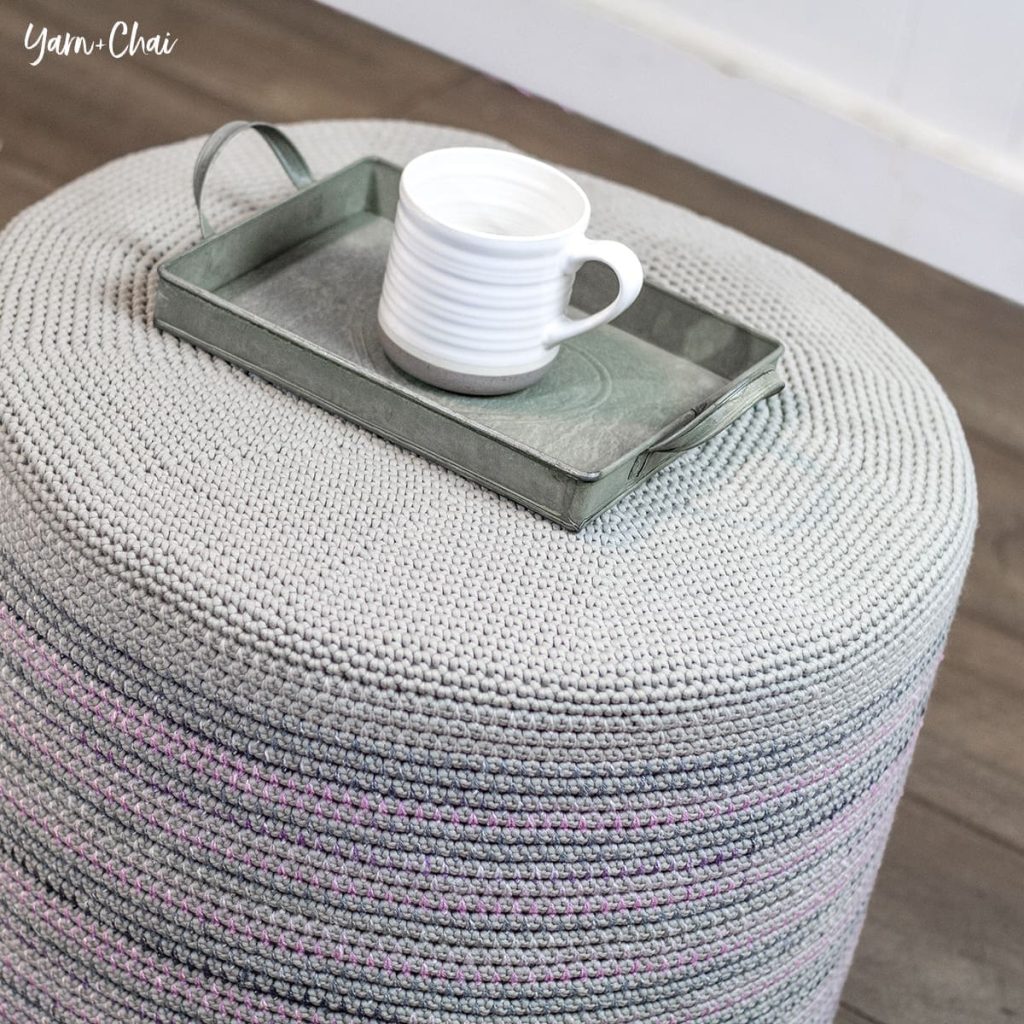
Looking for a simple and stylish way to add comfort and charm to your living space? Making your own circular floor pouf is easier than you think—and it’s a perfect project even if you’re new to DIY.
Imagine having a cozy spot to rest your feet or extra seating ready whenever guests arrive. In this guide, you’ll discover step-by-step how to create a pouf that fits your style and space perfectly. Ready to transform your room with a handmade touch?
Let’s get started!
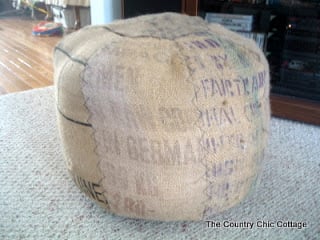
Credit: www.thecountrychiccottage.net
Materials Needed
Gathering the right materials is the first step to making a circular floor pouf. Choosing quality supplies helps create a durable and comfy pouf. This section covers the fabric, filling, and tools you need.
Fabric Choices
- Cotton: Soft, breathable, and easy to sew.
- Linen: Strong and gives a natural look.
- Canvas: Durable and resists wear and tear.
- Faux leather: Stylish and easy to clean.
- Upholstery fabric: Thick and perfect for heavy use.
Filling Options
- Polyester fiberfill: Light and fluffy, holds shape well.
- Foam beads: Provide firm support and mold to shape.
- Old clothes or fabric scraps: Eco-friendly and budget-friendly.
- Foam cushion: Offers extra comfort and durability.
Tools Required
- Sewing machine: Speeds up stitching and ensures strength.
- Scissors: Sharp for clean fabric cuts.
- Measuring tape: For precise fabric sizing.
- Pins: Keep fabric pieces together while sewing.
- Needle and thread: For hand stitching small parts.
- Chalk or fabric marker: Marks fabric without damage.
Measuring And Cutting Fabric
Measuring and cutting fabric is a key step in making a circular floor pouf. Accurate measurements ensure the pouf fits well and looks neat. Cutting the fabric properly helps avoid waste and makes sewing easier. Follow these tips for best results.
Determining Size
Decide the pouf’s diameter first. Common sizes range from 16 to 24 inches. Think about where you will place the pouf and how much space you have. Measure twice to avoid mistakes. Write down your measurements clearly. Consider adding extra fabric for seams, about 1/2 inch on all sides.
Cutting Circles And Strips
Use a large compass or string and pencil to draw perfect circles on the fabric. Pin the fabric layers together to keep them from shifting. Cut slowly and carefully along the lines with sharp fabric scissors. For the side strip, cut a long rectangle. The strip’s length equals the pouf’s circumference plus seam allowance. Its width matches the pouf’s height plus seam allowance.
Sewing The Pouf Panels
Sewing the pouf panels is a key part of making your circular floor pouf. This step shapes the fabric pieces into the pouf’s body. It requires patience and attention to detail.
Start by working with the circular pieces. Then connect the side panels. These actions build the pouf’s round form. Use neat stitches to ensure durability and a clean look.
Joining The Circles
Place the two circular fabric pieces on top of each other. Match their edges carefully. Pin them in place to avoid shifting.
Sew around the edge using a straight stitch. Leave a small gap unstitched for turning the fabric inside out. After sewing, trim the seam allowance to reduce bulk.
Turn the circles right side out through the gap. Press the edges flat with an iron. This creates smooth, round ends for your pouf.
Attaching Side Panels
Pin the rectangular side panels around the edge of one circular piece. The right sides of the fabric should face each other. Align the edges precisely.
Sew the side panels to the circle using a straight stitch. Move slowly to keep the curve smooth. Repeat this for the other circular piece.
After both sides are attached, sew the side panels together along their edges. This closes the pouf’s body. Leave a small opening to add stuffing later.

Credit: makezine.com
Assembling The Pouf
Begin by attaching the fabric pieces carefully to form a round shape. Sew the sides securely, leaving a small opening for stuffing. Fill the pouf evenly with soft material before closing the opening tightly for a neat finish.
Assembling the pouf is an exciting step. It brings your vision to life. You’ve cut your fabric and prepared your materials. Now, it’s time to sew everything together. The goal is a sturdy, stylish floor pouf. Follow these steps for assembling your pouf.Sewing The Bottom Panel
Start by laying out the bottom panel fabric. Ensure the right sides face each other. Pin the edges to keep them aligned. Use a sewing machine for a neat stitch. Sew around the edges, leaving a seam allowance of half an inch. This helps maintain the fabric’s shape. Reinforce the stitch to prevent unraveling. A strong seam ensures durability.Leaving An Opening For Filling
As you sew, remember to leave an opening. This is crucial for adding the filling. Mark a section of about six inches. Do not sew this part closed. This opening lets you insert stuffing later. Once the filling is in, it will give the pouf its shape. After filling, you can hand-stitch this opening closed. A ladder stitch works well for a seamless finish.Stuffing The Pouf
Stuffing the pouf is a key step in creating a comfortable and durable floor cushion. The right filling ensures the pouf holds its shape and feels cozy. This part of the process takes some care and attention to get the best result.
Choosing The Right Filling
Select filling material based on comfort and firmness. Common options include:
- Polyester fiberfill – soft and lightweight
- Foam pieces – provide firm support
- Old clothes or fabric scraps – eco-friendly and budget-friendly
- Bean bag pellets – mold to the shape and add flexibility
Each filling type affects the pouf’s feel and shape. Choose what suits your use and preference best.
Filling Techniques
Fill the pouf gradually to avoid lumps and unevenness. Follow these tips:
- Start with a small amount, then press down to compact
- Add more filling in layers for balance
- Use your hands to spread filling evenly
- Check the firmness by pressing on the pouf
Adjust filling until the pouf feels just right. Overstuffing can make it too hard, underfilling can cause sagging.
Finishing Touches
Finishing touches can make or break your circular floor pouf project. This stage is where your work transforms from a simple craft into a stylish and functional piece of decor. Paying attention to details ensures durability and adds personality to your pouf.
Closing The Opening
After stuffing your pouf with filling, the opening needs to be closed securely. You can use a ladder stitch to sew the opening by hand, which hides the seam neatly inside. This stitch is strong and keeps the pouf looking clean without visible gaps.
If hand sewing isn’t your favorite, consider using a zipper. Adding a zipper lets you remove the stuffing later to wash the cover or change the filling. Think about how often you might want to clean or adjust your pouf before deciding.
Adding Decorative Elements
Decorative touches give your pouf character and reflect your style. You might sew on buttons in a tufted pattern for a classic look, or add pom-poms around the edges for a playful vibe. These small details catch the eye and invite people to touch and use your pouf.
Think about using fabric paint or embroidery to add patterns or initials. Personalizing your pouf not only makes it unique but also turns it into a conversation starter. What colors or textures will complement your room’s existing decor best?
Maintenance Tips
Keeping your circular floor pouf in great shape means more than just making it look good. Paying attention to maintenance can extend its life and keep it comfy. Simple habits can save you from bigger repairs later.
Cleaning The Pouf
Start by regularly vacuuming your pouf to remove dust and dirt that settle on the surface. Use a brush attachment to avoid damaging the fabric. If you spill something, blot it immediately with a clean cloth—rubbing can spread the stain.
For deeper cleaning, check the fabric care label. Most poufs can handle spot cleaning with mild soap and water. Avoid harsh chemicals that might weaken the fibers or fade colors. Have you ever noticed how quick cleaning prevents stubborn stains?
- Vacuum weekly with a soft brush attachment
- Blot spills immediately, don’t rub
- Use mild soap and water for spot cleaning
- Test cleaning solutions on a hidden area first
Repairing Wear And Tear
Over time, seams may come loose or fabric may fray on your pouf. Don’t wait for the damage to get worse. Small tears can be sewn up easily with a needle and thread that matches the fabric color.
If the stuffing starts to flatten, you can add more filling inside. This keeps the pouf plump and comfortable. Have you ever ignored a small rip only to find it bigger later? Fixing issues early saves money and effort.
- Inspect seams regularly for loose threads
- Sew small tears promptly using matching thread
- Add stuffing to maintain shape and comfort
- Use fabric glue for minor frays if sewing isn’t an option
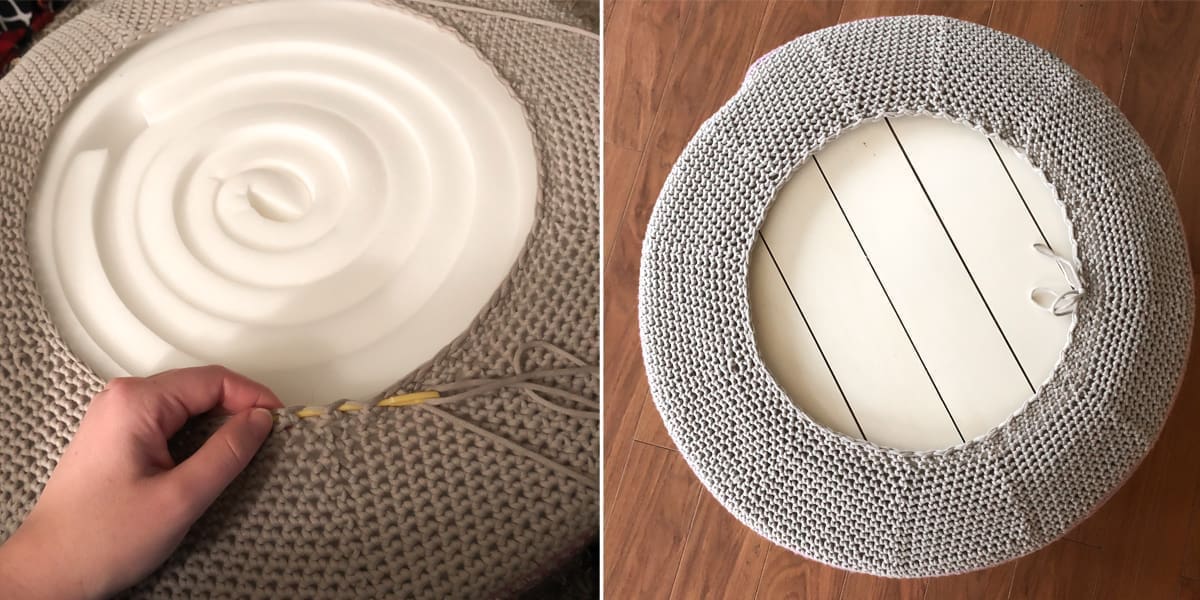
Credit: yarnandchai.com
Frequently Asked Questions
What Materials Are Needed To Make A Circular Floor Pouf?
You need fabric, stuffing, thread, scissors, and a sewing machine. Choose durable fabric for longevity. Stuff with foam or polyester filling for comfort.
How Do I Sew The Circular Floor Pouf Base?
Cut two fabric circles, sew them together leaving a gap. Turn inside out, stuff, then close the gap with a stitch. Use a strong thread for durability.
Can I Customize The Size Of The Floor Pouf?
Yes, adjust the diameter of the fabric circles to your preferred size. Larger circles make bigger poufs, smaller ones create compact seating options.
How Much Time Does Making A Floor Pouf Take?
It usually takes 2-3 hours for beginners. Experienced crafters may finish faster. Time depends on sewing skills and material preparation.
Conclusion
Making a circular floor pouf is a fun and useful project. You can choose any fabric you like. Sewing the pieces together is easier than it seems. Adding stuffing gives the pouf its shape and comfort. This pouf can brighten any room and provide extra seating.
Try making one to add a personal touch to your home. Enjoy the process and feel proud of your creation. Simple steps lead to great results. Why not start today?



