
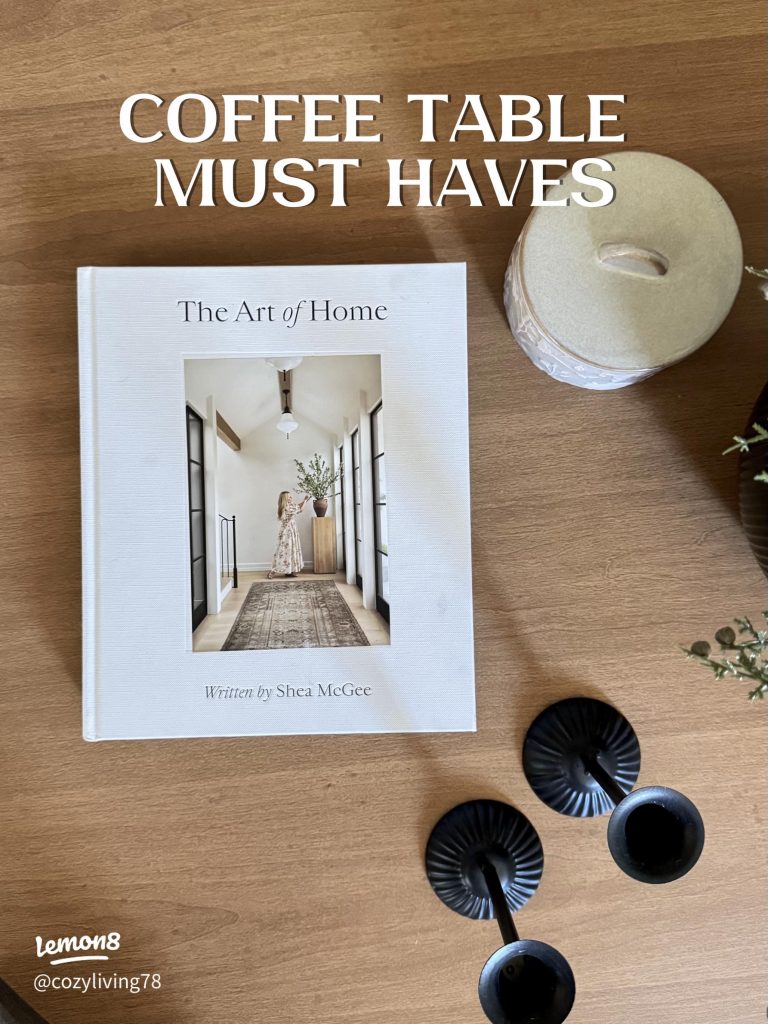
Have you ever wanted to create a coffee table book that truly stands out? A book that not only shows off your style but also sparks conversations every time someone flips through its pages?
Making your own coffee table book might seem tricky, but it’s easier than you think. You’ll discover simple steps to bring your ideas to life, choose the right images, and design a book that feels personal and unique. Ready to turn your vision into a beautiful, eye-catching coffee table book?
Let’s dive in and make it happen.

Credit: uk.style.yahoo.com
Choosing Your Theme
Choosing a theme is the first key step in creating a coffee table book. It sets the tone and direction for your entire project. The right theme grabs attention and keeps readers interested. A strong theme gives your book a clear focus and makes the content more enjoyable.
Finding Your Passion
Start with what excites you most. Your passion will drive the project and inspire creativity. Think about topics that spark your curiosity or bring you joy. Passion helps you stay motivated during the long process of making the book. It also shows in your work, making the book more authentic and engaging.
Narrowing Down Topics
A broad theme can feel overwhelming. Narrow your focus to a smaller, specific topic. This makes your book easier to plan and more attractive to readers. For example, instead of “Nature,” choose “Wildflowers of the Pacific Northwest.” A focused topic helps you gather better content and create a stronger story. Use lists or mind maps to explore ideas and find the best fit.
Considering Your Audience
Think about who will read your book. What do they enjoy or want to learn? Tailor your theme to their interests and needs. Knowing your audience guides your tone, style, and content choices. For example, a book for art lovers will differ from one for travelers. Keeping your audience in mind ensures your book connects and feels relevant.
Planning Your Content
Planning your content is the foundation of a successful coffee table book. It shapes how your story unfolds and how your audience connects with it. Focusing on the right elements early on saves time and enhances the overall impact.
Selecting Photos And Images
Your coffee table book lives and breathes through its visuals. Choose photos that tell a story or evoke emotion. Think beyond just high-quality shots—look for images that add unique perspectives or unexpected details.
Consider variety in your selection: mix close-ups with wide shots, black and white with color, and candid moments with posed ones. This keeps your book visually dynamic and engaging.
Ask yourself: Do these images align with the mood and message you want to convey? Sometimes, less is more. Curate carefully to avoid overwhelming your readers.
Writing Captivating Text
The words in your coffee table book should complement your images without overshadowing them. Aim for clear, concise, and engaging text that invites readers to explore deeper.
Use storytelling techniques to add personality. Share brief anecdotes or surprising facts that connect to the photos. This makes your book feel personal and memorable.
Keep sentences short and impactful. Avoid jargon or complicated language. Your writing should be accessible to all readers, sparking curiosity without confusion.
Organizing Chapters And Sections
Structure your book so it flows naturally from one idea to the next. Group related images and text into chapters or sections to create a cohesive narrative.
Start with an outline that highlights key themes or time periods. This helps maintain focus and guides readers through your story smoothly.
Use clear headings and consistent layouts to make navigation easy. Think about pacing—mix intense visuals with calmer ones to maintain interest.
Designing The Layout
Designing the layout of a coffee table book shapes how readers experience your story. It blends images, text, and space to create a visual flow. A well-crafted layout guides the eye and keeps readers engaged. Pay attention to style, balance, and typography for a polished look.
Choosing A Style And Format
Select a style that matches your book’s theme. Clean and minimal styles highlight photos well. Vintage or rustic styles add character and warmth. Pick a format that fits your content and space. Square, landscape, and portrait shapes each offer a unique feel. Decide on margins and gutters to keep text and images neat.
Balancing Text And Images
Keep a clear balance between pictures and words. Images should tell part of the story without crowding pages. Use white space to give the eyes a break. Avoid placing too much text on one page. Break long text into smaller paragraphs or captions. Let photos breathe with space around them.
Using Typography Effectively
Choose fonts that are easy to read and match your style. Limit the number of fonts to two or three. Use larger fonts for titles and smaller fonts for body text. Pay attention to line spacing and alignment for clarity. Use bold or italics to highlight key points. Avoid fancy fonts that distract from your message.
Selecting Materials
Choosing sturdy paper and a strong cover helps your coffee table book last longer and look professional. Consider texture and weight for a nice feel and easy handling. Quality materials make your book more enjoyable to hold and display.
Creating a coffee table book is an exciting venture that combines creativity with craftsmanship. Selecting the right materials is crucial to bringing your vision to life. The materials you choose will determine not only the aesthetics of your book but also its durability and feel. Let’s explore some key considerations you should make when selecting materials for your coffee table book.Choosing Paper Quality
The paper you choose sets the tone for your book. High-quality paper enhances the visual appeal of photographs and illustrations. Opt for glossy paper if you want vibrant colors and a modern feel. For a more classic look, consider matte paper. It reduces glare and offers a smooth reading experience. Remember, the thickness of the paper also matters. Thicker pages give a sense of luxury and durability.Cover Options And Finishes
The cover is the first impression of your book. A hardcover provides a premium feel and long-lasting protection. You can choose between cloth, leather, or printed covers, each adding a unique touch. Finishes like embossing or foil stamping add elegance. Do you want your book to stand out on a shelf? Consider a dust jacket for added flair and protection.Binding Types
Binding impacts both the functionality and look of your book. Lay-flat binding is perfect if you want to showcase panoramic images without interruption. It’s ideal for photography-heavy books. Perfect binding gives a sleek spine, suitable for books with fewer pages. If flexibility is your priority, spiral binding allows pages to turn easily without damaging the spine. Each binding type offers a different reading experience, so consider how you want users to interact with your book. Selecting the right materials is a personal journey. What speaks to you and aligns with your vision? Make these choices thoughtfully, and your coffee table book will not only be a visual delight but a cherished piece for years to come.Printing And Production
Printing and production are the final stages where your coffee table book transforms from a digital file into a physical masterpiece. This step requires careful decisions to ensure the quality matches your vision. Your choices here affect both the look and feel of the book, as well as the overall cost.
Finding The Right Printer
Choosing the right printer is crucial. Not all printers offer the same quality or service, so research options that specialize in coffee table books or art books.
Look for printers that provide samples of their work. This will help you judge paper quality, color accuracy, and binding methods. Ask about their experience with photo-heavy books and if they can handle custom sizes or finishes.
Don’t hesitate to request a visit or consultation. Seeing the printer’s setup and meeting the team can give you confidence in their process and reliability.
Understanding Print Costs
Print costs vary widely based on size, paper type, color printing, and quantity. Before finalizing your design, get detailed quotes to avoid surprises.
Think about what matters most to you: Is it premium paper, a specific binding style, or a larger print run to lower the cost per book? Sometimes, adjusting one element can save a lot without sacrificing quality.
Ask your printer about volume discounts and hidden fees like setup charges or shipping costs. Understanding these will help you budget more accurately.
Proofreading And Test Prints
Proofreading is not just about catching typos—it’s about checking color accuracy, image placement, and font readability in the printed format. Screen colors often differ from print, so review carefully.
Request a test print or a physical proof before the full run. This step can reveal unexpected issues like blurry images or incorrect margins that digital previews might miss.
Take your time with this process. A single overlooked error can be costly to fix later. Have others review the proof too—fresh eyes often catch things you don’t.

Credit: www.msn.com
Promoting Your Book
Promoting your coffee table book is key to reaching readers and buyers. Effective promotion builds interest and drives sales. It helps your book find the right audience. Use several strategies to spread the word and create buzz around your book.
Building An Online Presence
Create a simple website or blog for your book. Include beautiful photos and details about the book’s theme. Add a short author bio to connect with visitors. Use clear calls-to-action like “Buy Now” or “Learn More.” Make sure your site works well on phones and tablets.
Register your book with online stores and platforms. Keep your contact info visible for questions or orders. Collect emails from visitors to send updates and promotions. Regularly post fresh content related to your book’s topic.
Using Social Media
Choose social media platforms popular with your audience. Share behind-the-scenes photos and stories about making the book. Post snippets and interesting facts from the book to catch attention. Engage with followers by asking questions or replying to comments.
Use simple, clear language and eye-catching images. Schedule posts consistently to keep your audience interested. Collaborate with influencers or bloggers who share similar interests. This helps reach new readers who might love your book.
Hosting Launch Events
Plan an event to celebrate your book’s release. Invite friends, family, and local book lovers. Choose a cozy location like a bookstore, library, or cafe. Prepare a short talk or reading to introduce your book.
Offer signed copies or special discounts at the event. Use this chance to connect personally with readers. Capture photos and videos to share online later. Events create excitement and build strong word-of-mouth support.
Selling And Distributing
Selling and distributing your coffee table book is where your hard work meets the real world. It’s about getting your creation into the hands of readers and collectors who will appreciate it. This stage requires smart decisions about pricing, sales channels, and delivery logistics to ensure a smooth experience for both you and your customers.
Setting A Price
Price your coffee table book carefully. Look at books similar in size, quality, and subject to find a competitive range. Remember, your price should cover production costs, shipping, and a reasonable profit margin.
Think about your audience’s willingness to pay. Are they collectors who value exclusivity, or casual buyers looking for a nice gift? Adjust your price accordingly. Too high might scare buyers away, too low could undervalue your work and hurt profits.
Choosing Sales Platforms
Where you sell matters. You can use online marketplaces like Etsy, Amazon, or specialized art book sites. Each platform has its own fees, audience, and rules, so pick the one that fits your style and goals.
Don’t overlook direct sales through your own website. It gives you control over branding and customer interaction. Social media can also boost visibility—Instagram and Pinterest are great for visual products like coffee table books.
Handling Shipping And Delivery
Shipping books safely is crucial. Use sturdy packaging to protect against damage during transit. Consider adding bubble wrap or cardboard inserts to keep the book secure.
Decide if you’ll offer international shipping. It expands your market but adds complexity and cost. Always communicate delivery times clearly to manage customer expectations.
Have you thought about how you’ll handle returns or damaged shipments? A clear policy builds trust and reduces headaches later. Planning ahead here saves you from surprises and keeps buyers happy.
Credit: www.kernowcraft.com
Frequently Asked Questions
What Materials Do I Need To Make A Coffee Table Book?
You need high-quality images, a photo editing tool, layout software, and a sturdy binding option. Paper choice also matters for durability and aesthetics.
How Do I Choose A Theme For My Coffee Table Book?
Pick a theme that reflects your passion or expertise. It should be visually appealing and tell a coherent story.
What Is The Best Size For A Coffee Table Book?
Popular sizes range from 8×10 to 12×12 inches. Choose a size that complements your images and fits common coffee tables.
How Can I Design A Visually Appealing Coffee Table Book?
Use consistent fonts, balanced layouts, and high-resolution images. Incorporate white space and thematic colors for harmony and readability.
Conclusion
Creating a coffee table book is a fun and creative process. Choose your theme and gather your best photos. Arrange images and text clearly for easy reading. Pick a quality printer to make your book last long. Personal touches make your book unique and special.
Share your story through pictures everyone will enjoy. Start your project today and watch your ideas come alive. A coffee table book can brighten any room and spark great conversations.



