
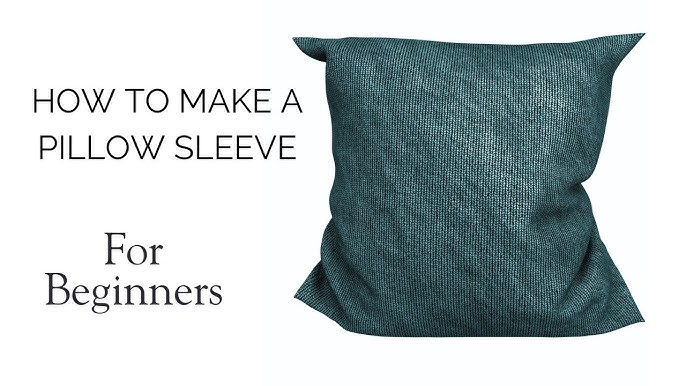
Are you ready to add a personal touch to your living space? Making your own decorative pillow is easier than you think—and it lets you bring your style to life in a unique way.
Imagine sinking into a pillow you created yourself, one that perfectly matches your favorite colors and patterns. This simple project not only saves you money but also gives your home a fresh, cozy vibe. Keep reading, and you’ll discover step-by-step how to make a decorative pillow that stands out and feels just right for you.
Choosing The Right Fabric
Choosing the right fabric is the foundation of making a decorative pillow that looks great and lasts long. The fabric affects the pillow’s comfort, style, and durability. Taking time to pick fabric that matches your vision and lifestyle can make all the difference in your finished piece.
Picking Colors And Patterns
Think about the room where your pillow will live. Are the walls neutral or bold? Choose colors that either complement or contrast well with your existing decor to create balance.
Patterns can add personality to your pillow. Stripes, florals, or geometric shapes bring different moods—playful, elegant, or modern. Don’t be afraid to mix patterns, but keep a common color to tie everything together.
Ask yourself: Do I want my pillow to stand out or blend in? Your answer guides your color and pattern choices.
Considering Fabric Texture
Texture affects how your pillow feels and looks. Smooth fabrics like cotton or linen offer a crisp, clean look. On the other hand, velvet or chenille adds softness and depth.
Think about where you’ll use the pillow. A plush fabric feels cozy on a sofa, while a durable canvas works better in a high-traffic area. Also, consider how easy the fabric is to clean if you have kids or pets around.
Remember, texture can change the mood of your pillow—do you want it to invite touch or simply decorate?
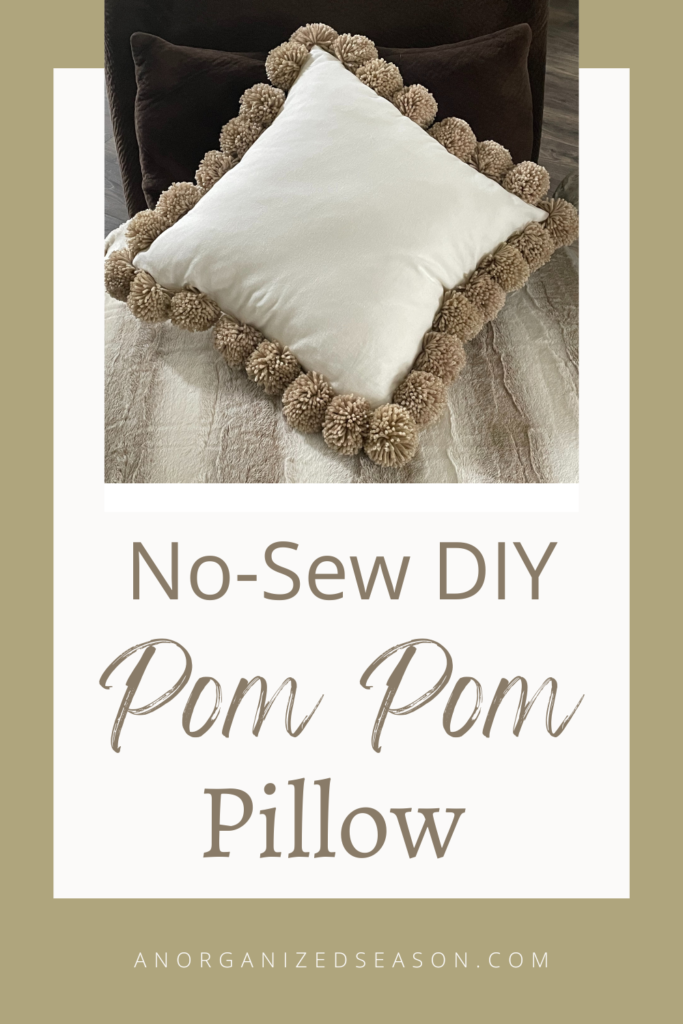
Credit: anorganizedseason.com
Gathering Essential Tools
Before you dive into making your decorative pillow, gathering the right tools will make the process smoother and more enjoyable. Having everything on hand saves time and helps avoid frustrating interruptions. Think about what you already have and what you might need to pick up to get started confidently.
Basic Sewing Supplies
Start with the essentials that every sewing project requires. You’ll need a good pair of fabric scissors to cut your material cleanly. Sharp scissors prevent frayed edges and make your pillow look professional.
Next, grab sewing needles suitable for your fabric type—some fabrics need finer needles than others. Thread in colors matching or complementing your fabric is crucial. Don’t forget pins or clips to hold your pieces together while sewing.
A measuring tape or ruler will keep your cuts precise. Also, consider a seam ripper; mistakes happen, and this tool saves your project from permanent errors. Finally, a sewing machine can speed up the work, but hand-sewing is perfectly fine for beginners or simple designs.
Optional Decorative Items
Adding decorative touches can turn a plain pillow into a statement piece. Think about buttons, ribbons, or lace to give your pillow extra character. These items allow you to personalize your creation and match your home décor perfectly.
Fabric paint or markers provide another way to add patterns or words. If you like texture, consider using pom-poms, tassels, or appliques. Do you prefer a minimalist look or something bold and eye-catching? Your choice of decorative items will answer that for you.
Collecting these extras might seem like a lot, but you can start simple and add more details as you gain confidence. What kind of pillow would you love to create with these materials?
Measuring And Cutting Fabric
Measure fabric carefully to ensure the pillow fits perfectly. Use sharp scissors and cut along the marked lines for clean edges. Accurate measuring and cutting make sewing easier and the pillow look neat.
Creating a decorative pillow is a delightful way to add a personal touch to your home décor. Before you get to the fun part of sewing and embellishing, measuring and cutting the fabric correctly is crucial. This step ensures that your pillow looks professional and fits perfectly on your sofa or bed. Let’s dive into the essentials of measuring and cutting fabric for your decorative pillow project.Determining Pillow Size
First, decide on the size of your pillow. Standard decorative pillows usually range from 16×16 inches to 24×24 inches. Consider the space where you’ll place the pillow and how it complements other elements in the room. Measure your pillow insert to ensure your fabric pieces will provide a snug fit. Remember, the fabric should be cut slightly larger than the insert to allow for seam allowances. A half-inch seam allowance on each side is common, so for a 16×16 inch pillow, your fabric pieces should be 17×17 inches.Cutting Accurate Pieces
Lay your chosen fabric on a flat, clean surface. Use a ruler or measuring tape to mark the dimensions with fabric chalk or a washable fabric pen. This will provide clear guidelines for cutting. Ensure your fabric is wrinkle-free and smooth before cutting. Use sharp fabric scissors or a rotary cutter for precise edges. Double-check measurements as you cut to avoid any missteps. Remember, accuracy in this stage will save you from headaches later. Have you ever experienced the frustration of mismatched pieces? Precise cutting is your best defense against such issues.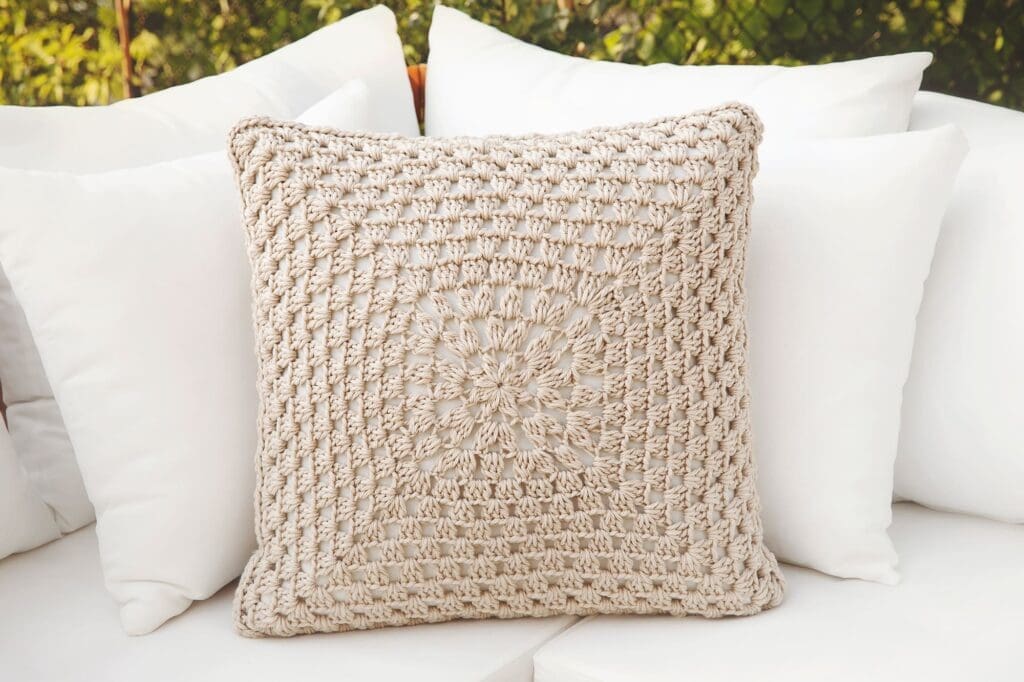
Credit: leeleeknits.com
Sewing The Pillow Cover
Sewing the pillow cover is where your decorative pillow truly begins to take shape. This step allows you to connect your fabric pieces securely while adding functional details like closures. Paying attention to neat seams and closures can make your pillow look professional and last longer.
Stitching Seams
Start by aligning your fabric pieces with the right sides facing each other. Use pins or clips to hold them in place; this prevents shifting while sewing. Sewing a straight seam about ½ inch from the edge is standard for pillow covers.
Don’t forget to backstitch at the beginning and end of your seams to keep the stitching strong. If you have a sewing machine, use a straight stitch with medium length for durability. For a cleaner finish, consider trimming seam allowances and pressing them open with an iron.
Adding Zippers Or Buttons
Deciding between a zipper or buttons depends on your style and how easy you want the cover to be removable. Zippers provide a sleek look and secure closure, perfect if you want the pillow to look seamless. You can sew a zipper along one edge, making sure it lines up evenly for smooth opening and closing.
Buttons add a charming, handmade touch and are easier to sew if you’re new to closures. Sew buttonholes or attach buttons on one side, then make sure the fabric overlaps enough to keep the pillow insert inside. Which closure fits your pillow’s look and your sewing skill better?
Adding Decorative Elements
Adding decorative elements transforms a simple pillow into a unique piece. It enhances texture, color, and style. These touches make your pillow stand out in any room.
Choose decorations that match your room’s theme. Use easy techniques to keep the project fun and rewarding. Small details create big visual interest.
Using Embroidery And Appliqué
Embroidery adds beautiful stitched designs to your pillow cover. Use colorful threads to create patterns or shapes. Simple stitches like backstitch or satin stitch work well for beginners.
Appliqué involves sewing fabric shapes onto the pillow surface. Cut out shapes like flowers, leaves, or geometric forms. Attach them with a zigzag stitch or fabric glue for a neat look.
Both embroidery and appliqué let you personalize pillows with your favorite designs. They add texture and depth that catch the eye.
Attaching Tassels Or Piping
Tassels bring a playful and cozy vibe to pillow edges. Make tassels from yarn or buy them ready-made. Sew them securely to each corner or along the sides.
Piping gives a clean, finished outline to your pillow. Use contrasting fabric or matching colors to highlight the pillow shape. Sew the piping into the seams before closing the pillow cover.
These elements add charm and a professional touch. They enhance the pillow’s overall appearance and feel.
Stuffing And Finishing Touches
Stuffing your decorative pillow properly and adding the final touches can make all the difference between a pillow that looks homemade and one that feels professionally crafted. The right filling gives your pillow shape and comfort, while a clean closure ensures durability and a polished look. Let’s dive into how you can choose the best filling and finish your pillow with care.
Choosing The Right Filling
Picking the right filling depends on how you want your pillow to feel and look. Polyester fiberfill is a popular choice because it’s soft, affordable, and easy to work with. It gives your pillow a plush, fluffy appearance that works well for most decorative pillows.
If you prefer a firmer pillow, consider using foam inserts or even memory foam. These options hold their shape better and offer good support. On the other hand, natural fillings like feather or down offer luxurious softness but require more maintenance and can be pricier.
Think about where your pillow will be used. Will it be on a couch that gets a lot of use? Opt for durable fillings that won’t flatten quickly. For occasional decorative use, soft fillings can add that extra cozy touch.
Closing The Pillow Cover
How you close your pillow cover affects both its appearance and function. An invisible zipper is a sleek option that lets you remove the cover for washing without disturbing the shape. If you don’t have a zipper, sewing the opening closed with a ladder stitch creates a nearly invisible seam.
Another easy option is adding buttons or snaps. These add character and make it simple to remove the cover when needed. Just make sure they’re securely sewn on to avoid any surprises when you sit on the pillow.
Have you ever struggled with stuffing a pillow only to have the opening look messy? Take your time to distribute the filling evenly before closing. This small step can change how your pillow looks and feels dramatically.
Care And Maintenance Tips
Taking good care of your decorative pillow ensures it stays vibrant and cozy for years. Simple maintenance can prevent wear and tear, keeping your creation looking fresh. How often do you think about cleaning or storing your pillows properly?
Cleaning Instructions
Check the fabric type before cleaning—some materials need gentle care. Spot clean small stains quickly with a mild detergent and cold water to avoid spreading. For removable covers, machine wash on a delicate cycle, but always follow the label’s instructions.
If your pillow doesn’t have a removable cover, consider hand washing or using a fabric-safe upholstery cleaner. Avoid harsh chemicals that can fade colors or weaken fibers. After washing, air dry flat to maintain shape; never wring the pillow as it can damage the stuffing.
Storage Suggestions
Store your decorative pillows in a cool, dry place to prevent mold and mildew. Use breathable fabric bags instead of plastic to allow airflow and avoid moisture buildup. When not in use, fluff them regularly to keep their shape and avoid flat spots.
Have you tried rotating your pillows seasonally? It helps reduce sun damage and wear on one side. Keeping your pillows out of direct sunlight also preserves their colors and fabric quality over time.
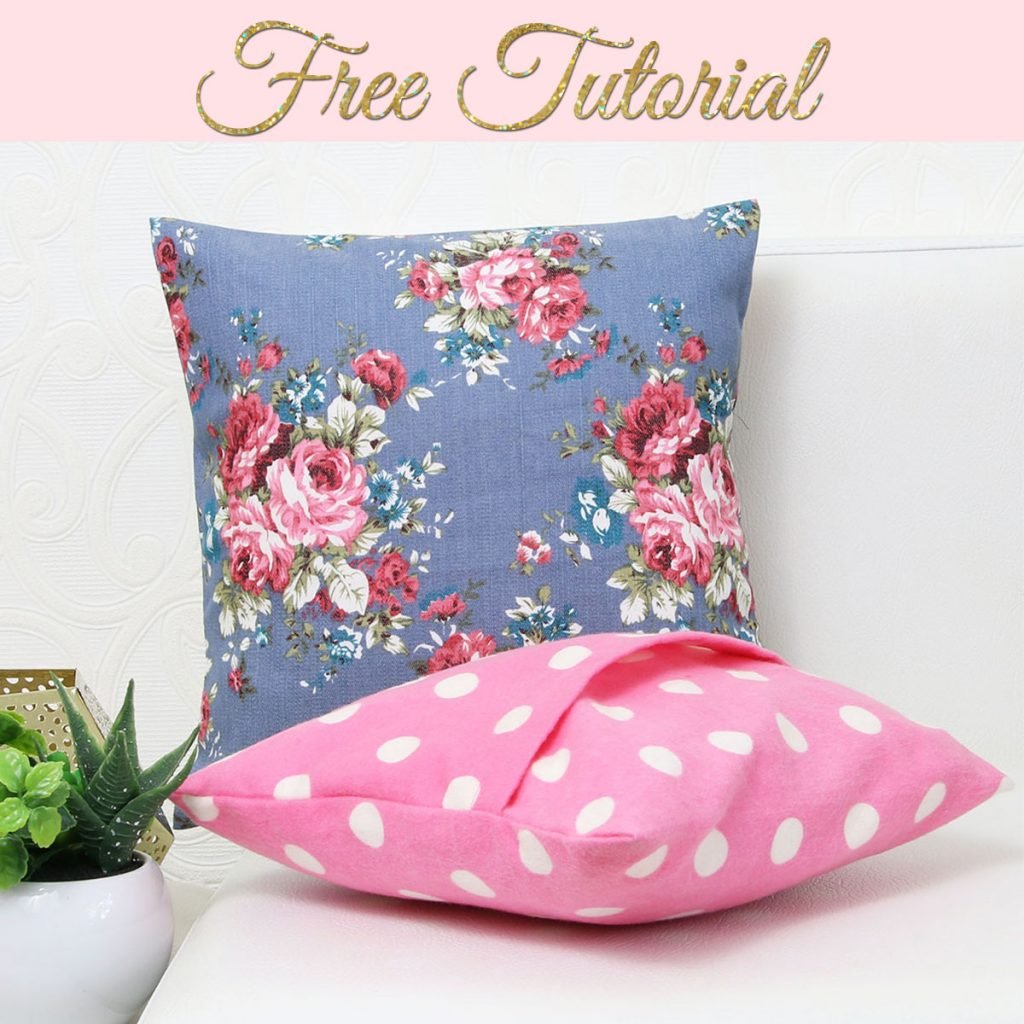
Credit: blog.treasurie.com
Frequently Asked Questions
What Materials Are Needed To Make A Decorative Pillow?
You need fabric, pillow stuffing, scissors, thread, and a sewing machine or needle. Optional items include zippers and embellishments for extra flair.
How Do I Choose Fabric For Decorative Pillows?
Select durable, soft fabric that matches your decor. Cotton, linen, velvet, and faux fur are popular choices for style and comfort.
What Is The Best Stuffing For Decorative Pillows?
Polyester fiberfill is common for its softness and shape retention. Down feathers offer luxury but require more care. Choose based on comfort and maintenance.
How To Sew A Decorative Pillow Step-by-step?
Cut fabric to size with seam allowance. Sew three sides, stuff pillow, then sew the final side closed or insert a zipper.
Conclusion
Creating a decorative pillow can be simple and fun. Choose fabrics and patterns that you like. Cut, sew, and stuff your pillow with care. This small project adds charm to any room. Enjoy the comfort and style your pillow brings.
Try making different colors and shapes next time. Crafting your own pillow saves money and feels rewarding. Start today and see how easy it can be!



