
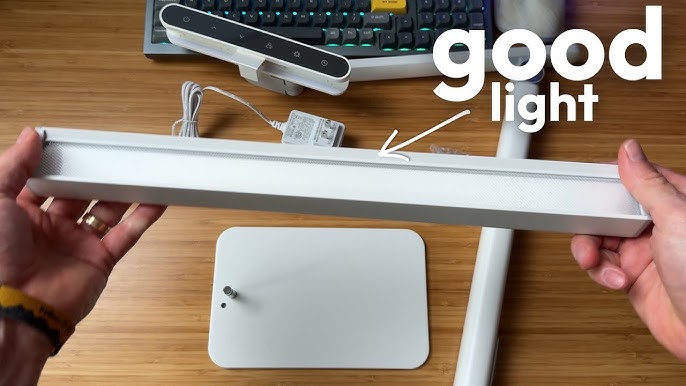
Are you tired of harsh, fixed lighting while working or reading? Imagine having a desk lamp that moves with you, giving light exactly where you need it.
Making your own flexible desk lamp is easier than you think—and it can save you money while adding a personal touch to your space. In this guide, you’ll discover simple steps to create a lamp that fits your style and moves effortlessly with your every task.
Ready to brighten your workspace your way? Let’s get started!
Choosing Materials
Choosing the right materials is key to making a flexible desk lamp that lasts. Good materials ensure the lamp is sturdy, easy to adjust, and lights up your workspace well. Each part of the lamp needs careful thought. The base must support the lamp, the arm should bend smoothly, and the light source must be bright but gentle on the eyes.
Selecting The Lamp Base
The lamp base holds everything steady. Choose a base made of heavy materials like metal or thick wood. This keeps the lamp from tipping over. A round or square shape works best for balance. Avoid light plastic bases that can slide or fall. A base with a non-slip bottom adds extra safety on smooth desks.
Picking The Flexible Arm
The arm lets you move the light where you need it. Look for flexible arms made of metal with joints or springs. These offer good support and easy adjustability. Avoid flimsy plastic arms that bend too much or break. Some arms come with rubber grips for better control. Make sure the arm is long enough to cover your desk area.
Choosing The Light Source
The light source should be bright but soft. LED bulbs are the best choice. They use less power and last longer than old bulbs. Pick LEDs with adjustable brightness or color temperature. This helps reduce eye strain during work or reading. Avoid bulbs that get very hot or flicker, as they can be uncomfortable.
Tools You Need
Gathering the right tools is essential before building a flexible desk lamp. Proper tools make the process smooth and help create a sturdy lamp. Knowing what you need saves time and avoids frustration. Prepare your workspace with all tools at hand for easy access.
Basic Tools List
- Screwdriver (Phillips and flathead)
- Pliers (needle-nose and regular)
- Wire stripper
- Drill with small drill bits
- Measuring tape or ruler
- Hot glue gun or strong adhesive
- Adjustable wrench
- Sandpaper (fine grit)
- Flexible metal tubing or gooseneck arm
- Light bulb socket and wiring kit
Safety Gear Essentials
- Safety glasses to protect your eyes
- Work gloves to avoid cuts and scrapes
- Dust mask if sanding or drilling
- Ear protection if using loud tools
- Non-slip shoes for stable footing
Building The Lamp Base
Choose a sturdy material like wood or metal for the lamp base to ensure stability. Drill holes carefully for wiring and attach the flexible arm securely. This foundation keeps the desk lamp balanced and steady during use.
Building the Lamp Base Creating the perfect base for your desk lamp is crucial. It’s what keeps your lamp stable and ensures it stands tall. When you build a solid base, your lamp becomes both functional and aesthetically pleasing.Preparing The Base Surface
Before you start, gather your materials. Choose a sturdy piece of wood or a stylish metal plate. This will be the foundation of your lamp. Sand down the surface to make it smooth. This not only helps with the look but also ensures a stable attachment. Have you ever felt the satisfaction of running your hand over a freshly sanded surface? It’s worth the effort. Now, think about the design. Do you want a circular or square base? Visualize it and mark the spots where the arm will attach. Planning now saves headaches later.Attaching The Flexible Arm
It’s time to connect the flexible arm. Select an arm that bends easily yet holds its position. This flexibility allows you to direct light where you need it most. Secure the arm to the base using strong screws or bolts. Double-check that everything is tight and stable. Imagine the frustration of a wobbly lamp during late-night work sessions. Test the flexibility by adjusting the arm in various directions. Does it hold up? If not, you might need to tighten the screws or rethink the arm choice. By taking these steps, you ensure your desk lamp is not just a source of light but a reliable companion for your workspace.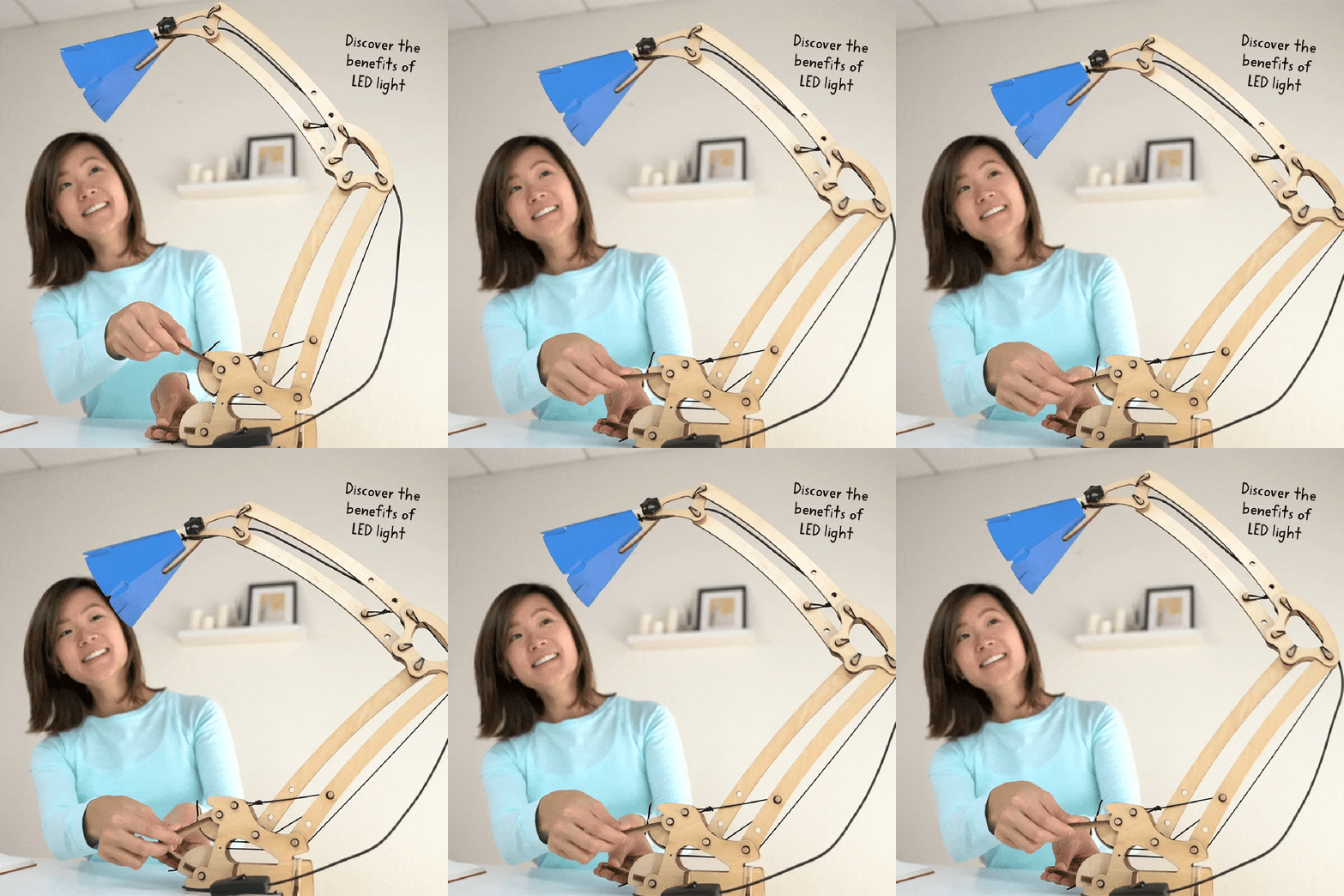
Credit: www.kiwico.com
Assembling The Flexible Arm
Assembling the flexible arm is key to creating a useful desk lamp. This part lets you adjust the light angle easily. The arm must be sturdy yet move freely for best use.
Connecting Arm Segments
Start by lining up the arm segments. Each segment should fit snugly into the next. Use screws or bolts to join them firmly. Check that the joints move smoothly without gaps.
Keep the alignment straight. Misaligned parts cause stiffness or wobble. Tighten fasteners just enough to hold parts tight. Avoid over-tightening, which can block movement.
Ensuring Stability And Flexibility
Test the arm by bending it in various directions. The arm should hold its position without drooping. Use washers or spacers to reduce friction at joints.
Adjust the tension of screws if the arm feels loose or too tight. Balance is important. Too loose means instability; too tight limits flexibility.
Use quality materials for joints to improve durability. Rubber or silicone pads help grip and reduce wear. A well-assembled arm lasts longer and works better.
Installing The Light Source
Installing the light source is a key part of making your flexible desk lamp functional and safe. This process involves connecting the electrical components properly and ensuring the bulb holder stays firmly in place. Taking your time here can save you from future hassles and even hazards.
Wiring The Lamp
Start by choosing the right wire for your lamp. It should be insulated and long enough to reach your power source comfortably. Strip about half an inch of insulation off both ends of the wires to expose the copper.
Connect the wires to the lamp’s switch and plug, matching the live and neutral wires correctly. If you’re unsure which wire is which, a simple continuity tester or a multimeter can help. Twist the exposed wires tightly around the terminals and secure them with screws to prevent loose connections.
Don’t forget to double-check your wiring before plugging in. A loose connection can cause flickering or even a short circuit. Have you ever experienced a lamp that just wouldn’t light up? Often, it’s a wiring issue that’s easy to fix.
Securing The Bulb Holder
The bulb holder needs to be firmly attached to the lamp’s frame so the bulb stays stable. Use screws or strong adhesive, depending on your lamp design. If your lamp has a flexible arm, make sure the bulb holder doesn’t wobble when you bend the arm.
Test the holder by gently twisting or pushing the bulb once it’s in place. It shouldn’t move, but you should still be able to remove the bulb without too much force. A secure bulb holder protects your bulb from damage and ensures consistent lighting for your workspace.
Would you rather have a loose bulb that might fall or a steady one that stays put? Securing the bulb holder properly answers that question clearly.

Credit: www.amazon.com
Finishing Touches
Finishing touches are what turn your flexible desk lamp from a simple project into a functional and stylish piece. These final steps ensure your lamp works perfectly and suits your workspace. Skipping this part can leave you with a lamp that looks good but doesn’t perform well.
Testing The Lamp
Once you assemble your lamp, plug it in and turn it on. Does the bulb light up immediately? If not, check your wiring connections carefully. Loose wires or poor contacts are common issues at this stage.
Try moving the lamp’s joints and bends to see if the light stays steady. Flickering or dimming might mean the bulb isn’t seated properly or the wiring needs tightening.
Don’t forget to test the switch if you added one. It should turn the lamp on and off smoothly without any resistance. If it feels stiff or unresponsive, adjust or replace it.
Adjusting For Perfect Lighting
Think about where you’ll use your lamp most. Is it for reading, working on crafts, or ambient lighting? Adjust the neck and angle to focus light exactly where you need it.
Consider the height and distance from your workspace. Too close can cause glare, too far might not provide enough light. Aim for a balance that reduces eye strain during long tasks.
If your lamp has a dimmer, experiment with different brightness levels throughout the day. This can help you find the best setting for both productivity and comfort.
Customization Ideas
Customization ideas make your flexible desk lamp truly yours. Small changes can create a big impact. Personal touches improve both style and function. These ideas help your lamp fit your space and needs perfectly.
Adding Color And Texture
Paint your lamp in bright or soft colors. Use spray paint for a smooth finish. Try matte or glossy textures to change the look. Wrapping parts with fabric or tape adds unique texture. Choose materials that match your room’s style. Color and texture bring life and personality to the lamp.
Incorporating Smart Features
Add smart bulbs for adjustable brightness and color. Use a smart plug to control the lamp with your phone. Voice control works with assistants like Alexa or Google. Timers help save energy by turning off the lamp automatically. Smart features make your lamp more useful and modern.
Troubleshooting Tips
Troubleshooting your flexible desk lamp can save time and money. Most issues are easy to fix with simple steps. Knowing common problems helps keep your lamp working well.
Fixing Loose Joints
Loose joints make the lamp hard to position. Check each joint carefully for wobbling or slipping. Tighten screws with a screwdriver to secure the joints.
If screws are missing, replace them with similar sizes. Use small washers to improve grip if needed. Avoid over-tightening to prevent damage.
For joints with worn-out parts, try adding a small piece of rubber or tape. This adds friction and helps hold the lamp steady.
Handling Electrical Issues
Electrical problems can stop the lamp from turning on. First, check the power cord for cuts or frays. Replace the cord if it looks damaged.
Test the bulb by swapping it with a new one. Sometimes, a simple bulb change fixes the issue. Ensure the bulb matches the lamp’s wattage requirements.
Inspect the switch by toggling it on and off. If it feels loose or does not click, it may need replacement. Use a multimeter to test the switch’s function safely.
When dealing with wiring inside the lamp, unplug it first. Look for loose connections or broken wires. Secure wires with electrical tape or replace them if broken.
Credit: www.nytimes.com
Frequently Asked Questions
What Materials Are Needed To Make A Flexible Desk Lamp?
You need a flexible arm, lamp holder, LED bulb, wiring, plug, and basic tools. Choose lightweight materials for easy movement.
How Do I Ensure The Lamp Is Safely Wired?
Use insulated wires and secure all connections with wire nuts. Test voltage and avoid loose wiring to prevent hazards.
Can I Customize The Lamp’s Brightness And Color?
Yes, use dimmable LED bulbs or smart bulbs to adjust brightness and color temperature easily.
How Long Does It Take To Build A Flexible Desk Lamp?
Typically, assembly takes 1 to 2 hours depending on your experience and material preparation.
Conclusion
Making a flexible desk lamp can be simple and fun. You only need a few tools and parts. This project helps you create a lamp that moves how you want. You can save money by making it yourself. Plus, it fits your space perfectly.
Try to follow the steps one by one. Soon, you will have a lamp that lights your work or study area well. Enjoy your new, flexible desk lamp every day!



